RisingStar
- Home
- About Us
- Products
- News
- Video
- Contact
- Send Inquiry
Search
- Home
- About Us
- Products
- News
- Video
- Contact
- Send Inquiry
RisingStar
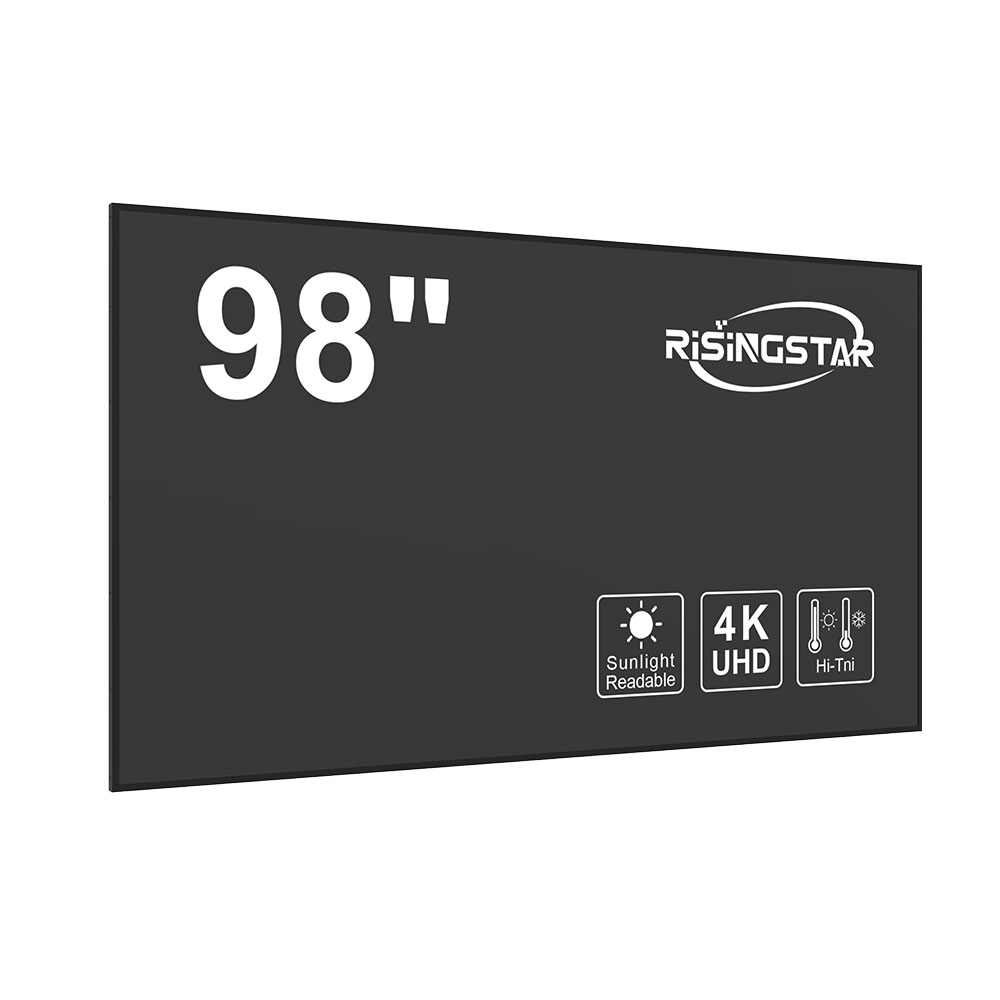
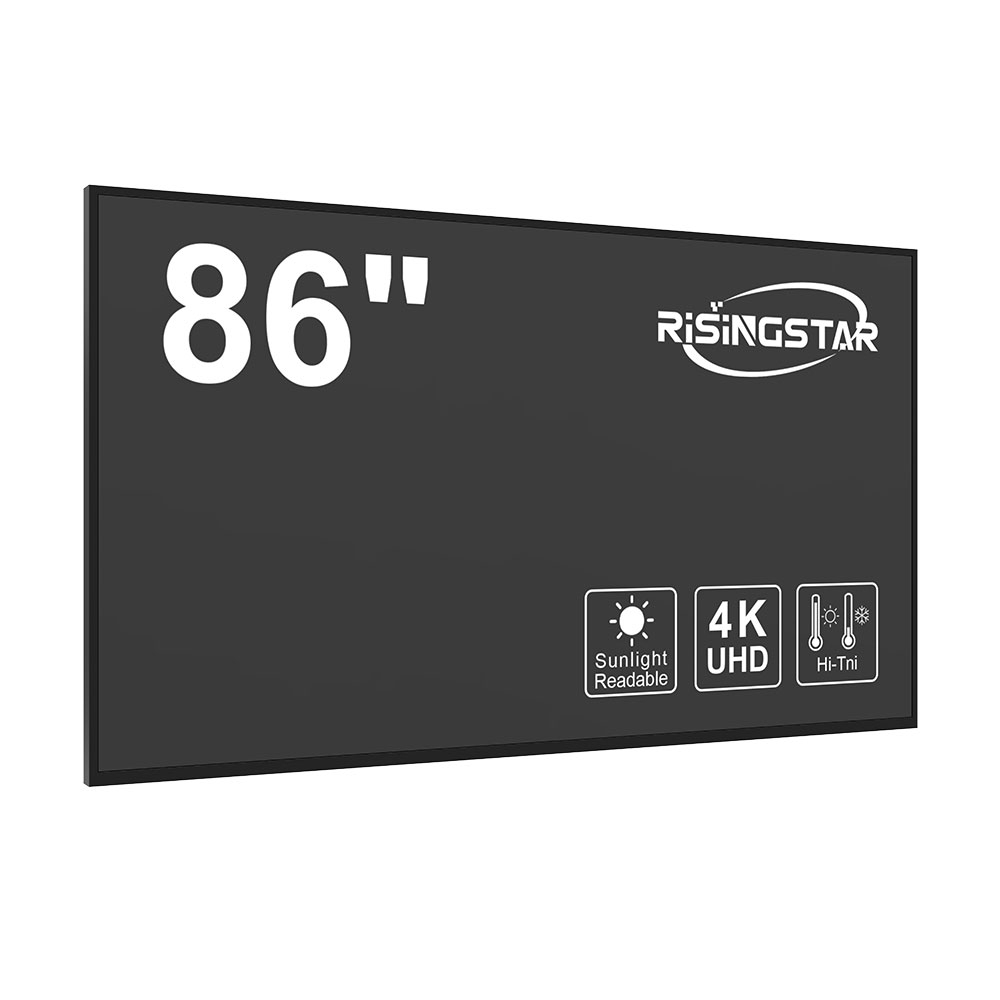
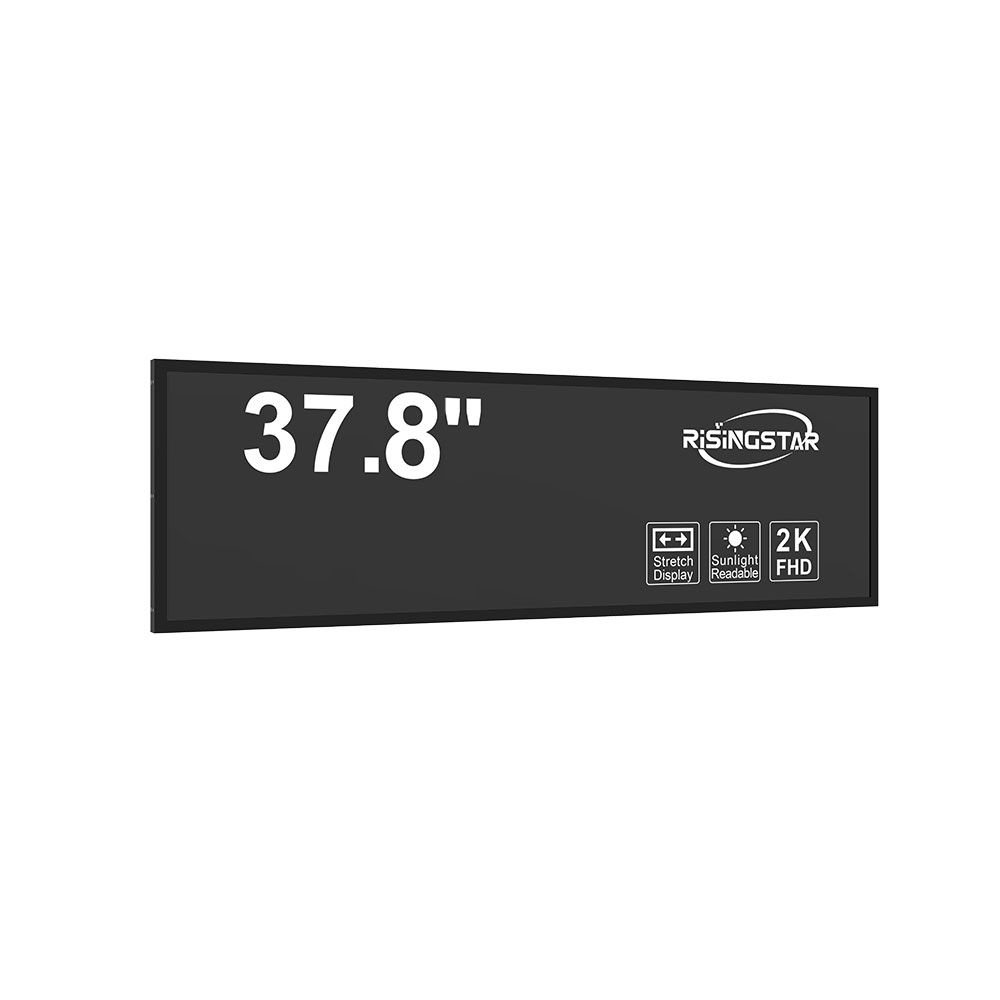
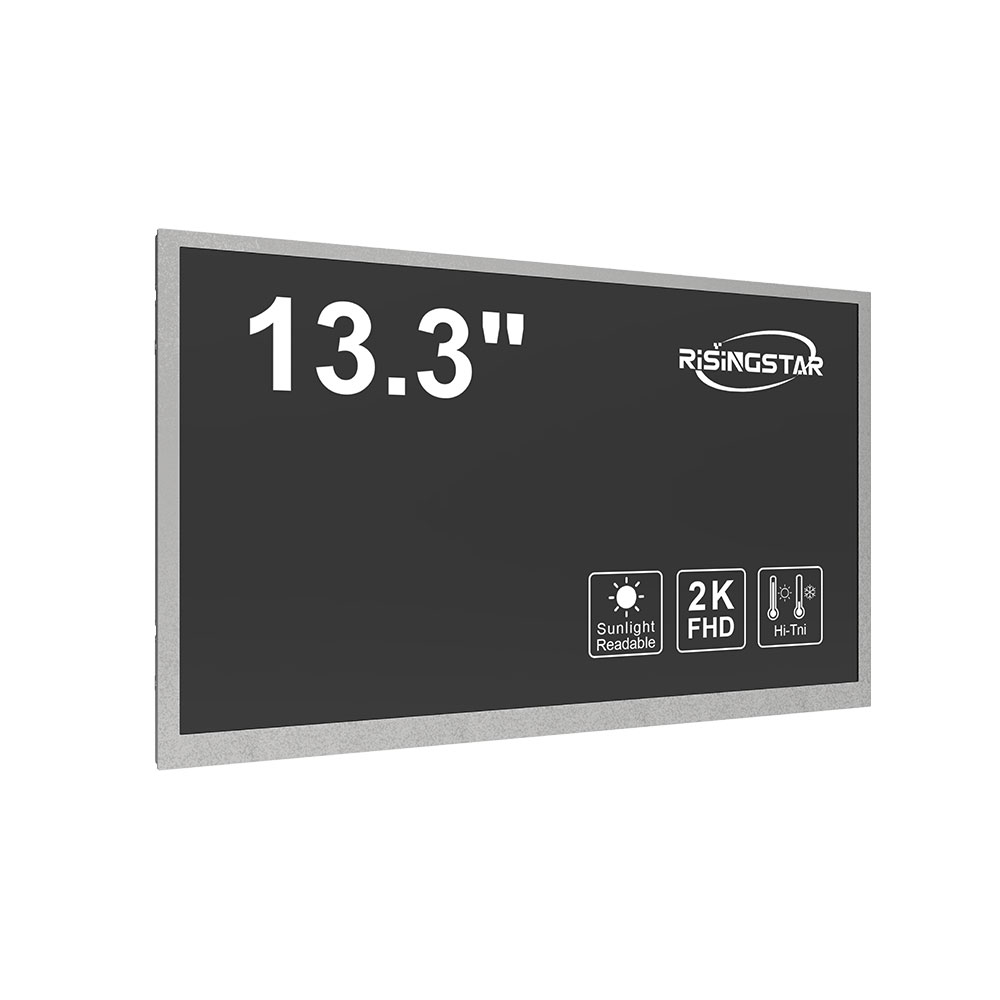
High-brightness, sunlight-readable LCD displays are essential in modern outdoor and transportation environments where visibility under direct sunlight is critical. These displays, typically rated at 5,000 to 10,000 nits of brightness, surpass the capabilities of standard indoor LCDs (which average 250–500 nits), ensuring clear readability even in intense daylight conditions. They are engineered with advanced anti-glare coatings, high-contrast ratios (often 1000:1 or higher), and optimized backlighting systems such as LED arrays with local dimming technology to maintain performance across a wide range of ambient light levels.
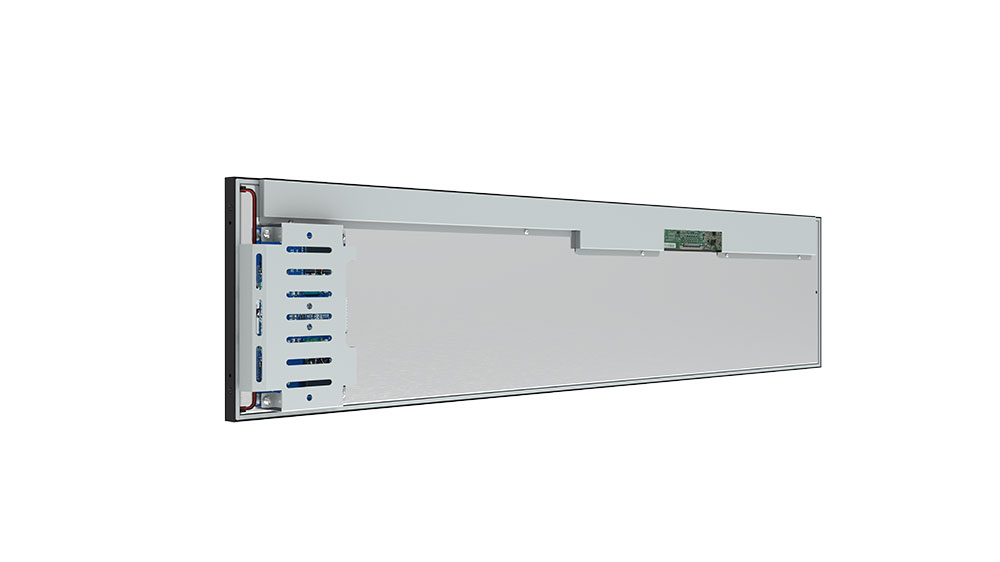
In railway and transit systems—such as subways, buses, trains, and intercity rail networks—these displays serve as passenger information systems (PIS). For example, Tokyo Metro and London Underground use such displays to show real-time train arrivals, service disruptions, and safety alerts. Their durability against vibration, temperature extremes (-30°C to +70°C), and humidity makes them ideal for mobile and fixed installations. Industry standards like EN 50155 (for railway equipment) and IP65/IP67 ratings for dust and water resistance ensure reliability in harsh conditions.
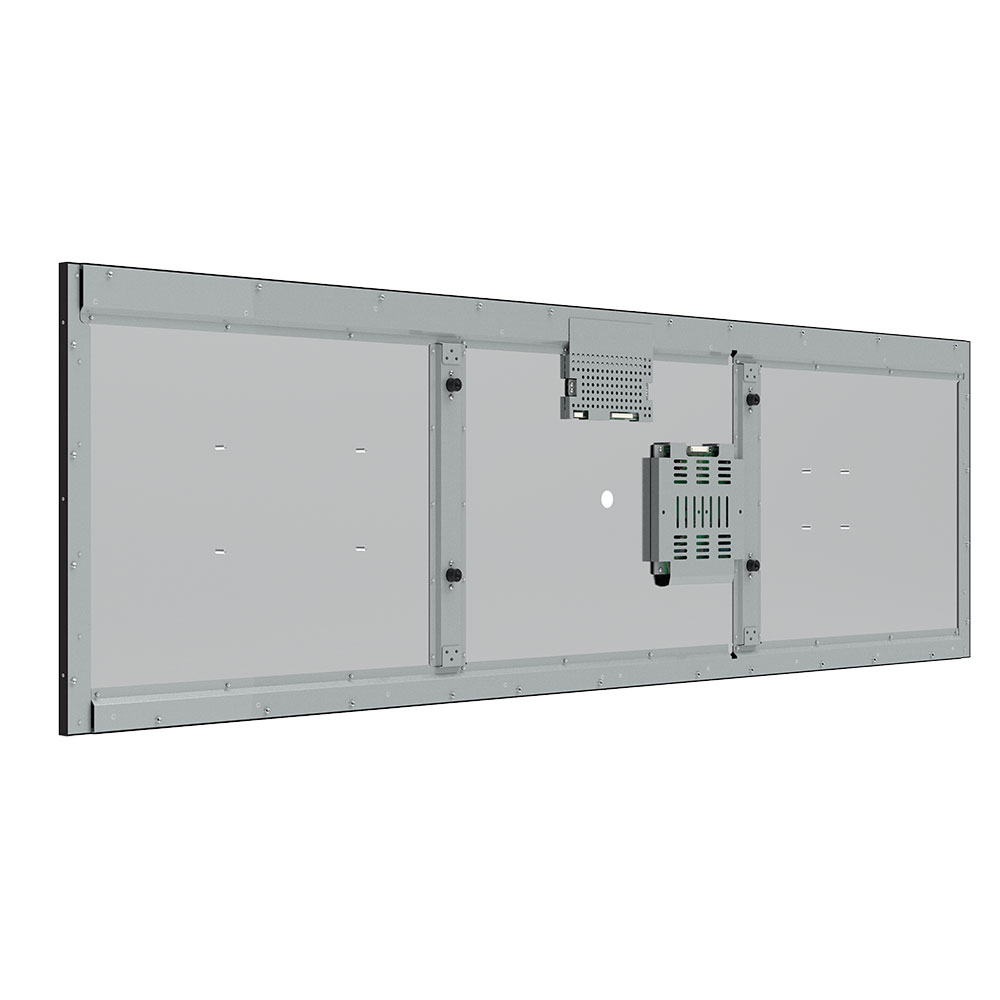
Beyond public transport, high-brightness displays are now widely deployed in EV charging kiosks, gas pumps, and outdoor digital signage. In EV charging stations, such as those by ChargePoint and Tesla, these screens provide intuitive user interfaces for payment, status updates, and energy usage—critical when users are outdoors in bright sunlight. Gas pump applications, like those from Phillips 66 and Shell, utilize the same technology to prevent misreads that could lead to fueling errors. Similarly, retail and real estate digital signage benefit from this technology: Apple Stores use 7,000-nit displays in their storefronts for dynamic product showcases, while real estate agencies deploy them on billboards and building lobbies to highlight property listings.
Outdoor TVs, such as those used in stadiums or airport lounges, also rely on these displays. According to a 2023 report by Statista, the global market for outdoor digital signage is projected to exceed $40 billion by 2028, driven largely by demand for high-brightness, sunlight-readable screens. These displays often integrate with IoT platforms for remote monitoring and content updates, enhancing operational efficiency. Furthermore, compliance with RoHS and CE certifications ensures environmental and electrical safety.
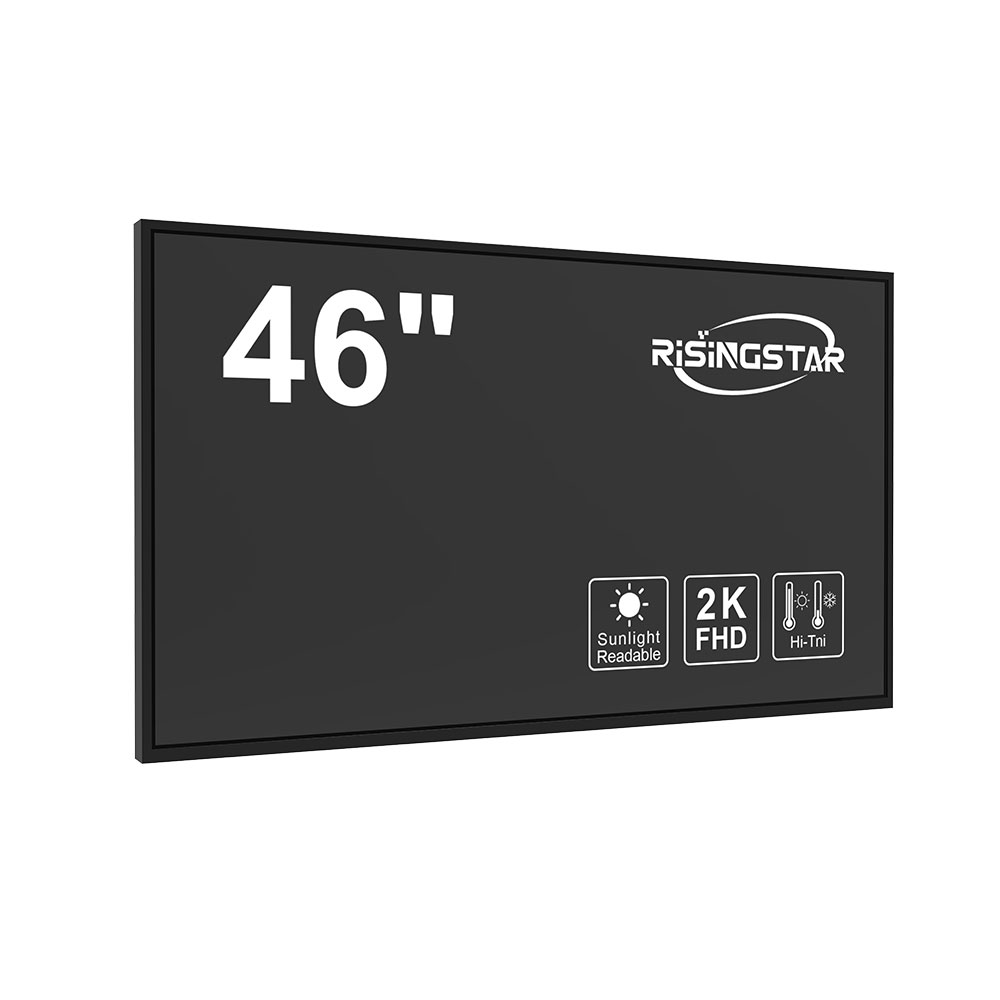
Manufacturers like LG Display, Sharp, and Innolux are leading in this space, offering custom solutions tailored to specific industries. For instance, LG’s “Sunlight Readable” series features adaptive brightness control using ambient light sensors, reducing power consumption while maintaining optimal visibility. Such innovations not only improve user experience but also support sustainability goals through intelligent energy management.
The future of high-brightness displays lies in integrating AI-driven content optimization and ultra-low-power OLED variants, which promise even better contrast and faster response times. As cities become smarter and mobility more connected, the role of sunlight-readable displays will continue to expand across sectors—from smart infrastructure to autonomous vehicles.