RisingStar
- Home
- About Us
- Products
- News
- Video
- Contact
- Send Inquiry
Search
- Home
- About Us
- Products
- News
- Video
- Contact
- Send Inquiry
RisingStar
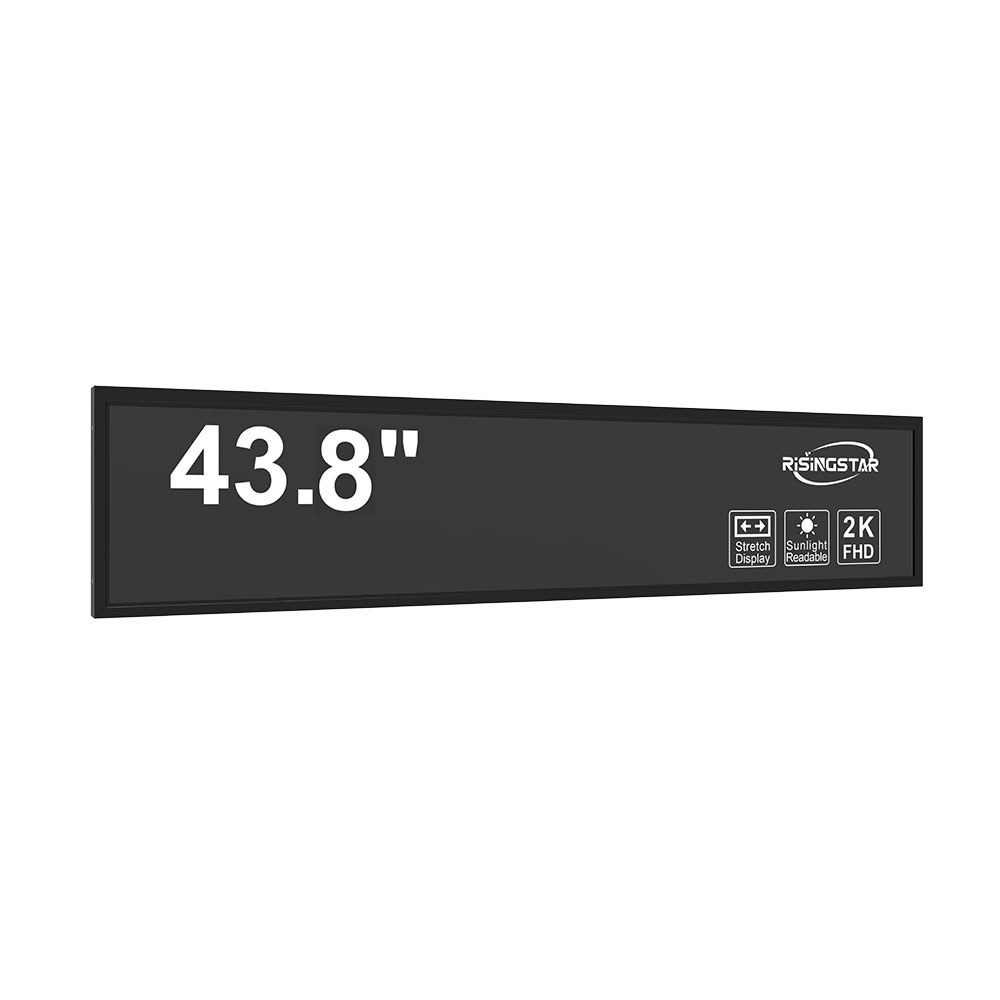
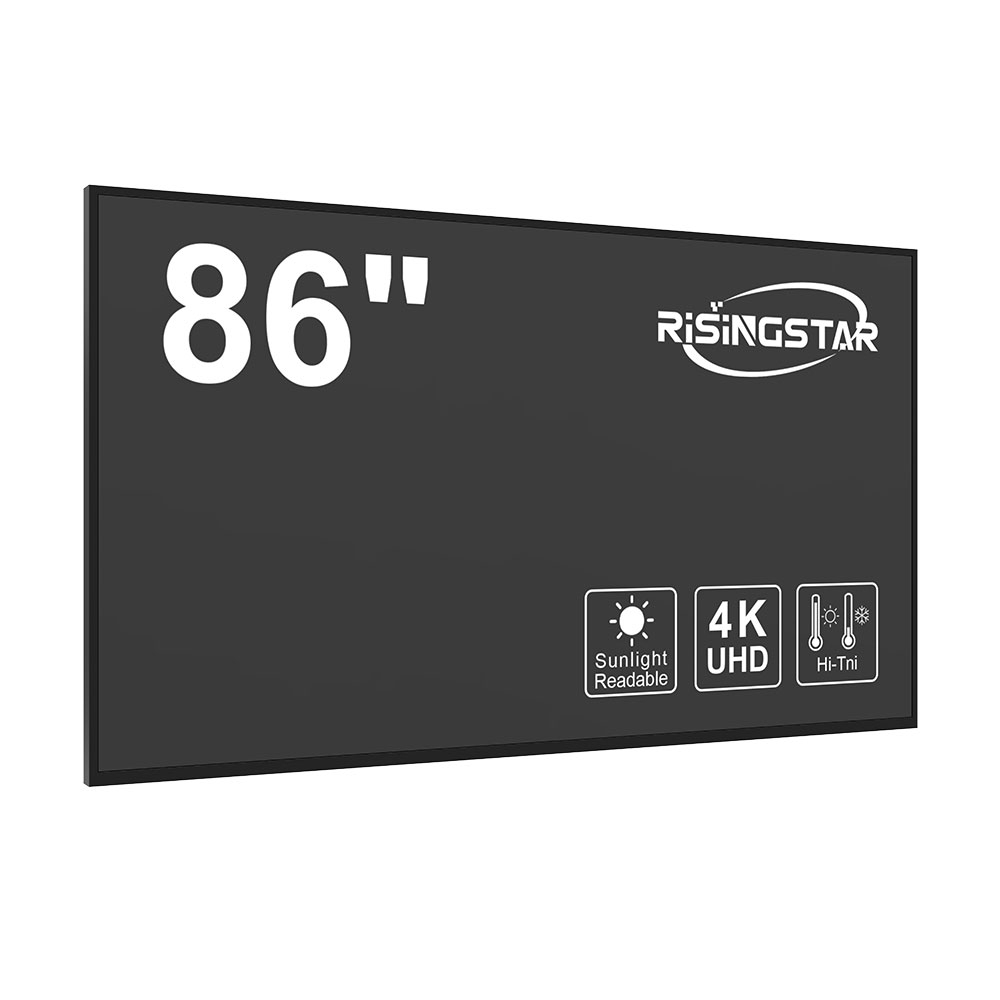
High-brightness sunlight-readable LCD displays have become essential in modern industrial, military, and transportation environments where visibility under direct sunlight is critical. These specialized displays are engineered to maintain clarity and functionality even under intense solar radiation—typically exceeding 100,000 lux in full daylight conditions. Unlike standard LCDs that suffer from glare, contrast loss, and reduced readability in outdoor settings, sunlight-readable displays incorporate advanced optical technologies, high-luminance backlights, and anti-glare coatings to ensure consistent performance across diverse lighting scenarios.
The core challenge in designing such displays lies in balancing brightness, power efficiency, and durability. Industry standards like MIL-STD-810G and ISO 16750 define environmental resilience requirements for ruggedized electronics, including temperature extremes, humidity, shock, and vibration resistance. High-brightness LCDs must meet these specifications while delivering a peak brightness of at least 5,000 nits—often reaching 7,000–10,000 nits for extreme outdoor use. This level of luminance far exceeds the typical 250–400 nits found in consumer-grade screens.
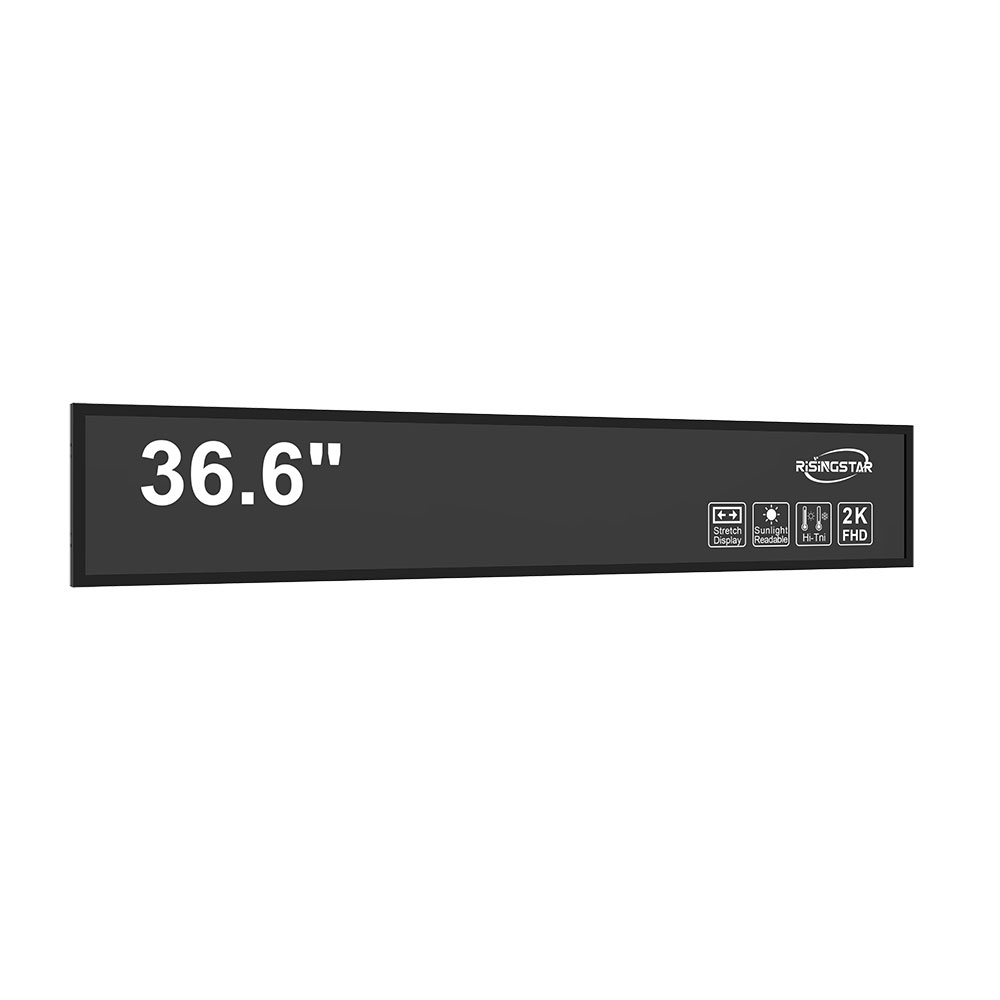
Manufacturers achieve this through several key innovations. First, enhanced backlight systems, such as LED arrays with dynamic dimming algorithms, provide uniform illumination without excessive power draw. Second, polarizer films and diffusers minimize ambient light reflection by using micro-louvered structures or nano-textured surfaces. Third, optically bonded glass layers reduce internal reflections between display panels and cover glass—a technique widely used in aviation and military displays. Case studies from companies like Eizo, LG Display, and Novatek show that optically bonded displays can improve contrast ratios by up to 30% in direct sunlight.
Another critical factor is the use of wide-viewing-angle technologies like IPS (In-Plane Switching) or AHVA (Advanced Hyper View Angle), which maintain color accuracy and brightness across various angles—a necessity for multi-user interfaces in vehicle dashboards or control rooms. Additionally, newer models now integrate adaptive brightness sensors that automatically adjust luminance based on ambient light levels, optimizing both visibility and battery life in mobile applications such as drones, construction equipment, and emergency response vehicles.
From an engineering perspective, the thermal management of high-brightness displays remains a significant concern. Excessive heat generated by powerful LEDs can degrade display lifespan and cause image retention. Therefore, effective heat dissipation solutions—such as aluminum heat sinks, thermal interface materials, and active cooling—are increasingly integrated into industrial designs. For example, a 2023 study published in IEEE Transactions on Components, Packaging and Manufacturing Technology highlighted a 15% improvement in long-term reliability when passive thermal design was combined with intelligent brightness regulation.
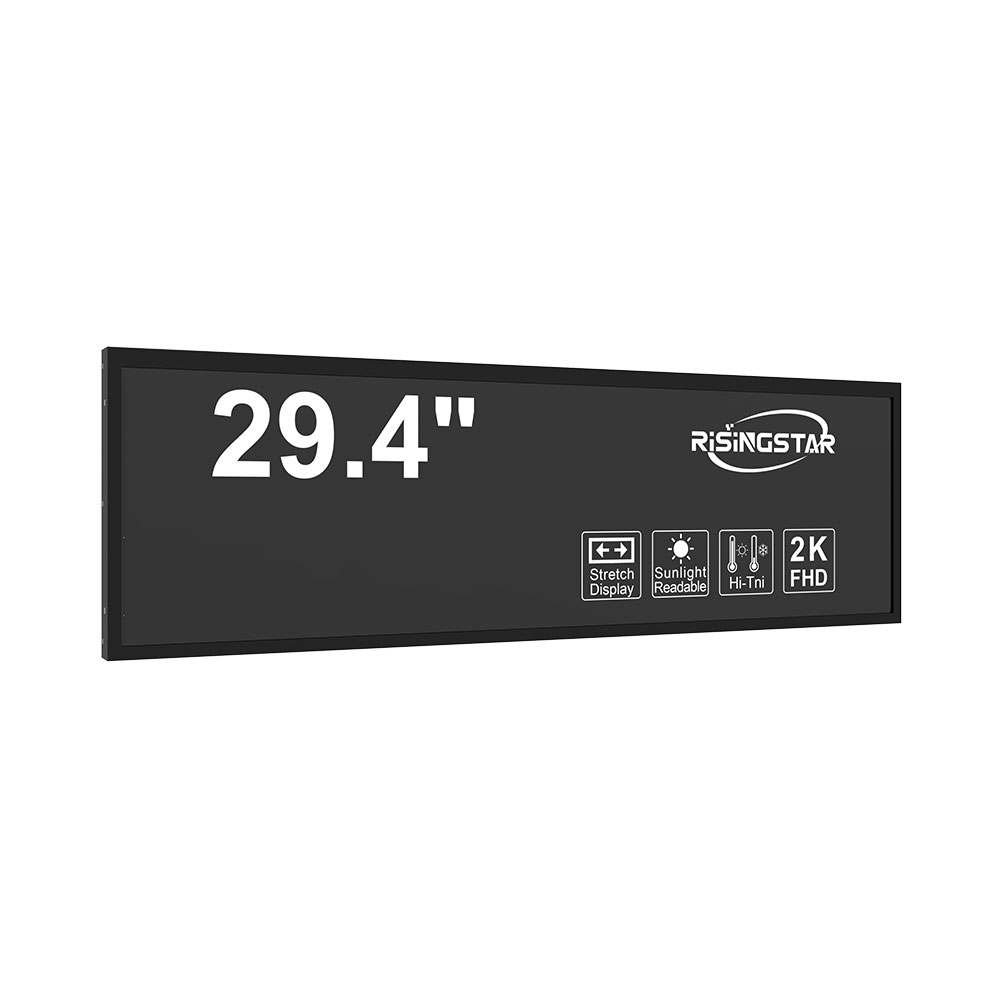
In conclusion, high-brightness sunlight-readable LCDs are not just incremental upgrades—they represent a fundamental shift in how we design human-machine interfaces for real-world environments. With ongoing advancements in materials science, optical engineering, and AI-driven adaptive systems, these displays are poised to support next-generation applications in smart cities, autonomous vehicles, and remote monitoring systems. Their ability to function reliably under harsh conditions makes them indispensable across defense, logistics, energy, and public infrastructure sectors worldwide.