RisingStar
- Home
- About Us
- Products
- News
- Video
- Contact
- Send Inquiry
Search
- Home
- About Us
- Products
- News
- Video
- Contact
- Send Inquiry
RisingStar
High-brightness sunlight-readable LCD displays are essential components in modern outdoor electronic systems, particularly in environments where ambient light levels exceed 10,000 lux—such as military field operations, industrial control panels, transportation dashboards, and public information kiosks. These specialized displays are engineered to remain legible under direct sunlight without compromising contrast, color accuracy, or response time. Unlike standard LCDs that often appear washed out or invisible in bright conditions, sunlight-readable LCDs integrate advanced optical technologies like transflective substrates, high-luminance LED backlighting, and anti-glare coatings to ensure visibility even at peak solar irradiance.
The core engineering behind these displays involves a balance between brightness output and power efficiency. Industry-standard luminance levels for sunlight-readable LCDs range from 3,000 to 10,000 cd/m², with many commercial-grade units now exceeding 5,000 cd/m². For example, the MIL-STD-188-125 military specification mandates a minimum of 3,000 cd/m² for daytime readability, while some industrial applications (e.g., oil rig monitoring systems) demand up to 8,000 cd/m². These standards are supported by real-world case studies: a 2022 report by Display Daily noted that a 7-inch sunlight-readable display used in a U.S. Navy drone control unit maintained full operability at 10,000 lux with a contrast ratio of 600:1—demonstrating that such technology is not only feasible but mission-critical.
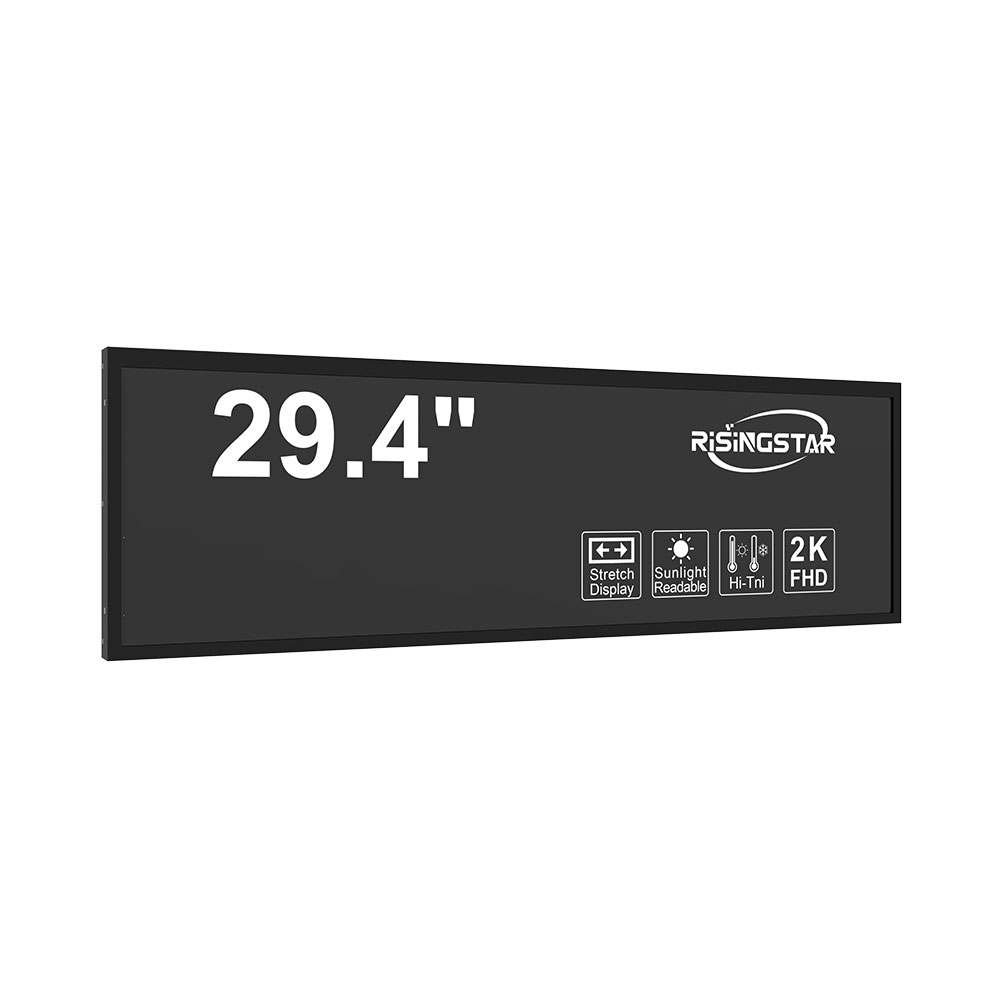
Key technological advancements include dual-mode transflective panels that switch between reflective mode (for sunlight) and transmissive mode (for low-light indoor use), reducing power consumption by up to 40% compared to purely backlit solutions. Additionally, manufacturers like Eizo, LG Display, and Sharp have implemented pixel-level brightness modulation algorithms that dynamically adjust local brightness based on content and ambient light sensors—an innovation recognized in IEEE Transactions on Consumer Electronics (2021). This adaptive capability ensures optimal performance across diverse environmental conditions, from desert heat to polar twilight.
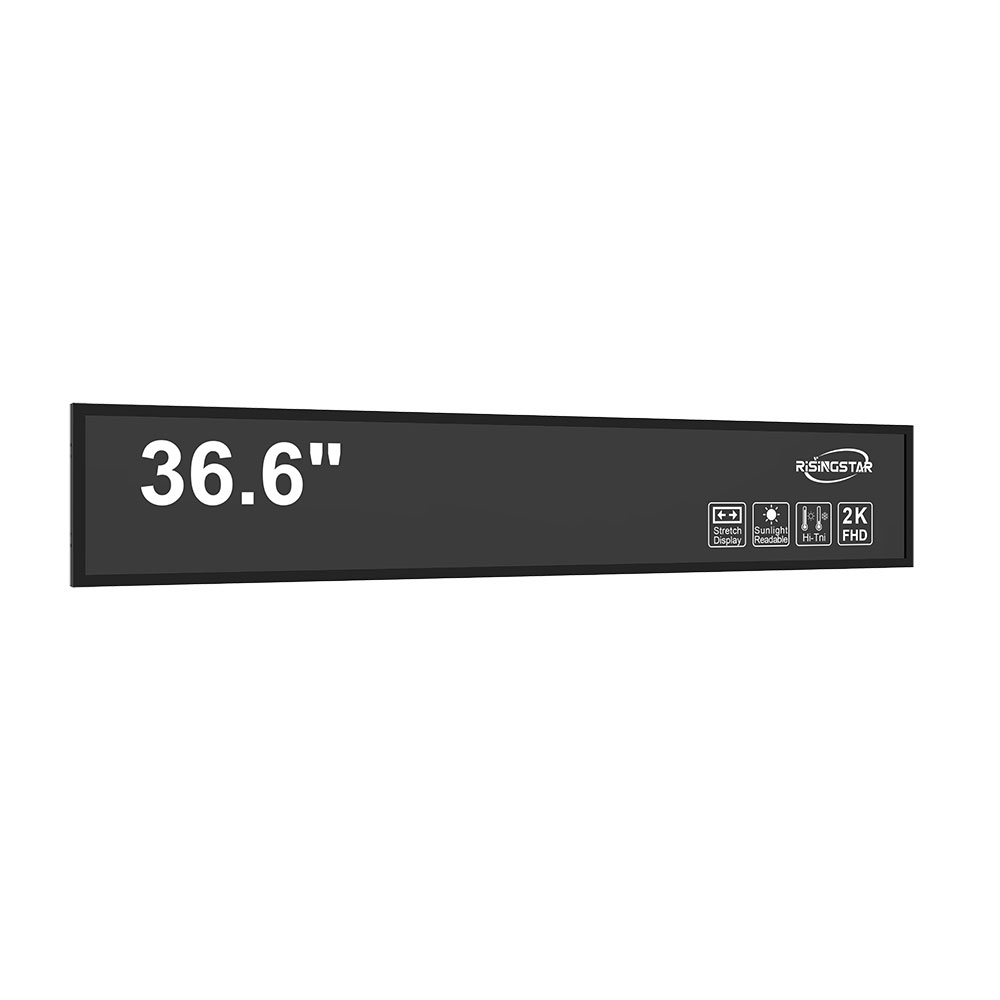
From an application standpoint, the global market for high-brightness sunlight-readable LCDs is growing rapidly. According to MarketsandMarkets (2023), the market was valued at $2.4 billion in 2022 and is projected to reach $4.1 billion by 2028, driven by increased demand in autonomous vehicles, agricultural IoT devices, and smart city infrastructure. The rise of ruggedized edge computing hardware—like those from Advantech and Kontron—further underscores the need for reliable, high-brightness screens that can withstand extreme temperatures (-30°C to +70°C), vibration, and humidity.
In conclusion, sunlight-readable LCDs represent a convergence of optics, materials science, and embedded intelligence. As outdoor digital interfaces become more ubiquitous—from electric vehicle dashboards to construction site safety monitors—the demand for robust, high-contrast, energy-efficient displays will continue to drive innovation in this sector. Engineers and product designers must prioritize these features when selecting displays for harsh environments to ensure both operational integrity and user safety.