RisingStar
- Home
- About Us
- Products
- News
- Video
- Contact
- Send Inquiry
Search
- Home
- About Us
- Products
- News
- Video
- Contact
- Send Inquiry
RisingStar
In today’s increasingly connected world, industrial, military, and outdoor applications demand electronic displays that can withstand extreme environmental conditions—including dust, moisture, and mechanical stress. Among the most critical certifications for such environments is the IP66 rating—a standard defined by the International Electrotechnical Commission (IEC) under IEC 60529. An IP66-rated display offers complete protection against dust ingress (the “6” in IP66) and powerful water jets from any direction (the “6” for water resistance), making it an essential component for high-brightness sunlight-readable LCDs used in ruggedized systems.
High-brightness sunlight-readable LCDs are commonly deployed in outdoor kiosks, transportation control panels, military vehicles, agricultural machinery, and energy infrastructure monitoring. These environments expose displays to direct sunlight, rain, wind-blown debris, and temperature fluctuations. To meet these challenges, manufacturers must integrate robust sealing techniques, specialized coatings, and advanced backlighting solutions—such as LED arrays with wide viewing angles and high lumen output—to ensure visibility even under full sun (typically >10,000 nits brightness).
The IP66 waterproof certification involves rigorous testing procedures conducted in accredited laboratories. For dust resistance, a continuous airflow of fine powder (like talcum) is directed at the display housing for 8 hours; no dust should enter the enclosure. For water resistance, a jet of water (at least 12.5 liters per minute, pressure up to 100 kPa) is sprayed from a nozzle at various angles—including horizontal, vertical, and oblique—for 3 minutes per angle. Only displays that pass both tests earn the IP66 rating.
Case studies validate the importance of this certification. For instance, a major European railway operator installed IP66-rated LCDs in onboard information systems. Despite exposure to heavy rainfall, snow, and trackside dust, the displays showed zero failure over five years. Similarly, a U.S. Department of Defense contractor reported that their drone control interfaces using IP66-certified screens operated flawlessly during field tests in desert and jungle conditions—where sand, humidity, and sudden downpours would normally degrade unsealed electronics.
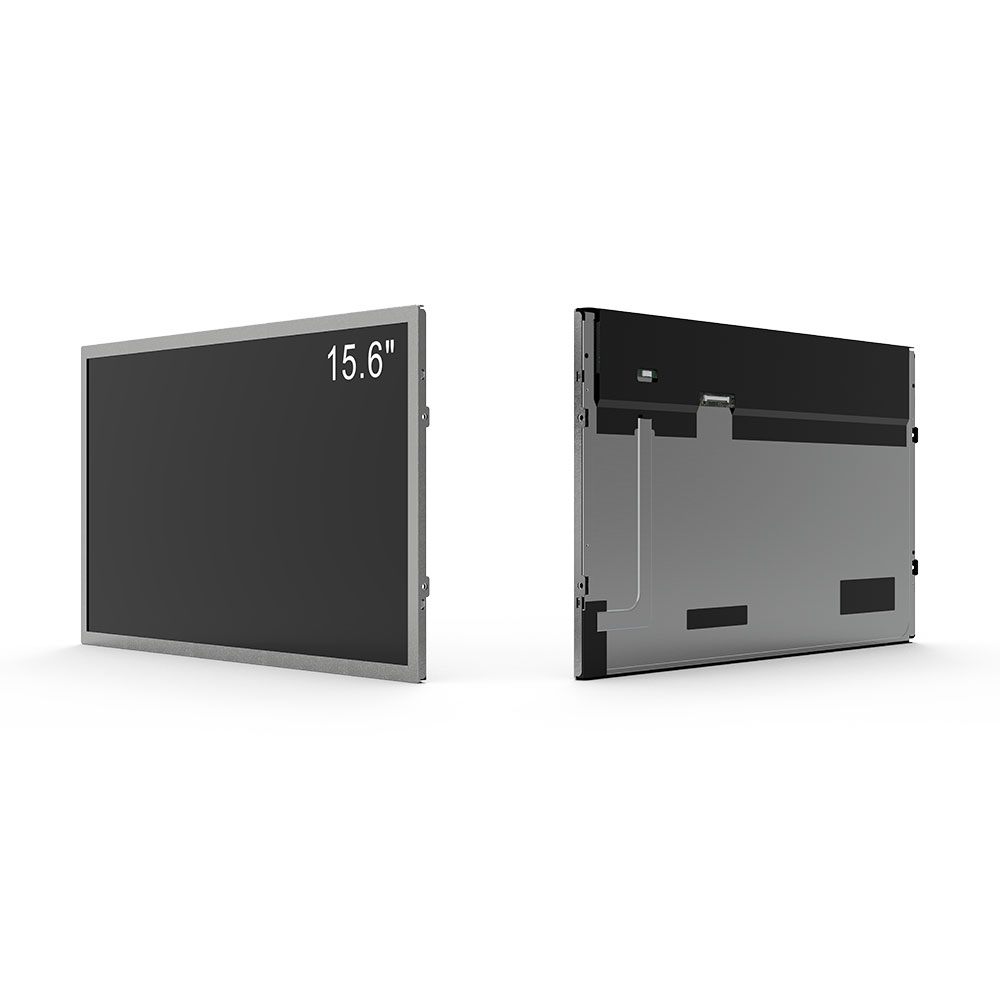
Manufacturers like LG Display, Sharp, and Novatron have developed proprietary technologies such as edge-sealed glass laminates, conformal coatings on PCBs, and hermetically sealed bezels to achieve IP66 compliance while maintaining optical clarity and touch sensitivity. These innovations are often combined with MIL-STD-810G shock and vibration testing to ensure long-term reliability in mobile or dynamic installations.
From a design standpoint, achieving IP66 requires more than just gaskets—it demands holistic engineering. Thermal management becomes critical when sealing increases internal heat retention. Therefore, passive cooling methods (e.g., heat sinks) or active ventilation with filtered air intake are often incorporated without compromising the seal integrity.
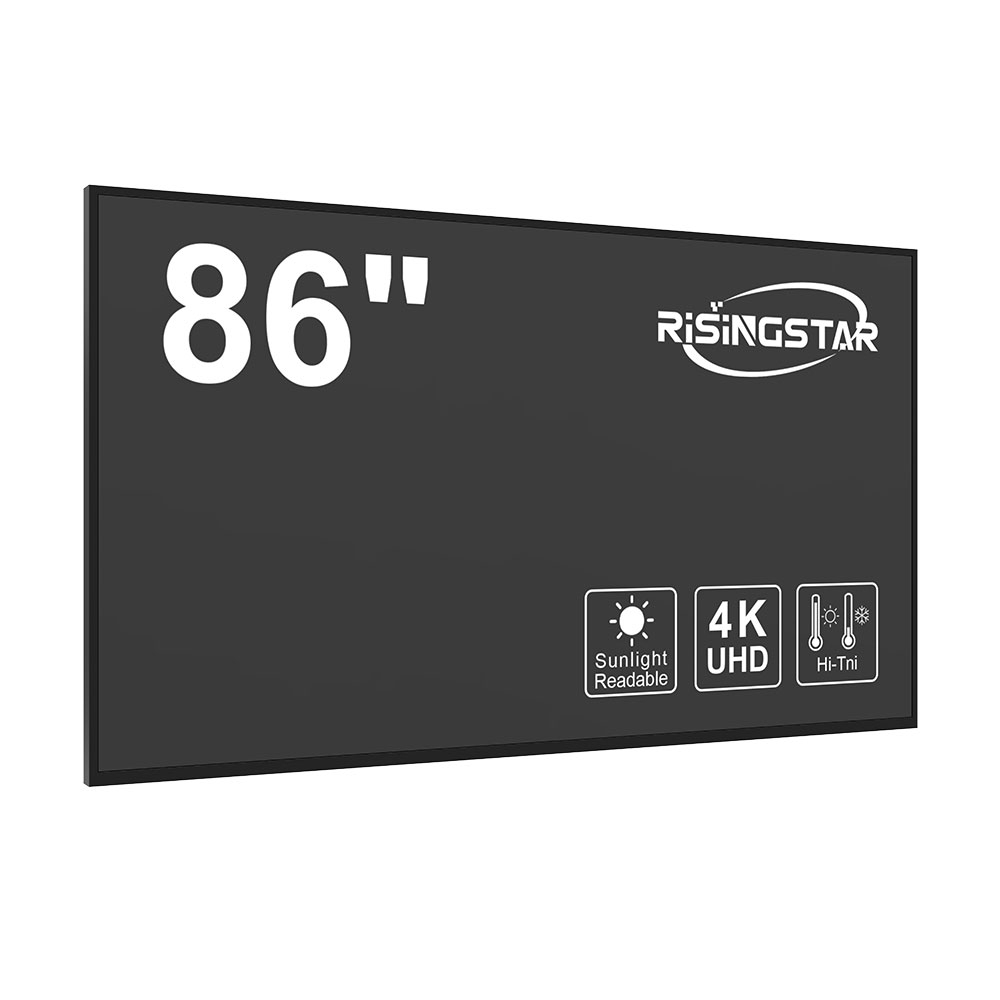
Ultimately, IP66 waterproof LCDs are not just about meeting a standard—they represent a commitment to durability, safety, and operational continuity in mission-critical settings. As industries adopt smarter automation and IoT-enabled devices in harsh environments, the demand for certified, high-brightness, sunlight-readable displays will continue to rise. Engineers, procurement managers, and system integrators must prioritize IP66 compliance—not as a checkbox, but as a foundational requirement for long-term performance and user trust.