RisingStar
- Home
- About Us
- Products
- News
- Video
- Contact
- Send Inquiry
Search
- Home
- About Us
- Products
- News
- Video
- Contact
- Send Inquiry
RisingStar
In today’s global industrial landscape, the demand for reliable, high-brightness sunlight-readable LCD displays is accelerating—especially among overseas equipment manufacturers and distributors serving outdoor, mobile, or harsh-environment applications. Whether it's construction machinery, agricultural vehicles, military hardware, or utility infrastructure, these industries require displays that perform consistently under direct sunlight, extreme temperatures, and mechanical stress.
The core challenge lies in achieving readability at over 5,000 nits of brightness while maintaining power efficiency, color accuracy, and long-term durability. Unlike consumer-grade displays designed for indoor use, industrial-grade sunlight-readable LCDs must adhere to stringent standards such as MIL-STD-810 (military environmental testing), IP65/IP67 (dust and water resistance), and IEC 60068 (climate and mechanical shock). These certifications ensure performance in real-world conditions like desert heat (up to 70°C), sub-zero cold (-40°C), and vibration from heavy machinery.
One proven solution is the use of transflective liquid crystal technology—a hybrid approach that combines reflective and transmissive modes. In bright daylight, the display uses ambient light like a traditional reflective screen, consuming minimal power; when ambient light drops, it switches seamlessly to backlighting. This dual-mode operation reduces power consumption by up to 60% compared to fully backlit displays, which is critical for battery-powered devices.
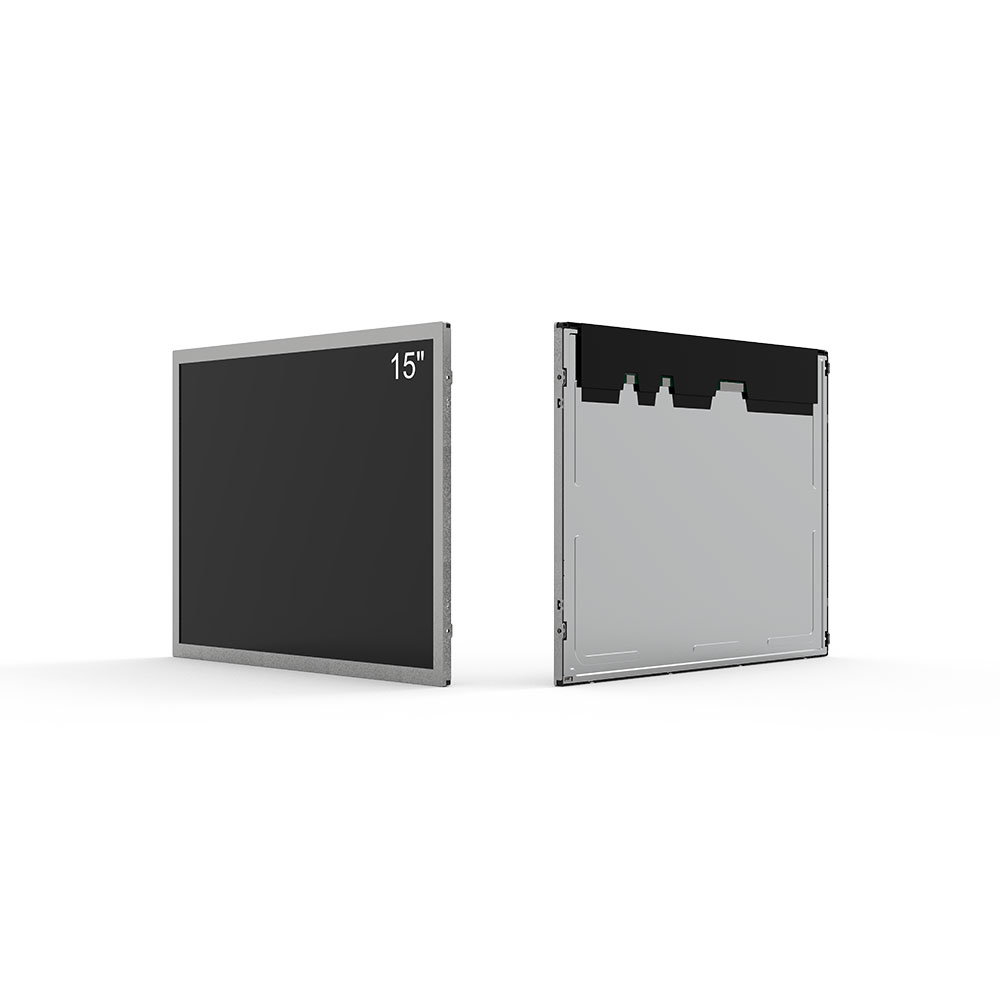
Another key innovation is the integration of advanced optical bonding techniques. By eliminating air gaps between the display panel and protective cover glass using optically clear adhesives (OCA), manufacturers significantly reduce internal reflections and improve contrast ratios—even in full sun. Studies by Corning and LG Display show that bonded displays increase effective brightness by 20–30% compared to un-bonded counterparts.
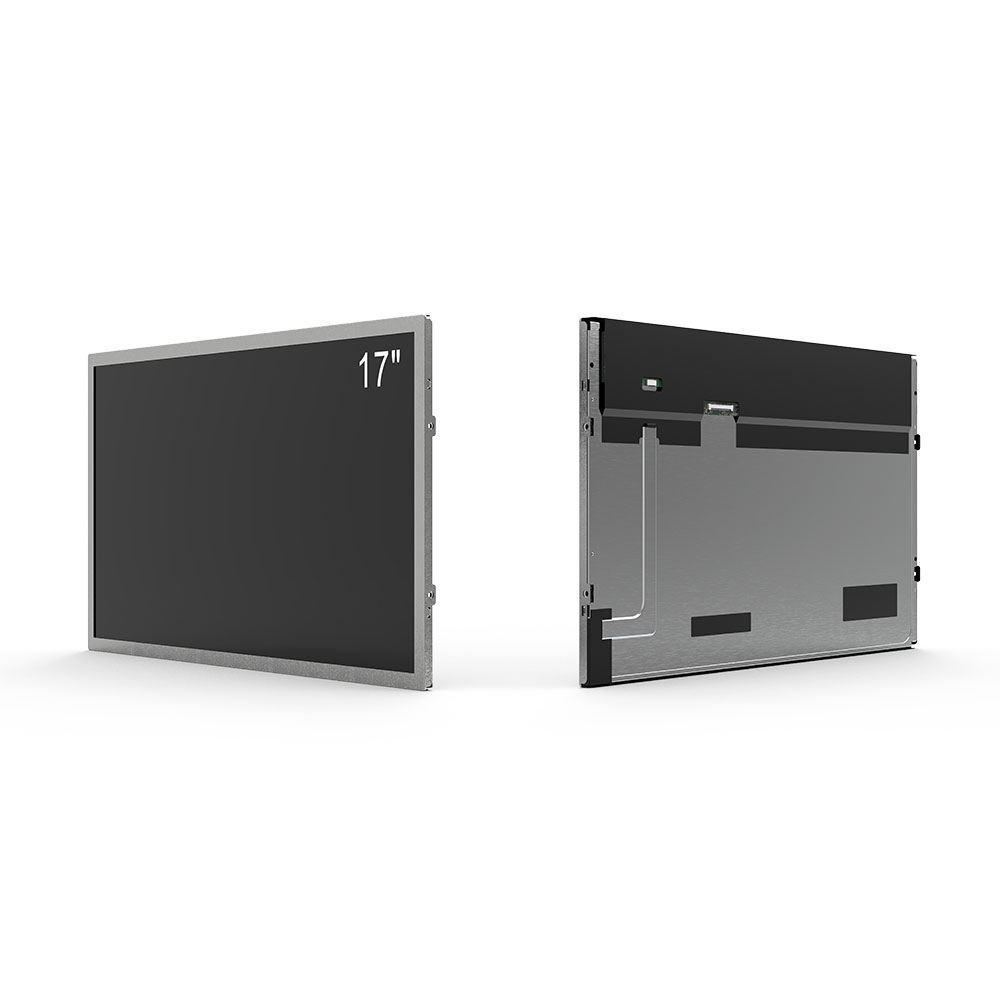
For overseas distributors, selecting the right supplier means prioritizing compliance with international standards like RoHS (Restriction of Hazardous Substances), REACH (chemical safety), and CE/FCC (electromagnetic compatibility). Partnering with certified OEMs ensures smooth regulatory approval across EU, North America, and Asia-Pacific markets.
Case studies from companies like Bosch Rexroth and Caterpillar demonstrate that integrating high-brightness sunlight-readable displays into their control panels reduced field service calls by 45% due to improved visibility and reduced glare-related errors. Additionally, custom firmware solutions from vendors like Novatek and E Ink allow dynamic brightness adjustment based on ambient light sensors—further optimizing energy use without compromising clarity.
As global markets expand into solar-rich regions such as the Middle East, Australia, and South Africa, manufacturers must future-proof their designs with adaptive display technologies. The next generation of sunlight-readable LCDs will likely incorporate AI-driven ambient light algorithms, micro-LED backlighting, and even flexible OLED variants optimized for rugged environments.
For overseas equipment manufacturers and distributors, investing in high-quality, certified sunlight-readable LCDs isn't just about performance—it's about reliability, compliance, and competitive differentiation in demanding outdoor applications.