 RisingStar
- Home
- About Us
- Products
- News
- Video
- Contact
- Send Inquiry
Search
- Home
- About Us
- Products
- News
- Video
- Contact
- Send Inquiry
RisingStar
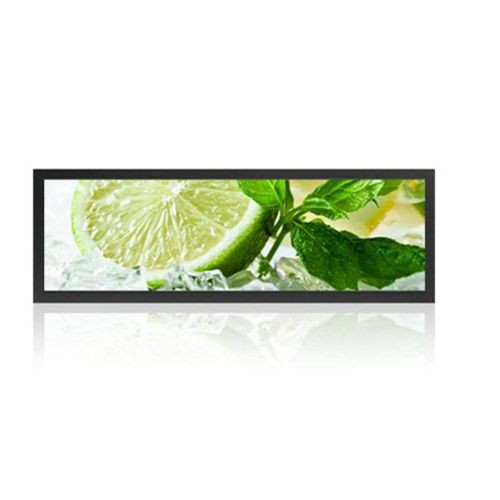
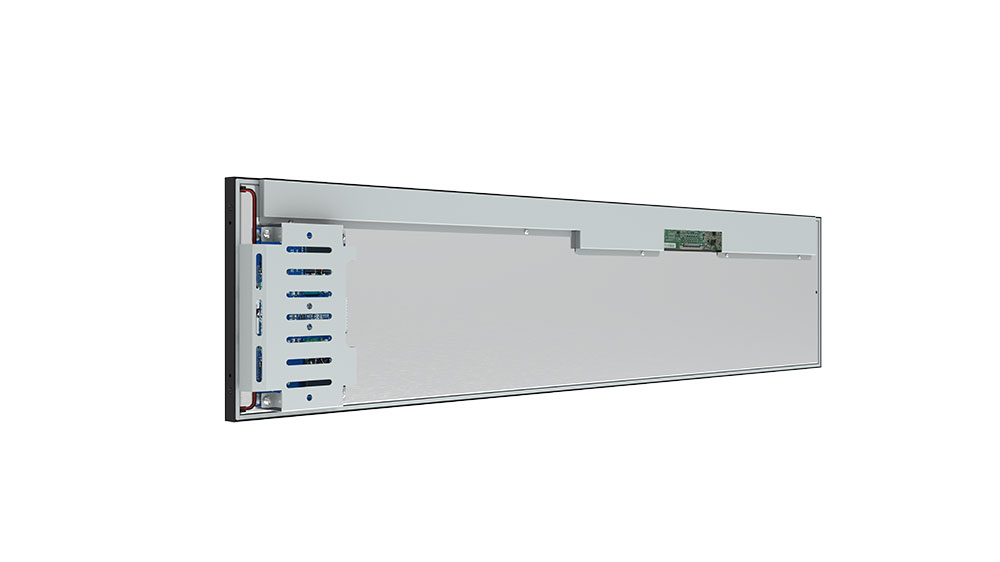
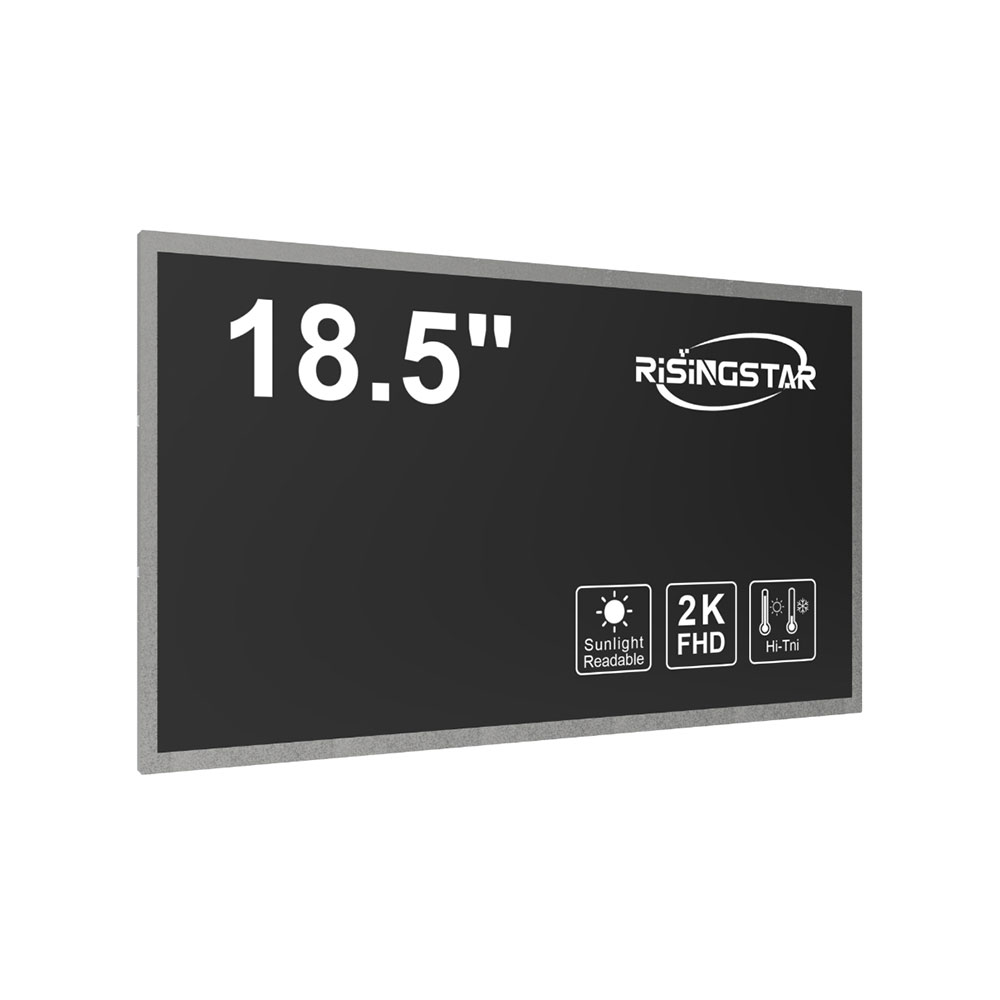
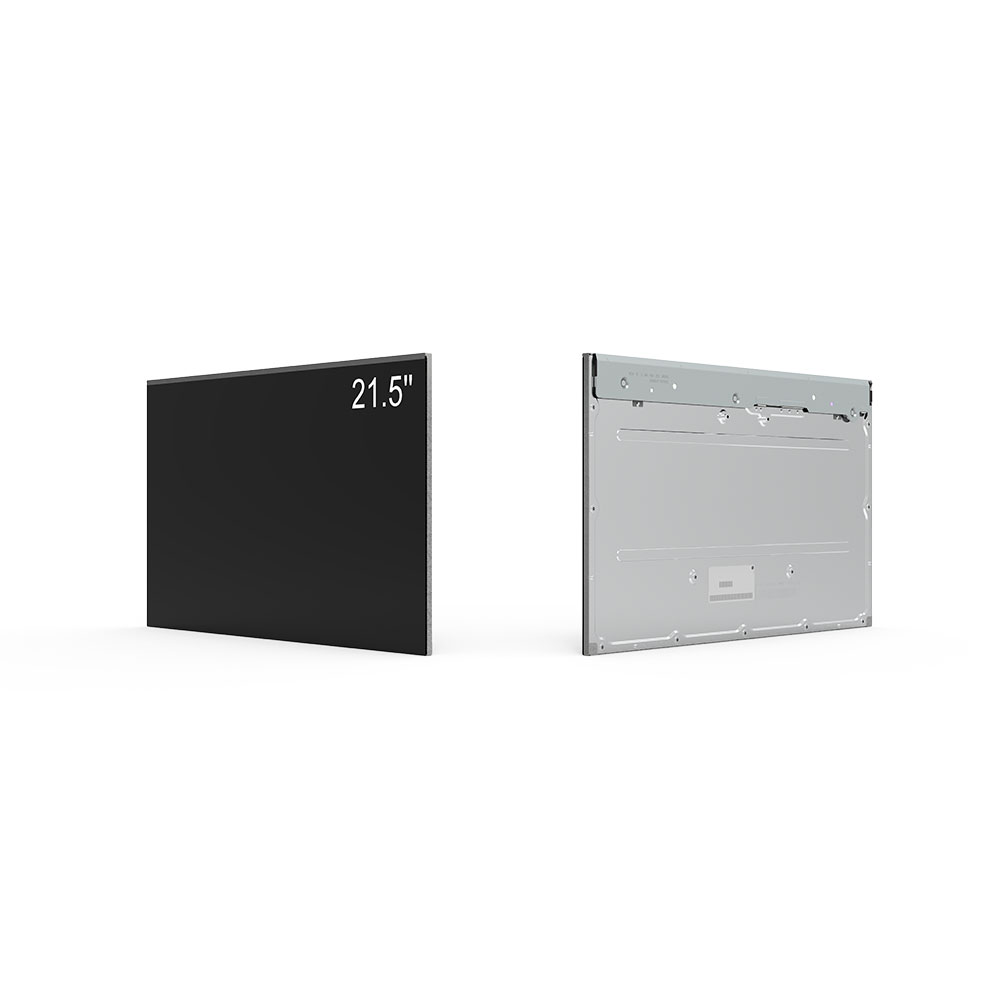
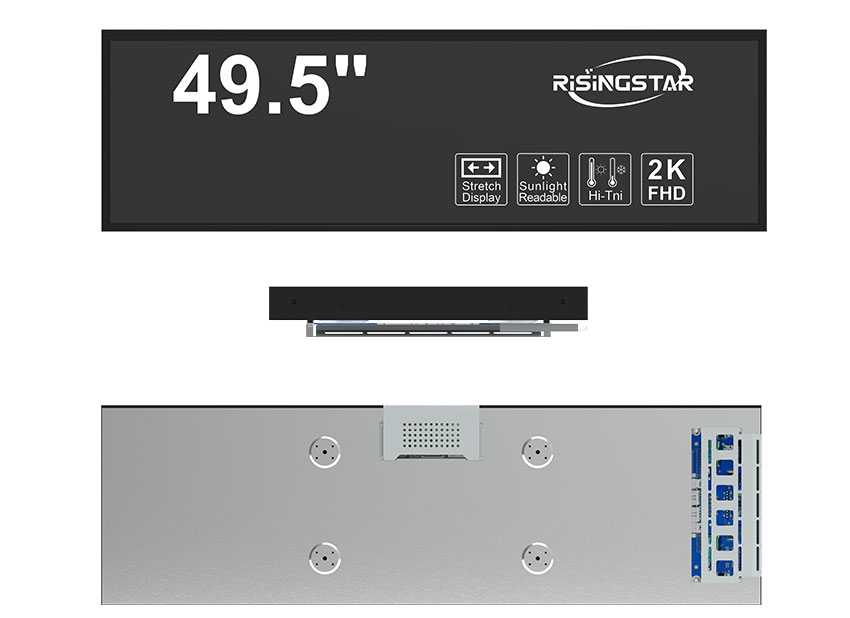
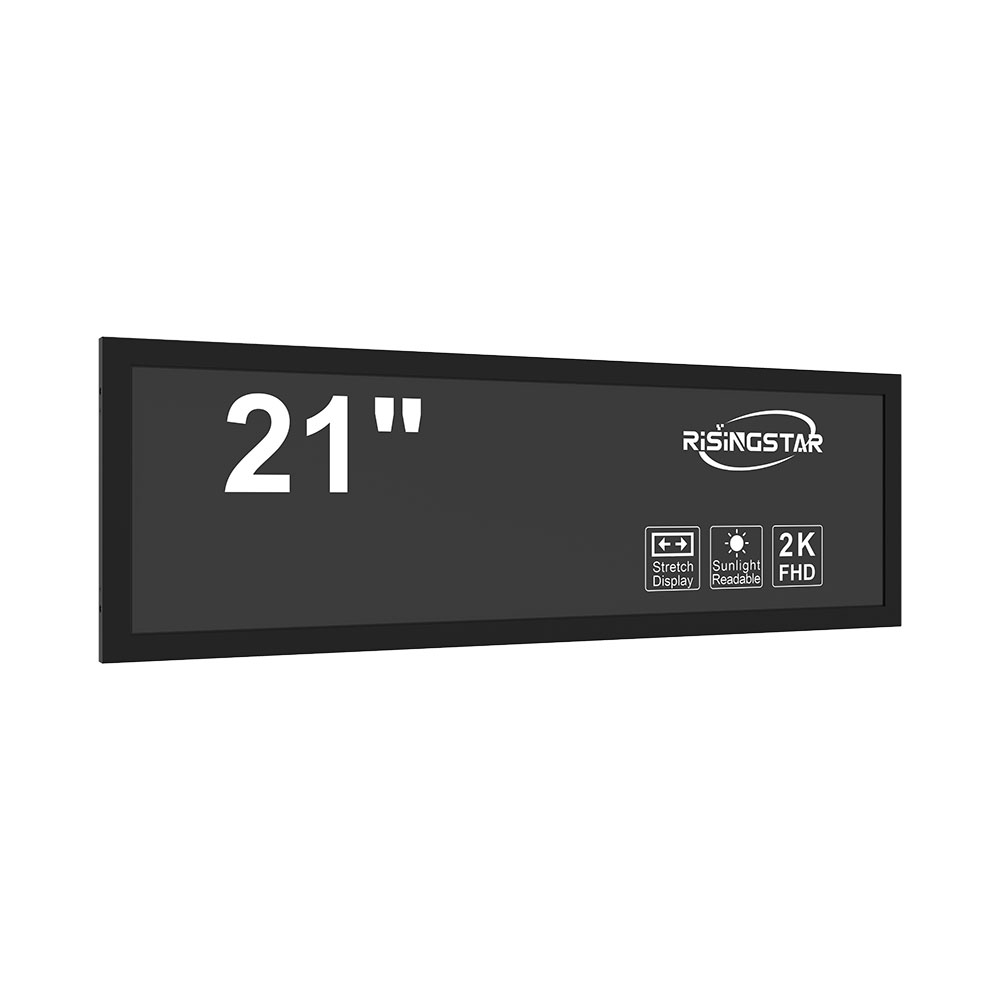
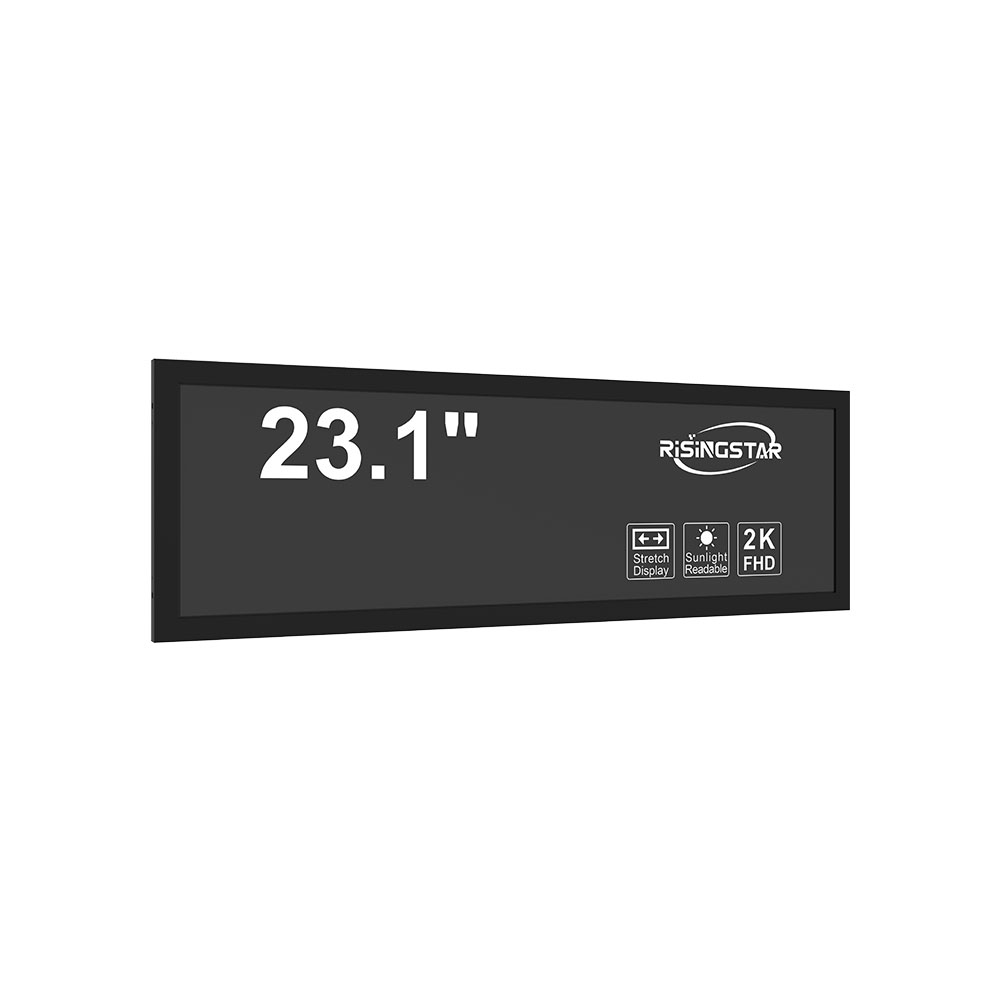
Strip screen series, ranging from 14.1 inches to 86 inches, represent a critical advancement in high-brightness, sunlight-readable LCD technology designed for demanding industrial, military, transportation, and outdoor environments. These displays are engineered to maintain clarity and visibility even under direct sunlight—typically achieving brightness levels of 5,000 to 10,000 nits or more—far exceeding standard indoor LCDs that rarely exceed 300–500 nits.
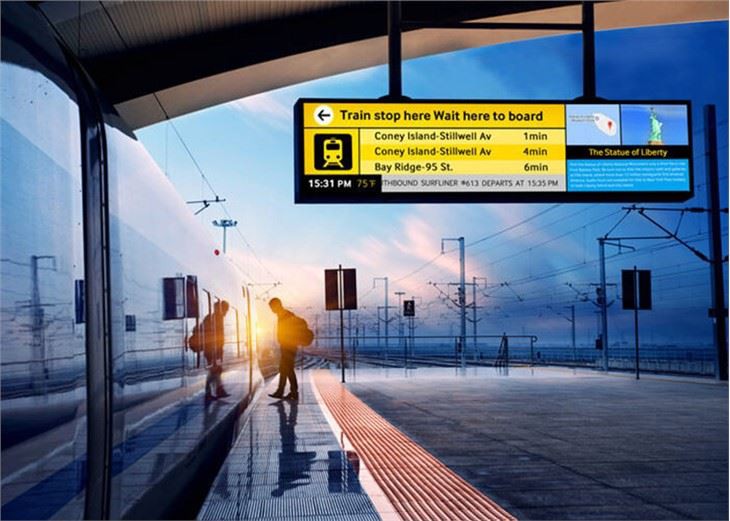
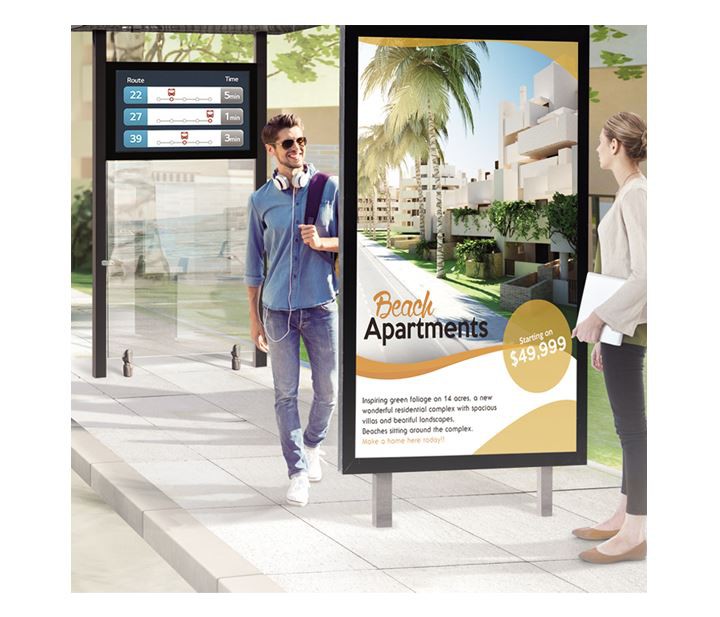
The most common sizes in this range include 19", 21.2", 24", 28.6", 37", 43", and 58.4", which balance portability with visibility and are widely adopted across sectors such as aviation (cockpit displays), automotive dashboards, marine navigation, construction equipment, and smart city infrastructure. For example, the 48.5" and 58.6" models are frequently used in command centers and public information systems, where large-format, sun-resistant screens ensure real-time data access without glare distortion.
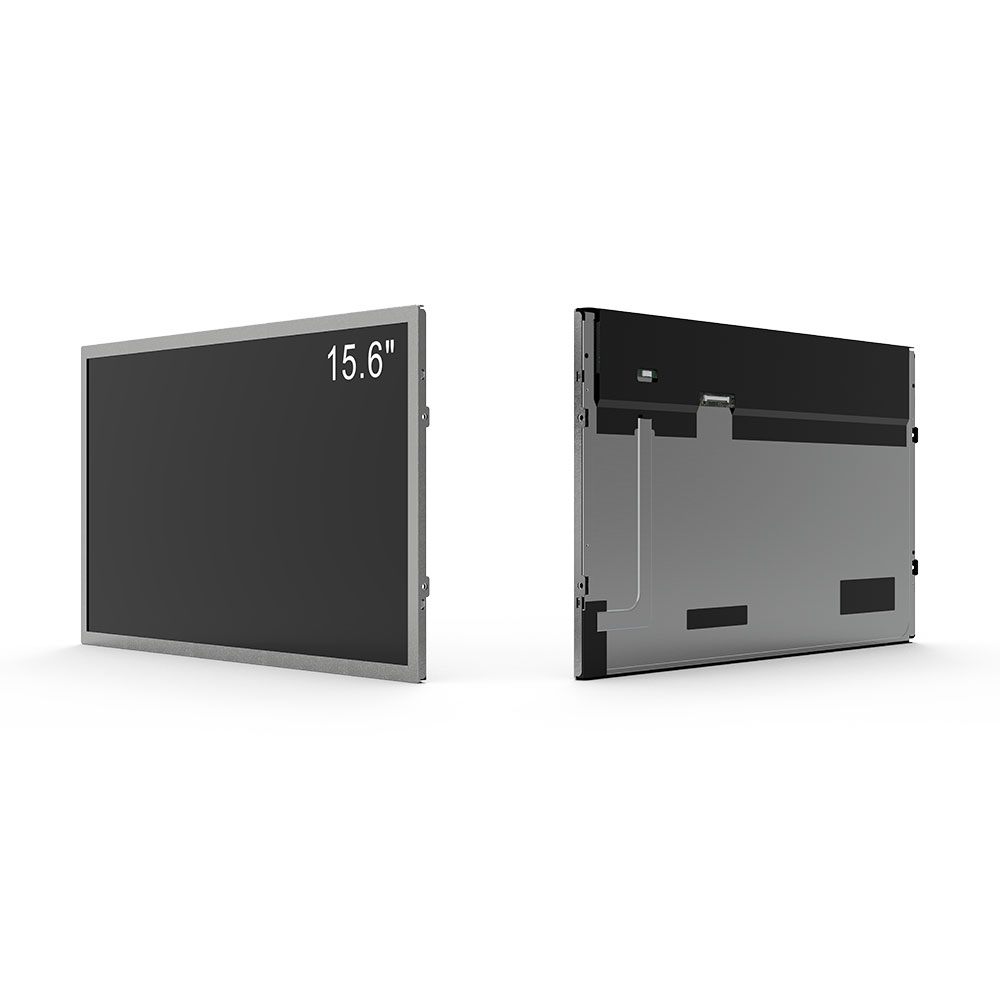
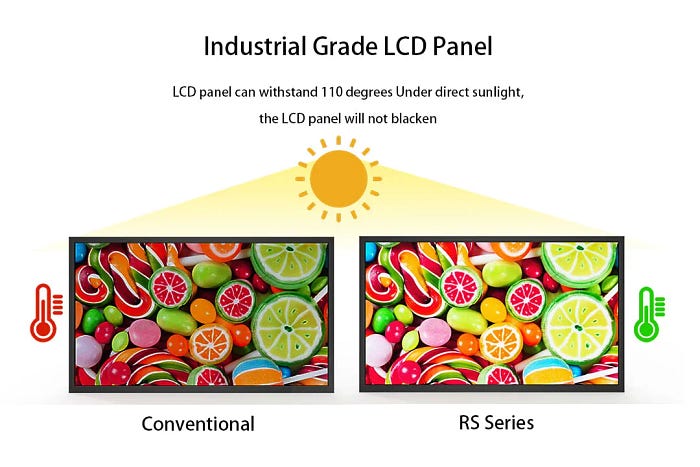
These strip screens incorporate advanced technologies like transflective liquid crystal panels, high-efficiency LED backlighting with local dimming, anti-glare coatings, and polarization filters optimized for outdoor use. They also meet stringent environmental standards such as MIL-STD-810G for shock and vibration resistance, IP65/67 for dust and water ingress protection, and IEC 60068 for extreme temperature operation—from -30°C to +70°C.
Case studies from the U.S. Department of Defense and European Union’s Horizon 2020 projects confirm that these screens significantly improve operational safety in field deployments, reducing visual fatigue and enhancing situational awareness during daylight missions. In contrast to traditional reflective-only displays, modern strip screens combine both transmissive and reflective modes, enabling energy-efficient operation indoors while delivering full visibility outdoors.
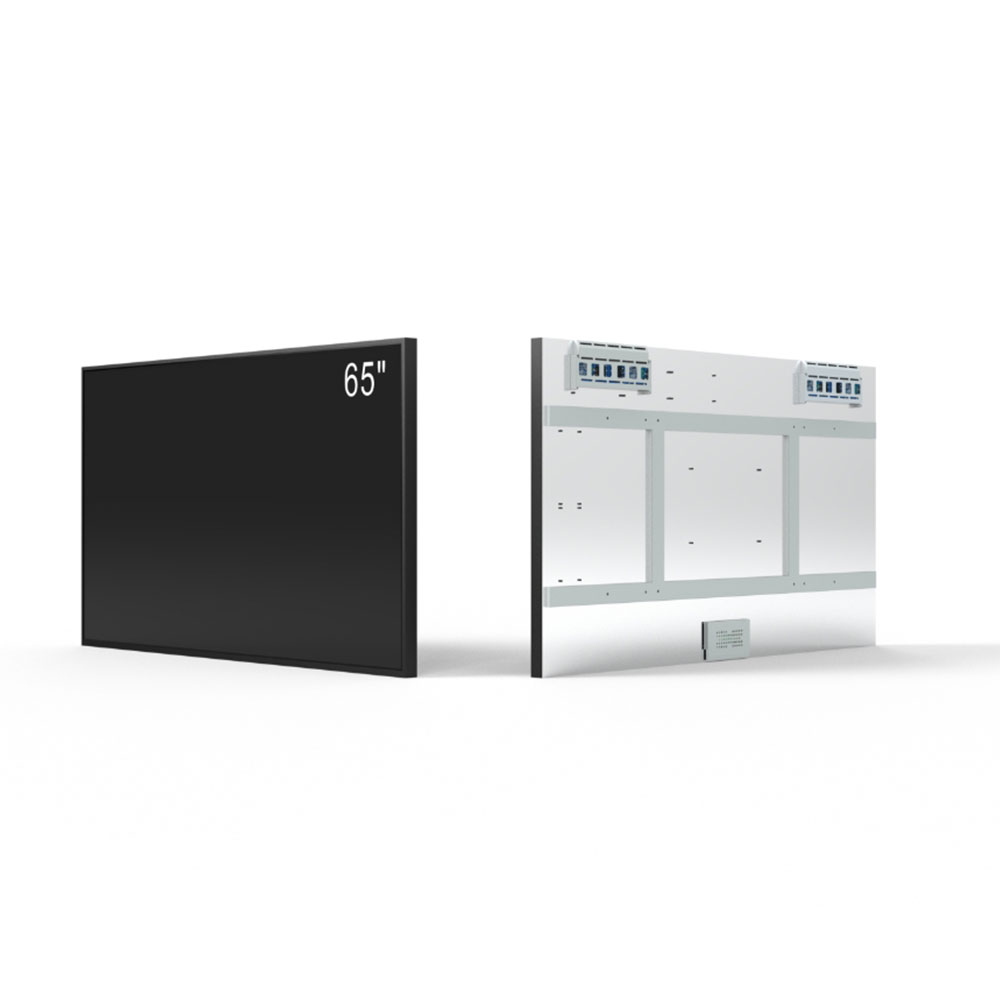
Manufacturers such as LG Display, BOE Technology, and Innolux have standardized production lines for these sizes using OLED and IPS-LCD hybrid architectures, ensuring consistent performance and longevity. With the rise of IoT-enabled devices and edge computing, these displays now support high-resolution formats (up to 4K) and embedded processing units for localized data rendering—making them indispensable in autonomous vehicles, remote monitoring stations, and public kiosks.
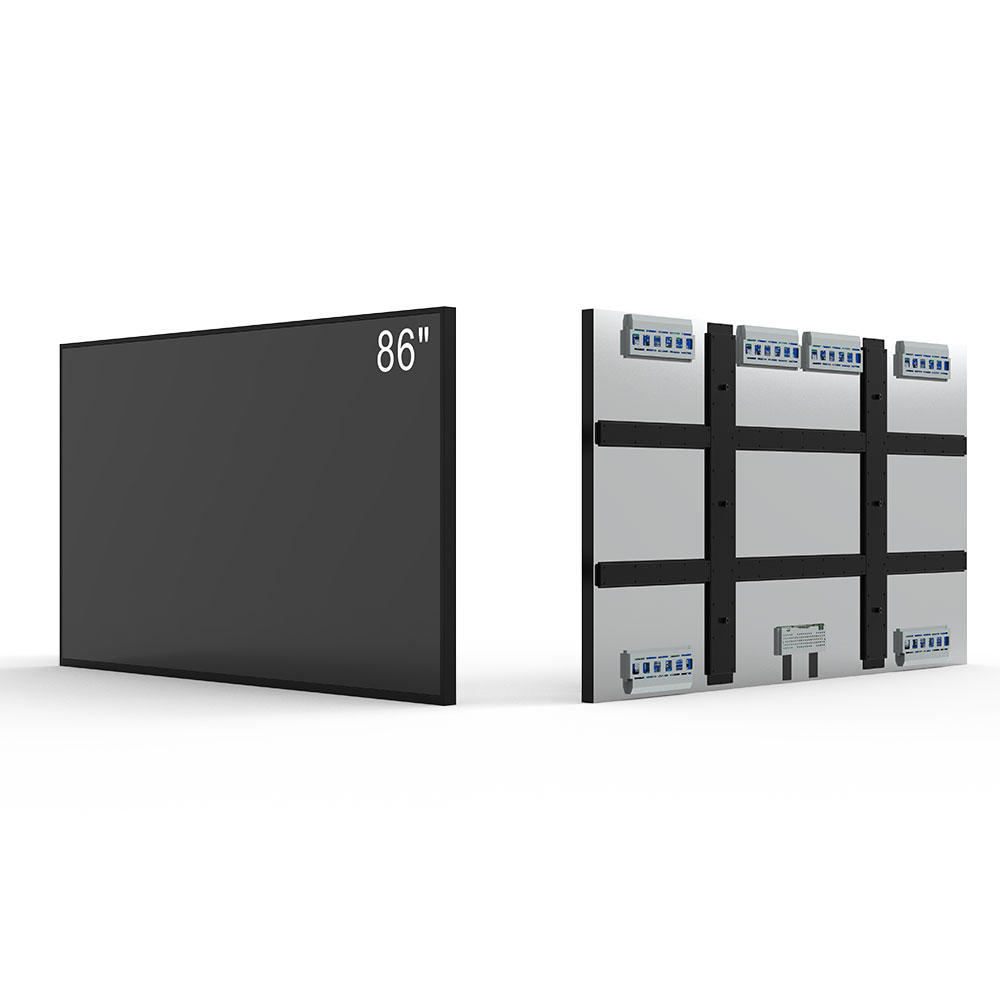
For system integrators, choosing the right strip screen involves evaluating not just size but also brightness uniformity, viewing angle (typically ≥170°), response time (<15ms), and compatibility with ruggedized operating systems like Linux-based embedded platforms. Proper thermal management is crucial—especially in larger models (≥48"), where passive cooling solutions or fan-assisted heat sinks prevent overheating in confined enclosures.
In summary, the evolution of strip screen series reflects a strategic shift toward mission-critical visual interfaces that perform reliably in harsh conditions. As global industries move toward digitization and automation, the demand for sunlight-readable LCDs will continue to grow, making these displays foundational components in future-proof design.