RisingStar
- Home
- About Us
- Products
- News
- Video
- Contact
- Send Inquiry
Search
- Home
- About Us
- Products
- News
- Video
- Contact
- Send Inquiry
RisingStar
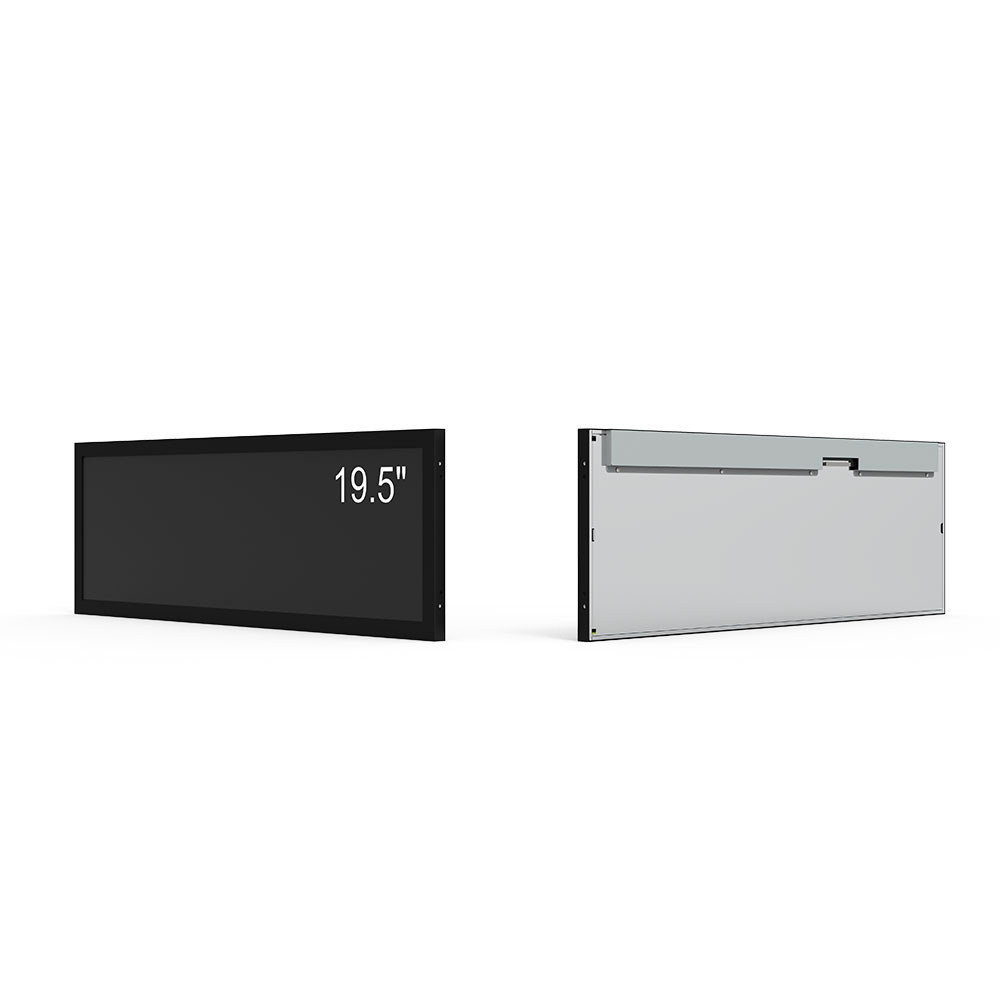
High-brightness sunlight-readable LCD screens have become essential in modern outdoor display technology, particularly in military, industrial, transportation, and consumer electronics sectors. These displays are engineered to maintain visibility under direct sunlight—often exceeding 5,000 nits of brightness—making them indispensable in environments where ambient light levels are unpredictable or extremely high. The key technological components include advanced backlighting systems (such as LED arrays with local dimming), polarized filters, anti-glare coatings, and optimized liquid crystal materials that reduce reflectance and enhance contrast ratios.
Practical applications span from tactical military displays in armored vehicles and handheld command units to public transit information boards, construction site monitoring systems, and even consumer-grade devices like ruggedized tablets used in agriculture or emergency response. In the transportation sector, companies such as Siemens and Alstom integrate these displays into train control panels, ensuring clear readability during daytime operations—even under intense solar exposure. According to a 2023 report by MarketsandMarkets, the global market for high-brightness LCDs is projected to grow at a CAGR of 7.8% through 2028, driven by increasing demand for ruggedized displays in IoT-enabled infrastructure.
Advantages of sunlight-readable LCDs go beyond mere brightness. They offer superior energy efficiency compared to older technologies like CRTs, improved durability against environmental stressors (e.g., temperature extremes, humidity, shock), and compatibility with touch interfaces for intuitive user interaction. For example, a study published in IEEE Transactions on Consumer Electronics (2022) demonstrated that modern high-brightness LCDs using dynamic backlight modulation can achieve up to 30% power savings while maintaining visual clarity in variable lighting conditions.
However, common problems persist, including thermal management challenges due to high-power LEDs, limited viewing angles in some models, and higher manufacturing costs compared to standard LCDs. A case study from Lockheed Martin’s integration of these screens into UAV (Unmanned Aerial Vehicle) ground control stations revealed that improper heat dissipation led to premature degradation of the backlight unit—a problem addressed by incorporating passive heat sinks and thermally conductive adhesives in newer designs.
Latest trends point toward the convergence of high-brightness LCDs with AI-enhanced display calibration systems. Companies like Sharp and LG are now embedding machine learning algorithms that automatically adjust luminance, color temperature, and contrast based on real-time ambient light measurements and user behavior patterns. Additionally, OLED-based alternatives are emerging, though they currently lag behind LCDs in terms of brightness consistency and longevity under prolonged sun exposure. Industry standards such as MIL-STD-810G and IEC 60068 continue to guide product development, ensuring compliance with extreme environmental performance requirements.
For engineers and procurement managers, selecting the right high-brightness LCD requires understanding not only peak brightness specs but also factors like operating temperature range, IP rating for dust/water resistance, and long-term reliability data from field testing. As smart cities, autonomous vehicles, and edge computing expand globally, the need for robust, sunlight-readable displays will only intensify—making this a critical area for ongoing innovation and investment.