RisingStar
- Home
- About Us
- Products
- News
- Video
- Contact
- Send Inquiry
Search
- Home
- About Us
- Products
- News
- Video
- Contact
- Send Inquiry
RisingStar
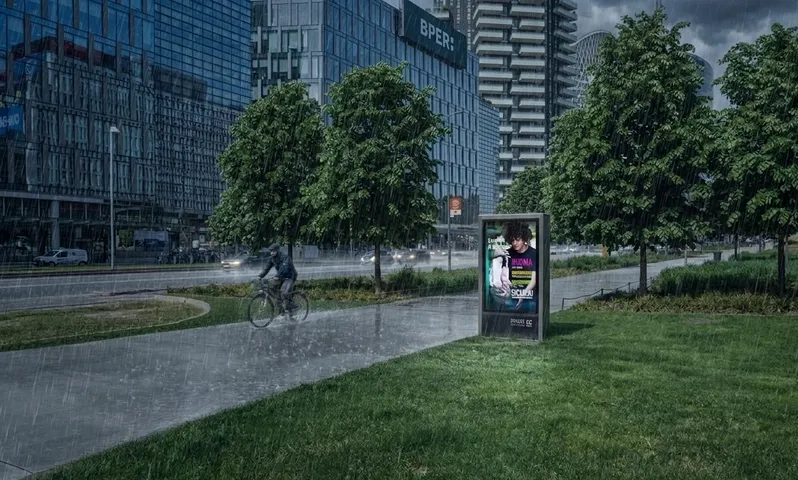
High-brightness sunlight-readable LCD screens have become essential in modern outdoor and industrial environments where visibility under direct sunlight is critical. These displays are engineered to maintain clarity, contrast, and color accuracy even in intense ambient lighting conditions—commonly found in military operations, transportation systems, agricultural machinery, medical devices, and public information kiosks. The display ratios, particularly 16:9, are increasingly standardized across industries due to their compatibility with HD video content and efficient use of screen real estate.
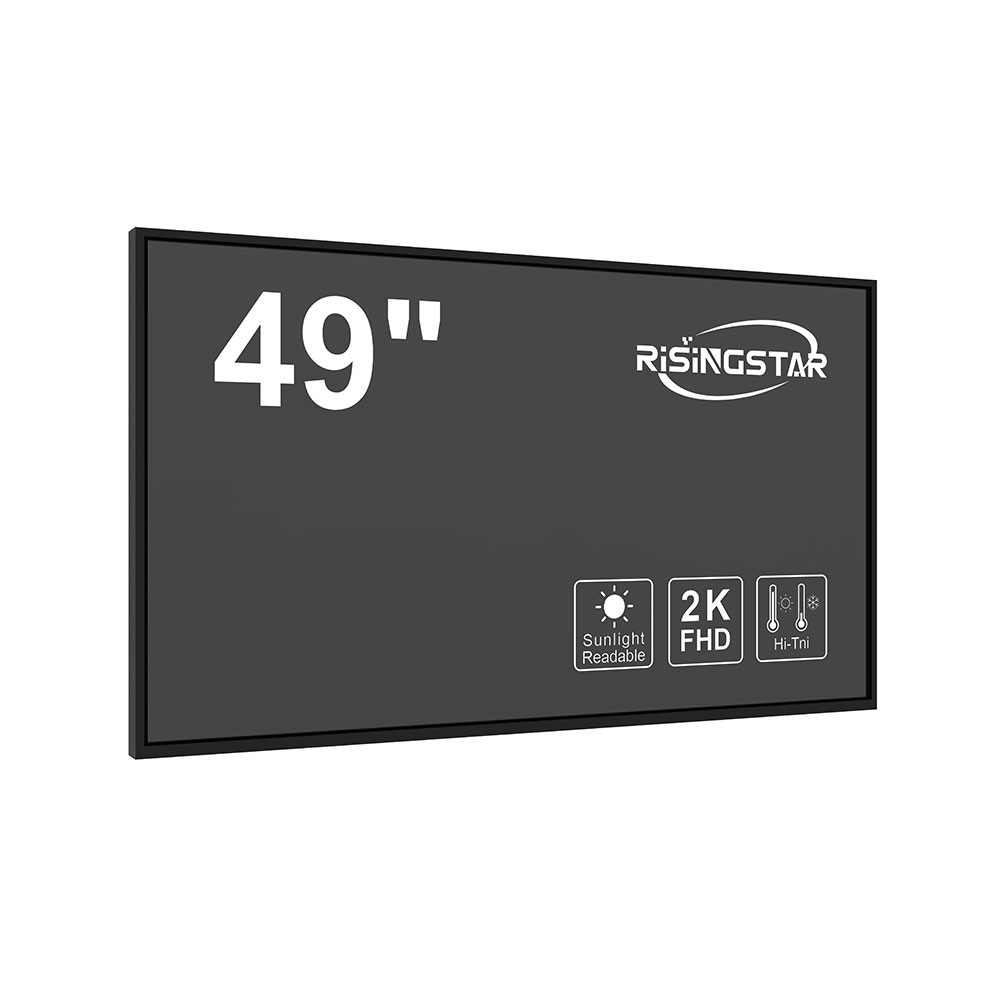
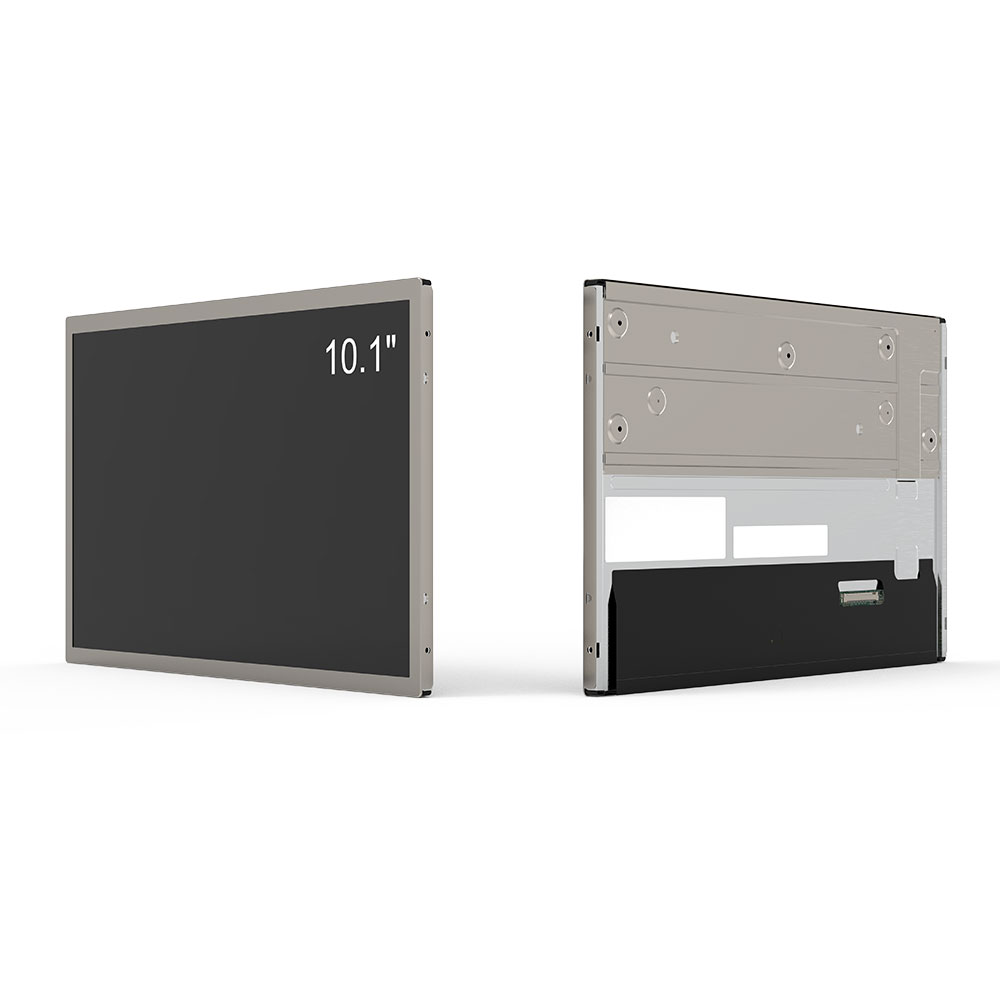
Among the most widely adopted sizes for high-brightness sunlight-readable LCDs are 10.1", 13.3", 15.6", 18.5", 21.5", 23.8", 27", 32", 43", 46", 49", 55", 65", 75", 86", 98", and 110". Each size caters to specific application needs—from compact handheld units (like 10.1" and 13.3") used in field service tools or ruggedized tablets, to large-format displays (such as 75"–110") employed in command centers, vehicle dashboards, and digital signage. For instance, a 15.6" unit may be ideal for a portable industrial control panel, while a 43" or larger display is often chosen for outdoor advertising or traffic monitoring systems where readability from a distance matters.
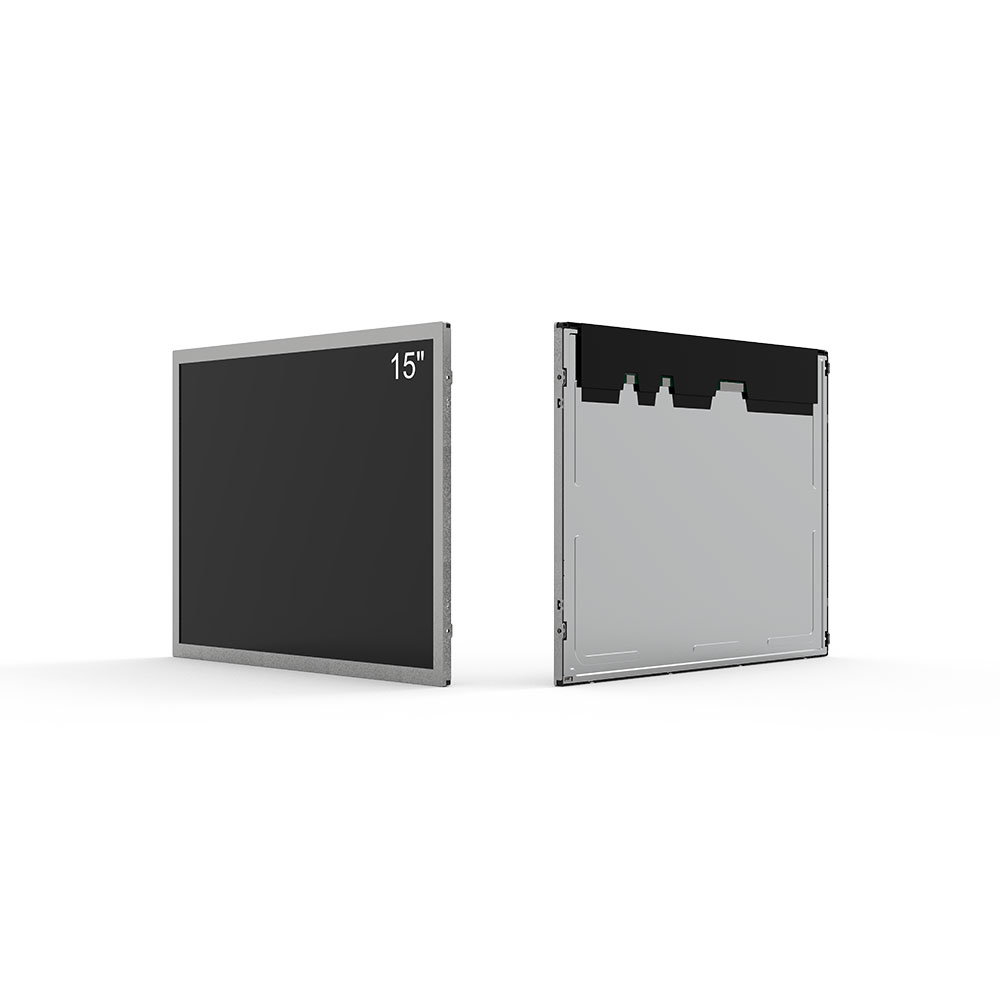
The technology behind these displays includes enhanced backlighting (often LED-based with up to 5000 nits brightness), anti-reflective coatings, polarized filters, and sometimes active matrix TFT-LCD panels that ensure fast response times and high resolution (Full HD or higher). Unlike standard indoor displays, which typically max out at 300–500 nits, sunlight-readable LCDs must exceed 1000 nits and often reach 3000–5000 nits to remain visible under full sun—a benchmark defined by MIL-STD-188-134A for military-grade equipment. Case studies from manufacturers like EIZO, LG Display, and Innolux confirm that such screens perform reliably in temperatures ranging from -20°C to +70°C and can withstand shock, vibration, and humidity—critical in mining, construction, and maritime sectors.
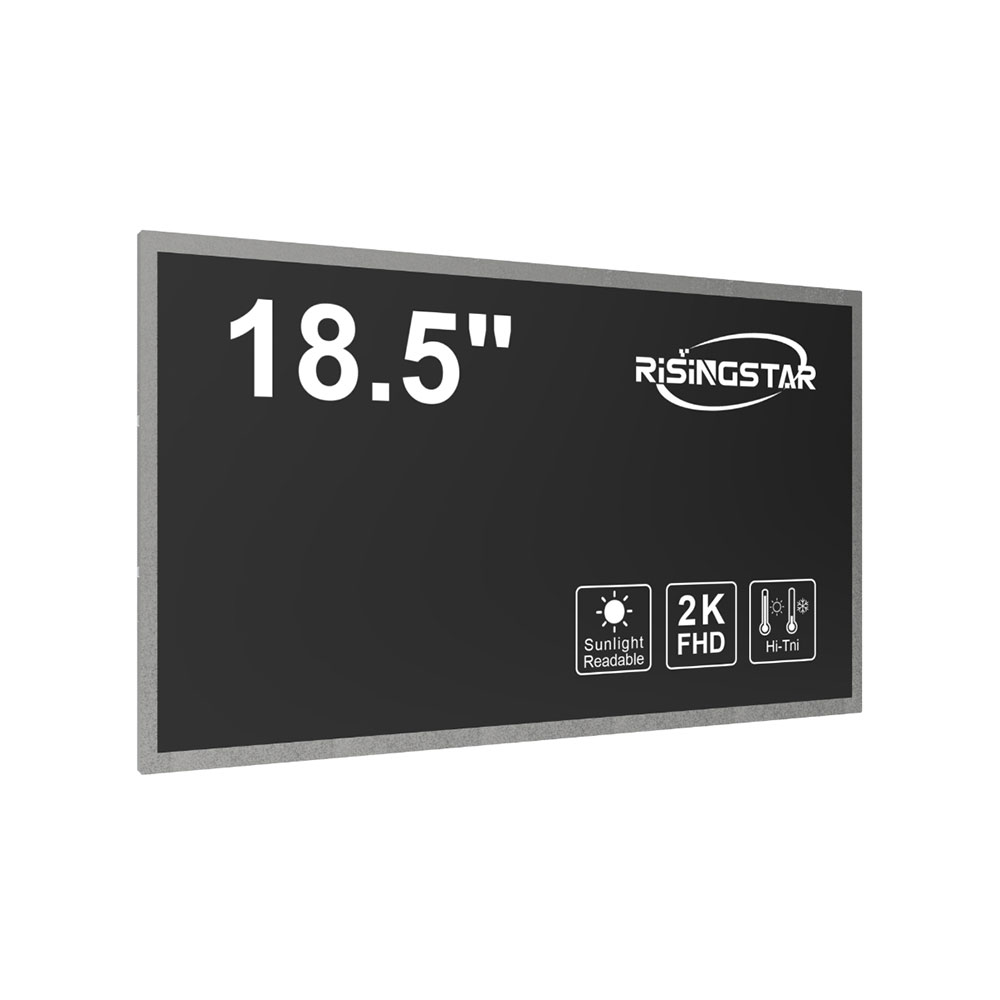
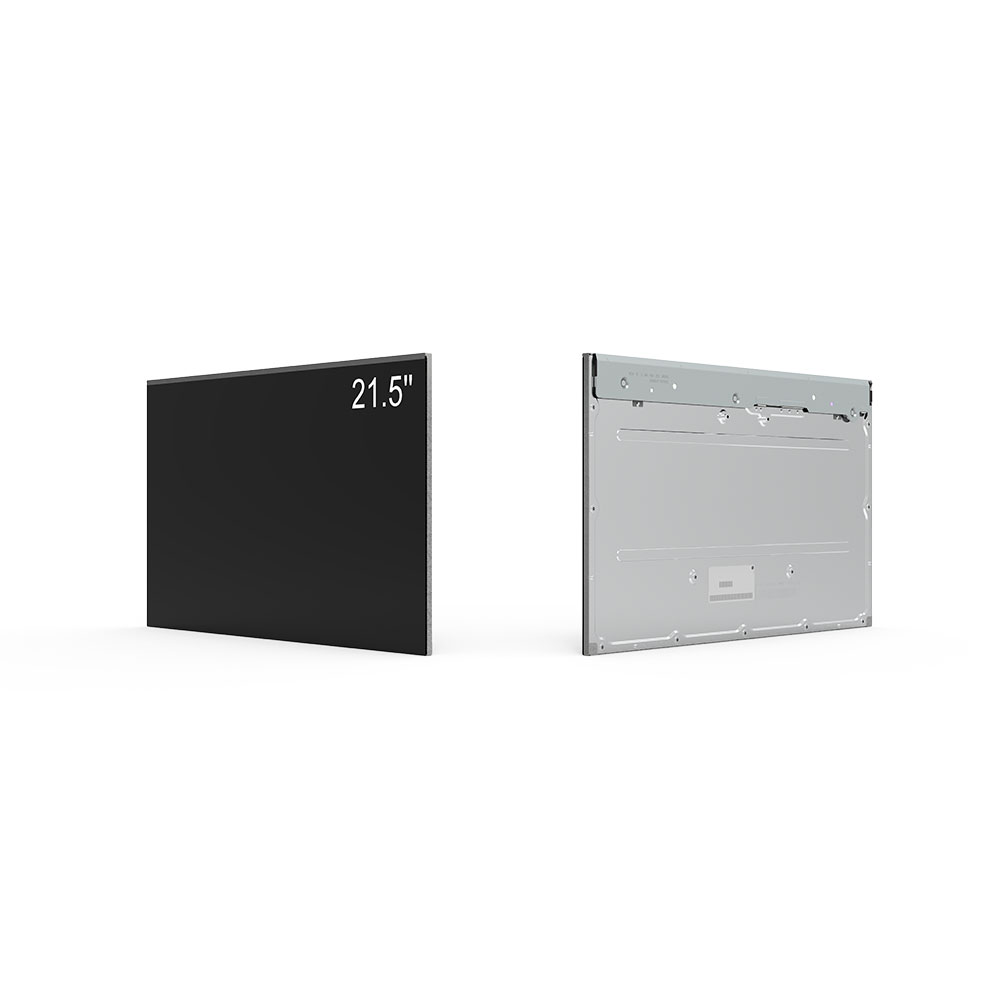
In recent years, energy efficiency has also improved significantly through adaptive brightness control and low-power panel technologies. For example, a 21.5" sunlight-readable monitor used in an outdoor solar-powered data collection system might consume only 35W at peak brightness, enabling extended battery life. Furthermore, many models now support wide viewing angles (>170°) and IP65 or higher ingress protection ratings, making them suitable for harsh environments. According to a 2023 report by MarketsandMarkets, the global market for high-brightness LCDs is projected to grow at a CAGR of 7.4% through 2030, driven by demand in smart cities, autonomous vehicles, and defense applications.
Ultimately, selecting the right display size and brightness level for a given environment involves balancing user needs, environmental exposure, power constraints, and cost. Whether deploying a 10.1" rugged tablet for utility workers or a 98" interactive display in a public transit hub, choosing a certified sunlight-readable LCD ensures operational safety, efficiency, and long-term durability.