RisingStar
- Home
- About Us
- Products
- News
- Video
- Contact
- Send Inquiry
Search
- Home
- About Us
- Products
- News
- Video
- Contact
- Send Inquiry
RisingStar
In today’s increasingly connected and mobile-driven world, high-brightness sunlight-readable LCD screens have become indispensable across industries such as transportation, defense, medical devices, industrial automation, and outdoor advertising. These displays are engineered to maintain visibility under intense ambient light conditions—such as direct sunlight or bright indoor lighting—where conventional LCDs fail due to low contrast and poor readability.
The core of a sunlight-readable LCD lies in its ability to deliver luminance levels typically exceeding 5,000 nits, often reaching up to 10,000 nits or more. This is significantly higher than standard LCDs, which usually operate at 300–500 nits. The increased brightness is achieved through advanced backlighting technologies like LED arrays with high-efficiency phosphors, optical enhancement films (OEF), and anti-reflection coatings that minimize glare and maximize contrast. For example, military-grade displays used in field operations must comply with MIL-STD-810G environmental standards, including shock resistance, temperature extremes, and humidity tolerance.
One critical innovation is the use of transflective liquid crystal technology, which combines both transmissive and reflective modes. During daylight, ambient light reflects off a rear mirror layer inside the display, boosting brightness without increasing power consumption. At night, the backlight activates for full illumination—an energy-efficient hybrid approach widely adopted in handheld tactical devices and automotive infotainment systems.
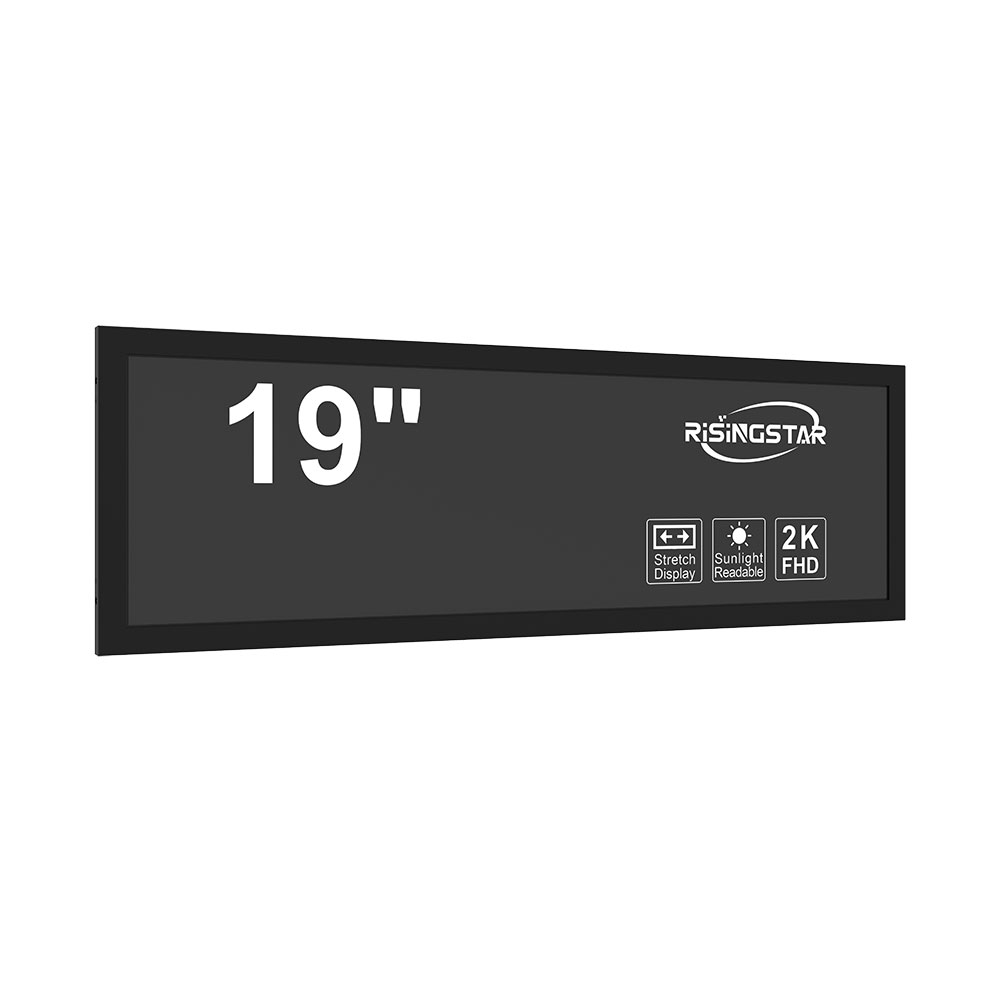
Another key factor is the implementation of adaptive brightness control via ambient light sensors (ALS). These sensors dynamically adjust screen brightness based on real-time lighting conditions, improving both user experience and battery life in portable devices. This feature is now common in rugged tablets and digital signage deployed in public transit hubs like bus stations and airports, where visibility must remain consistent despite varying weather and time-of-day conditions.
Manufacturers also prioritize durability and reliability. High-brightness LCDs often undergo rigorous testing per IEC 60068 standards for mechanical and thermal stress, ensuring long-term performance in harsh environments. For instance, a case study by Sharp Corporation demonstrated a 70% reduction in display failures after integrating reinforced glass and epoxy sealing techniques in outdoor kiosks used in urban settings.
Moreover, modern sunlight-readable displays incorporate wide viewing angles (up to 178°), high resolution (HD to 4K), and touch functionality compatible with gloves or styluses—making them ideal for use in extreme temperatures from -20°C to +70°C. These features are crucial in applications such as oil rigs, construction sites, and emergency response vehicles where clarity and responsiveness are non-negotiable.
As global demand for outdoor-ready electronic solutions rises—with projections indicating a compound annual growth rate (CAGR) of over 6% in the industrial display market through 2030—investments in R&D continue to drive innovation in materials science, power efficiency, and smart display algorithms. The integration of AI-based contrast enhancement and predictive brightness adjustment is already being piloted in next-generation systems, further solidifying the role of sunlight-readable LCDs as foundational components in resilient, user-centric interfaces.