RisingStar
- Home
- About Us
- Products
- News
- Video
- Contact
- Send Inquiry
Search
- Home
- About Us
- Products
- News
- Video
- Contact
- Send Inquiry
RisingStar
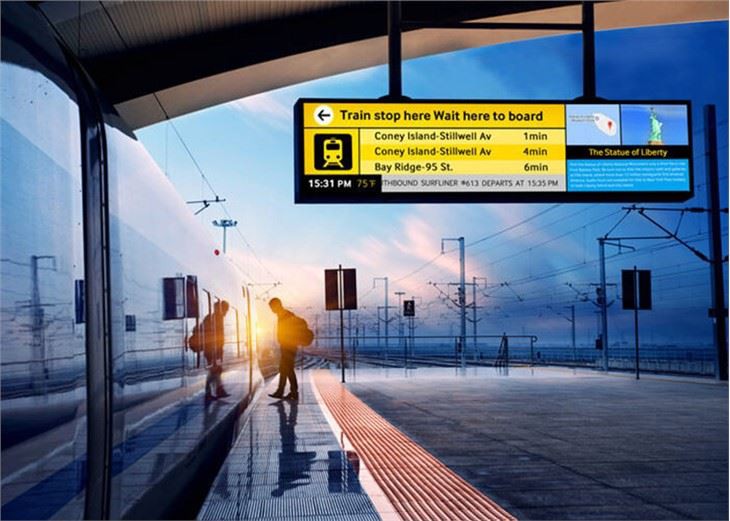
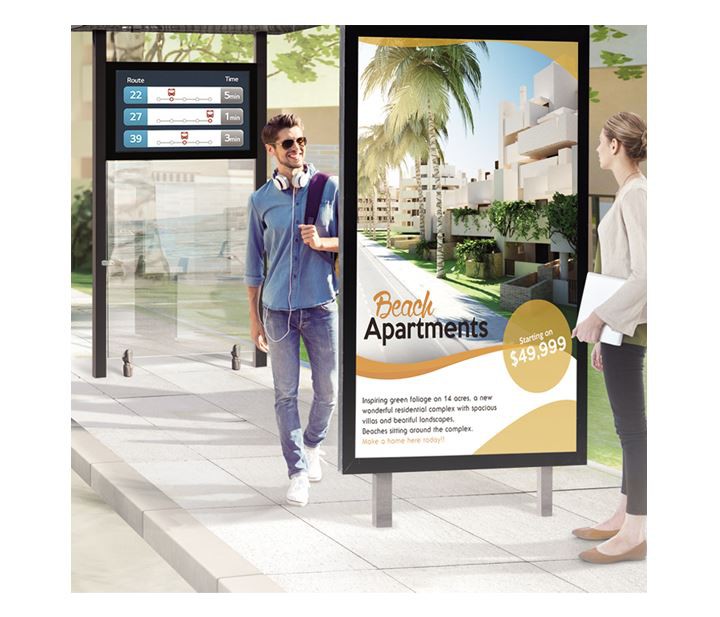
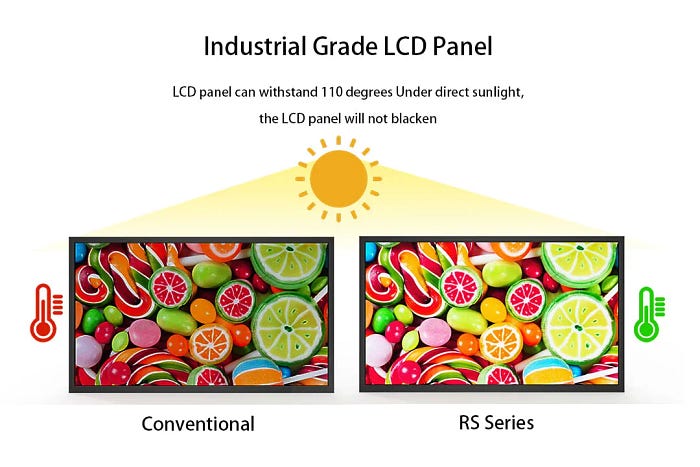
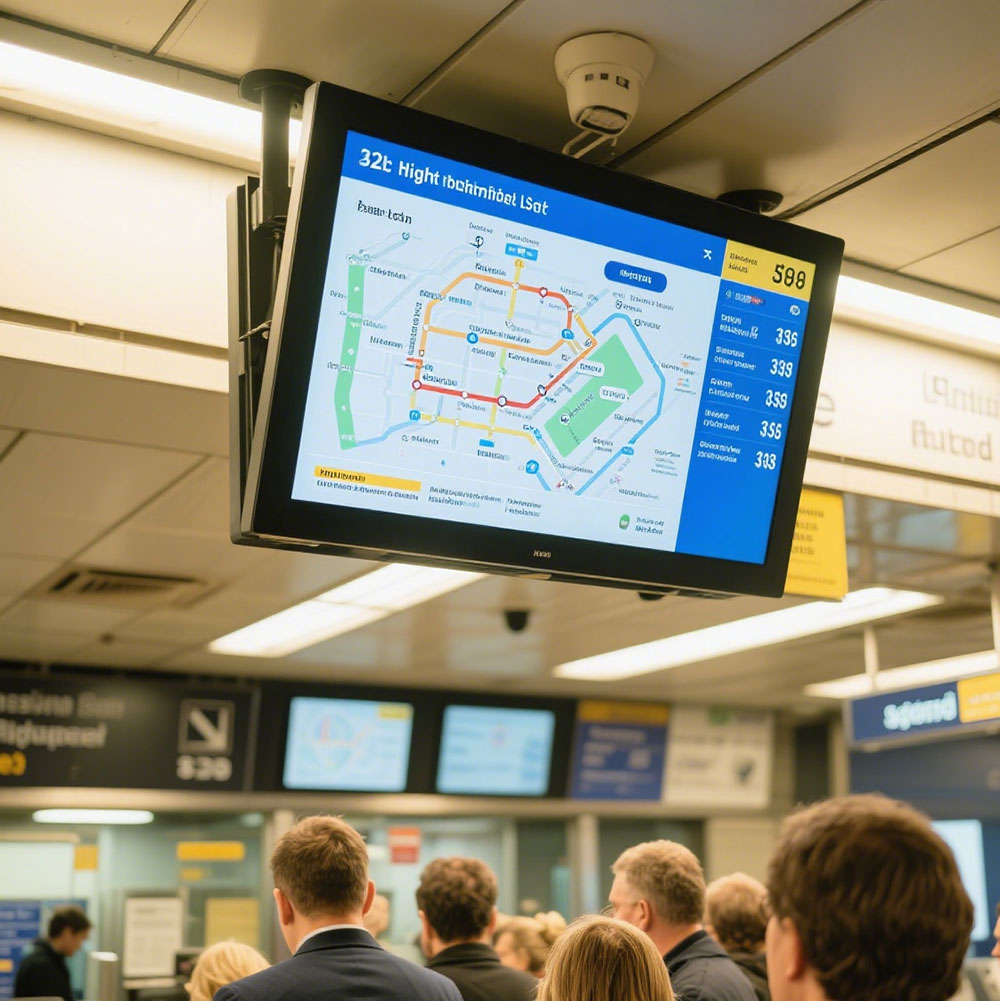
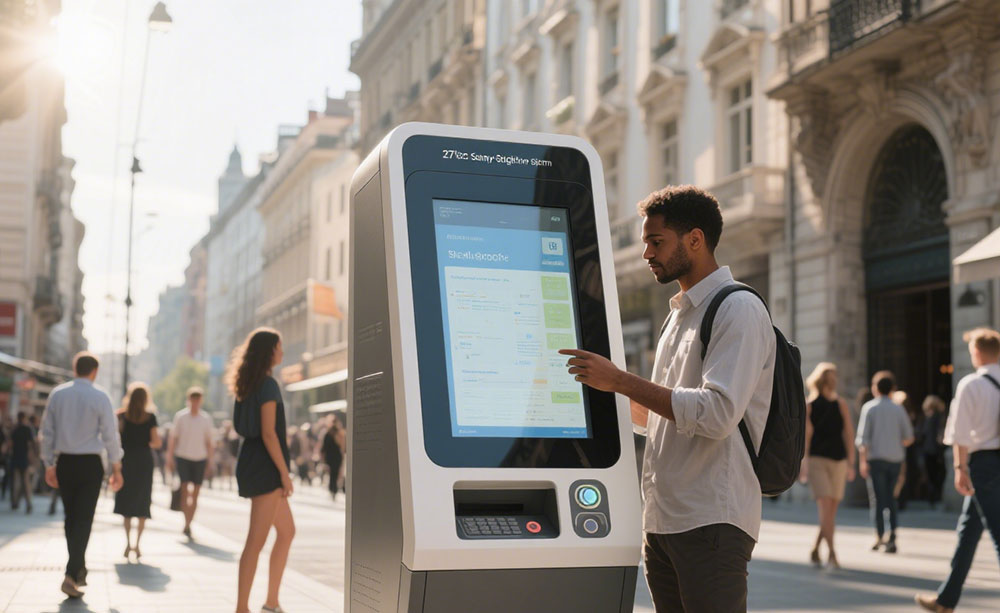
High-brightness sunlight-readable LCD screens are critical components in modern outdoor electronic systems, especially in environments where visibility under direct sunlight is essential. These displays are engineered to maintain clarity and contrast even under extreme lighting conditions such as those found in military operations, industrial control panels, transportation systems (e.g., aviation, automotive), and public information kiosks. Unlike standard LCDs that suffer from washout or glare under bright ambient light, sunlight-readable displays utilize advanced optical design, high-luminance backlighting, and specialized coatings to ensure legibility.
The core challenge in designing such screens lies in balancing brightness, power efficiency, and durability. Industry standards such as MIL-STD-810G and IEC 60068 define environmental robustness requirements for military-grade devices, while ISO 16750 addresses automotive electronics. High-brightness LCDs often exceed 5,000 nits of luminance—up to 10,000 nits in some cases—to counteract the 100,000 lux typical of full-sun exposure at noon. This performance level is achieved through a combination of LED-based backlights with optimized diffusers, anti-reflection (AR) coatings on glass substrates, and polarized filters that reduce ambient light reflection by up to 90%.
Case studies from real-world deployments illustrate their effectiveness. For instance, Rockwell Collins’ (now Collins Aerospace) avionics displays used in commercial aircraft must comply with DO-160G standards, requiring operation in sunlight intensities exceeding 100,000 lux. Their use of dual-layer AR coatings and dynamic brightness adjustment based on ambient light sensors ensures pilots can read critical flight data regardless of time of day or weather. Similarly, in automotive applications, companies like Continental AG integrate high-brightness LCDs into dashboard displays for electric vehicles, ensuring drivers can access navigation and vehicle status in full daylight without distraction.
Material science advances have also played a pivotal role. The shift from traditional cold cathode fluorescent lamps (CCFLs) to RGB LED arrays allows for higher brightness per watt and better color consistency. Additionally, technologies such as transflective liquid crystal modes—where the display uses both transmitted and reflected light—enhance visibility in both indoor and outdoor settings without excessive power consumption. Transflective panels are particularly effective in battery-powered devices like handheld military radios or field medical equipment, where energy efficiency is paramount.
Another key innovation is the integration of adaptive brightness control using photodiodes or ambient light sensors. This not only improves user experience but also extends device lifespan by reducing unnecessary power draw during low-light conditions. In public infrastructure, cities like Singapore and Tokyo deploy solar-powered digital signage using these displays, which remain readable even under midday sun while minimizing energy costs through intelligent dimming algorithms.
Manufacturers must also consider thermal management. High-brightness LEDs generate more heat than conventional ones, necessitating improved heat dissipation mechanisms such as vapor chambers, thermal interface materials (TIMs), and fanless cooling designs. A failure to manage heat can result in premature degradation of the display’s lifespan and reduced reliability—a crucial factor in mission-critical systems.
In conclusion, high-brightness sunlight-readable LCD technology represents a convergence of optics, materials engineering, and smart power management. With continuous advancements driven by defense, automotive, and consumer markets, these displays are becoming more efficient, durable, and accessible. As global demand for reliable outdoor interfaces grows—especially in smart city infrastructure, renewable energy monitoring, and autonomous vehicle systems—the importance of this technology will only increase.