RisingStar
- Home
- About Us
- Products
- News
- Video
- Contact
- Send Inquiry
Search
- Home
- About Us
- Products
- News
- Video
- Contact
- Send Inquiry
RisingStar
High-brightness, sunlight-readable LCD displays are essential in modern outdoor and transit environments where visibility under direct sunlight is critical. These specialized screens are engineered to maintain clarity, color accuracy, and responsiveness even in harsh lighting conditions—such as those found in railway stations, bus terminals, subway platforms, intercity trains, electric vehicle (EV) charging kiosks, gas pumps, and digital signage used in retail, real estate, and public spaces.
The core technology behind these displays involves high-luminance backlighting systems (typically 5,000 to 10,000 nits), anti-glare coatings, and advanced polarization techniques that reduce ambient light reflection. According to industry standards like ISO 9241-3 and IEC 60068, these displays must perform reliably across temperature extremes (-30°C to +70°C) and humidity levels (up to 95% non-condensing). For example, the European Railway Agency (ERA) mandates that onboard passenger information systems meet strict brightness and readability requirements to ensure safety and usability during daylight operations.
In the transportation sector, companies like Siemens Mobility and Alstom have adopted high-brightness LCDs in their train control and infotainment systems to provide clear route updates, delay notifications, and emergency instructions—even at noon under direct sun. Similarly, in EV infrastructure, manufacturers such as ChargePoint and Tesla use these displays on charging kiosks to guide users through payment processes, status indicators, and energy consumption data. Gas stations like Shell and BP integrate them into fuel dispensers for real-time pricing and loyalty program updates.
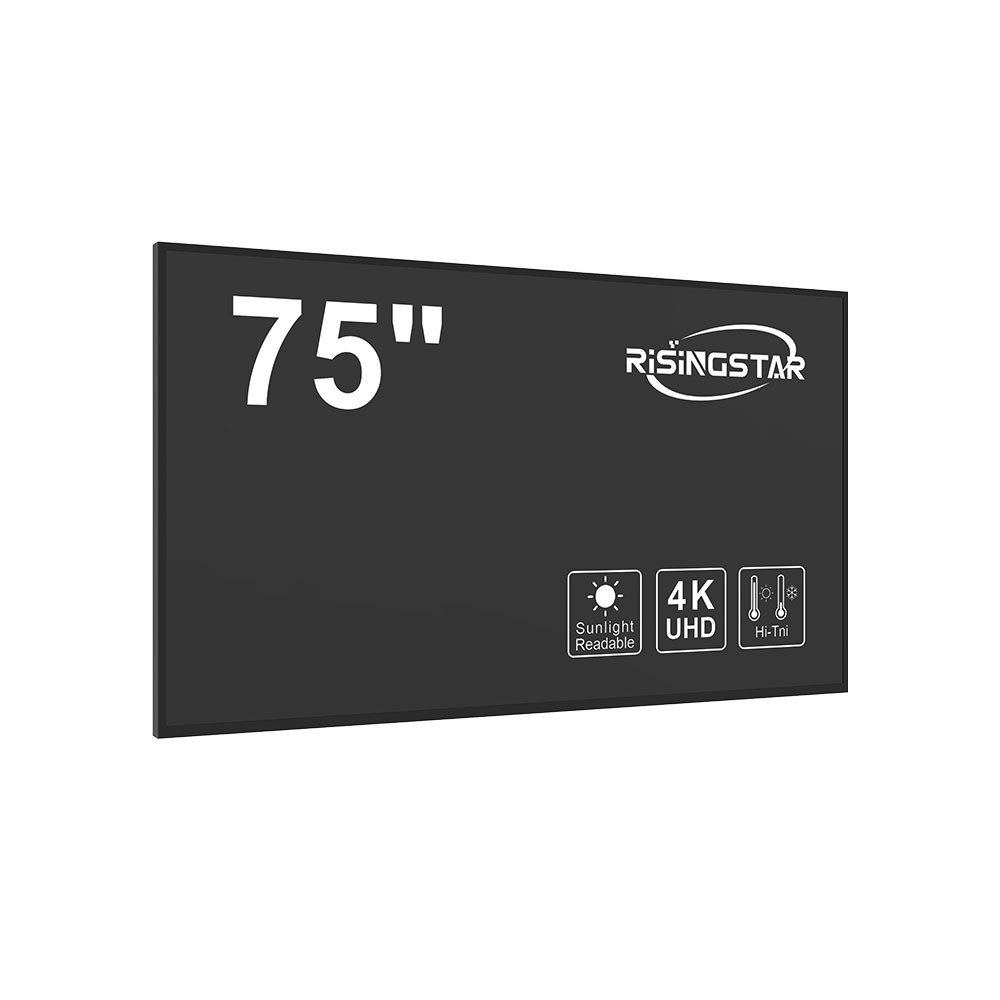
For outdoor digital signage, brands such as LG, Samsung, and Sharp offer ruggedized panels with IP65 or higher ratings for dust and water resistance, making them ideal for retail facades, real estate property boards, and public service announcements. In urban environments like New York City and Tokyo, high-brightness displays are now standard on city buses and subway stations, improving rider experience while reducing operational errors caused by poor visibility.
Moreover, advancements in LED-backlit and micro-LED technologies are pushing brightness levels beyond 10,000 nits, enabling seamless integration with AR-based navigation systems and AI-driven content delivery in smart cities. These innovations not only enhance user engagement but also support sustainability goals by minimizing power consumption without sacrificing performance—a key factor in green infrastructure planning.
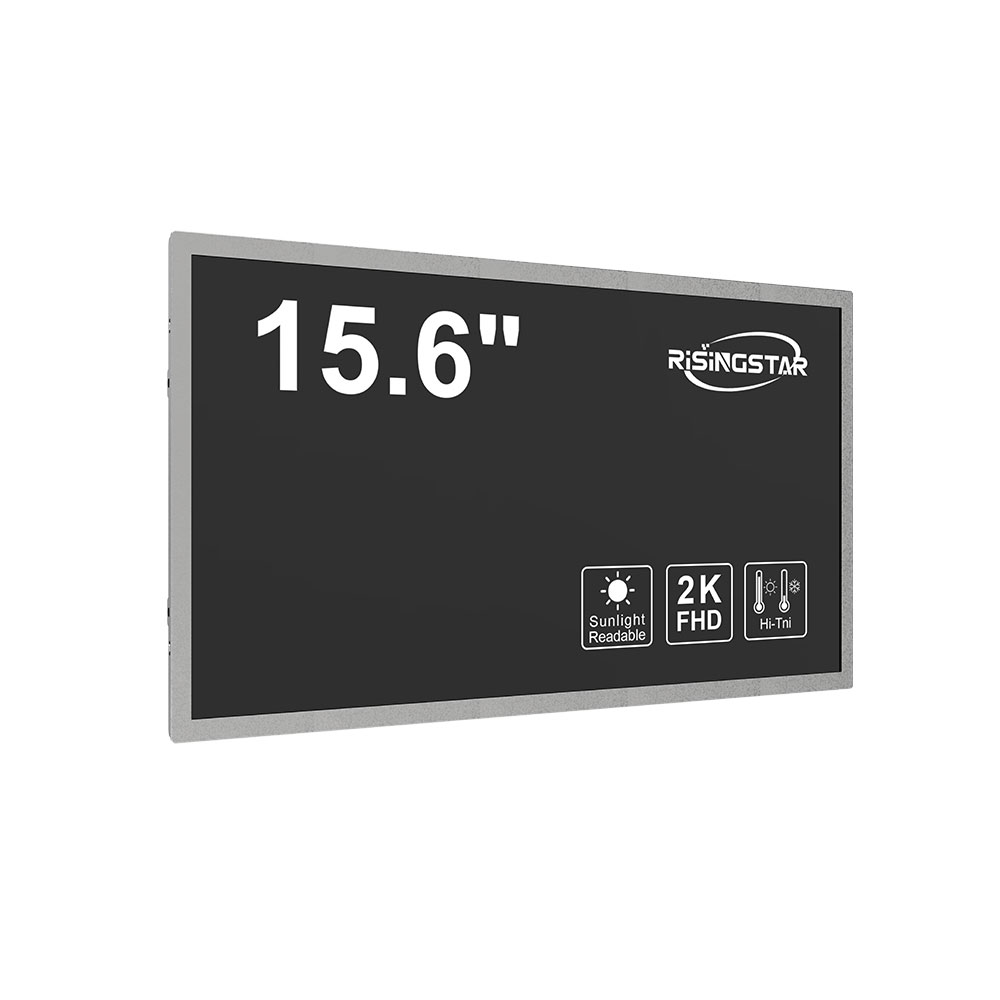
Overall, high-brightness sunlight-readable LCDs represent a convergence of optical engineering, environmental resilience, and user-centric design. Their deployment across diverse industries underscores a global shift toward transparent, reliable, and intuitive human-machine interfaces in outdoor and mobile contexts.