RisingStar
- Home
- About Us
- Products
- News
- Video
- Contact
- Send Inquiry
Search
- Home
- About Us
- Products
- News
- Video
- Contact
- Send Inquiry
RisingStar
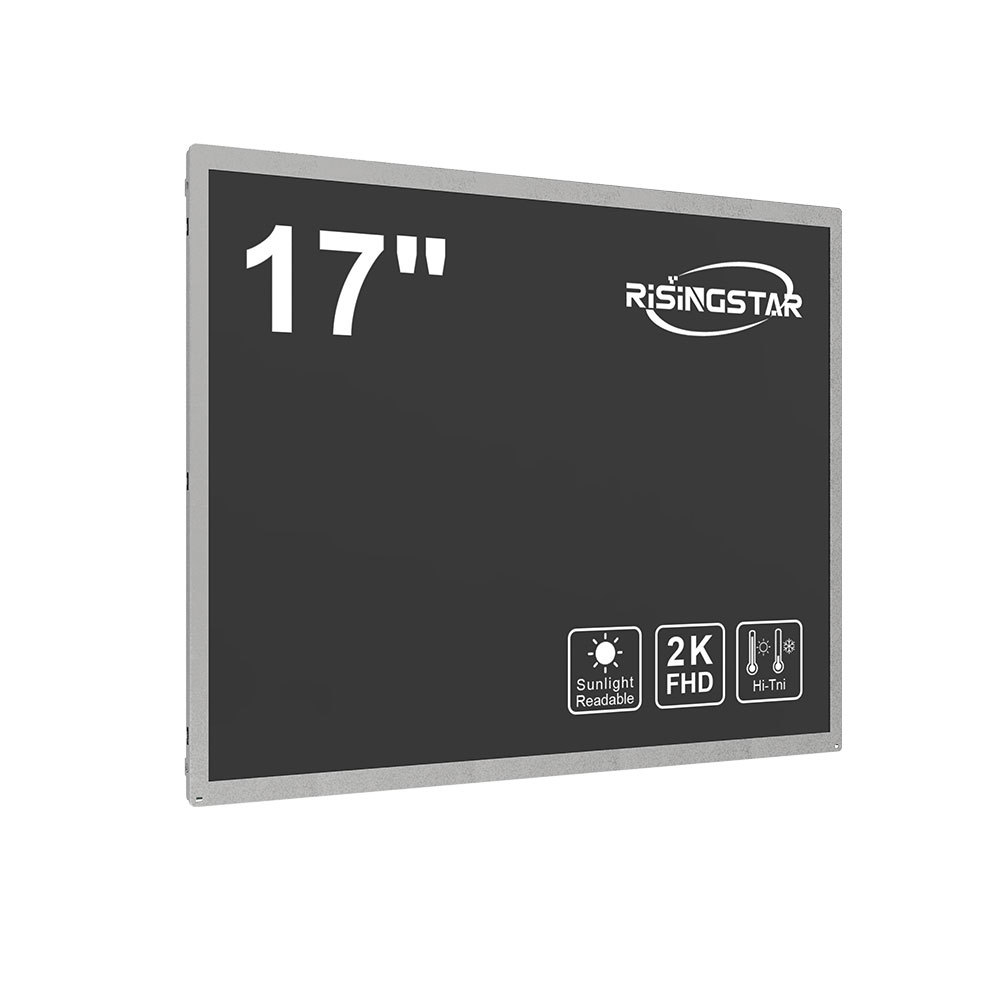
In the rapidly evolving world of display technology, high-brightness sunlight-readable LCD screens have become indispensable in outdoor and harsh environmental applications. These specialized displays are engineered to maintain clarity, contrast, and readability even under direct sunlight, where conventional LCDs often fail due to ambient light interference. As global industries—from defense and transportation to agriculture and construction—increasingly rely on real-time data visualization in open-air environments, the demand for robust, high-luminance displays continues to surge.
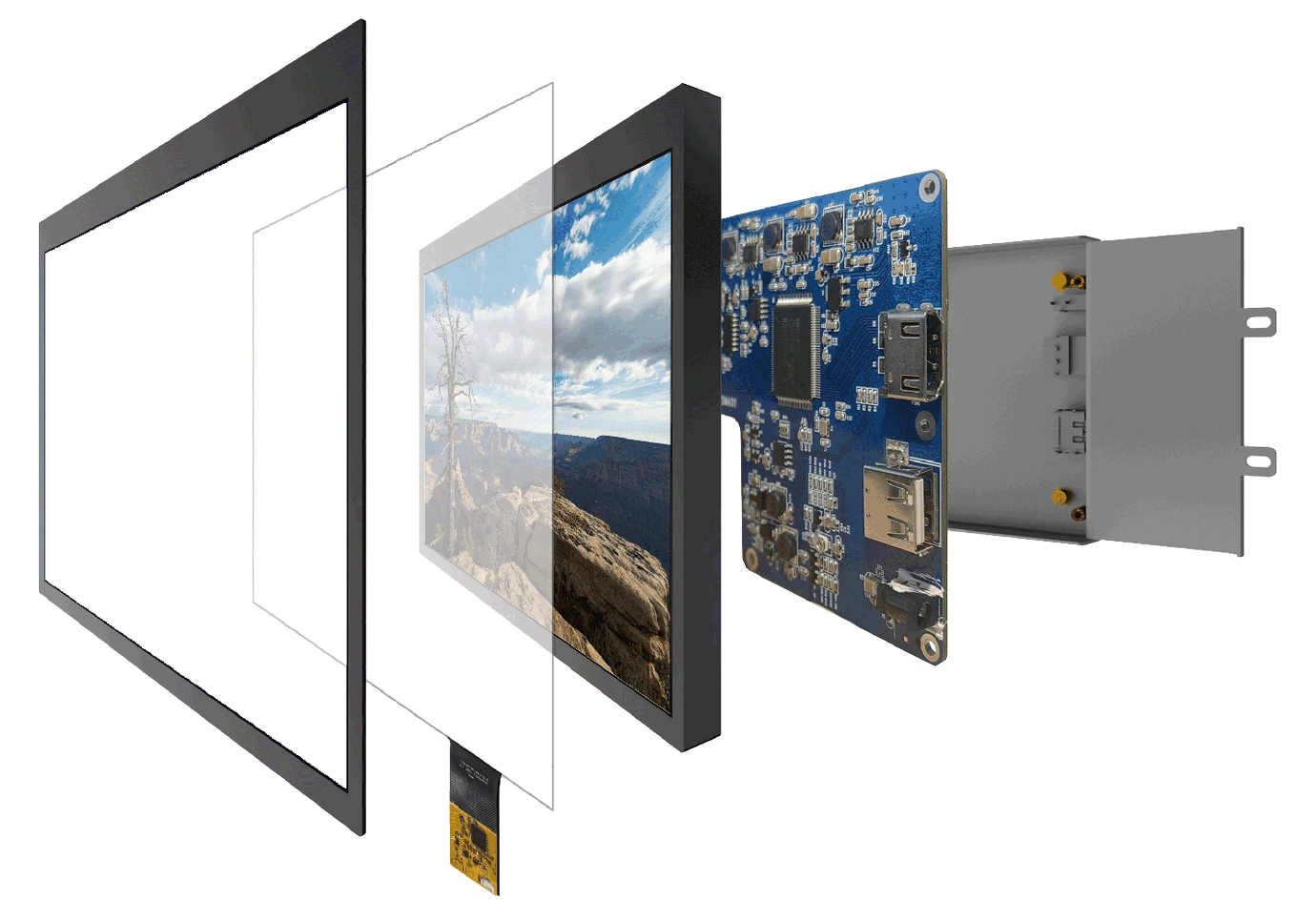
The core challenge in designing such screens lies in overcoming solar glare while preserving image quality. Standard LCDs typically emit between 200 to 500 nits of brightness, which is insufficient for bright daylight conditions (which can exceed 100,000 lux). High-brightness sunlight-readable LCDs, by contrast, are designed to deliver luminance levels ranging from 3,000 to 10,000 nits or more. This is achieved through a combination of advanced backlighting technologies like LED arrays with high-efficiency drivers, optimized optical stack designs (including polarizers, diffusers, and prismatic films), and anti-reflective coatings.
A key innovation in modern sunlight-readable displays is the use of transmissive liquid crystal cells combined with active matrix addressing (AM-LCD). This enables precise control over pixel illumination, reducing power consumption while maximizing contrast ratios—even at extreme temperatures (-20°C to +70°C). For instance, military-grade ruggedized displays used in unmanned aerial vehicles (UAVs) or battlefield command systems must meet MIL-STD-810G standards for shock, vibration, and temperature resilience, all while remaining fully readable under full sun.
Case studies from industrial deployments reinforce these capabilities. In a 2022 deployment by Siemens Energy for offshore wind farm monitoring, custom-designed 4K sunlight-readable LCDs with 6,000-nit peak brightness were installed on control panels exposed to continuous sunlight in the North Sea. The result was a 98% reduction in operator misreads compared to standard displays, significantly improving safety and operational efficiency. Similarly, automotive manufacturers like Tesla now integrate high-brightness LCDs into dashboards that remain legible during high-speed driving in direct sunlight, meeting SAE J2361 lighting standards.
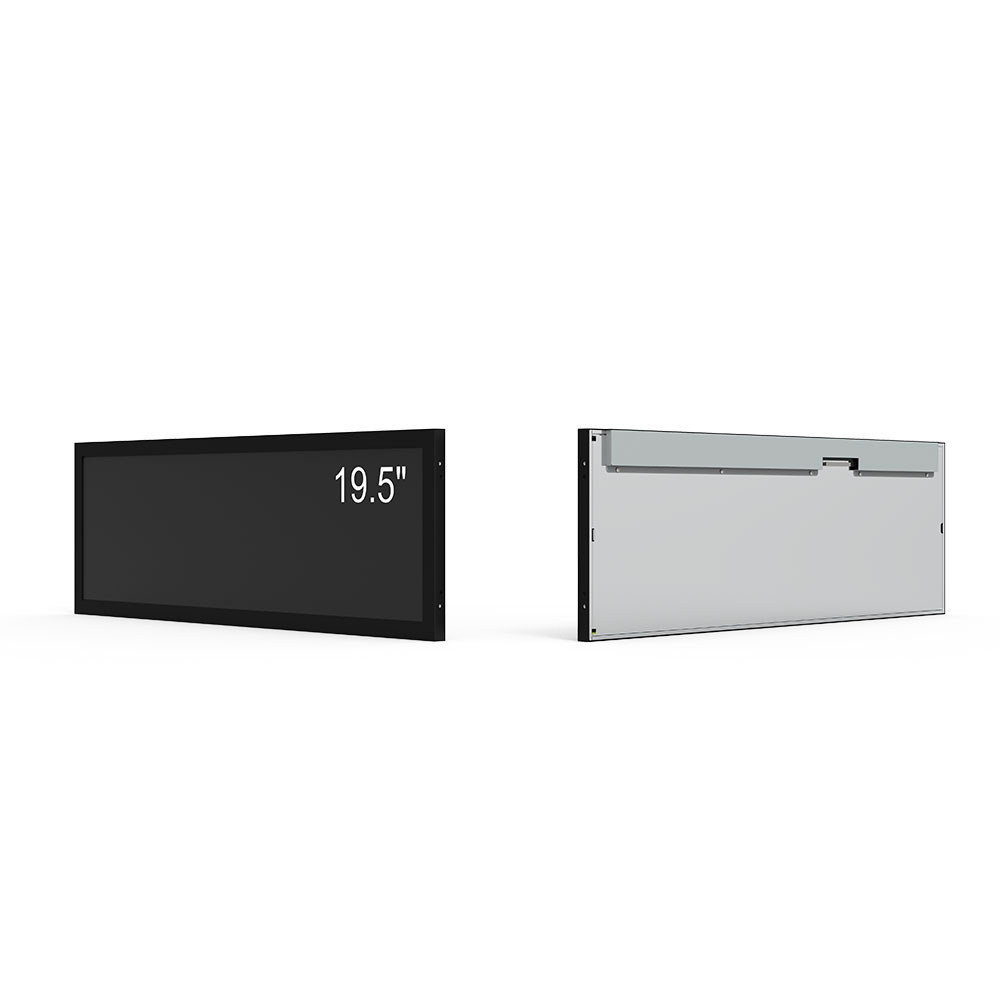
Another critical advancement is the integration of adaptive brightness control using ambient light sensors (ALS). These sensors dynamically adjust screen brightness based on real-time environmental conditions, conserving battery life in portable devices while maintaining optimal visibility. This feature is especially valuable in mobile field operations such as drone piloting, utility meter reading, and emergency response units.
From an engineering perspective, the future of sunlight-readable LCDs includes advancements in micro-LED backlights, quantum dot enhancement layers, and AI-driven contrast optimization algorithms. These innovations promise not only higher brightness but also improved energy efficiency and longer lifespan—critical factors for sustainability-focused industries.
As global markets expand their reliance on digital interfaces in outdoor settings—from smart city infrastructure to agricultural IoT sensors—the development of high-brightness sunlight-readable LCDs will remain a cornerstone of human-machine interaction design.