RisingStar
- Home
- About Us
- Products
- News
- Video
- Contact
- Send Inquiry
Search
- Home
- About Us
- Products
- News
- Video
- Contact
- Send Inquiry
RisingStar
In modern industrial, military, and transportation sectors, the demand for high-brightness sunlight-readable LCD screens has surged due to their ability to maintain visibility under extreme lighting conditions. These displays are not merely about brightness—they integrate advanced optical engineering, materials science, and power efficiency to deliver reliable performance in environments ranging from desert sunscapes to Arctic tundras.
The core technology behind sunlight-readable LCDs lies in maximizing contrast ratio while minimizing ambient light interference. Standard LCDs often fail in direct sunlight because backlight luminance is insufficient compared to natural illumination (which can exceed 100,000 lux). High-brightness displays address this by achieving luminance levels of 5,000 to 10,000 nits—over 10 times brighter than typical consumer-grade screens. This is achieved through optimized LED backlights, anti-reflective coatings, and polarized filter stacks that reduce glare without compromising color accuracy.
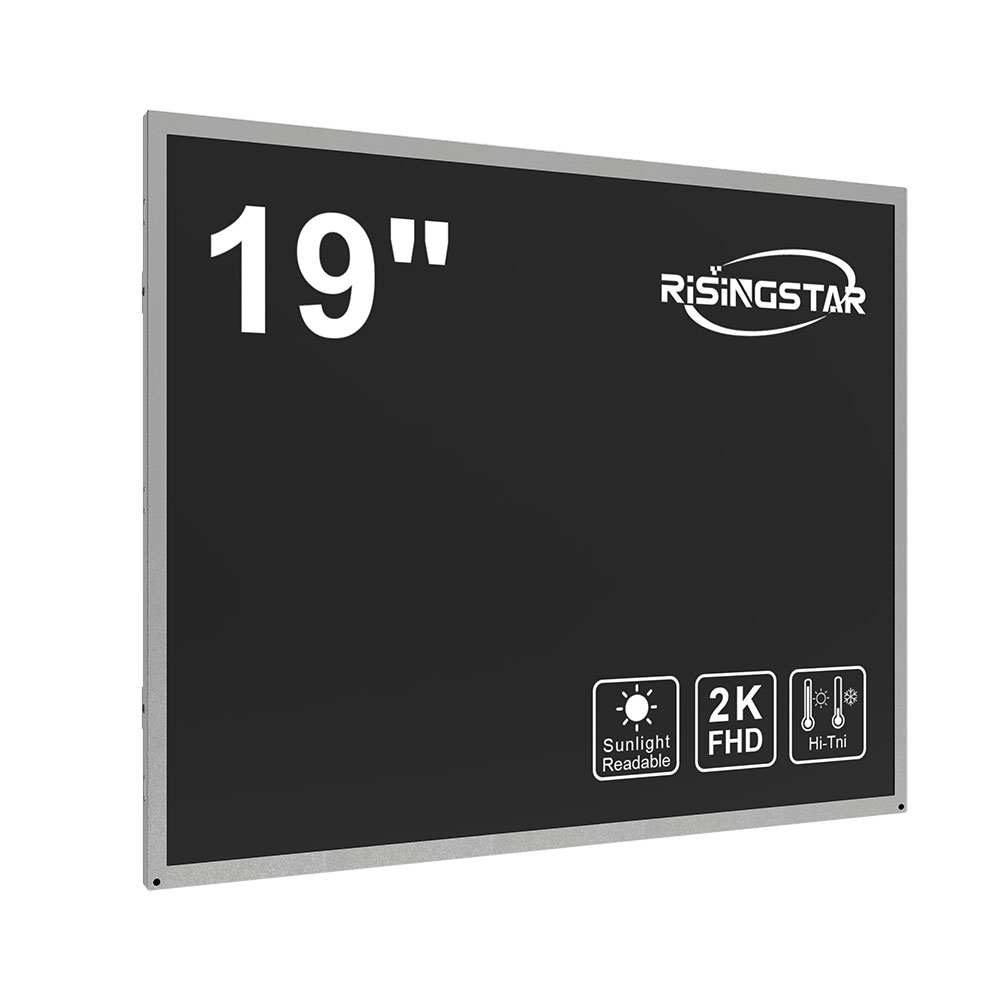
Manufacturers such as LG Display, Sharp, and CMO utilize dual-layer diffusers and high-efficiency phosphor LEDs to ensure uniform brightness across the panel. Additionally, some models incorporate automatic brightness adjustment (ABA) systems that use ambient light sensors to dynamically adjust output based on real-time environmental conditions—a key feature in automotive dashboards and outdoor kiosks. According to a 2023 report by MarketsandMarkets, the global market for sunlight-readable displays is projected to reach $4.2 billion by 2028, driven by growth in UAVs, smart city infrastructure, and ruggedized mobile devices.
Case studies highlight successful implementations: For example, the U.S. Army’s Nett Warrior system uses sunlight-readable displays with IP67 ratings and MIL-STD-810G compliance, enabling soldiers to operate in combat zones where visibility is critical. Similarly, Tesla’s Model Y incorporates a 15.4-inch touchscreen with a peak brightness of 900 nits, which exceeds industry standards for automotive use but falls short of true sunlight-readability. True sunlight-readable displays in EVs must achieve at least 2,000 nits for consistent legibility in direct sunlight—a benchmark now adopted by leading manufacturers like Panasonic and Corning.
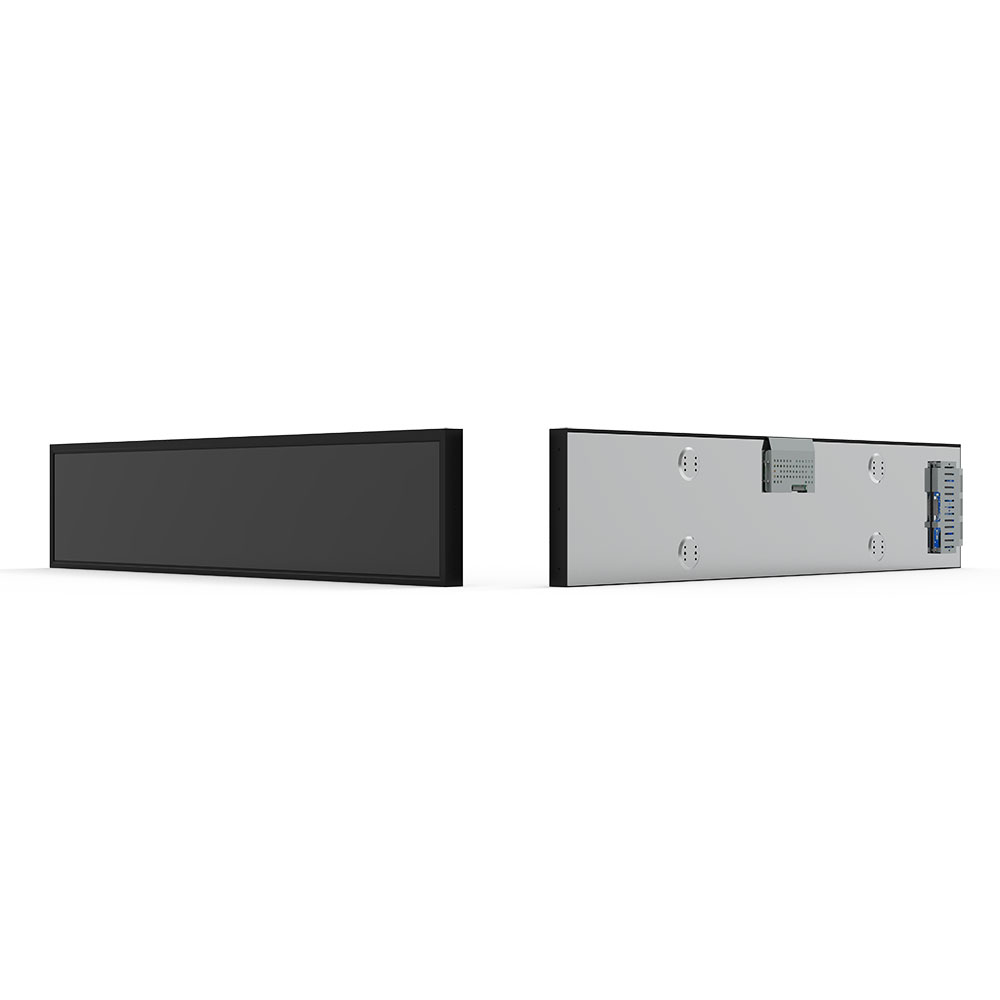
Beyond hardware, software optimization plays a role. Adaptive white point algorithms, dynamic contrast enhancement, and grayscale calibration ensure accurate representation even under rapidly changing light conditions. Industry standards like ISO 12232 and IEC 62368-1 govern safety and performance, ensuring compatibility with international regulatory frameworks.
For engineers and procurement teams evaluating solutions, it's essential to distinguish between “high-brightness” and “sunlight-readable.” A display rated at 3,000 nits may appear bright indoors but still suffer from poor contrast when exposed to direct sunlight unless it includes features like reflective polarization or active matrix addressing. The future of this field includes micro-LED-based panels, which promise higher efficiency, better thermal management, and improved long-term reliability—all crucial for mission-critical applications.