RisingStar
- Home
- About Us
- Products
- News
- Video
- Contact
- Send Inquiry
Search
- Home
- About Us
- Products
- News
- Video
- Contact
- Send Inquiry
RisingStar
In today’s increasingly connected world, industrial, military, and outdoor applications demand electronic displays that can withstand extreme environmental conditions—including dust, moisture, and mechanical stress. Among the most critical certifications for such environments is the IP66 rating—a standard defined by the International Electrotechnical Commission (IEC) under IEC 60529. An IP66-rated display offers complete protection against dust ingress (the “6” in IP66) and powerful water jets from any direction (the “6” for water resistance), making it an essential component for high-brightness sunlight-readable LCDs used in ruggedized systems.
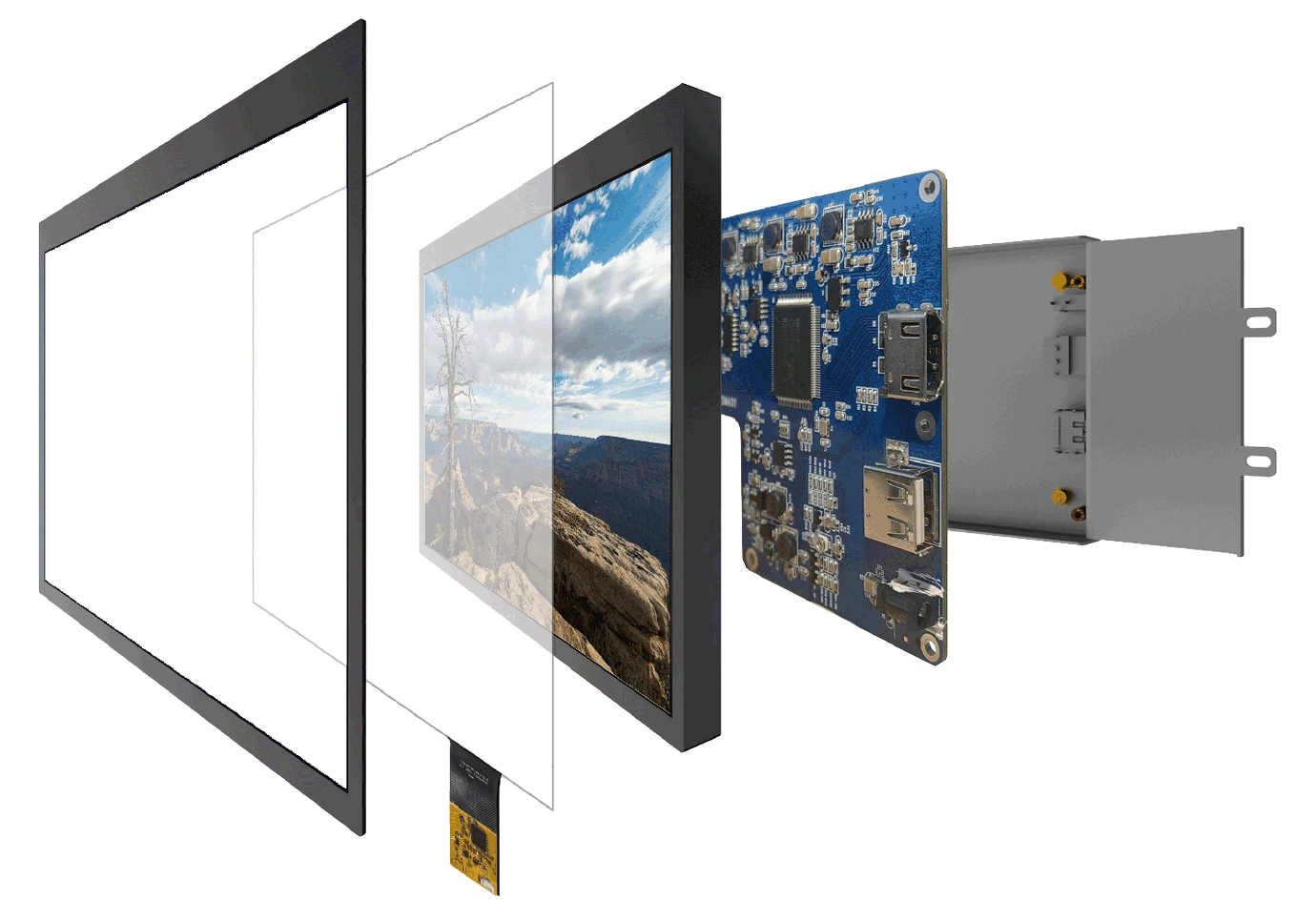
The engineering behind IP66 waterproof LCD screens involves a multi-layered approach. First, the display module itself must be sealed using high-quality gaskets or O-rings made from materials like silicone or EPDM rubber, which maintain integrity under temperature extremes—from -40°C to +85°C. Second, the front glass is often treated with anti-reflective coatings and hardened with Gorilla Glass or similar chemically strengthened glass to resist scratches while enhancing visibility under direct sunlight (typically exceeding 10,000 nits brightness). Third, the internal electronics are encapsulated using conformal coatings such as acrylic, urethane, or parylene to prevent condensation, corrosion, and short circuits—even when exposed to saltwater spray or frequent washdowns.
Manufacturers like Eizo, LG Display, and CMO (China-based OEMs) have validated IP66 designs through rigorous testing protocols including those outlined in MIL-STD-810G and ISO 16750-3. For example, in a case study conducted by Siemens for their field-deployable control panels in offshore oil platforms, IP66-rated LCDs demonstrated zero failures over 18 months of continuous exposure to high humidity, salt mist, and mechanical vibration—outperforming non-IP66 alternatives that showed early signs of corrosion and backlight degradation.
Another compelling application lies in public transportation, where buses and trains equipped with IP66 LCD passenger information systems remain operational even during heavy rain or snowfall. These systems typically use LED-backlit IPS panels optimized for wide viewing angles and fast response times (under 10ms), ensuring clear readability in dynamic lighting conditions. The integration of IP66 ratings allows manufacturers to reduce maintenance costs by eliminating the need for protective enclosures or frequent panel replacements due to water damage.
From a design standpoint, achieving IP66 compliance requires careful attention to edge sealing, connector shielding, and thermal management. Engineers must also consider the impact of pressure differentials during rapid temperature changes—a common issue in aerospace and automotive environments. For instance, a failure in the sealant between the LCD panel and bezel could lead to condensation inside the housing, compromising optical performance and potentially damaging the driver circuitry. Therefore, many leading suppliers now incorporate micro-vapor barriers and desiccant packs within the housing to mitigate this risk.
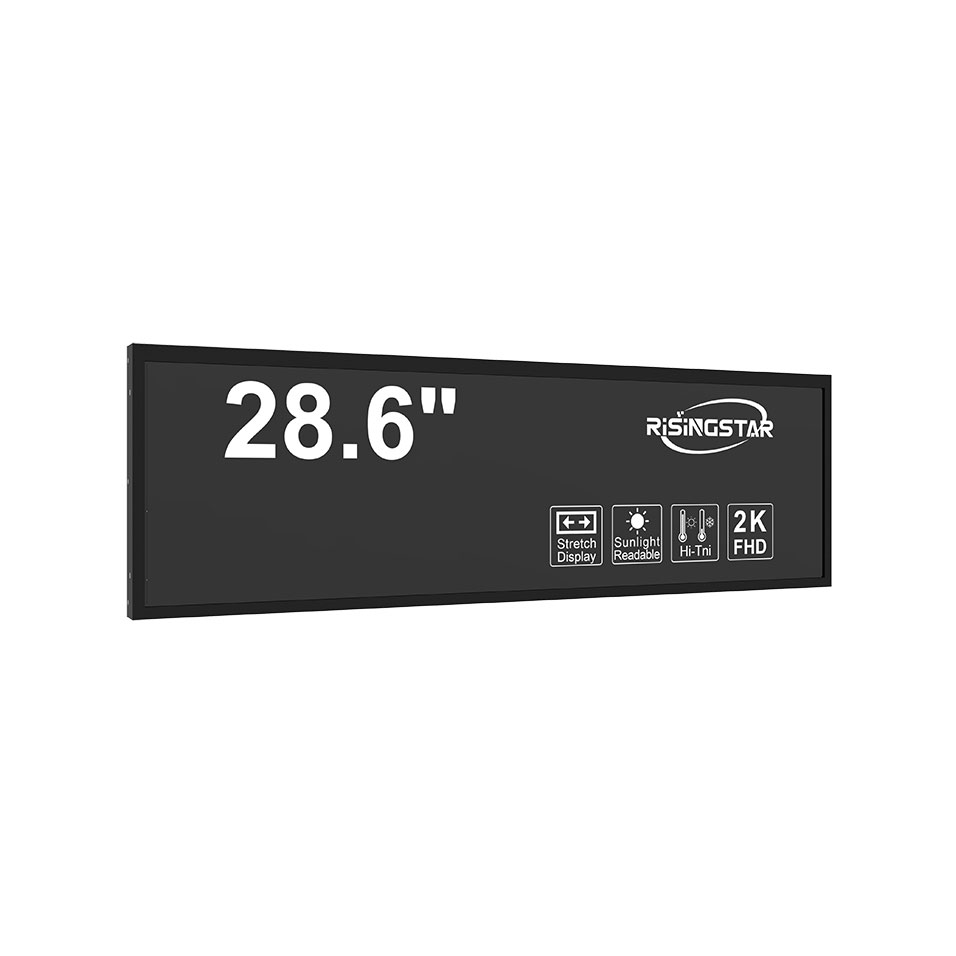
It’s worth noting that while IP66 provides robust protection, it does not imply full submersion capability—it is designed for splashing water, not prolonged immersion. However, for applications requiring higher protection levels, IP68-rated displays are available but come at a significantly higher cost and complexity. Thus, IP66 strikes an optimal balance between durability, cost-effectiveness, and functionality across diverse sectors including manufacturing automation, medical devices in wet environments, and military-grade command-and-control units.
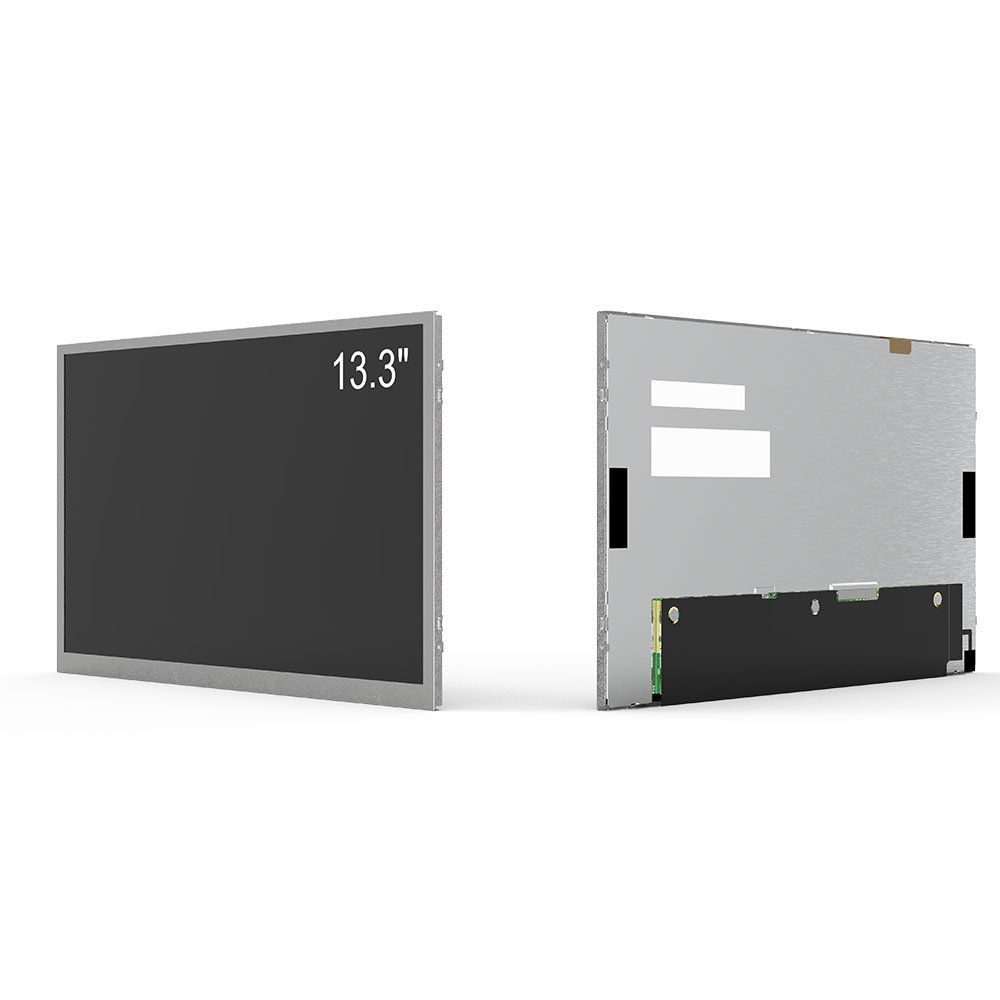
In conclusion, the adoption of IP66 waterproof LCD technology has become a benchmark for reliability in harsh operating conditions. With continuous advancements in sealing materials, optical clarity, and energy efficiency, these displays are not only meeting current industry standards but also setting new expectations for what is possible in real-world deployments—from desert solar farms to Arctic research stations.