RisingStar
- Home
- About Us
- Products
- News
- Video
- Contact
- Send Inquiry
Search
- Home
- About Us
- Products
- News
- Video
- Contact
- Send Inquiry
RisingStar
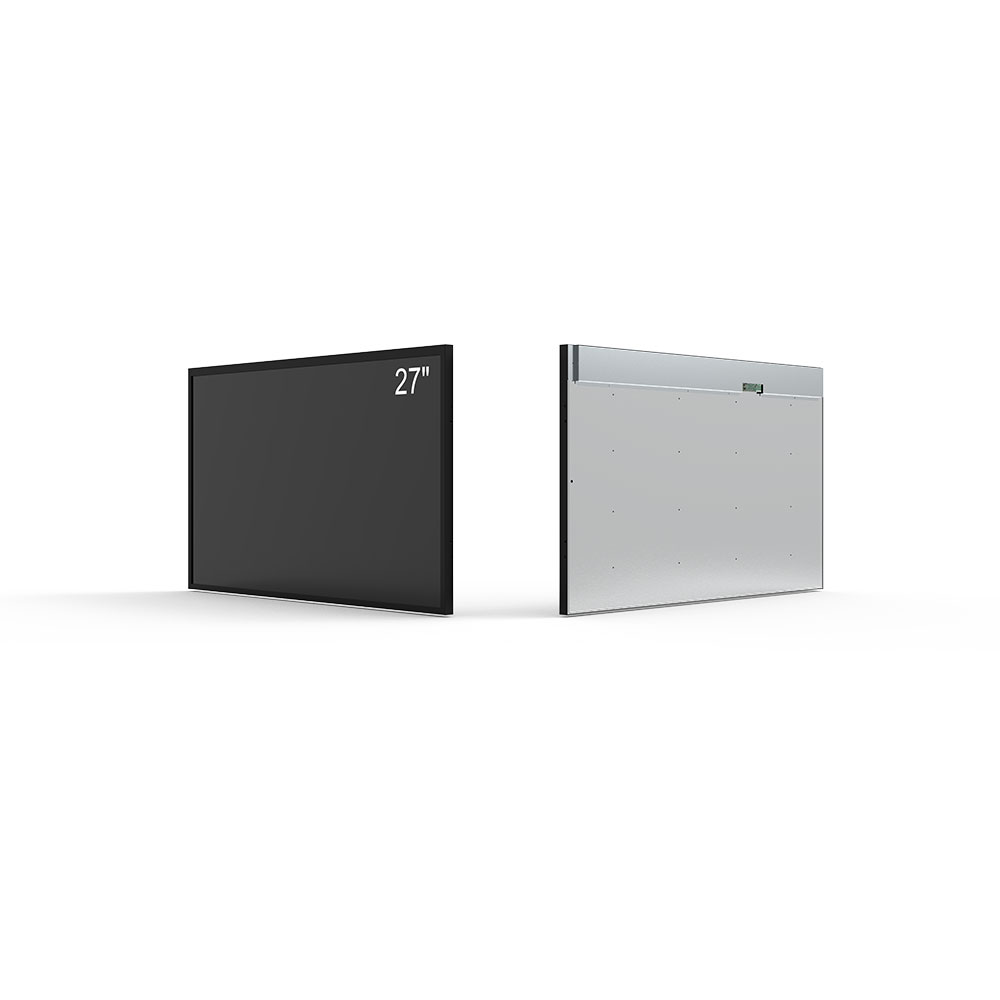
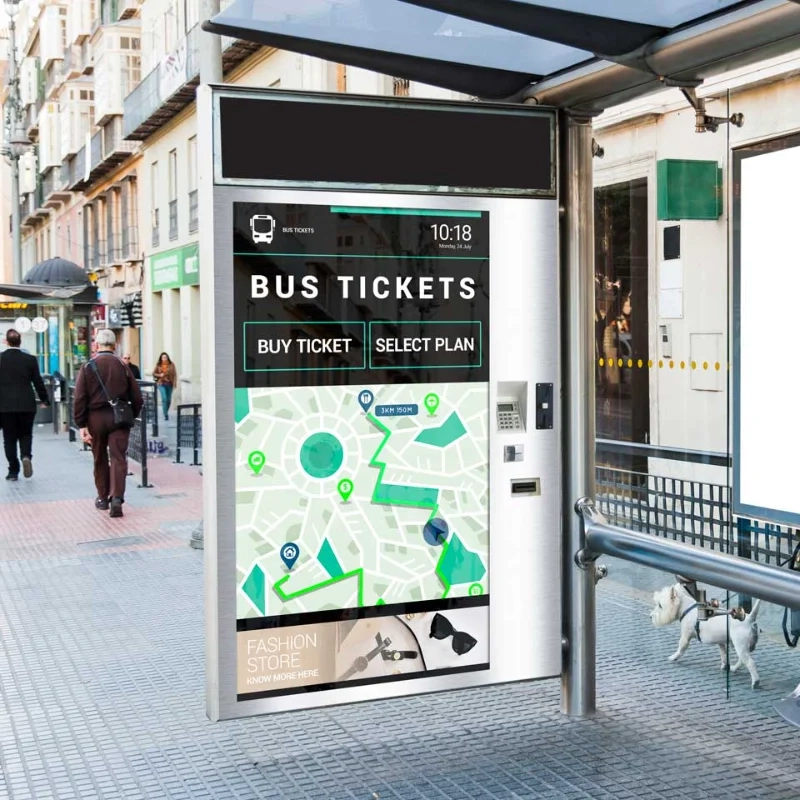
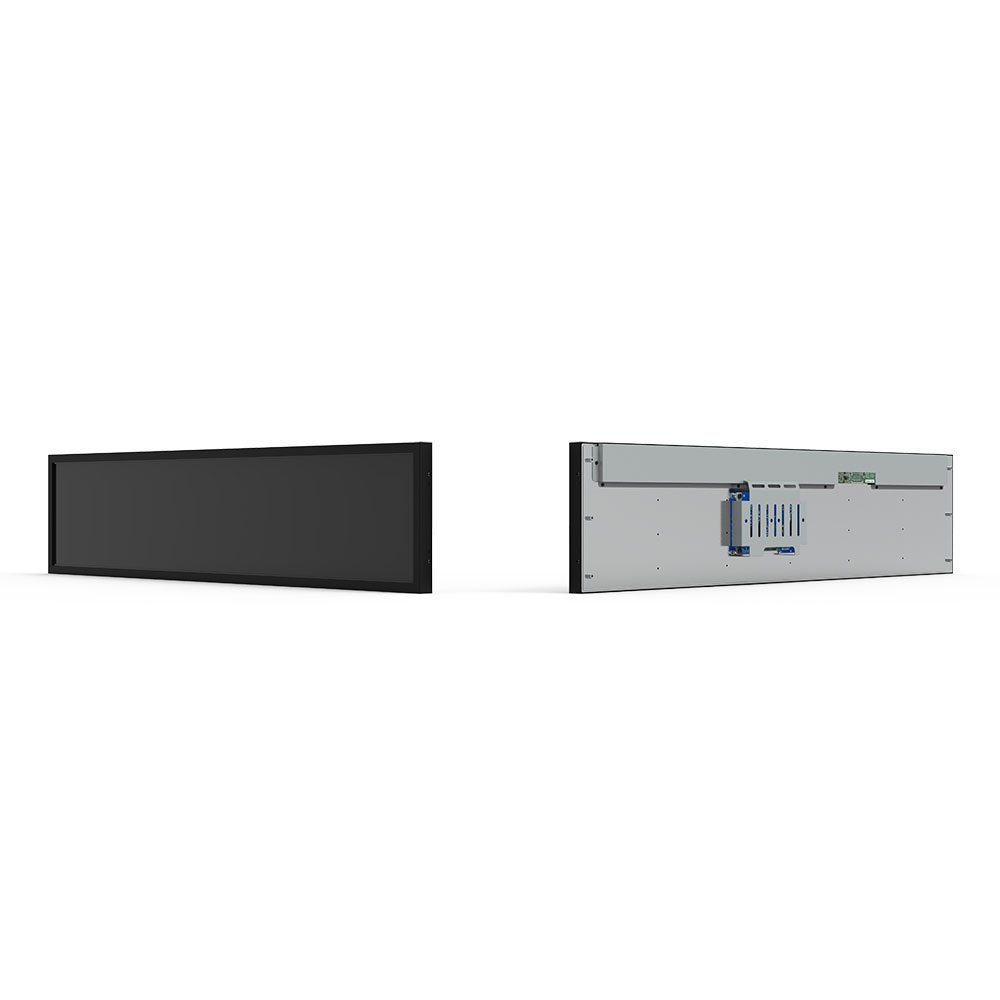
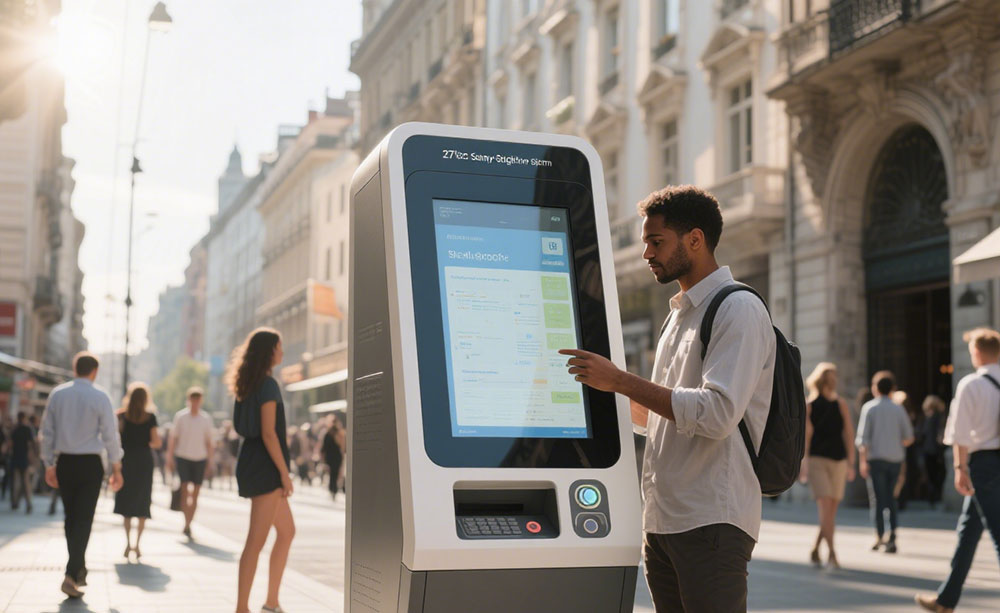
The 32-inch display panel has emerged as a critical component in modern industrial, commercial, and embedded systems due to its optimal balance of size, resolution, power efficiency, and durability. Whether deployed in factory automation, medical equipment, retail kiosks, or outdoor digital signage, the 32-inch LCD panel offers high brightness (typically 5000 nits or more), wide viewing angles, and robust performance under harsh environmental conditions—making it ideal for sunlight-readable applications.
Industry-grade 32-inch display panels are engineered using advanced technologies such as IPS (In-Plane Switching) or VA (Vertical Alignment) liquid crystal structures, which provide superior color accuracy and uniformity compared to standard TN panels. For instance, in manufacturing environments where ambient light fluctuates, these panels often exceed 5000 cd/m² luminance—ensuring visibility even under direct sunlight, as per ISO 9241-3 standards for human-centered design. This is especially vital for control rooms, military command centers, and transportation systems like train dashboards or aircraft cockpit displays.
One major advantage of 32-inch panels lies in their compatibility with industrial-grade electronics. Many models support wide temperature ranges (-20°C to +70°C), IP65 dust and water resistance, and long-term reliability (>50,000 hours MTBF). Manufacturers such as LG Display, BOE Technology, and Sharp offer certified modules that meet MIL-STD-810G vibration and shock resistance standards—proving essential for ruggedized deployments in oil rigs, construction sites, or mobile medical units.
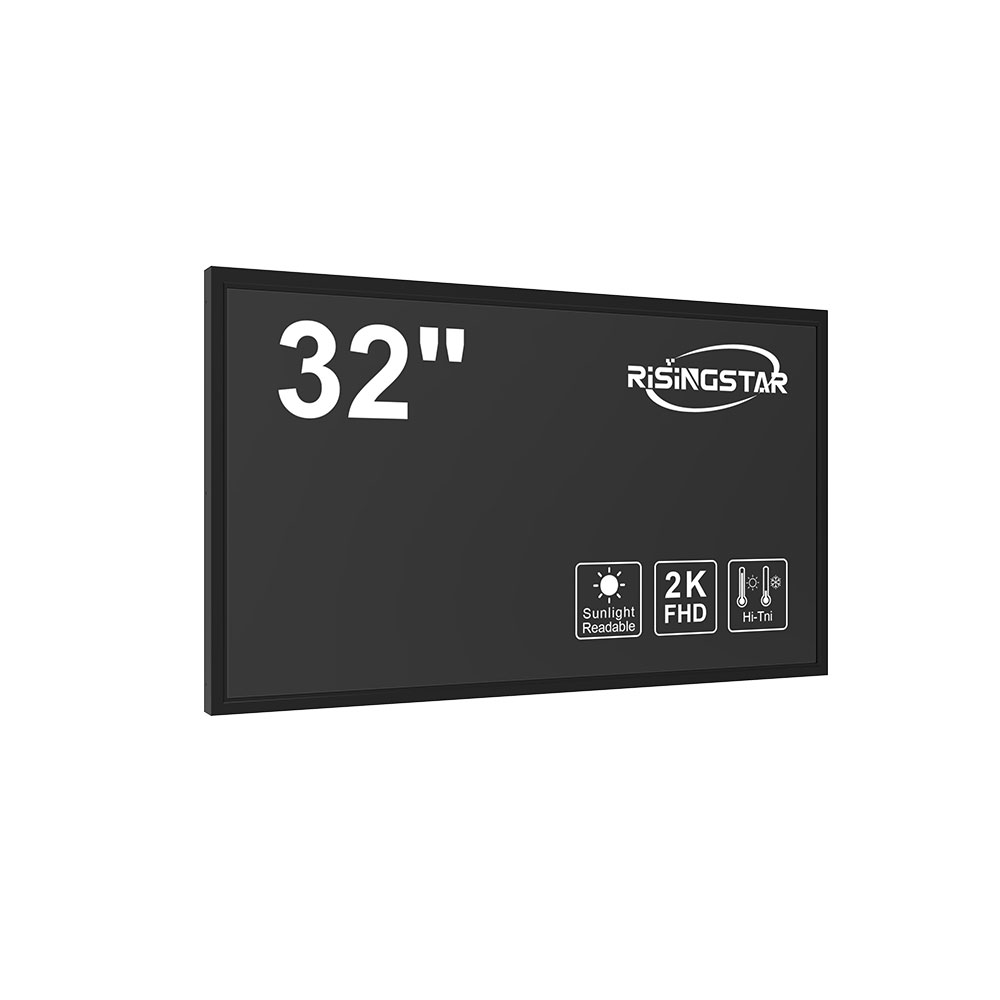
Case studies highlight real-world success. In a 2023 deployment at a European smart factory, a 32-inch sunlight-readable panel integrated into an automated quality inspection system reduced operator errors by 34% compared to legacy 24-inch displays. Similarly, a hospital in Dubai implemented 32-inch touch-enabled panels in emergency triage stations; the higher resolution (typically 1920x1080 or 3840x2160) allowed clinicians to view patient vitals and imaging data clearly—even in bright operating rooms.
From a technical standpoint, the transition from analog VGA inputs to HDMI 2.0, DisplayPort 1.4, and LVDS interfaces has enabled seamless integration with modern GPUs and embedded processors like NVIDIA Jetson or Raspberry Pi Compute Modules. Additionally, many 32-inch panels now feature built-in IR or capacitive touch layers, enabling intuitive user interaction without external peripherals.
For businesses seeking reliable, future-proofed solutions, choosing a 32-inch display panel means investing in a scalable platform that supports both current and emerging needs—from AI-driven analytics dashboards to edge computing applications. The combination of high brightness, environmental resilience, and standardized connectivity makes this panel size uniquely suited for mission-critical deployments across sectors.