RisingStar
- Home
- About Us
- Products
- News
- Video
- Contact
- Send Inquiry
Search
- Home
- About Us
- Products
- News
- Video
- Contact
- Send Inquiry
RisingStar
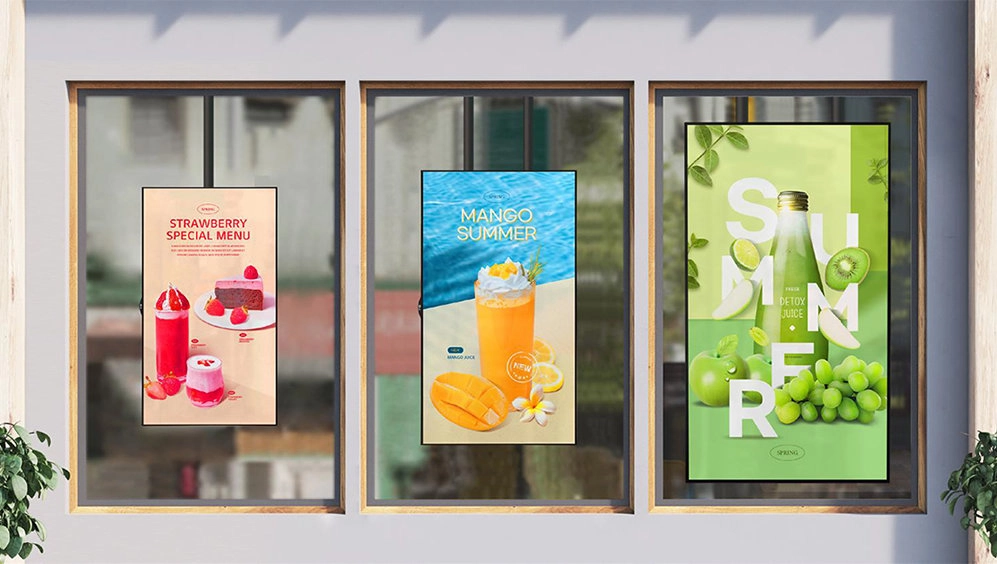
High-brightness sunlight-readable LCD screens are essential components in modern industrial, military, automotive, and outdoor environments where visibility under direct sunlight is critical. These displays are engineered to maintain clarity, contrast, and color accuracy even in intense ambient light conditions—often exceeding 10,000 lux. The display ratio of 16:9 ensures compatibility with widescreen content formats such as HD (1280x720), Full HD (1920x1080), and beyond, making them ideal for applications like digital signage, kiosks, medical equipment, avionics, and command-and-control systems.
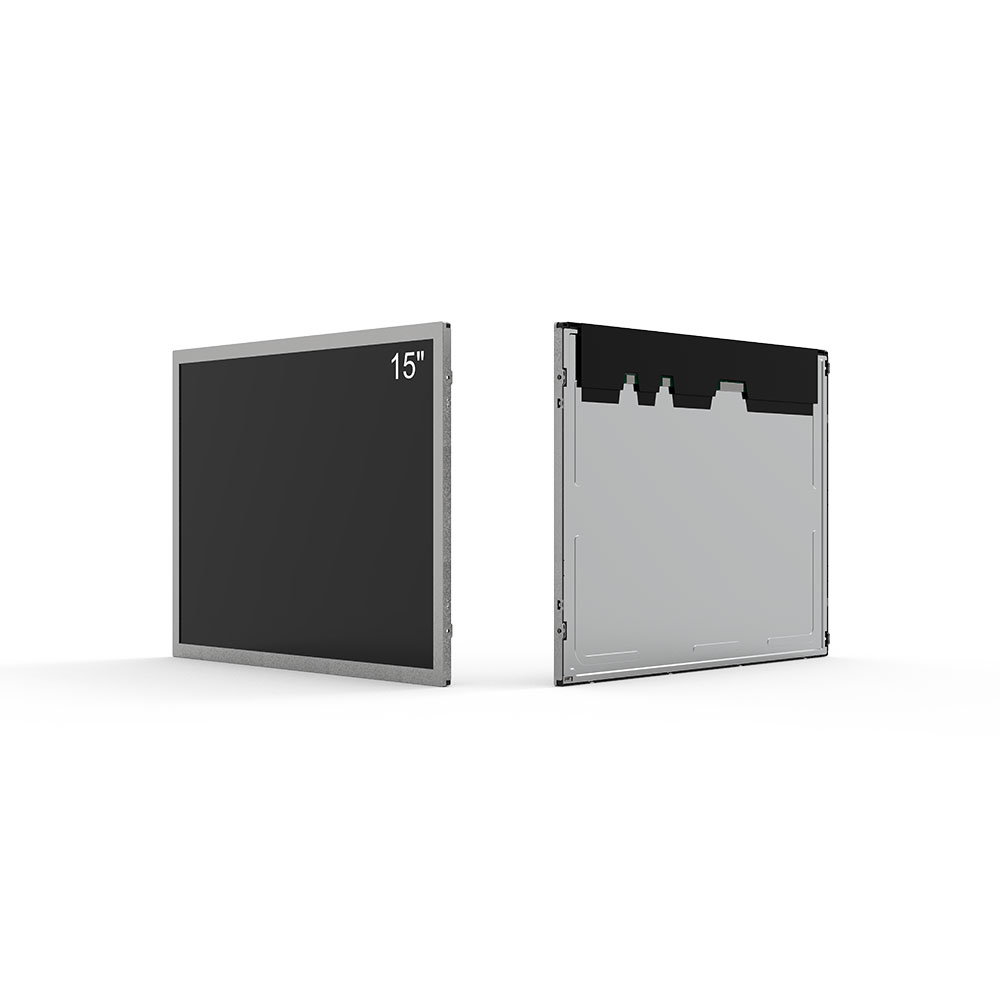
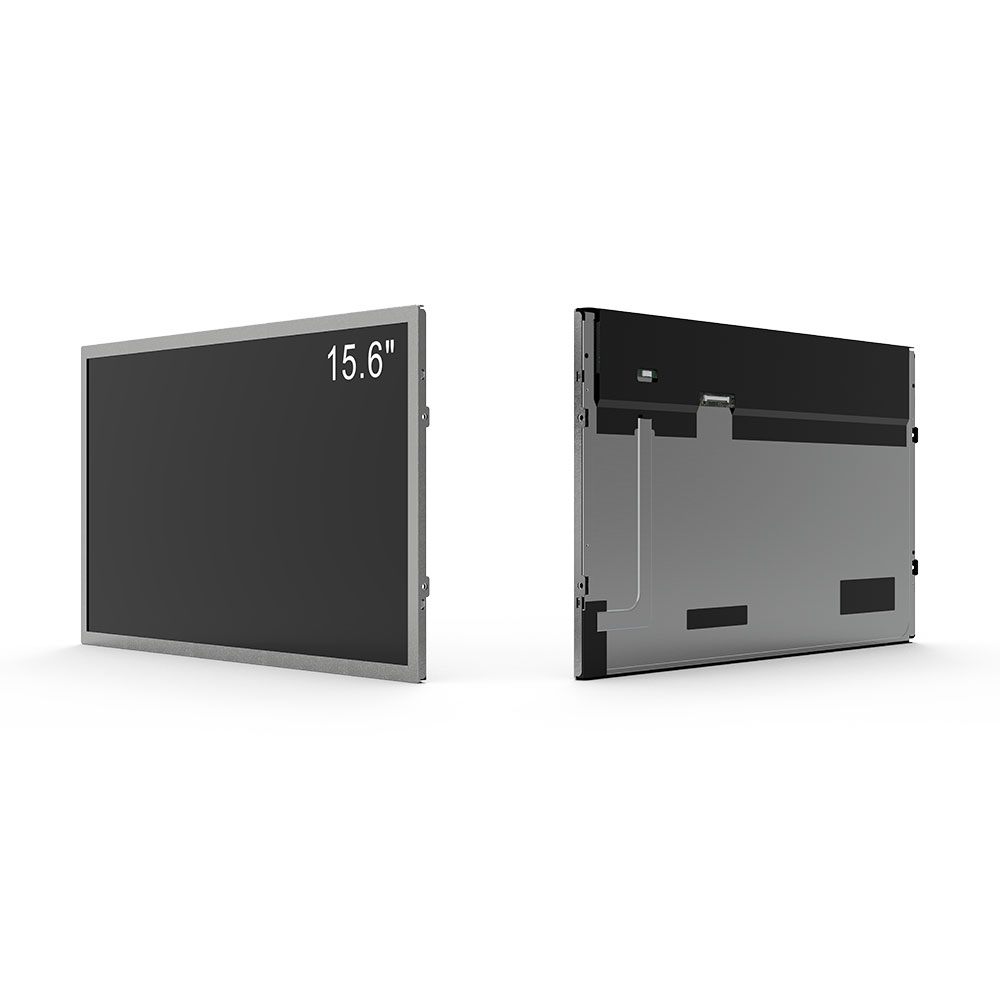
Available in a wide range of sizes—from compact 10.1-inch models used in portable devices to massive 110-inch panels for public information displays—these LCDs are built using advanced technologies such as high-luminance LED backlights, anti-glare coatings, and active matrix TFT (Thin-Film Transistor) panels. For example, a 15.6-inch unit may feature 4000 nits of brightness, while a 75-inch panel can achieve up to 8000 nits—far exceeding the 300–500 nits typical of standard consumer-grade LCDs.
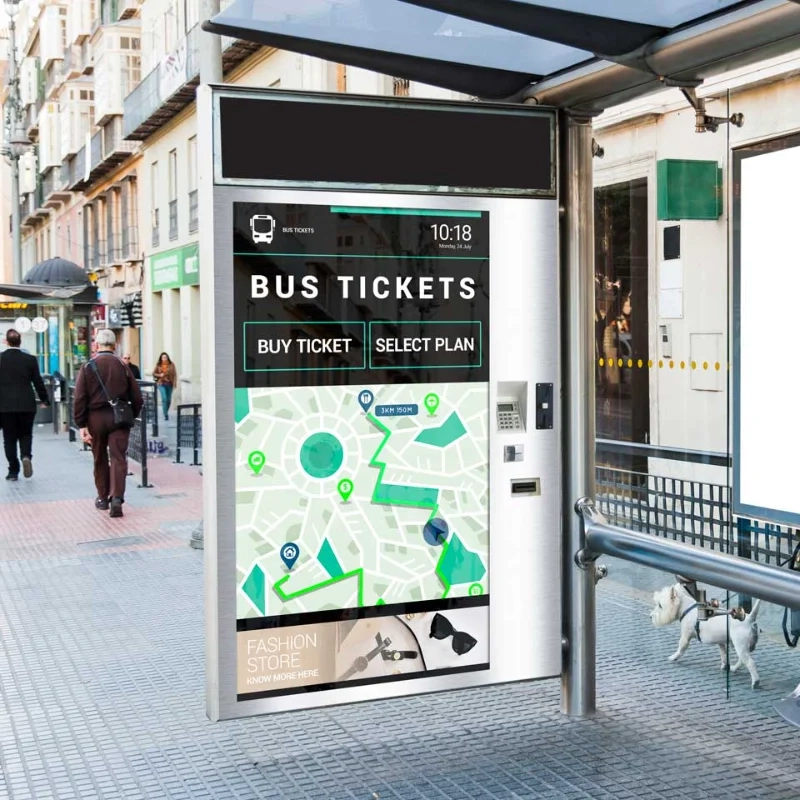
Manufacturers leverage standards like MIL-STD-810 for ruggedization, IP65 or higher for dust and water resistance, and IEC 60068 for environmental durability. Case studies from defense sectors show that sunlight-readable displays enable real-time battlefield data visualization on armored vehicles, even in desert or tropical climates. In transportation, 23.8-inch units mounted in bus interiors provide clear route updates despite direct sunlight exposure during peak hours. Meanwhile, healthcare providers use 13.3-inch touchscreen displays in ambulances to view patient vitals under emergency lighting conditions.
The evolution of these displays includes innovations such as adaptive brightness control, which reduces power consumption by adjusting luminance based on ambient light sensors, and embedded polarizers that minimize reflection without sacrificing image quality. According to a 2023 report by MarketsandMarkets, the global sunlight-readable display market is projected to reach $3.2 billion by 2028, growing at a CAGR of 6.4%, driven by increasing demand in smart cities, autonomous vehicles, and industrial IoT. Leading manufacturers such as LG Display, BOE Technology, and Innolux now offer certified solutions compliant with ISO 16750 (automotive reliability) and EN 50121 (railway electromagnetic compatibility).
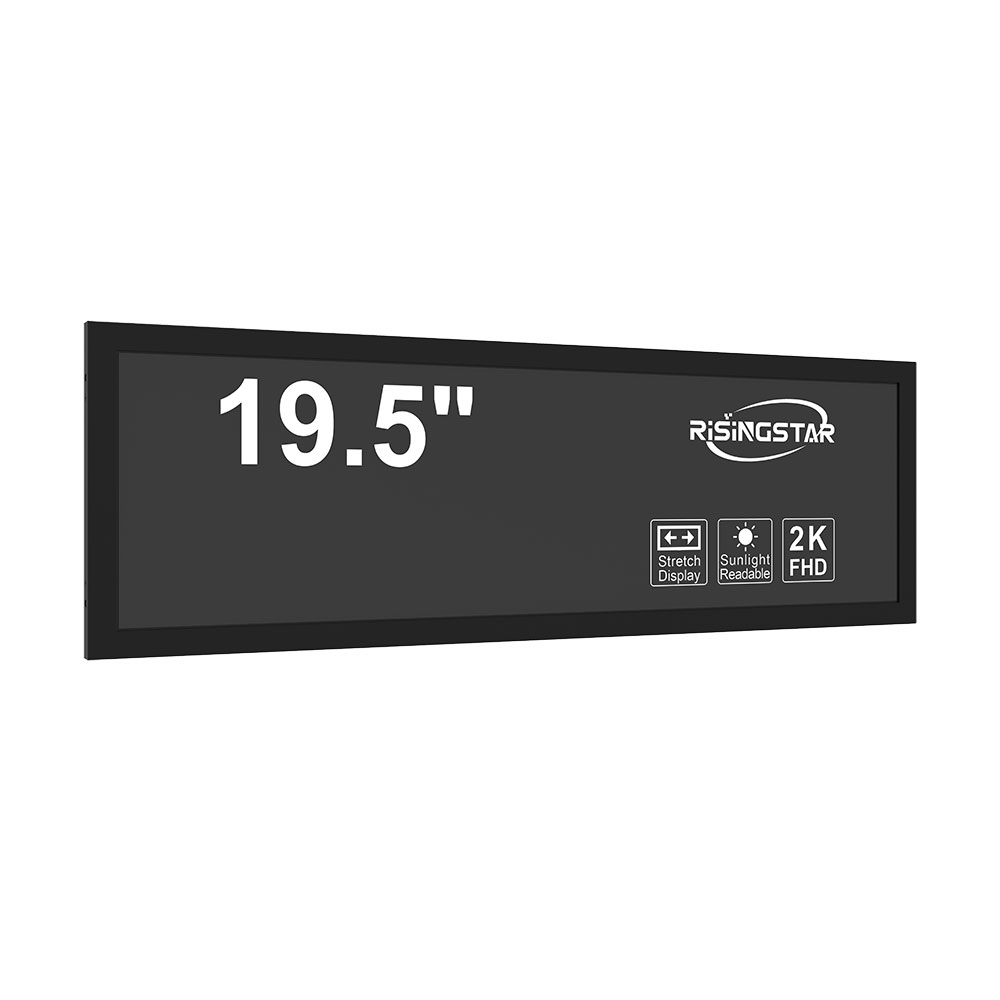
For engineers and procurement managers, selecting the right size—such as 18.5” for basic control panels or 43” for multi-monitor setups—requires balancing brightness levels, viewing angles, touch functionality, and power efficiency. The 16:9 aspect ratio remains dominant due to its universal compatibility with video streaming, surveillance feeds, and productivity software. As technology advances, future iterations will likely incorporate OLED-based sunlight-readable solutions, offering deeper blacks and improved contrast ratios while maintaining ultra-high brightness capabilities.