RisingStar
- Home
- About Us
- Products
- News
- Video
- Contact
- Send Inquiry
Search
- Home
- About Us
- Products
- News
- Video
- Contact
- Send Inquiry
RisingStar
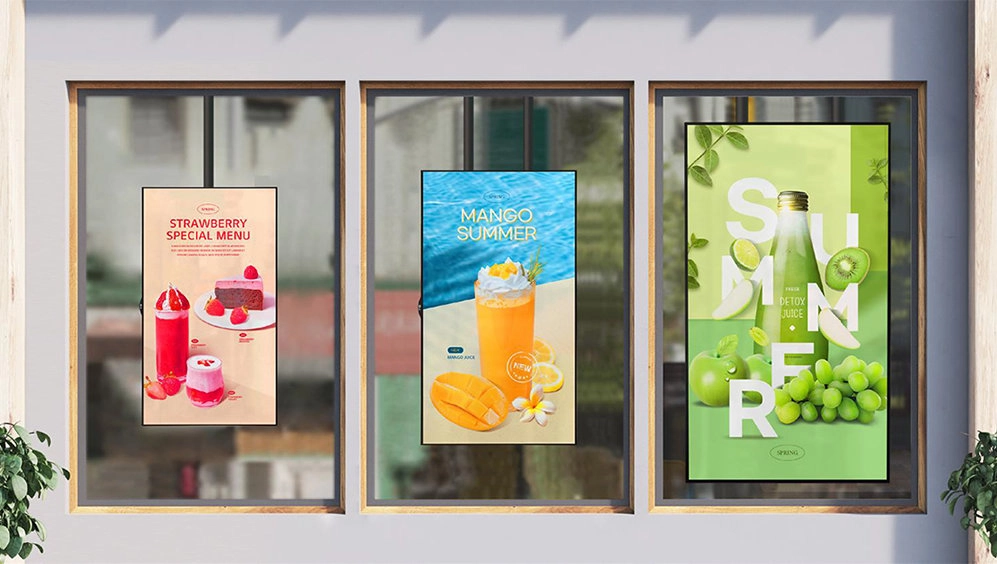
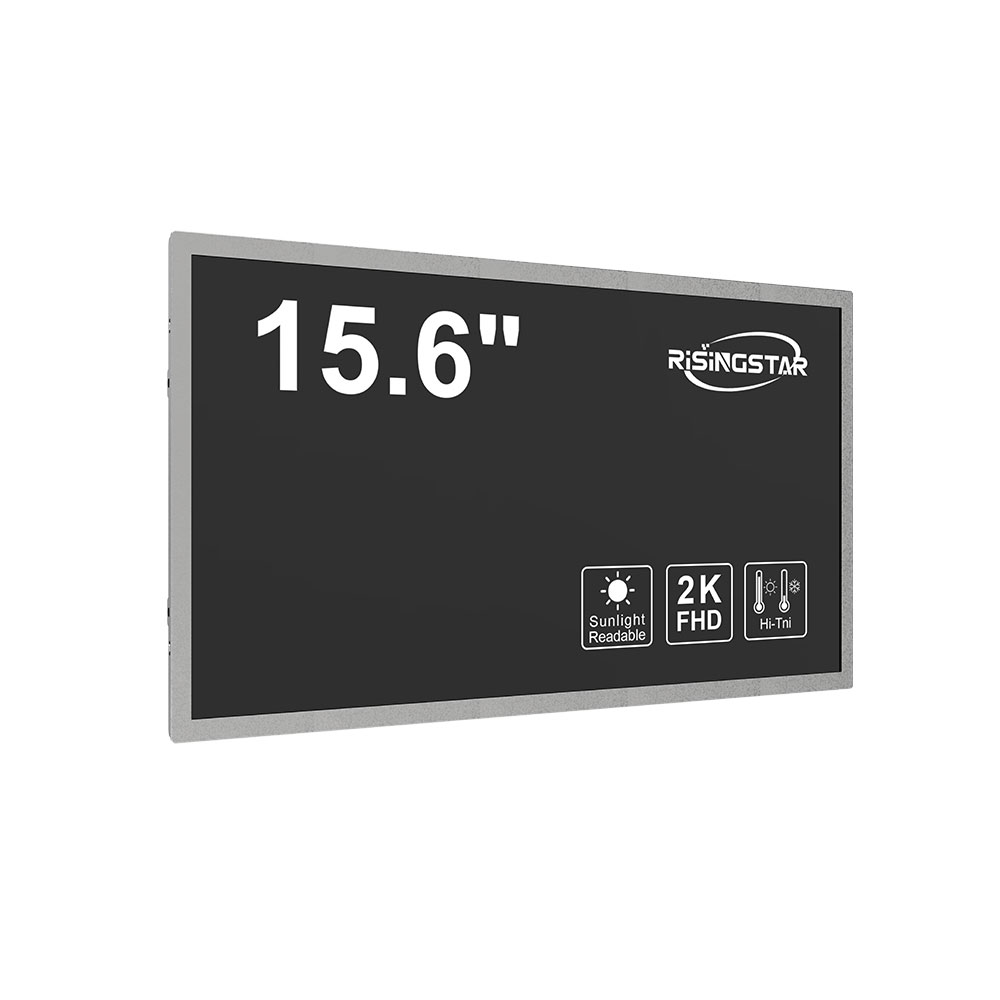
High-brightness sunlight-readable LCD screens are critical components in modern industrial, military, transportation, and outdoor consumer electronics. These displays are engineered to remain fully visible under extreme lighting conditions—such as direct sunlight exceeding 100,000 lux—where conventional LCDs become unreadable. The technology behind these displays combines advanced backlighting systems, anti-glare coatings, optimized contrast ratios, and specialized liquid crystal materials to ensure visibility, durability, and energy efficiency.
One of the core innovations in this field is the use of high-luminance LED backlights capable of producing over 5,000 nits (cd/m²) of brightness—far surpassing the typical 300–500 nits of standard consumer-grade displays. For example, MIL-STD-188-132A-compliant displays used in military vehicles often exceed 7,000 nits to maintain readability in battlefield conditions. Manufacturers such as Eizo, LG Display, and Innolux have developed proprietary technologies like "Sunlight Readable" or "High-Visibility Displays" that integrate ambient light sensors for dynamic brightness adjustment, reducing power consumption without sacrificing clarity.
Another key element is the use of transflective liquid crystal technology, which allows the display to function efficiently in both bright ambient light and low-light environments. Unlike traditional transmissive LCDs that rely solely on a backlight, transflective panels reflect ambient light during daylight while switching to backlight mode at night. This dual-mode operation improves battery life in portable devices—a major advantage for field equipment such as handheld GPS units, tactical tablets, and drones.
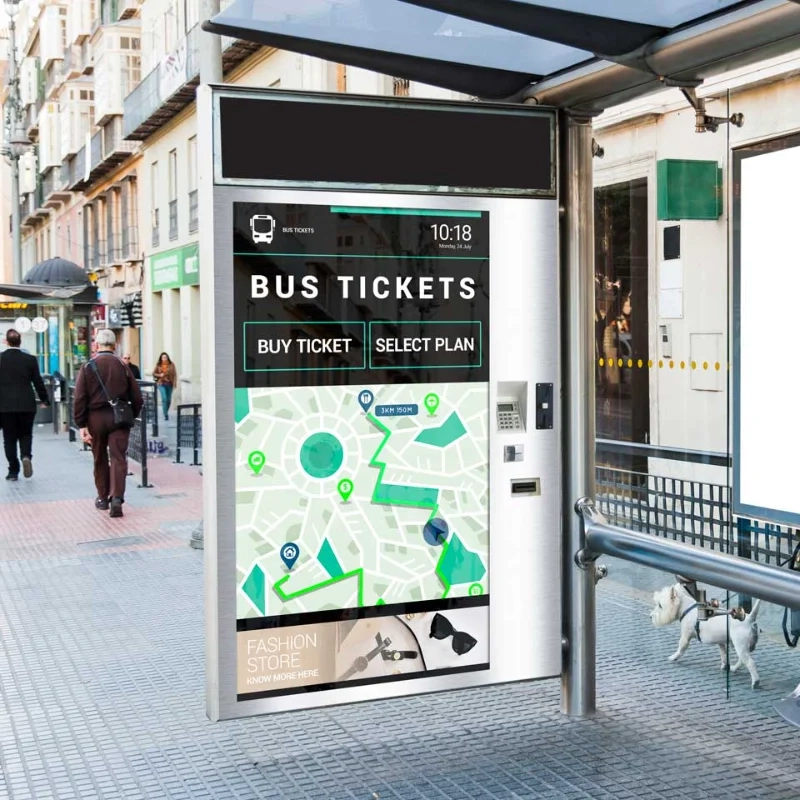
Case studies from real-world applications demonstrate the effectiveness of these screens. In the aviation sector, Boeing and Airbus have adopted sunlight-readable LCDs for flight deck instruments, ensuring pilots can access critical data even during midday operations in high-altitude conditions. Similarly, in the mining industry, companies like Rio Tinto deploy ruggedized tablets with 5,000-nit displays for site monitoring, where dust, heat, and sunlight exposure would otherwise render standard screens unusable. According to a 2023 report by MarketsandMarkets, the global market for sunlight-readable displays is projected to grow at a CAGR of 6.4% through 2028, driven by demand from defense, automotive, and IoT sectors.
From an engineering perspective, compliance with standards such as ISO 16750 (road vehicle environmental conditions), IP67/IP68 ingress protection ratings, and extended temperature ranges (-20°C to +70°C) further validates the robustness of these displays. Additionally, advancements in OLED and micro-LED technologies are beginning to offer new possibilities for ultra-high-brightness, low-power alternatives, though cost and scalability remain challenges for mass adoption.
In summary, high-brightness sunlight-readable LCDs are not just about brightness—they represent a convergence of optical engineering, material science, and system-level design. As more industries require reliable, human-readable interfaces in demanding outdoor and mobile environments, the demand for these displays will continue to rise, pushing innovation forward in both performance and sustainability.