 RisingStar
- Home
- About Us
- Products
- News
- Video
- Contact
- Send Inquiry
Search
- Home
- About Us
- Products
- News
- Video
- Contact
- Send Inquiry
RisingStar
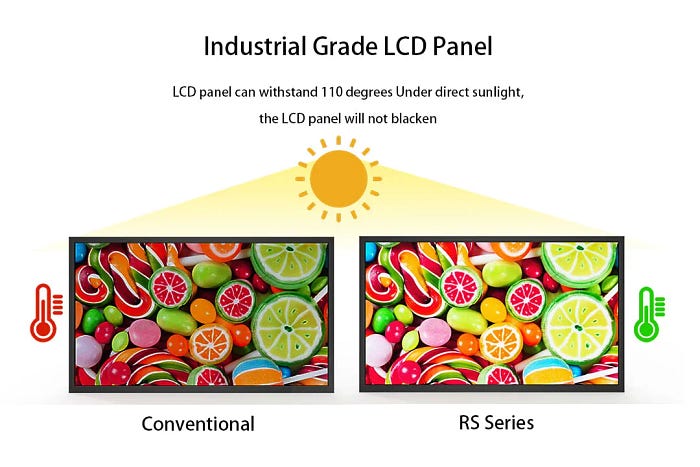
High brightness sunlight-readable LCD displays are essential in modern outdoor environments where visibility under direct sunlight is critical. These specialized screens are engineered to maintain clarity and performance even in extreme lighting conditions, such as those found in military operations, transportation systems, public information kiosks, and industrial control panels. Unlike standard LCDs, which often become illegible in bright daylight due to insufficient luminance and poor contrast, high-brightness displays typically operate at 5,000 to 10,000 nits of brightness—far exceeding the 200–500 nits of typical indoor screens.
The technology behind these displays involves several advanced features. First, they use high-efficiency backlighting systems, often LED-based with optimized optical films that enhance light output while reducing power consumption. Second, anti-glare and polarization coatings minimize reflections, improving readability from various angles. Third, advanced liquid crystal materials—such as IPS (In-Plane Switching) or VA (Vertical Alignment)—provide wide viewing angles and improved color consistency, ensuring consistent image quality even when viewed obliquely.
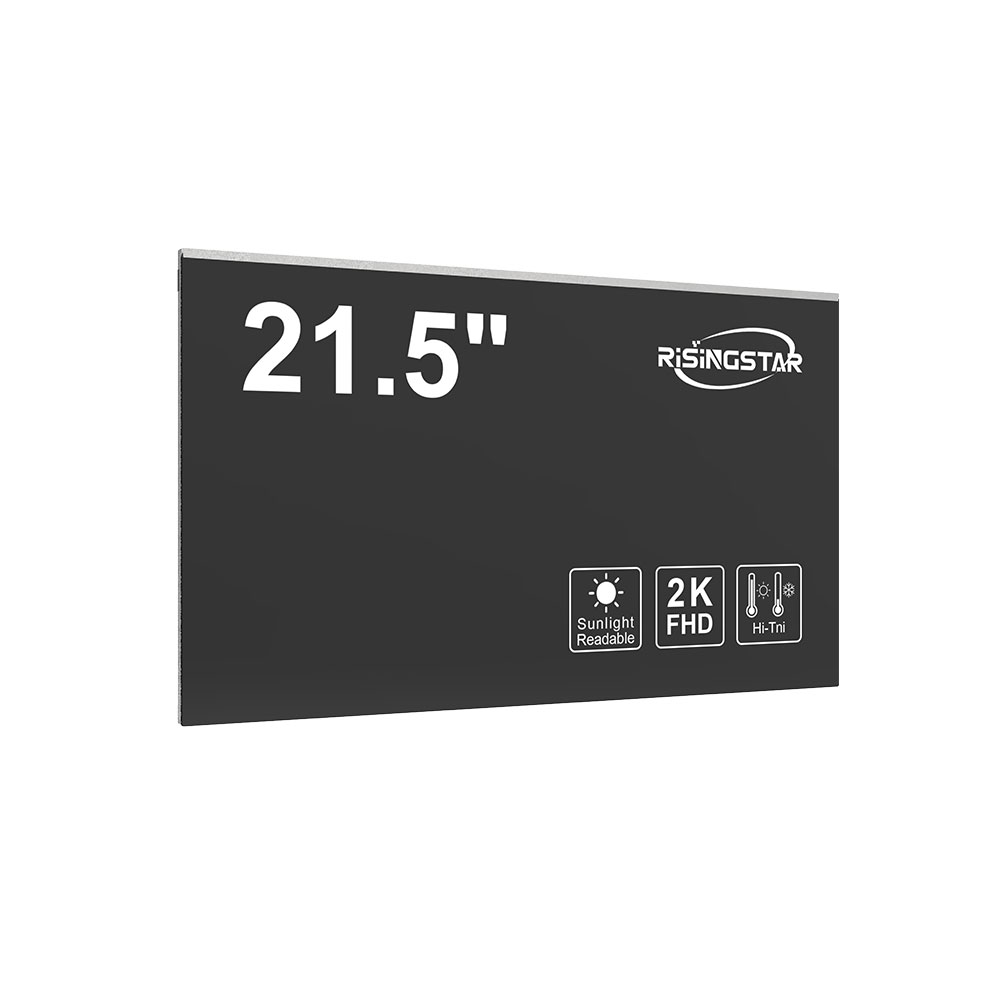
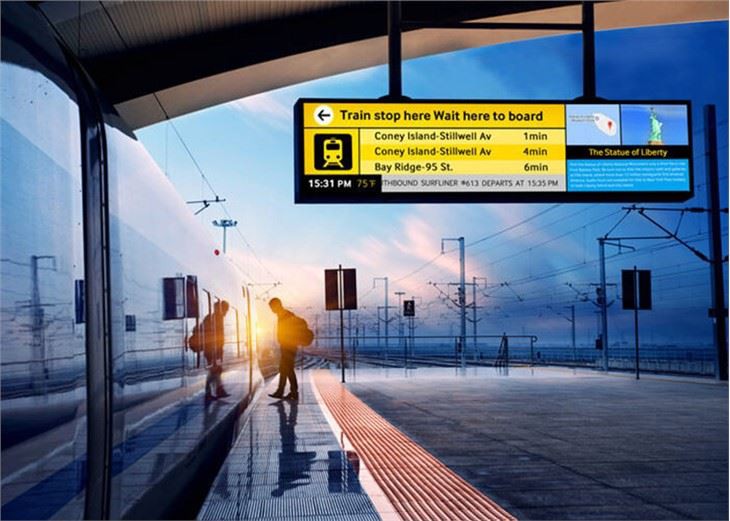
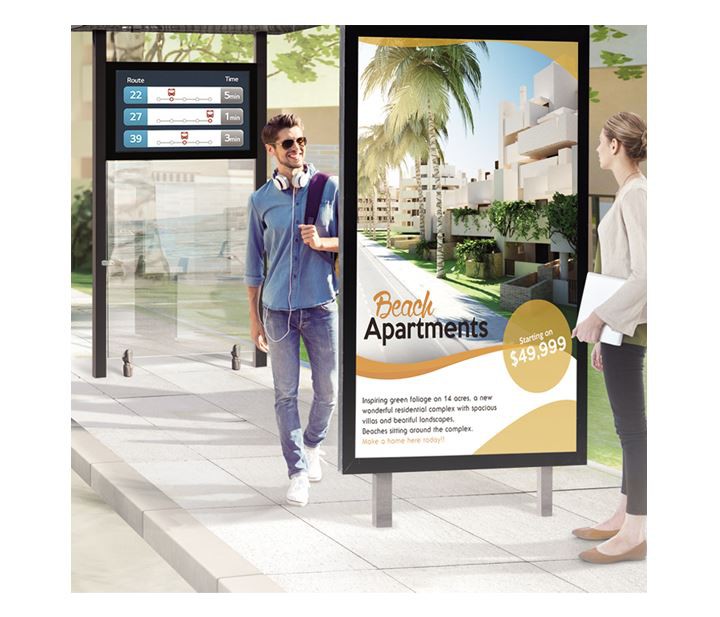
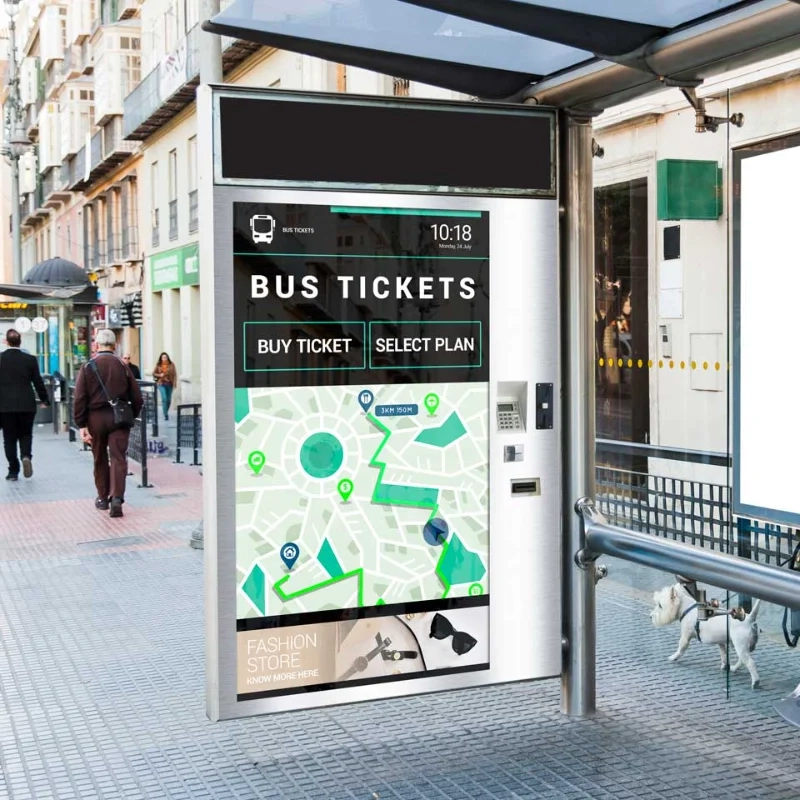
Industry case studies demonstrate the real-world impact of high-brightness LCDs. For instance, the U.S. Department of Defense has adopted 7,000-nit sunlight-readable displays in armored vehicles to ensure situational awareness during field operations. Similarly, cities like Tokyo and Singapore have deployed outdoor digital signage using 6,000-nit displays for public transit information, achieving over 98% readability in full sun. In the energy sector, solar farms now rely on ruggedized high-brightness LCDs for monitoring systems, allowing technicians to access real-time data without being hindered by glare or low visibility.
These displays also meet stringent environmental standards like MIL-STD-810 for shock, vibration, and temperature resistance, making them suitable for harsh climates—from arid deserts to sub-zero Arctic conditions. The integration of automatic brightness control (ABC) further enhances energy efficiency by adjusting luminance based on ambient light levels, extending battery life in mobile applications.
As global demand for reliable outdoor digital interfaces grows—with projections from MarketsandMarkets estimating the global sunlight-readable display market to exceed $2.3 billion by 2027—manufacturers must prioritize not only peak brightness but also long-term durability, low power consumption, and ergonomic design. Engineers and procurement teams increasingly seek solutions that combine technical excellence with cost-effectiveness, particularly in sectors such as smart infrastructure, emergency response, and autonomous vehicle dashboards.
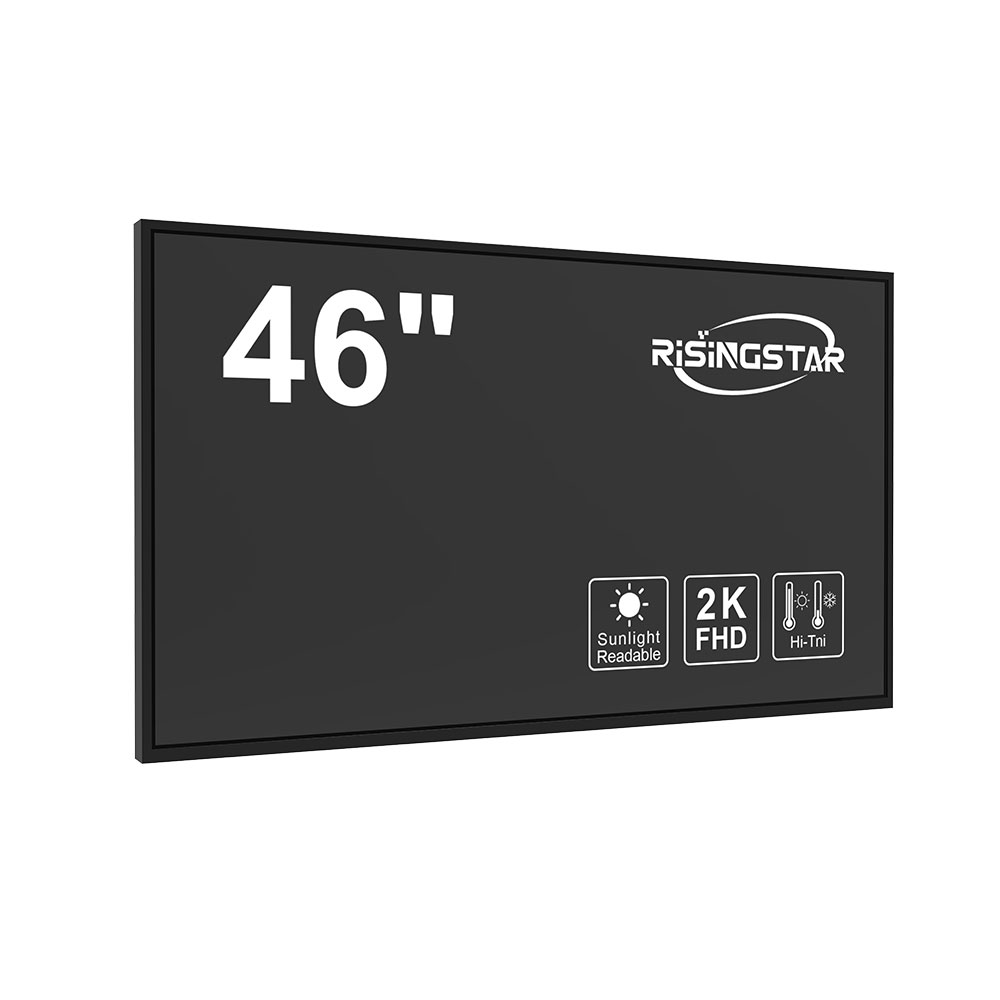
For end users, choosing the right high-brightness LCD means understanding metrics like peak luminance, contrast ratio, and viewing angle specifications—not just marketing claims. When paired with proper mounting hardware and protective enclosures, these displays provide a robust, long-lasting solution for any outdoor application requiring clear, accurate visual communication.