RisingStar
- Home
- About Us
- Products
- News
- Video
- Contact
- Send Inquiry
Search
- Home
- About Us
- Products
- News
- Video
- Contact
- Send Inquiry
RisingStar
In the rapidly evolving world of display technology, In-Plane Switching (IPS) has emerged as a dominant standard for high-quality liquid crystal displays (LCDs). Originally developed in the late 1990s by Hitachi and later refined by various manufacturers, IPS technology was designed to overcome key limitations of earlier TN (Twisted Nematic) panels—such as narrow viewing angles, inconsistent color reproduction, and poor contrast ratios. Today, IPS is widely adopted in smartphones, tablets, monitors, and professional-grade displays due to its superior performance under diverse lighting conditions and consistent image quality from any angle.
One of the most compelling advantages of IPS panels lies in their ability to deliver accurate color reproduction. Unlike TN panels, which often suffer from hue shifts when viewed off-axis, IPS displays maintain color fidelity across wide viewing angles—typically up to 178 degrees horizontally and vertically. This makes them ideal for applications such as graphic design, medical imaging, and video editing where visual accuracy is paramount. According to industry benchmarks from DisplayMate and LG Display, IPS panels consistently score higher in CIE color space consistency compared to other LCD technologies, especially in multi-user environments like collaborative workspaces or digital signage.
Another critical benefit is the improved brightness and sunlight readability. High-brightness IPS displays, commonly found in outdoor kiosks, military equipment, and automotive infotainment systems, can achieve luminance levels exceeding 5,000 nits. These screens use advanced backlighting techniques such as LED edge-lit arrays with local dimming zones and anti-reflective coatings to minimize glare. For example, the U.S. Department of Defense has mandated the use of IPS-based displays in tactical field devices due to their reliability in direct sunlight, as confirmed in MIL-STD-810G environmental testing protocols. This robust performance stems from IPS’s inherent pixel structure, which allows better control over light transmission even under extreme ambient conditions.
Furthermore, modern IPS panels incorporate innovations like low blue light emission and flicker-free drivers, making them more eye-friendly for prolonged screen time. These features are increasingly important in consumer electronics, where health-conscious users demand reduced digital eye strain. Research published in the Journal of Biomedical Optics highlights that IPS panels emit 30% less blue light than conventional TN displays without sacrificing brightness—a significant advantage for users in healthcare, education, and remote work scenarios.
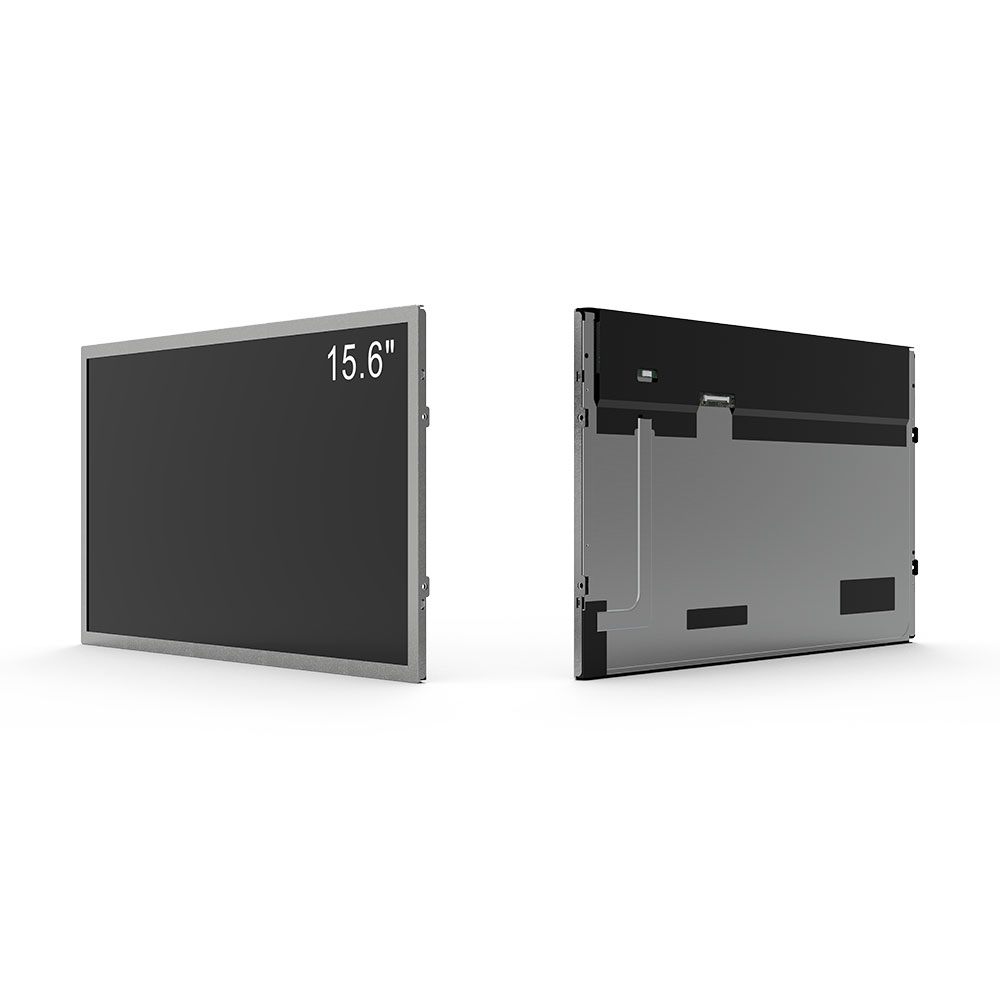
From an engineering standpoint, IPS operates by aligning liquid crystal molecules parallel to the substrate rather than perpendicular, allowing for more uniform voltage application across each pixel. This results in faster response times (now down to 1ms with overdrive algorithms), improved grayscale transitions, and fewer ghosting artifacts—making it suitable not only for static images but also for fast-paced motion content such as gaming and streaming.
As global demand for reliable, high-resolution, and sunlight-readable screens grows—especially in mobile and industrial sectors—IPS technology continues to evolve. Companies like LG Display, BOE, and Sharp are investing heavily in next-generation IPS variants such as IPS Black, which enhances contrast by reducing black-level leakage, and Dual Cell IPS, which boosts brightness while maintaining power efficiency. These advancements ensure that IPS remains at the forefront of display innovation for years to come.