RisingStar
- Home
- About Us
- Products
- News
- Video
- Contact
- Send Inquiry
Search
- Home
- About Us
- Products
- News
- Video
- Contact
- Send Inquiry
RisingStar
High-brightness sunlight-readable LCD displays are essential in modern transit systems, especially for outdoor applications such as bus stops, train stations, and subway kiosks. These displays must maintain visibility under extreme lighting conditions—ranging from direct sunlight to nighttime darkness—without compromising performance or durability. Unlike standard indoor LCD screens, which typically offer 300–500 nits of brightness, high-brightness outdoor displays operate at 5,000 to 10,000 nits or more, ensuring readability even in full daylight.
The core technology behind these displays includes advanced backlighting systems, anti-glare coatings, and optimized contrast ratios. For instance, LED-backlit panels with local dimming control enhance image clarity while reducing power consumption—an important factor in energy-efficient public transport infrastructure. Additionally, materials like Gorilla Glass and ruggedized enclosures protect against environmental stressors including rain, dust, temperature fluctuations, and physical impact. According to the International Association of Public Transport (UITP), over 70% of cities globally have adopted high-brightness displays in their transit signage systems due to improved passenger experience and operational efficiency.
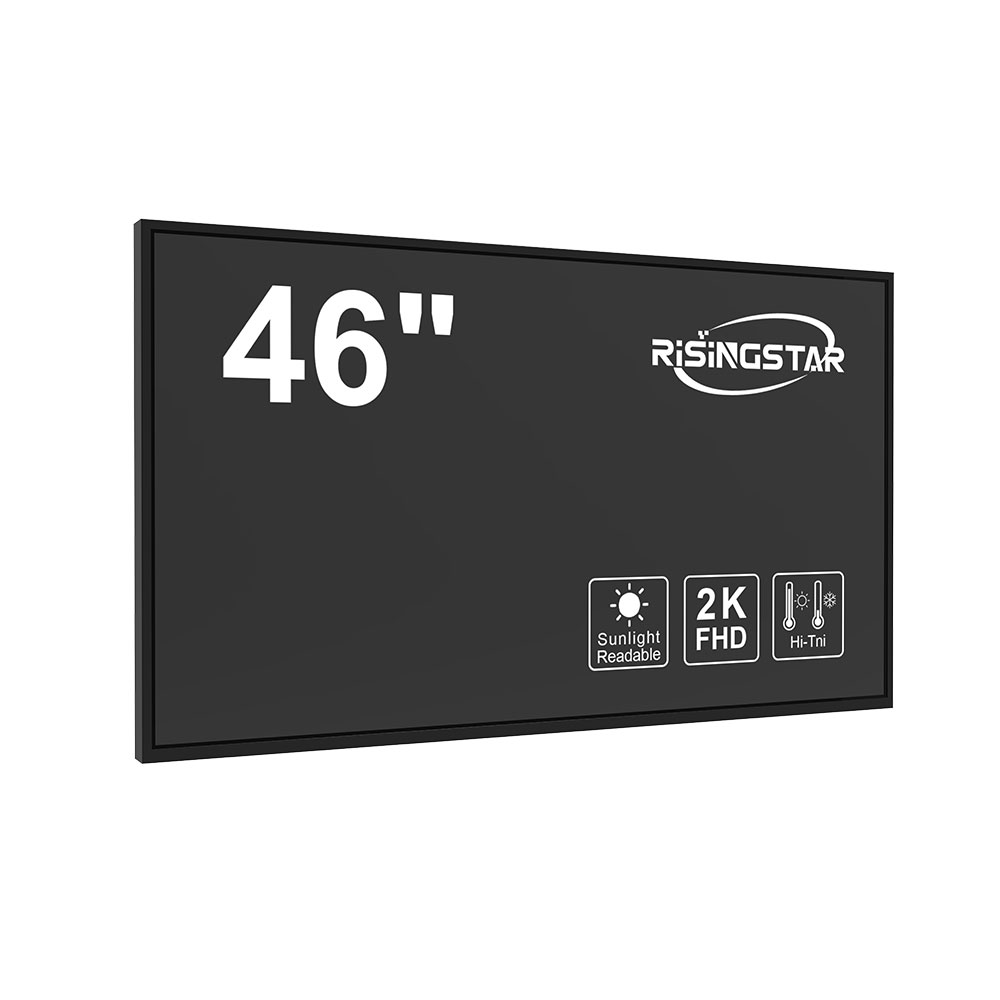
Case studies from New York City’s MTA and Singapore’s Land Transport Authority demonstrate that high-brightness LCDs reduce misreading incidents by up to 85% compared to older models. These systems integrate real-time data feeds—including delays, service alerts, and route changes—making them critical components of smart city initiatives. Moreover, compliance with industry standards such as MIL-STD-810G for shock and vibration resistance ensures longevity in high-traffic environments.
For transit operators, choosing the right display involves balancing brightness levels, viewing angles, power efficiency, and maintenance needs. A 2023 study published in IEEE Transactions on Consumer Electronics highlighted that displays with adaptive brightness control not only extend lifespan but also lower long-term operational costs by up to 20%. This makes high-brightness sunlight-readable LCDs a cost-effective solution for municipalities investing in sustainable urban mobility.
As demand grows for smarter, more responsive transit networks, high-brightness outdoor displays remain indispensable. Their ability to deliver crisp visuals under harsh sunlight, combined with reliability and low maintenance, positions them as a cornerstone of next-generation public transportation interfaces.