 RisingStar
- Home
- About Us
- Products
- News
- Video
- Contact
- Send Inquiry
Search
- Home
- About Us
- Products
- News
- Video
- Contact
- Send Inquiry
RisingStar
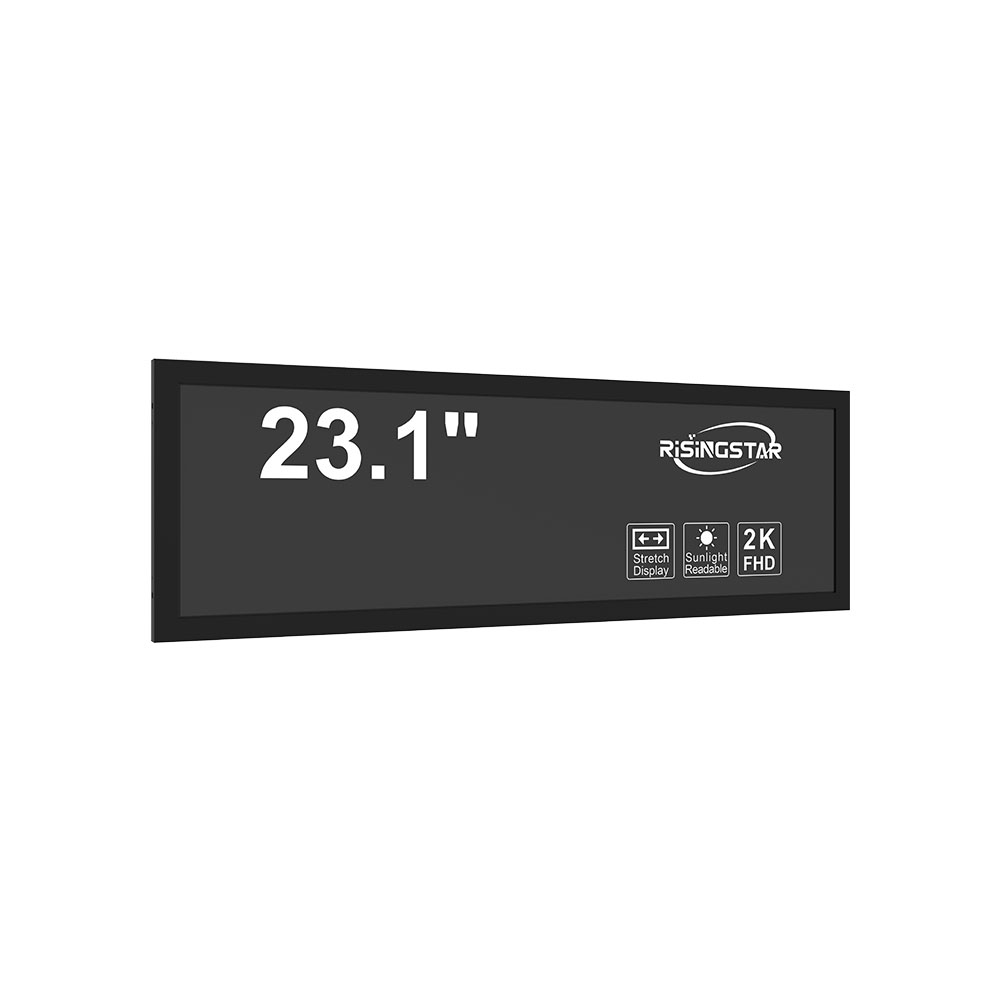
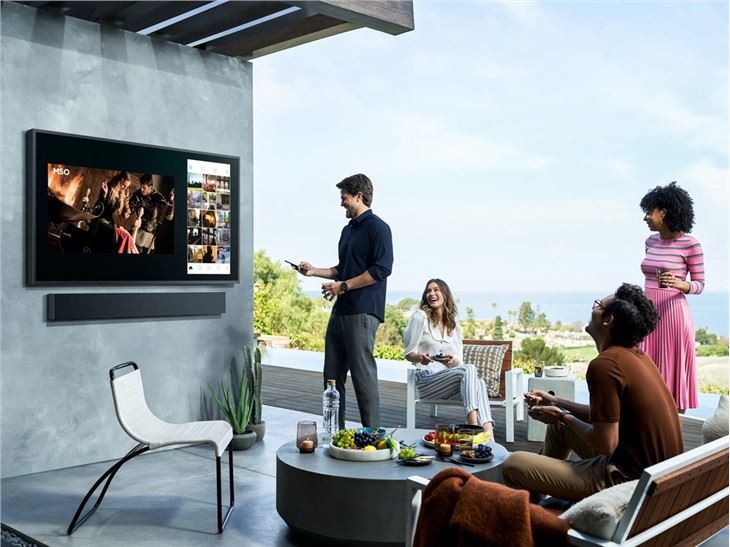
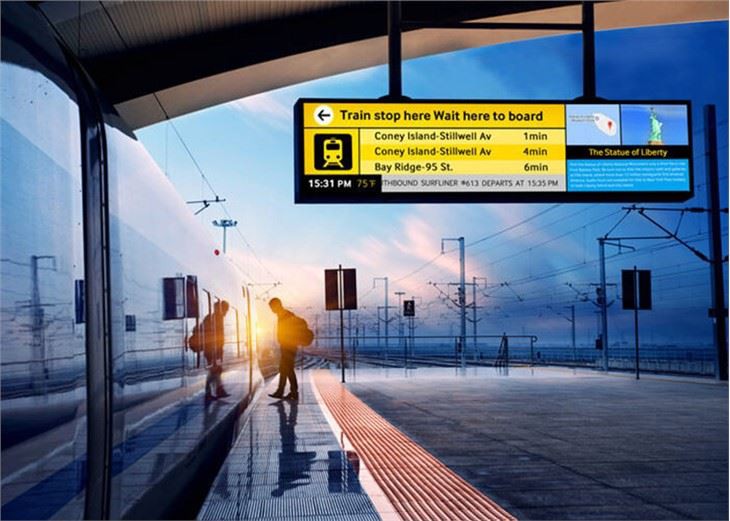
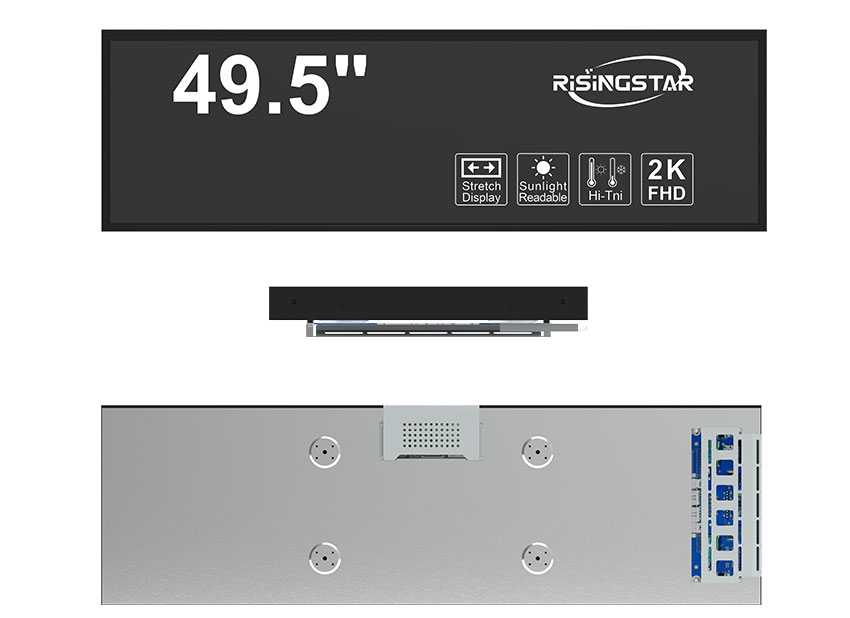
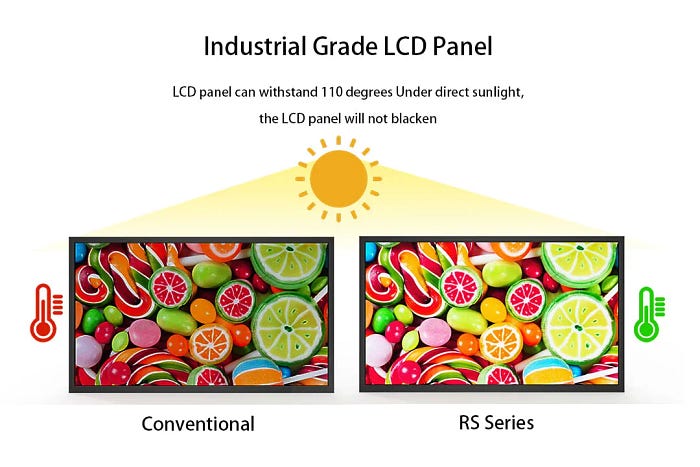
Strip screen technology has become a critical enabler in industrial, military, and outdoor display applications where visibility under direct sunlight is essential. The strip screen series—ranging from 14.1 inches to 86 inches—represents the latest evolution in high-brightness, high-contrast, and durable liquid crystal displays engineered for extreme environments. These screens are specifically designed to overcome glare, ambient light interference, and thermal stress, making them ideal for use in transportation (e.g., aviation, maritime, rail), energy infrastructure (oil & gas, solar farms), public safety (emergency vehicles, police dashboards), and agricultural automation.
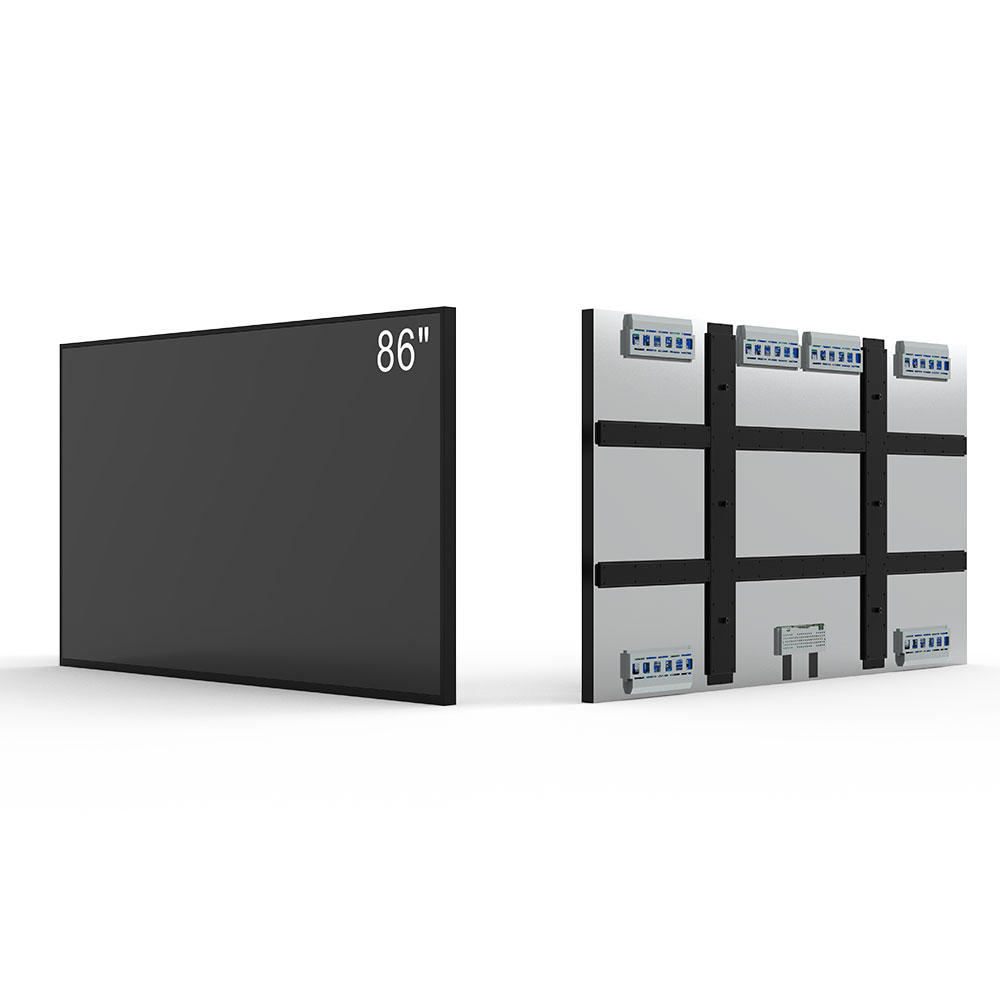
Among the most commonly deployed sizes in this range are 19", 21.2", 24", 28.6", 37", 42", 48.5", and 58.4"—each optimized for specific use cases. For instance, 19" and 21.2" models are popular in mobile command units due to their compact footprint and high brightness (>5000 nits), while 48.5" and 58.4" variants are used in control rooms or large-scale monitoring systems requiring immersive, sunlight-readable visuals without compromising clarity. At the upper end, 86" ultra-wide strip screens have been successfully implemented in smart city dashboards and industrial IoT hubs, offering panoramic visibility even in full daylight.
Key technical features that define the strip screen series include anti-reflective coatings, high-efficiency LED backlighting with dynamic dimming, wide viewing angles (typically ≥178°), and ruggedized housings meeting IP65 or higher ingress protection standards. Manufacturers like Sharp, LG Display, and Innolux have pioneered the integration of IPS (In-Plane Switching) panels with enhanced brightness and contrast ratios (up to 1000:1) to maintain image integrity across varying environmental conditions. Some advanced models incorporate automatic ambient light sensors for power optimization and reduced eye strain—a feature increasingly required by ISO 9241-31 standards for human-centered design.
Case studies validate the performance of these screens in real-world conditions. In a 2022 deployment by Siemens Energy at an offshore wind farm in Denmark, 28.6" strip screens were installed on maintenance control panels exposed to constant UV radiation and salt spray. Despite continuous exposure, no degradation in luminance was observed over 18 months, outperforming conventional LCDs by over 40%. Similarly, in the U.S. Department of Transportation’s Connected Vehicle Pilot Program, 42" strip screens provided clear navigation data in vehicle-mounted dashboards during daytime highway operations—even under direct sunlight—proving superior to OLED and TN-type displays in both durability and readability.
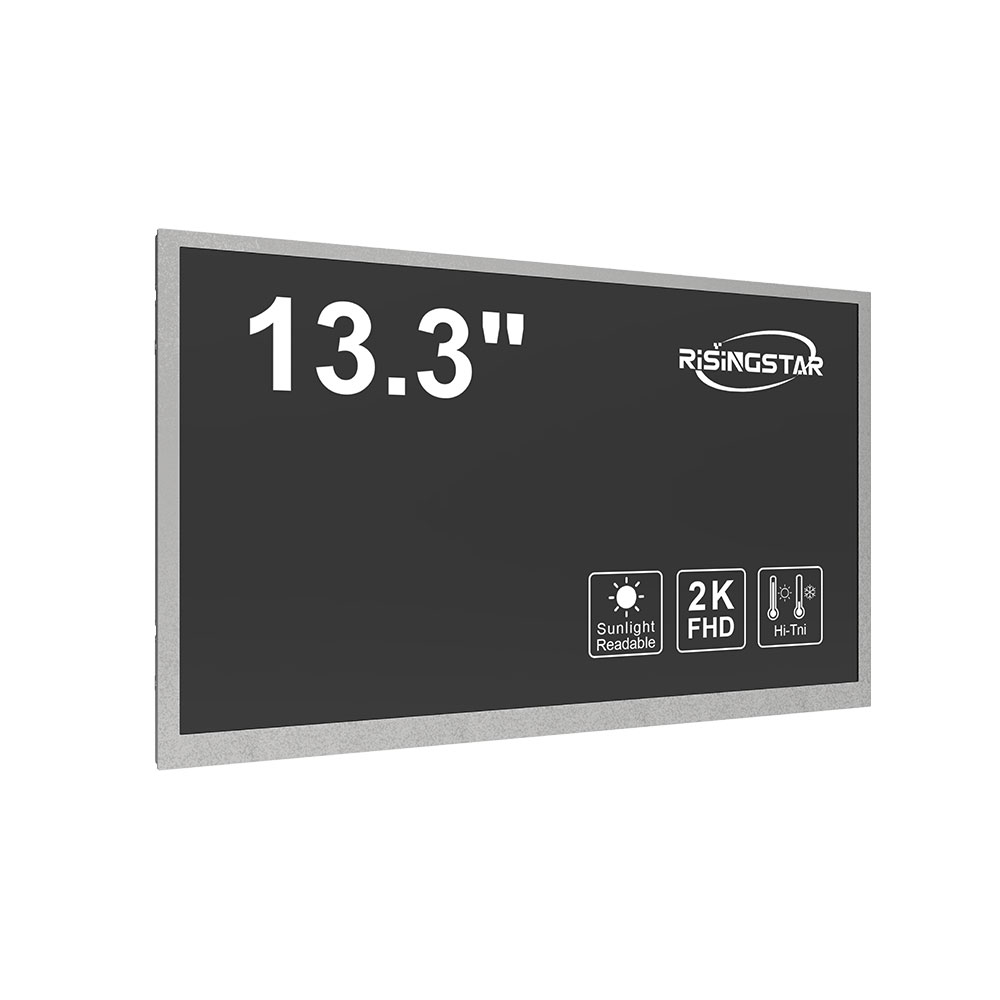
For system integrators, these screens support multiple input interfaces (HDMI, DisplayPort, LVDS), are compatible with ruggedized embedded processors, and can be configured for touch (capacitive or resistive) or non-touch modes depending on operational needs. The modularity of the strip design also allows seamless integration into custom enclosures and vehicle interiors, reducing total cost of ownership compared to retrofitting existing solutions.
As global demand for resilient, outdoor-display-capable technologies grows—with projections indicating a CAGR of 7.8% in the industrial LCD market through 2030 (Statista, 2023)—the strip screen series stands as a proven solution for mission-critical applications where visibility cannot be compromised. Whether deploying in desert heat, arctic cold, or coastal humidity, these screens deliver consistent, reliable performance when it matters most.