RisingStar
- Home
- About Us
- Products
- News
- Video
- Contact
- Send Inquiry
Search
- Home
- About Us
- Products
- News
- Video
- Contact
- Send Inquiry
RisingStar
In today’s increasingly connected and mobile-driven world, high-brightness sunlight-readable LCD screens have become indispensable in outdoor environments where visibility under direct sunlight is critical. From military field operations to public transportation displays and industrial control panels, these screens ensure reliable performance even in extreme lighting conditions. As global demand rises—particularly in automotive, aerospace, and smart city infrastructure sectors—the technology behind high-brightness LCDs has evolved significantly to meet stringent performance standards.
The core challenge in designing a sunlight-readable display lies in overcoming ambient light interference. Standard LCDs often fail in bright daylight because their peak brightness (typically 250–300 cd/m²) is insufficient compared to the 10,000+ cd/m² intensity of direct sunlight. High-brightness LCDs address this by incorporating advanced backlighting systems, anti-glare coatings, and optimized panel designs that boost luminance to 5,000–10,000 cd/m² or higher. For example, the U.S. Department of Defense mandates displays with at least 5,000 cd/m² brightness for all military-grade equipment, a benchmark now widely adopted across commercial applications as well.
Modern solutions often use LED-backlit arrays with dynamic dimming algorithms to maintain power efficiency while maximizing brightness. Additionally, technologies like transmissive polarizers, wide viewing angles, and high-contrast ratios (e.g., 1000:1 or more) enhance readability. Case studies from manufacturers such as LG Display, Sharp, and Eizo demonstrate real-world success: a construction site monitoring system using a 7,000 cd/m² screen reduced operator errors by 40% during midday operations, while a solar-powered traffic sign utilizing a 6,500 cd/m² display maintained clarity across 12-hour daylight cycles without battery degradation.
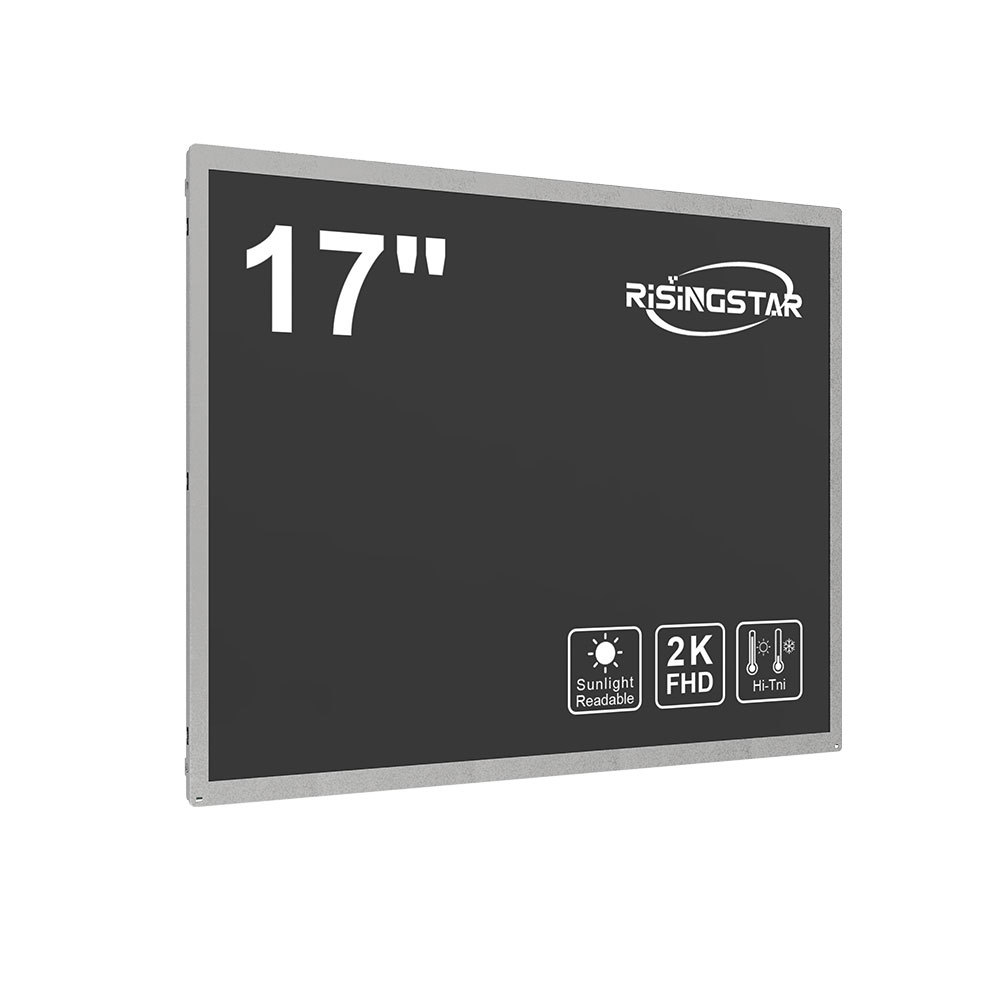
Moreover, environmental durability is critical. These displays must withstand temperature extremes (-20°C to +70°C), humidity, dust, and vibration—features achieved through IP65-rated enclosures, ruggedized materials, and thermal management systems. Industry standards like MIL-STD-810G and IEC 60068 define testing protocols that ensure reliability in harsh conditions. The integration of touchscreens with glove compatibility and multi-touch support further expands functionality in demanding scenarios.
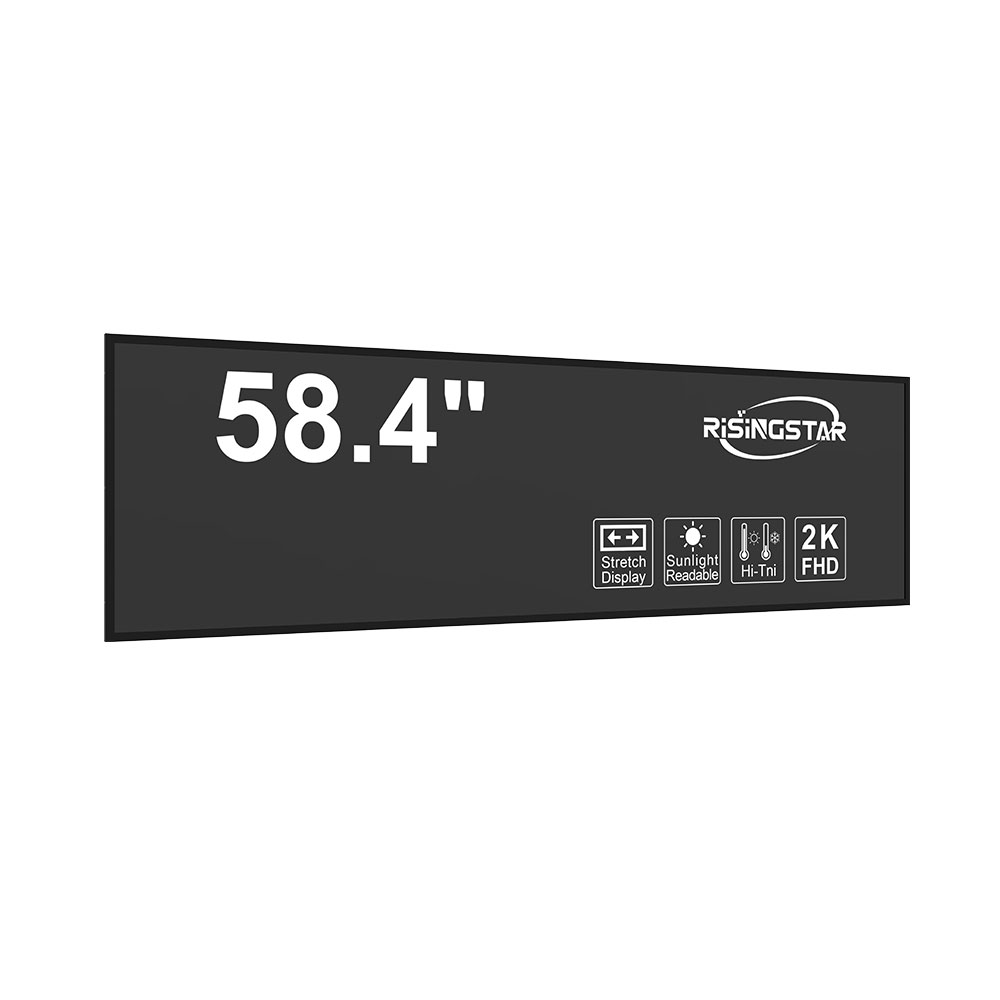
Looking ahead, innovations in micro-LED and quantum dot technology promise even higher brightness, better color accuracy, and lower power consumption. For instance, Samsung’s QD-OLED prototypes already exceed 10,000 cd/m² while maintaining energy efficiency—a milestone for future outdoor displays. As global markets prioritize human-centric design and resilience, high-brightness sunlight-readable LCDs will remain pivotal in ensuring safety, usability, and operational continuity in any environment.