RisingStar
- Home
- About Us
- Products
- News
- Video
- Contact
- Send Inquiry
Search
- Home
- About Us
- Products
- News
- Video
- Contact
- Send Inquiry
RisingStar
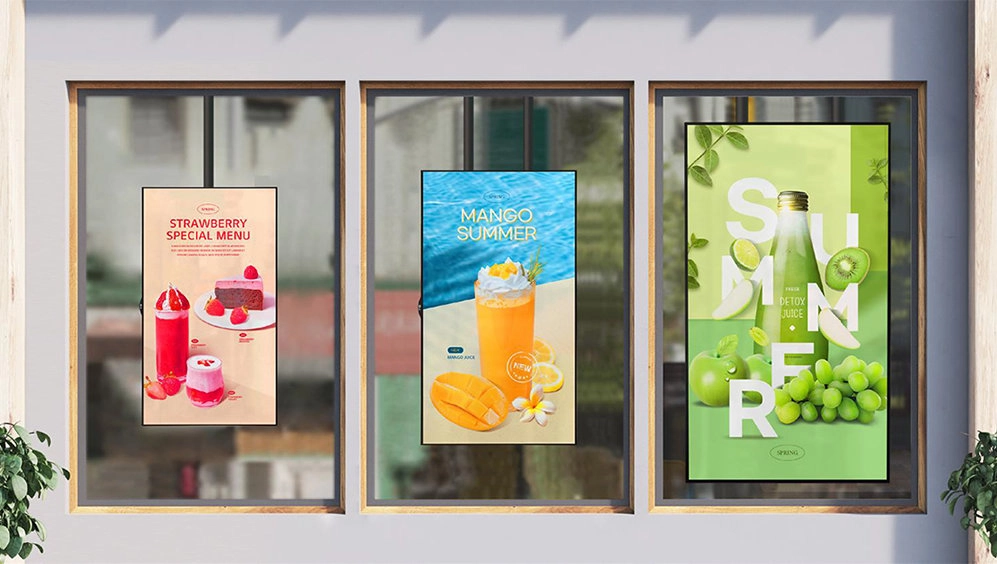
In outdoor environments where ambient light levels can exceed 100,000 lux, standard LCD displays often fail to provide adequate visibility. This is where high-brightness sunlight-readable LCD screens come into play—engineered specifically to maintain clarity, contrast, and color accuracy under direct sunlight. These displays are essential in industries such as military, transportation, industrial automation, agriculture, and medical devices, where reliable visual performance in harsh lighting conditions is non-negotiable.
The core technology behind high-brightness sunlight-readable LCDs involves multiple layers of optical engineering. First, the display must achieve a minimum brightness of 3,000 nits (with many commercial models reaching 5,000–10,000 nits), significantly higher than typical indoor displays (250–500 nits). This brightness is achieved using high-efficiency LED backlighting systems, often with local dimming capabilities that optimize power consumption while enhancing contrast ratios. Second, advanced anti-reflective coatings and polarizers reduce glare and prevent image washout—an issue commonly observed when traditional LCDs are exposed to direct sunlight.
Moreover, manufacturers employ technologies like transflective liquid crystal cells, which combine transmissive and reflective modes. In bright sunlight, the reflective layer uses ambient light to enhance brightness without consuming additional power, making these screens energy-efficient. For instance, companies such as ELO Touch Solutions and Novatek have implemented this approach in ruggedized displays used on military vehicles and construction equipment.
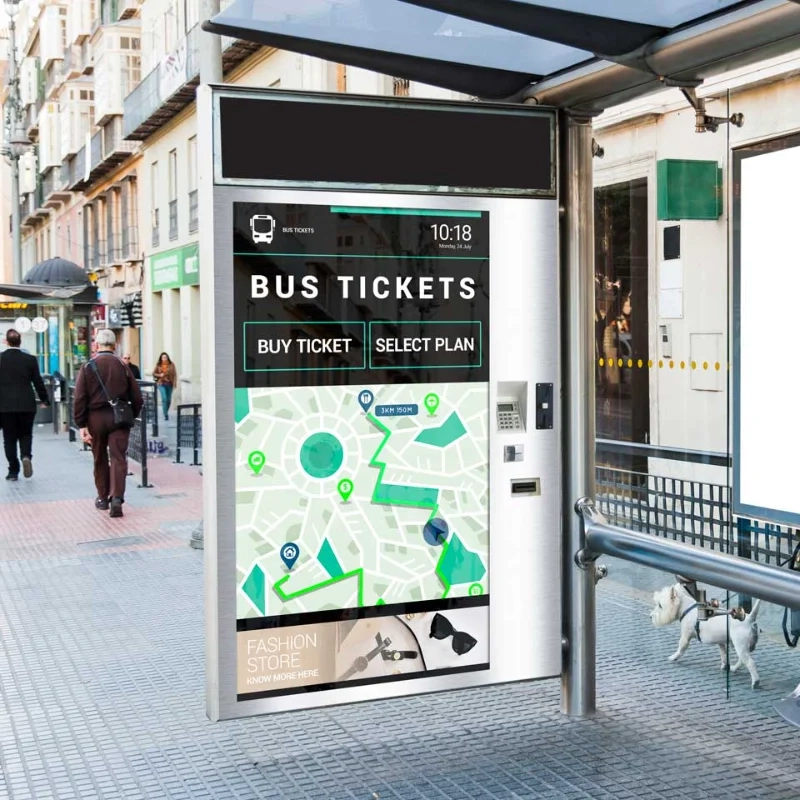
Another critical factor is the use of wide viewing angles (typically 170° horizontal and vertical) combined with high contrast ratios (often 1000:1 or greater). This ensures that users from various positions can read content clearly—a necessity in public kiosks, automotive dashboards, and outdoor signage. Industry standards such as MIL-STD-810G and IP65/67 ratings further validate durability against shock, vibration, dust, and water ingress, ensuring long-term reliability in field deployments.
Case studies from real-world applications demonstrate the impact. For example, a major logistics company integrated high-brightness LCDs into their fleet management system, reducing driver error by 42% during daytime operations in desert environments. Similarly, solar-powered weather stations in remote locations rely on these screens for continuous monitoring in extreme conditions, including Arctic winters and equatorial heatwaves.
To meet evolving demands, modern high-brightness LCDs now support touch functionality—even with gloves or in wet conditions—using capacitive or resistive touch overlays designed for durability. Integration with embedded systems and compliance with ISO 9001 and RoHS standards also ensure quality control and environmental safety.
As global markets expand into regions with intense solar exposure—from Dubai to the Amazon Basin—the need for robust, sunlight-readable displays continues to grow. With ongoing advancements in OLED-based sunlight-readable solutions and micro-LED innovations, the future promises even brighter, more efficient, and longer-lasting alternatives for outdoor visibility.