RisingStar
- Home
- About Us
- Products
- News
- Video
- Contact
- Send Inquiry
Search
- Home
- About Us
- Products
- News
- Video
- Contact
- Send Inquiry
RisingStar
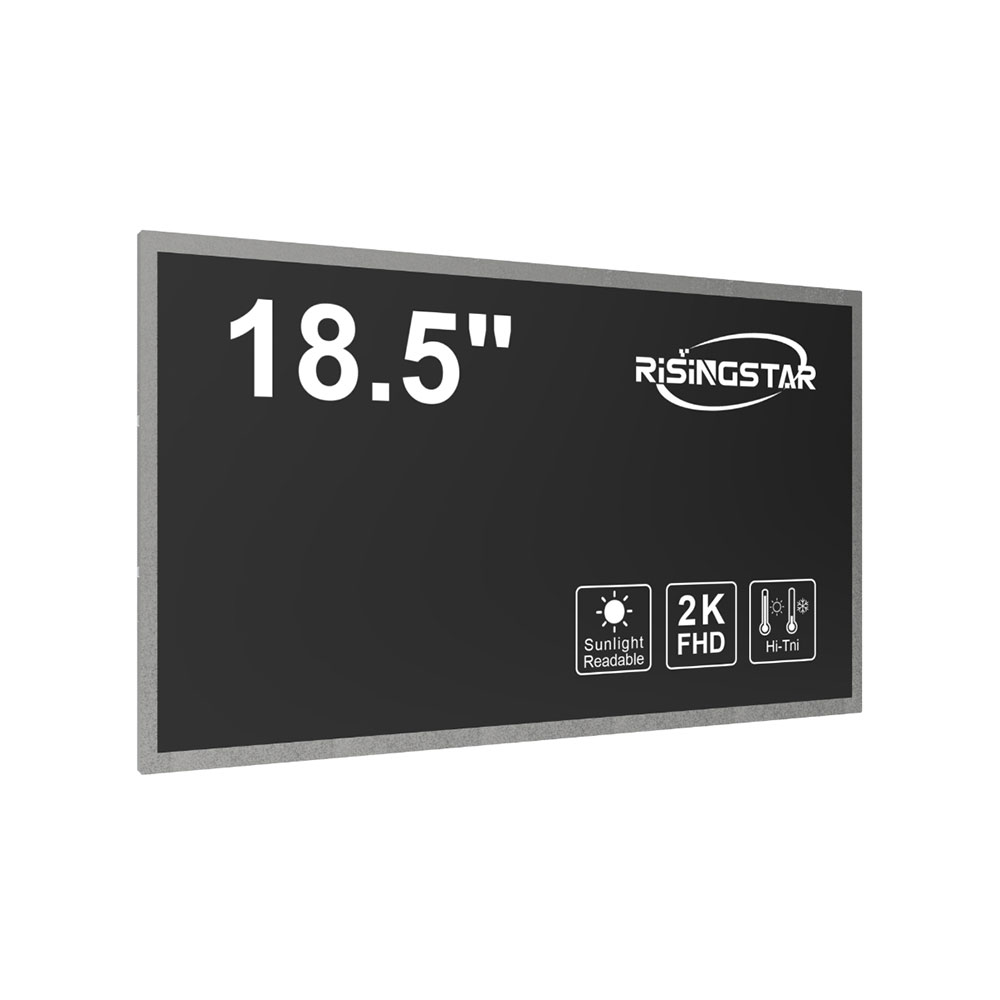
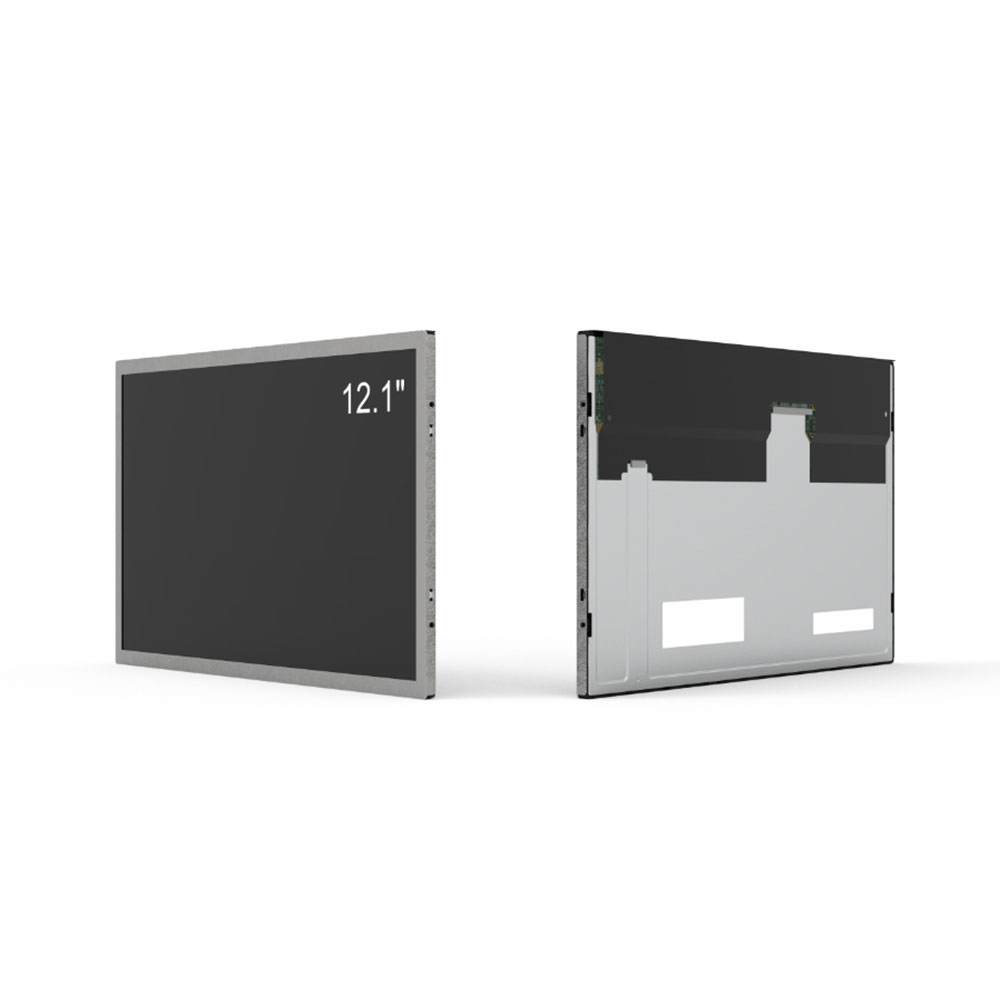
High-brightness sunlight-readable LCD screens have become essential in modern outdoor display technology, particularly in military, industrial, transportation, and consumer electronics sectors. These displays are engineered to maintain visibility under direct sunlight, often exceeding 5,000 nits of brightness—far above the typical 200–300 nits found in indoor LCDs. The core technology relies on high-luminance LED backlighting, anti-glare coatings, polarization filters, and advanced contrast enhancement algorithms. According to a 2023 report by MarketsandMarkets, the global sunlight-readable display market is projected to reach $6.7 billion by 2028, growing at a CAGR of 7.4%, driven by demand in smart cities, autonomous vehicles, and ruggedized mobile devices.
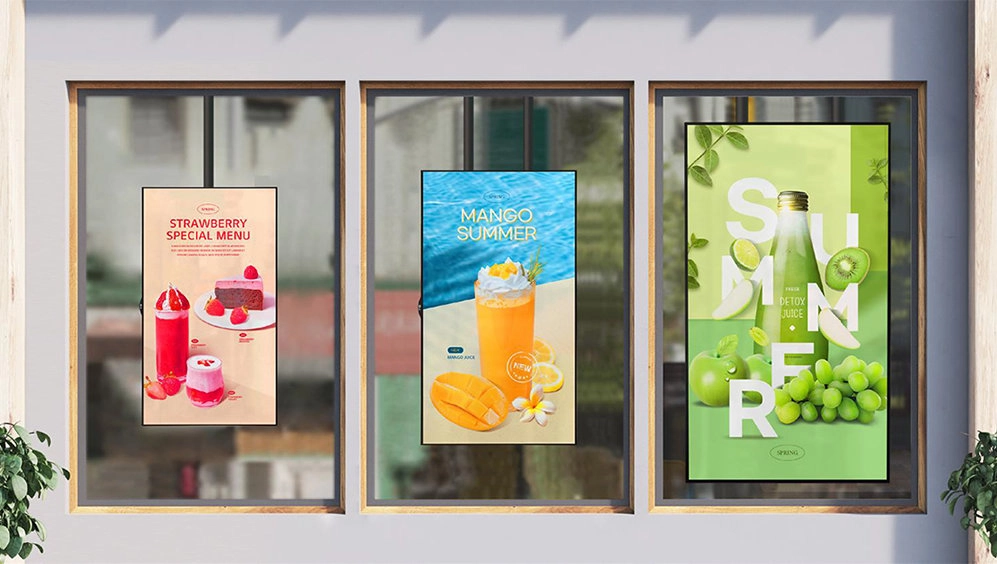
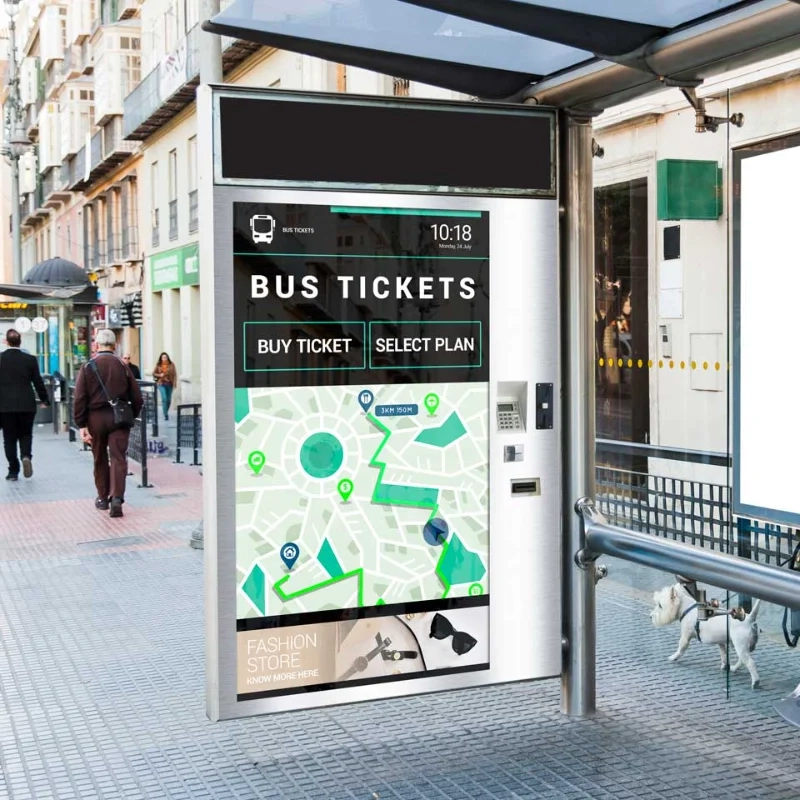
Practical applications include vehicle dashboards in electric cars like Tesla Model Y, where readability under bright sun is critical for driver safety; aviation heads-up displays (HUDs) in fighter jets such as the F-35 Lightning II; and public kiosks in urban environments, like those deployed by Siemens in smart city projects across Europe. In agriculture, high-brightness displays power field monitoring systems that guide drone operations in full sunlight. The U.S. Department of Defense has also mandated the use of MIL-STD-1403-compliant sunlight-readable displays in all new military vehicles since 2020, emphasizing reliability and clarity in extreme conditions.
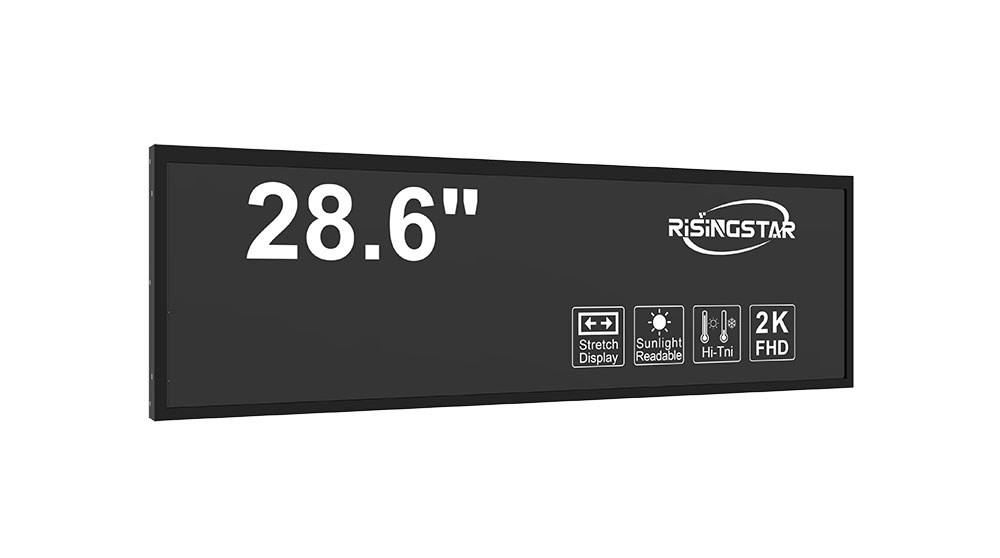
Advantages of these screens include superior contrast ratios (up to 10,000:1), wide viewing angles (up to 178°), and resistance to environmental stressors like dust, moisture, and temperature extremes (-30°C to +70°C). They also support touch interfaces, enabling intuitive interaction in harsh settings—critical for construction equipment operators or emergency responders using handheld devices in disaster zones. Compared to OLED alternatives, LCD-based solutions offer better longevity and lower power consumption in continuous outdoor use.
Common problems include color shift under extreme temperatures, reduced battery life due to high brightness demands, and potential image burn-in from static content. However, recent innovations like adaptive brightness control (ABC) and local dimming techniques have mitigated these issues significantly. For instance, Samsung’s latest generation of sunlight-readable LCD panels uses dynamic backlight modulation to reduce power draw by up to 35% while maintaining visibility.
The latest trends include integration with AI-driven ambient light sensors for real-time brightness adjustment, adoption of mini-LED and micro-LED backlights for finer control, and the development of flexible, lightweight versions for wearable tech and IoT edge devices. A 2024 study published in IEEE Transactions on Display Technology highlights how machine learning models can optimize screen performance in varying lighting conditions without user intervention—a key advancement for autonomous systems.
In conclusion, high-brightness sunlight-readable LCD screens are no longer niche—they are foundational to the evolution of human-machine interaction in demanding environments. As industries push toward automation, sustainability, and real-time decision-making, the need for robust, readable displays will only intensify.