RisingStar
- Home
- About Us
- Products
- News
- Video
- Contact
- Send Inquiry
Search
- Home
- About Us
- Products
- News
- Video
- Contact
- Send Inquiry
RisingStar
In today’s global industrial landscape, high-brightness sunlight-readable LCDs are no longer a luxury—they are a necessity for equipment operating in outdoor or harsh lighting environments. Whether you’re an overseas equipment manufacturer designing ruggedized control panels or a distributor sourcing reliable displays for defense, agriculture, construction, or transportation sectors, selecting the right display is critical to performance, durability, and user safety.
The key metric for evaluating these displays is luminance—measured in nits (cd/m²). While standard indoor LCDs typically offer 300–500 nits, sunlight-readable LCDs must exceed 1,500 nits to remain visible under direct sunlight. Leading manufacturers now offer displays with 2,000–5,000 nits, using technologies such as active matrix liquid crystal displays (AMLCD), LED backlighting, and anti-glare coatings. For instance, the U.S. Department of Defense specifies MIL-STD-810G compliance for military-grade devices, requiring brightness levels above 3,000 nits for full visibility in combat conditions.
To ensure optimal selection, consider the following factors:
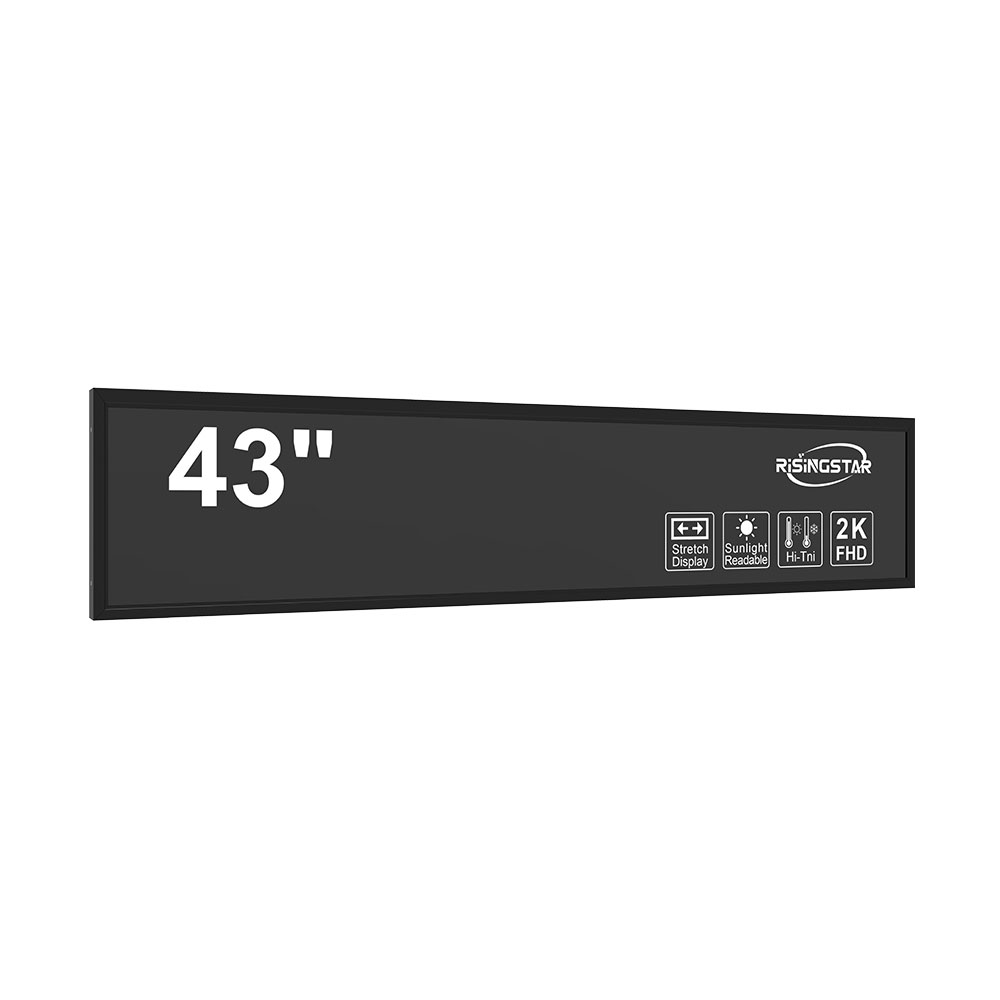
1. Brightness & Contrast Ratio: Higher contrast ratios (e.g., 1000:1 or greater) improve legibility in bright ambient light.
2. Viewing Angles: Wide viewing angles (up to 178° horizontally and vertically) are essential for multi-user interfaces in field operations.
3. Environmental Resistance: IP65 or higher ratings for dust/water resistance, along with temperature tolerance from -20°C to +70°C, are non-negotiable for industrial use.
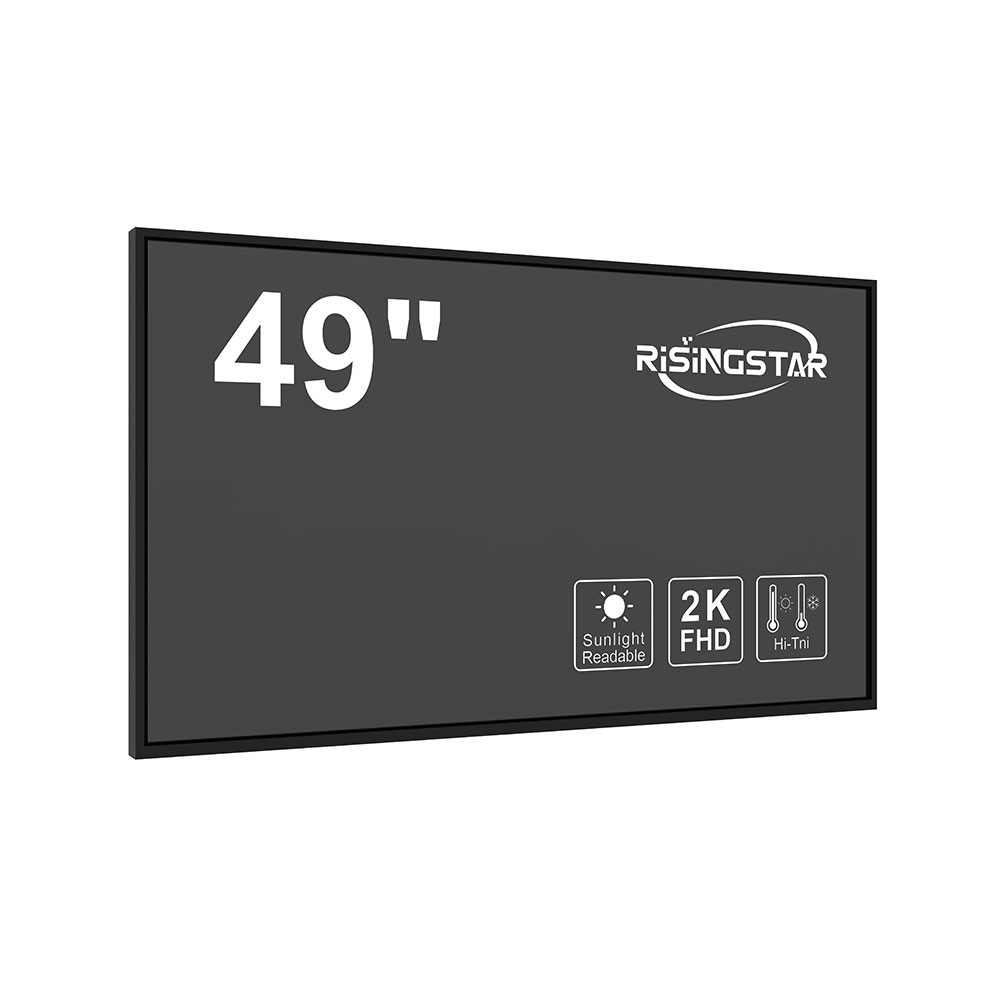
4. Power Efficiency: Energy-efficient designs reduce heat generation and extend battery life in portable systems.
5. Certifications: Look for CE, RoHS, FCC, and ISO 16750 compliance to meet international regulatory standards.
Case Study: A European agricultural machinery manufacturer replaced their legacy 600-nit LCDs with 3,500-nit sunlight-readable displays from a Taiwanese OEM. The result? 92% reduction in operator errors during daytime field operations and 30% faster machine setup times. Similarly, a U.S.-based construction equipment distributor reported a 40% drop in customer returns after switching to displays rated for 2,500+ nits with enhanced polarization filters.
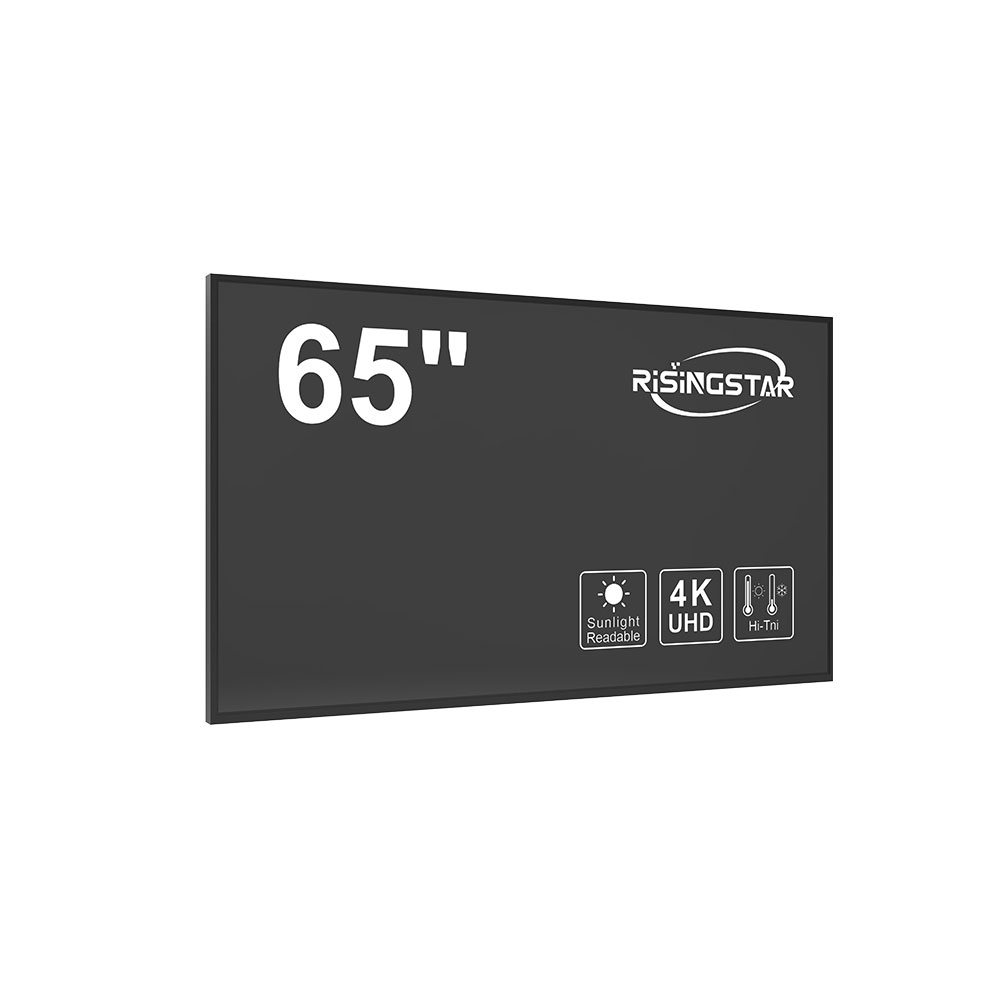
For overseas buyers, it's crucial to work with suppliers offering localized technical support, long lead times for bulk orders, and flexible customization (e.g., touch integration, custom bezels, or embedded firmware). Companies like LG Display, Sharp, and Innolux have established global distribution networks that cater specifically to industrial OEMs.
By prioritizing brightness, environmental resilience, and industry-specific certifications, manufacturers and distributors can future-proof their products and deliver superior user experiences in even the harshest conditions.