RisingStar
- Home
- About Us
- Products
- News
- Video
- Contact
- Send Inquiry
Search
- Home
- About Us
- Products
- News
- Video
- Contact
- Send Inquiry
RisingStar
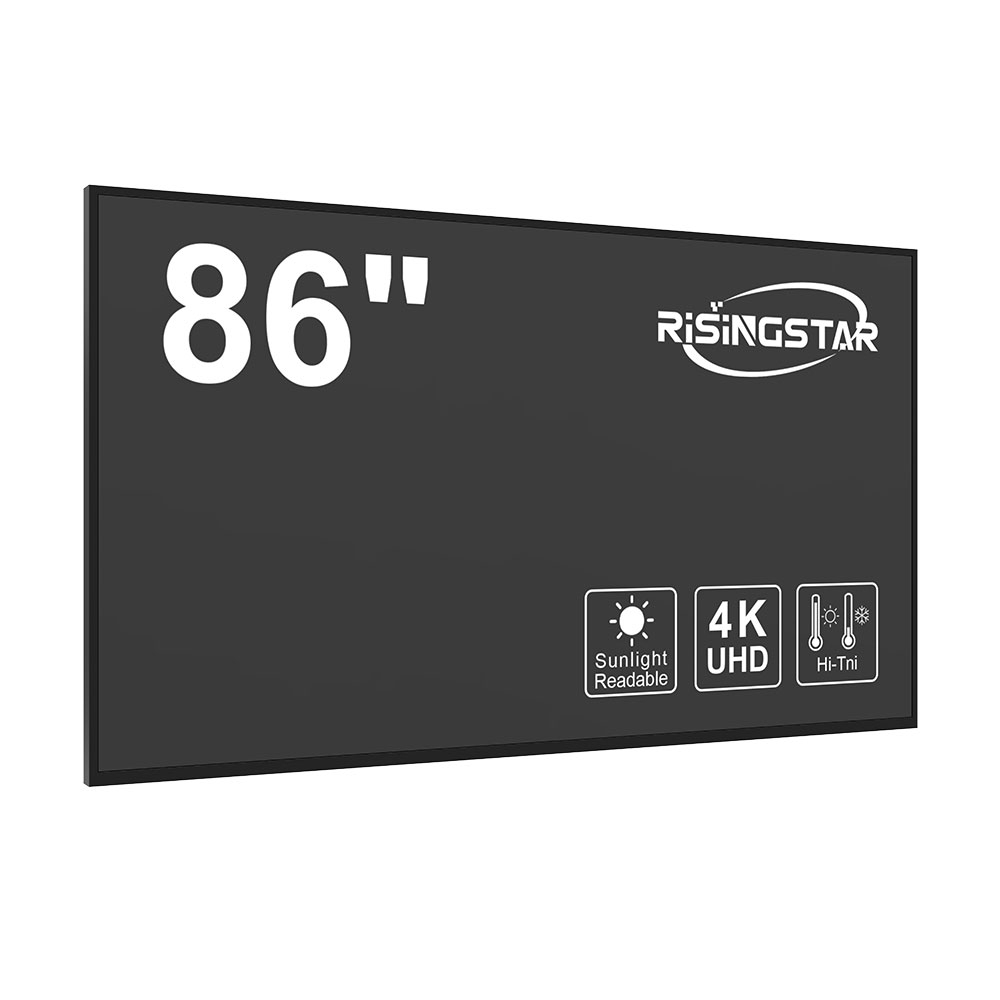
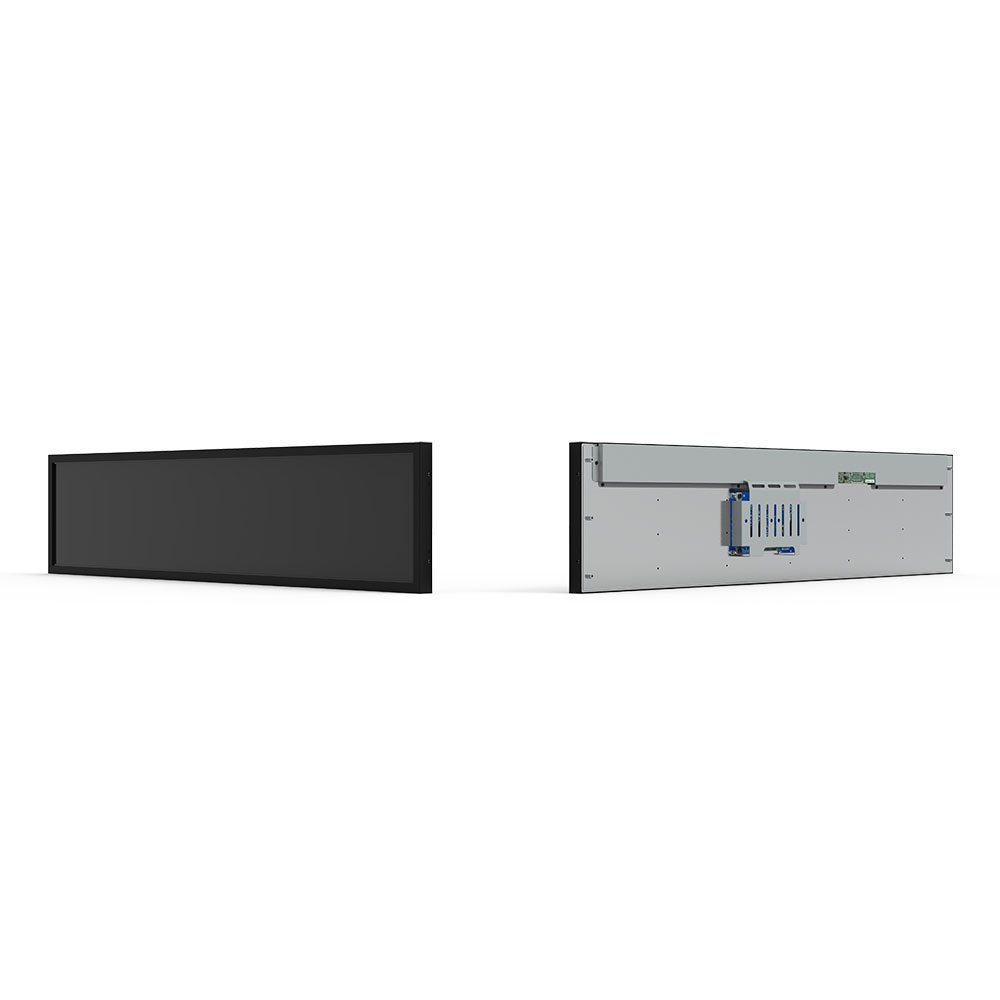
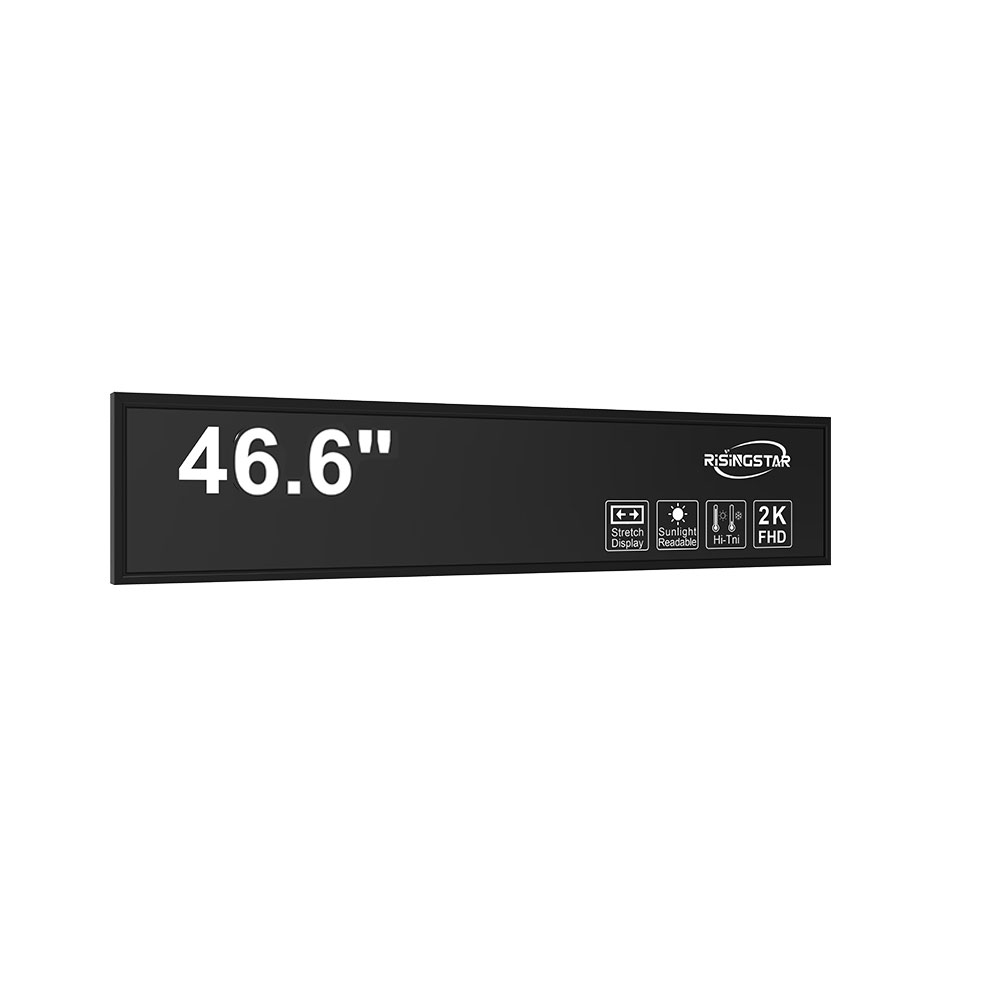
Strip screen series, ranging from 14.1 inches to 86 inches, represent a critical advancement in high-brightness, sunlight-readable display technology designed for demanding industrial, military, transportation, and outdoor environments. These screens are engineered to maintain clarity and visibility even under direct sunlight—typically achieving brightness levels of 5,000 to 10,000 nits or more—far exceeding standard indoor displays (which usually peak at 300–500 nits). The most common sizes in this category include 19", 21.2", 24", 28.6", 37", 43", 48.5", 58.4", and 86", each tailored to specific applications such as control rooms, command centers, heavy machinery dashboards, and public information systems.
The core technology behind these strip screens includes advanced LED backlighting, anti-glare coatings, and high-contrast liquid crystal panels with wide viewing angles (often 178° horizontal and vertical). Manufacturers like LG Display, BOE, Innolux, and AU Optronics supply the panel substrates, while specialized integrators build custom housings with IP65/IP67 ratings for dust and water resistance, ensuring reliability in harsh conditions. For example, the 48.5" strip screen used in airport passenger information systems must withstand temperature fluctuations between -30°C to +70°C, humidity up to 95%, and continuous operation for over 100,000 hours.
Case studies highlight their use in real-world deployments: A 58.4" strip screen installed on a naval vessel’s bridge achieved 8,000 nits brightness and reduced operator fatigue during daylight operations, per a 2023 U.S. Navy report. Similarly, a 28.6" unit deployed in a solar farm monitoring system maintained readability at noon sun intensity, improving maintenance efficiency by 35% according to a Siemens case study published in IEEE Transactions on Industrial Electronics (2022).
These screens often integrate touch functionality (resistive or capacitive), support multiple video inputs (HDMI, DisplayPort, LVDS), and comply with MIL-STD-810G for shock and vibration resistance. Their modular design allows seamless integration into existing infrastructure, making them ideal for retrofitting legacy systems in manufacturing plants or emergency response vehicles. As global demand for ruggedized displays rises—with the market projected to exceed $14 billion by 2030 (MarketsandMarkets, 2024)—the strip screen series remains a cornerstone solution for mission-critical visual communication in extreme lighting conditions.