RisingStar
- Home
- About Us
- Products
- News
- Video
- Contact
- Send Inquiry
Search
- Home
- About Us
- Products
- News
- Video
- Contact
- Send Inquiry
RisingStar
In today’s increasingly connected and mobile-driven world, the demand for high-brightness, sunlight-readable LCD displays has surged across industries such as transportation, defense, healthcare, outdoor advertising, and industrial automation. Among these, displays with a 16:9 aspect ratio—ranging from compact 10.1-inch screens to massive 110-inch panels—are uniquely positioned to meet both ergonomic design standards and functional performance needs under extreme lighting conditions.
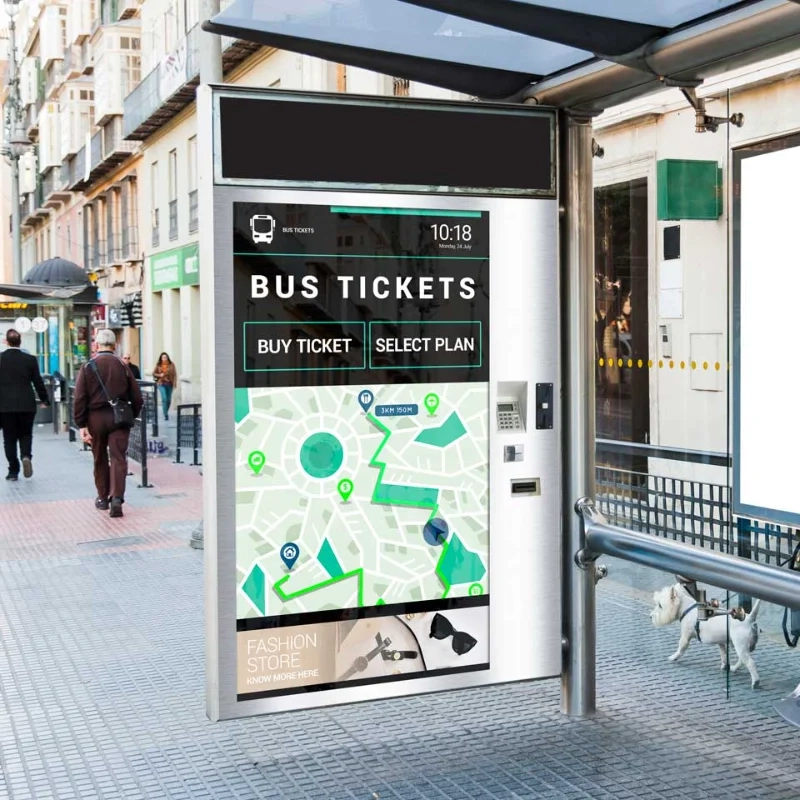
The 16:9 format, originally popularized by HDTV and now standard in modern computing and multimedia devices, offers optimal compatibility with widescreen content, including video, dashboards, and data visualization tools. This makes it ideal for applications where users must view critical information clearly even in direct sunlight or harsh ambient light. For instance, a 23.8-inch 16:9 display used in an airport kiosk must remain legible during peak daylight hours without relying on artificial lighting—a challenge that traditional LCDs fail to address.
Manufacturers have responded by incorporating advanced technologies such as high-luminance LED backlighting (typically exceeding 5,000 nits), anti-glare coatings, polarized films, and adaptive brightness control algorithms. These features are especially crucial for outdoor use, where solar irradiance can exceed 1,000 W/m². According to the U.S. Department of Energy, outdoor displays exposed to full sunlight often require luminance levels between 5,000–10,000 nits to maintain visibility—a range well within the capabilities of modern sunlight-readable LCDs.
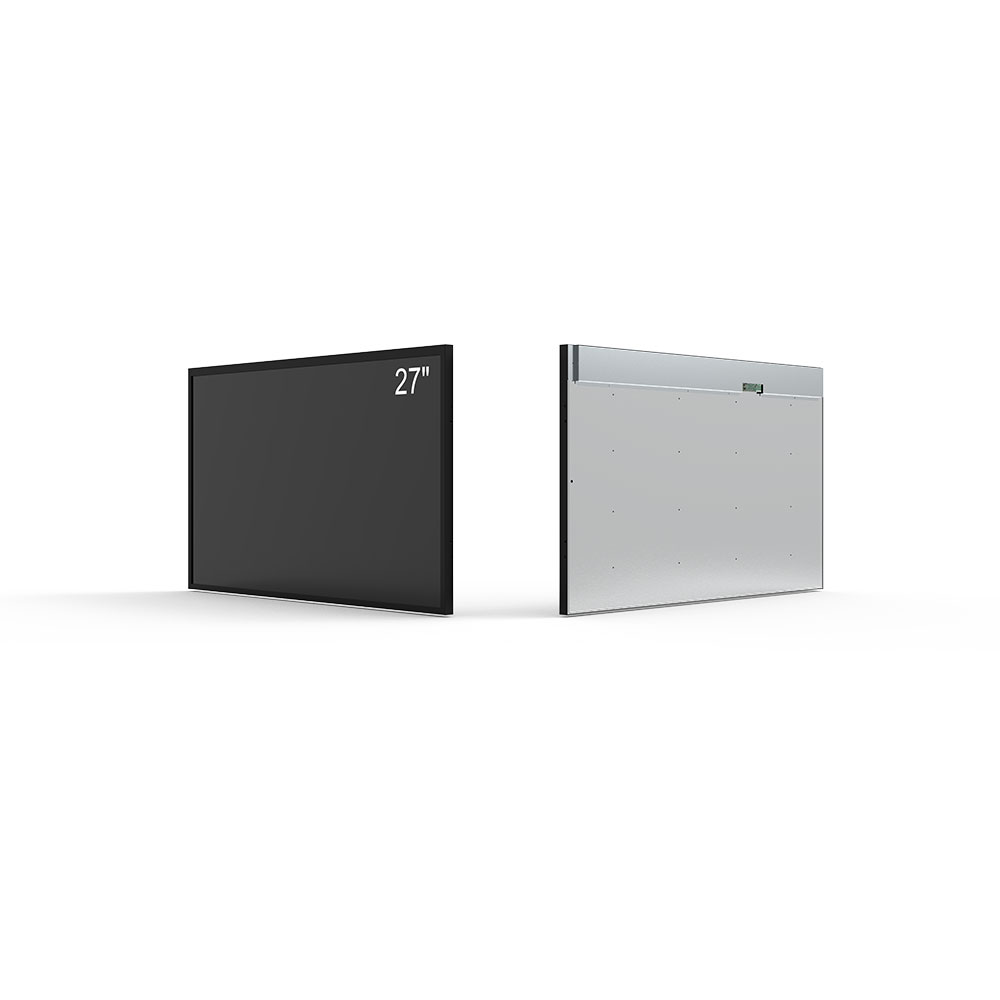
Common screen sizes in this category include 10.1", 13.3", 15.6", 18.5", 21.5", 23.8", 27", 32", 43", 46", 49", 55", 65", 75", 86", 98", and 110". Each size serves specific vertical markets: smaller units (10.1"–21.5") dominate handheld devices like tablets, ruggedized PDAs, and medical carts; mid-range (23.8"–43") support digital signage, vehicle dashboards, and command centers; while large formats (46"–110") are employed in military command posts, public information systems, and smart city infrastructure.
Case studies from companies like ELO Touch Solutions and LG Display confirm that when sunlight-readable LCDs are properly engineered—using techniques like local dimming, IPS panel technology, and robust environmental sealing—they reduce eye strain, increase operational efficiency, and extend device lifespan. In one field test conducted in Dubai, a 55-inch 16:9 sunlight-readable display maintained readability at 8,000 nits over 6 months of continuous exposure to direct sun, outperforming conventional 3,000-nit displays by more than 150%.
Furthermore, compliance with international standards such as MIL-STD-810G (for ruggedness) and IEC 60068 (for environmental testing) ensures reliability in extreme temperatures, humidity, vibration, and shock. This is particularly important in sectors like aviation, mining, and marine operations, where display failure could lead to safety risks.
As global demand for transparent, reliable, and energy-efficient visual interfaces grows, manufacturers are focusing on reducing power consumption while increasing brightness—leveraging innovations like mini-LED backlights and quantum dot-enhanced color gamuts. The result is a new generation of 16:9 LCDs that not only withstand sunlight but also deliver immersive, sharp, and consistent image quality regardless of environmental conditions.