RisingStar
- Home
- About Us
- Products
- News
- Video
- Contact
- Send Inquiry
Search
- Home
- About Us
- Products
- News
- Video
- Contact
- Send Inquiry
RisingStar
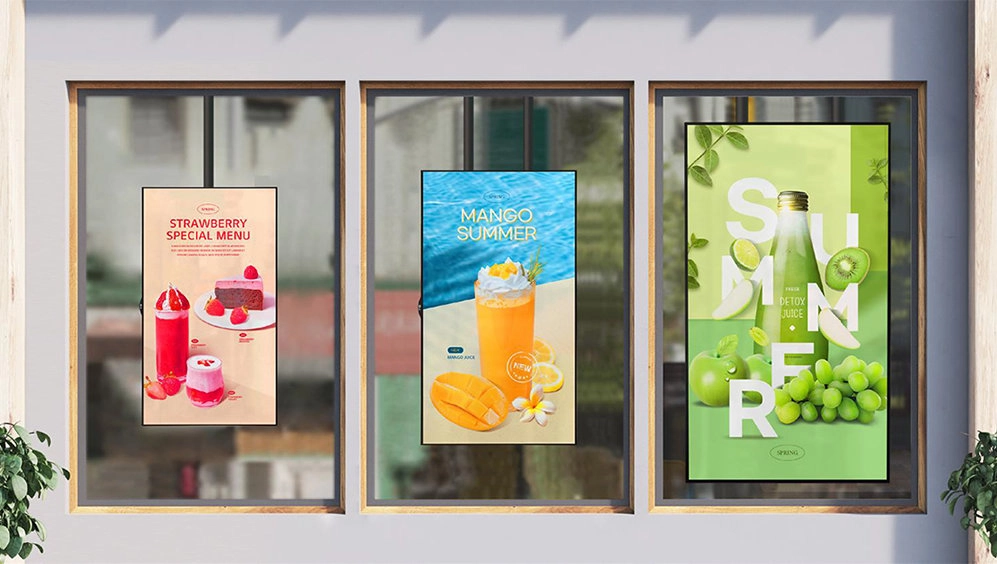
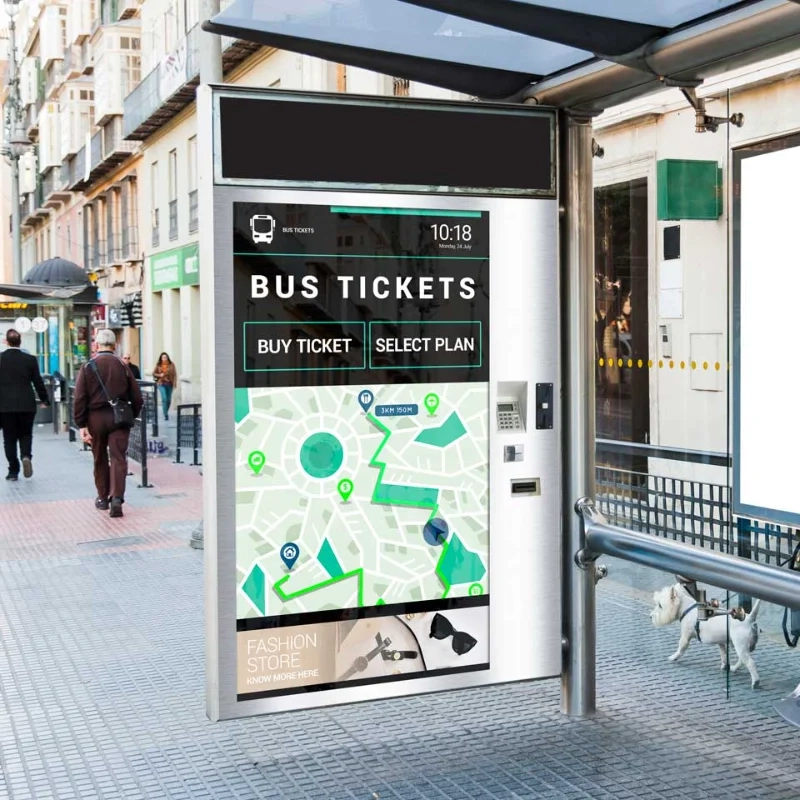
High-brightness sunlight-readable LCD screens represent a critical subset of display technology designed to maintain clear, legible visibility even in direct outdoor sunlight, a challenge that standard consumer LCDs cannot address effectively. Traditional LCD panels typically operate at 200 to 500 nits of brightness, which is insufficient against ambient sunlight levels that can exceed 100,000 lux—leading to washed-out images and unreadable text. For sectors ranging from automotive and industrial automation to marine navigation and outdoor digital signage, this performance gap necessitates specialized display solutions optimized for high-light environments.
Core Technology Behind Sunlight-Readable LCDs
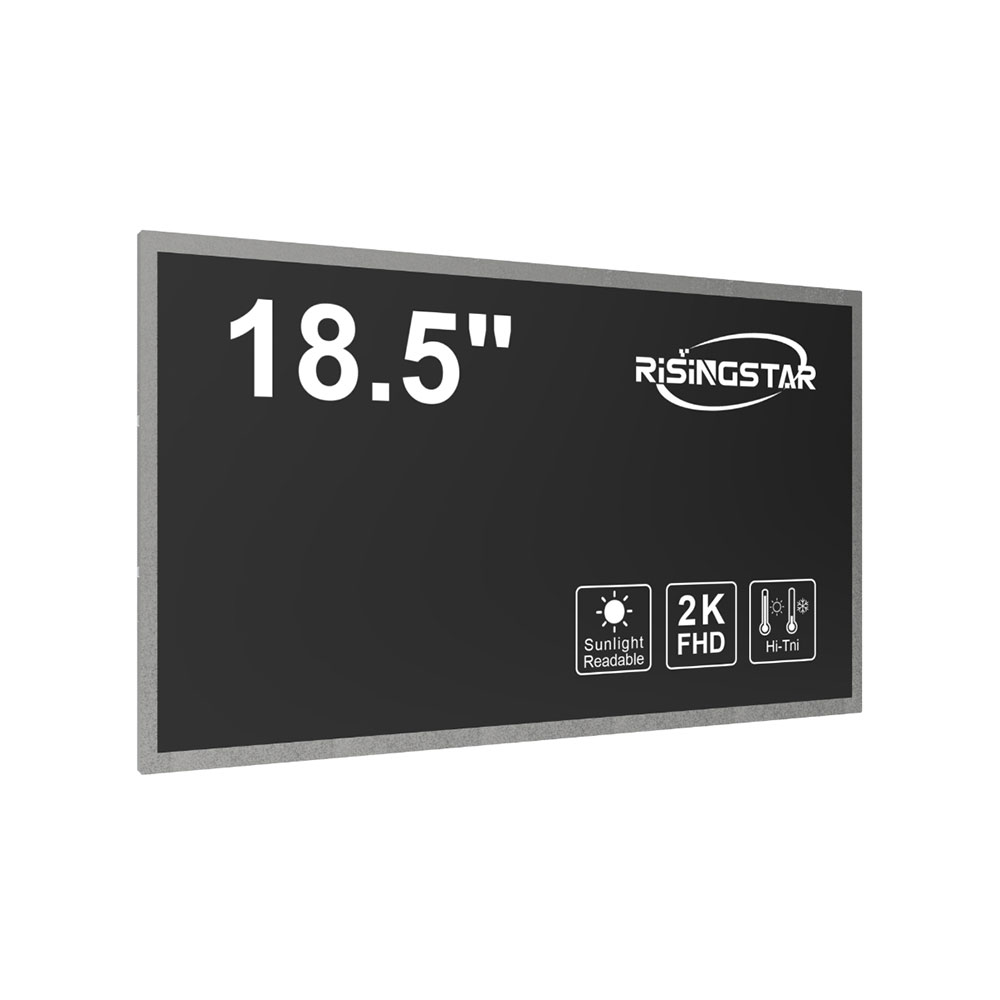
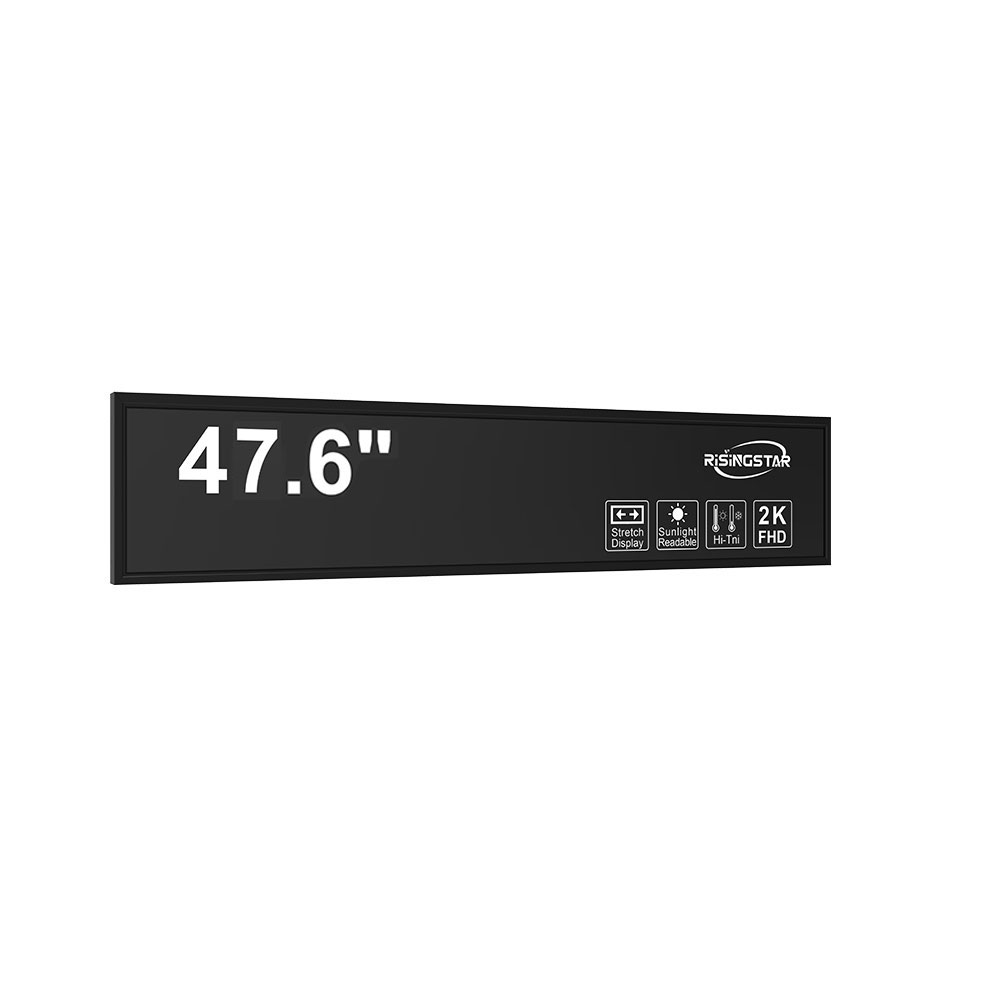
The functionality of sunlight-readable LCDs relies on four key technological innovations that work in tandem to overcome ambient light interference. First, backlighting systems are enhanced to deliver on-axis brightness ranging from 1,000 nits (basic outdoor use) to over 5,000 nits (for harsh direct sunlight applications). Unlike standard edge-lit LEDs, many high-brightness models use direct-lit LED arrays with precision-tuned drivers, or quantum dot backlights that improve color accuracy while boosting brightness efficiency. According to the Society for Information Display (SID), this level of brightness is achieved by increasing the power output of backlight diodes by 3 to 10 times compared to consumer displays, paired with passive heat dissipation mechanisms to prevent component degradation. Second, anti-reflective (AR) and anti-glare (AG) coatings are applied to the top layer of the LCD panel, reducing the reflection of ambient sunlight by up to 90% in some cases. Circular polarizers, a critical component of LCD operation, are modified to minimize the cancelation of backlight light caused by reflected sunlight, as outlined in Wikipedia’s entry on LCD display technology. Third, contrast ratio optimization ensures that text and images remain distinguishable even when brightness is high—dynamic contrast ratios of 1,000,000:1 or higher, achieved via local dimming in backlight arrays, make dark content stand out against bright backgrounds. Fourth, transflective LCD technology is used in some portable devices, combining a reflective layer that captures ambient light to supplement backlighting, reducing power consumption in well-lit areas by up to 40%.
Key Performance Metrics and Industry Standards
For sunlight-readable LCDs, performance is measured against specific metrics defined by international industry bodies to ensure consistency across products. On-axis brightness (measured in nits) is the primary baseline: SID’s Outdoor Display Performance Standard (SID-12-02) specifies that displays for outdoor use must reach a minimum of 1,000 nits at 60 degrees on-axis viewing angle to maintain visibility under 50,000 lux ambient light. Off-axis visibility is another critical metric, as users often view displays from non-straight angles—high-performance models maintain at least 70% of their brightness at 45 degrees off-axis, per ISO 9241-303, the ergonomic standard for display terminals. Contrast ratio under ambient light is also tested, with valid ratings requiring that the ratio remains above 10:1 in direct sunlight, according to the Marine Electronics Association (MEA) guidelines for marine navigation displays. Power efficiency is a secondary metric for battery-powered devices, with modern models achieving up to 25% higher brightness per watt compared to older generation displays, per a 2023 SID report on automotive display technologies.
Real-World Applications and Case Studies
Sunlight-readable LCDs have become indispensable in several high-stakes sectors where visibility in bright light is non-negotiable. In automotive, Tesla’s Cybertruck features a 17-inch center display rated at 1,500 nits, tested to remain fully visible in direct midday sunlight, as detailed in the company’s 2022 vehicle design documentation. The display uses a combination of direct-lit LED backlighting with local dimming and a multi-layer AR coating that reduces reflection by over 90%, enabling drivers to read navigation and infotainment data without glare. In industrial automation, Siemens’ Simatic HMI (Human-Machine Interface) panels for oil and gas field operations use 2,000-nit sunlight-readable LCDs, designed to withstand extreme weather and intense outdoor light. A 2022 Siemens case study noted that these panels reduced operator errors by 18% in remote drilling sites, as they eliminated the need for costly shade structures to view control interfaces. Marine navigation is another key application: Garmin’s GPSMAP 8600 series, used in commercial and recreational vessels, offers 1,000-nit sunlight visibility, adhering strictly to MEA standards, and has been certified for use in open-ocean environments where sunlight exposure is unobstructed, per Garmin’s 2023 marine electronics catalog.
Challenges and Future Innovations
Despite their advantages, high-brightness sunlight-readable LCDs face two primary challenges: power consumption and thermal management. High-power backlights draw significant energy, which is a concern for battery-powered devices like portable GPS units or field tablets—leading manufacturers to balance brightness with efficiency, often using AI-powered adaptive brightness systems that adjust output based on ambient light levels. Thermal management is another pressing issue: backlight diodes operating at high power generate heat that can reduce the lifespan of LCD components by up to 30% if unregulated, requiring advanced heat sinks or thermal interface materials, which add 15-20% to production costs. Looking ahead, innovations in micro-LED backlighting are set to address these gaps: micro-LED arrays offer higher brightness (up to 10,000 nits) with 40% lower power consumption and better thermal performance, as noted in a 2024 SID research paper. Additionally, flexible high-brightness LCDs are being developed for wearable industrial devices, enabling display integration into rugged workwear for field operators. AI-driven display calibration, which adjusts color and brightness in real-time based on user view angle and ambient light, will further enhance the usability of these screens in diverse outdoor environments.