 RisingStar
- Home
- About Us
- Products
- News
- Video
- Contact
- Send Inquiry
Search
- Home
- About Us
- Products
- News
- Video
- Contact
- Send Inquiry
RisingStar
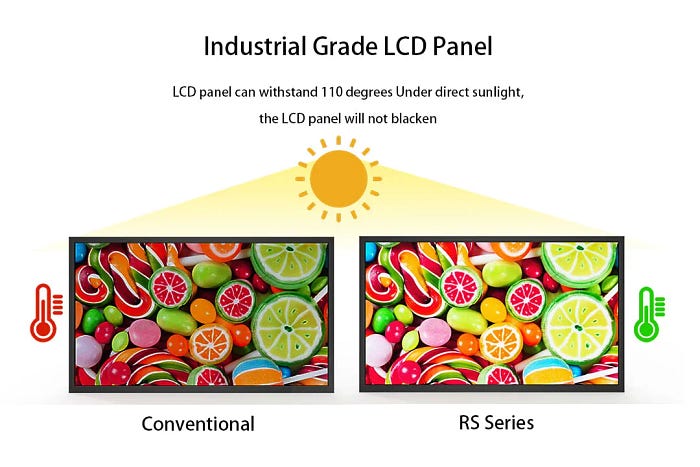
High-brightness sunlight-readable LCD screens are essential in environments where visibility under direct sunlight is critical—such as military command centers, outdoor construction sites, transportation systems (e.g., buses, trains, and aircraft), and industrial control panels. These displays must deliver excellent contrast, high peak brightness (typically 5,000 to 10,000 nits or more), and robust anti-glare properties to ensure usability in harsh lighting conditions. One of the most significant advancements in this field is the integration of 2K (2560x1440) and 4K (3840x2160) resolution options, which offer superior image clarity, enabling operators to interpret complex data with precision—even in full daylight.
The adoption of higher resolutions such as 2K and 4K in sunlight-readable LCDs addresses growing demands for detailed visual interfaces in both civilian and defense sectors. According to a 2023 report by MarketsandMarkets, the global sunlight-readable display market is projected to exceed $2.7 billion by 2028, driven largely by the need for high-resolution, durable displays in mobile and ruggedized applications. These displays often use transflective liquid crystal technology—a hybrid between transmissive and reflective modes—which allows them to operate efficiently in both bright ambient light and low-light conditions without sacrificing battery life.
Manufacturers like Eizo, LG Display, and Innolux have recently introduced new generations of 2K and 4K sunlight-readable panels optimized for industrial automation, vehicle dashboards, and outdoor kiosks. For instance, Eizo’s ColorEdge series now includes models rated at 7,000 nits peak brightness with 4K resolution, making them ideal for color-critical work in outdoor settings like film production trucks or emergency response vehicles. Similarly, LG Display’s 4K IPS-based panels with wide viewing angles and enhanced polarization layers reduce glare while maintaining sharpness even at extreme angles.
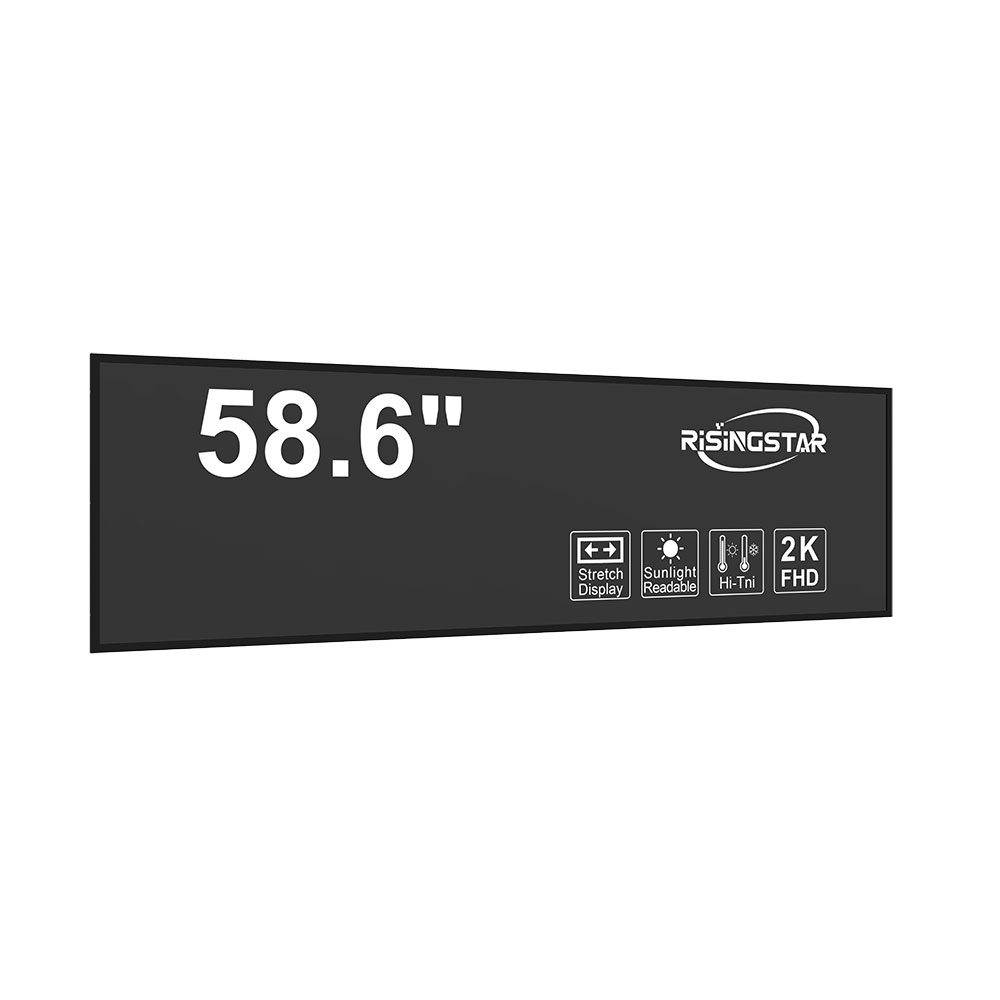
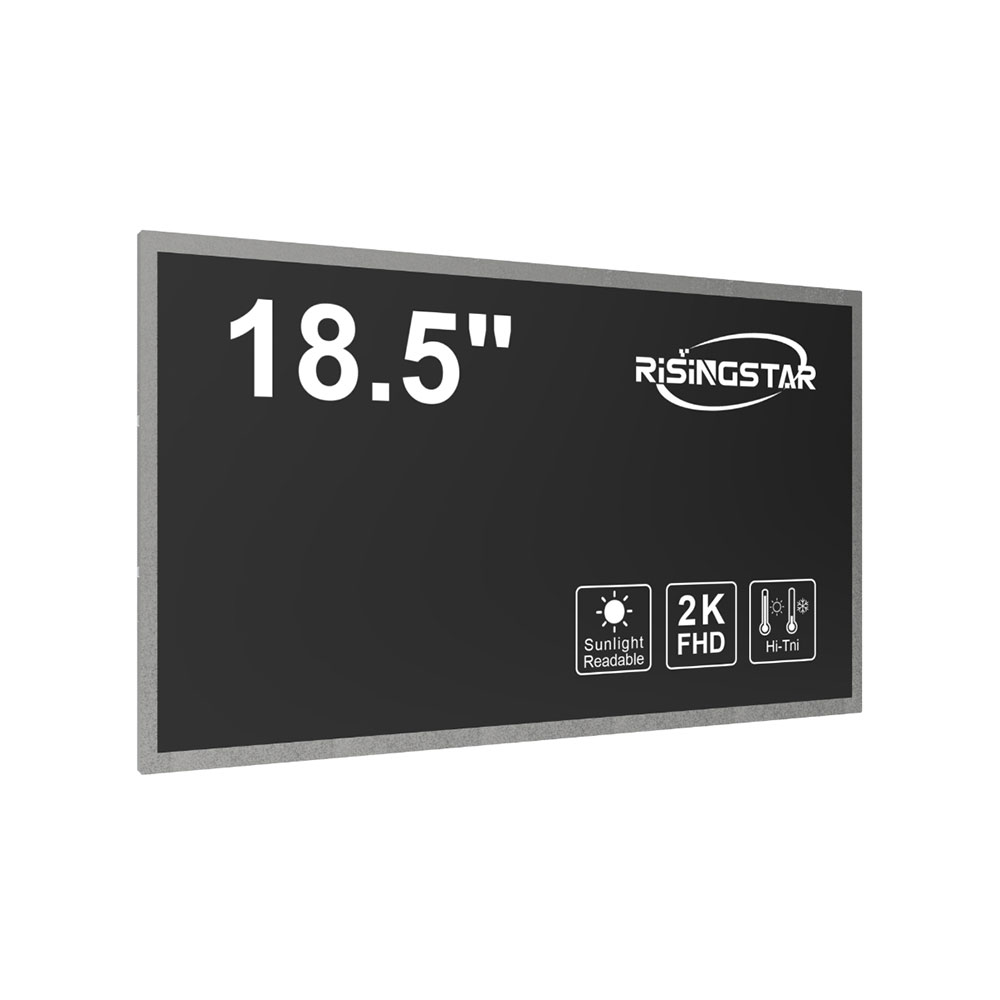
Key technical features that make these displays effective include:
- High luminance (5,000–10,000 nits)
- Anti-reflection coatings (e.g., nanostructured anti-reflective films)
- Enhanced contrast ratios (>1000:1)
- Wide temperature tolerance (-30°C to +70°C)
- IP65 or higher ingress protection
- Optional touch capabilities (capacitive or resistive)
Case studies from U.S. Department of Defense projects show that replacing legacy 1080p sunlight-readable screens with 4K equivalents reduced operator errors by up to 30% in mission-critical environments such as drone control stations. This improvement stems from better text legibility, sharper icons, and more precise graphical overlays—especially important when interpreting satellite imagery or real-time sensor feeds.
Additionally, the availability of 2K and 4K options supports future-proofing infrastructure investments. As software platforms increasingly demand higher resolutions for dashboard analytics, AI-driven interfaces, and augmented reality (AR) overlays, deploying a scalable display solution ensures compatibility with next-gen applications. OEMs integrating these screens into vehicles or machinery can expect improved user satisfaction, regulatory compliance, and long-term operational efficiency.
In conclusion, 2K and 4K resolution options in high-brightness sunlight-readable LCD screens represent a major leap forward in display technology for demanding environments. By combining cutting-edge optics, advanced materials, and rigorous environmental testing standards (such as MIL-STD-810G and IEC 60068), these displays enable reliable performance across diverse industries—from aerospace to energy exploration. As the push toward smart cities, autonomous vehicles, and remote operations intensifies, investing in high-resolution sunlight-readable displays will remain a strategic imperative for engineers and procurement teams alike.