RisingStar
- Hjem
- Om os
- Produkter
- Nyheder
- Videoer
- Kontakt
- Send forespørgsel
Søg
- Hjem
- Om os
- Produkter
- Nyheder
- Videoer
- Kontakt
- Send forespørgsel
RisingStar
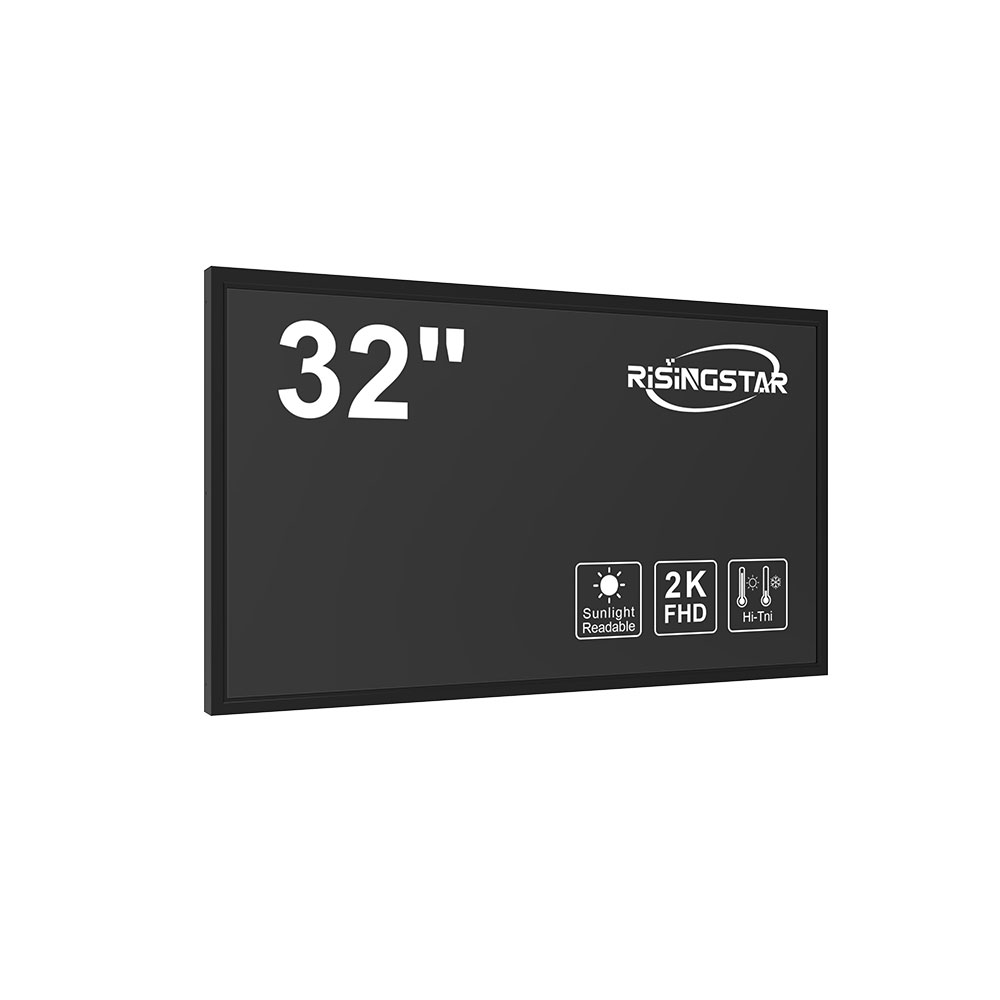
In today’s increasingly connected and mobile-driven world, high-brightness sunlight-readable LCD screens have become indispensable across industries such as transportation, military, medical, and industrial automation. These displays are engineered to maintain clarity, contrast, and usability even under direct sunlight—where standard LCDs often fail due to poor visibility. The core of this technology lies in optimizing brightness output, contrast ratio, and ambient light compensation mechanisms.
The minimum brightness requirement for a display to be considered "sunlight-readable" is typically 1,000 nits (cd/m²). However, modern high-brightness LCDs used in critical outdoor applications often exceed 5,000 nits, with some specialized models reaching up to 10,000 nits. This is achieved through advanced backlighting technologies like LED arrays with high-efficiency drivers and diffusers that evenly distribute light across the screen. Additionally, anti-reflective coatings, polarized filters, and laminated glass layers help reduce glare and improve readability in harsh environments.
A key innovation in these displays is the use of adaptive brightness control. Smart sensors detect ambient light levels and dynamically adjust the screen's luminance without compromising energy efficiency—a feature crucial for battery-powered devices such as handheld field computers or rugged tablets. For example, a 2023 study published in the IEEE Transactions on Consumer Electronics demonstrated that adaptive brightness systems reduced power consumption by up to 40% while maintaining optimal visibility in variable lighting conditions.
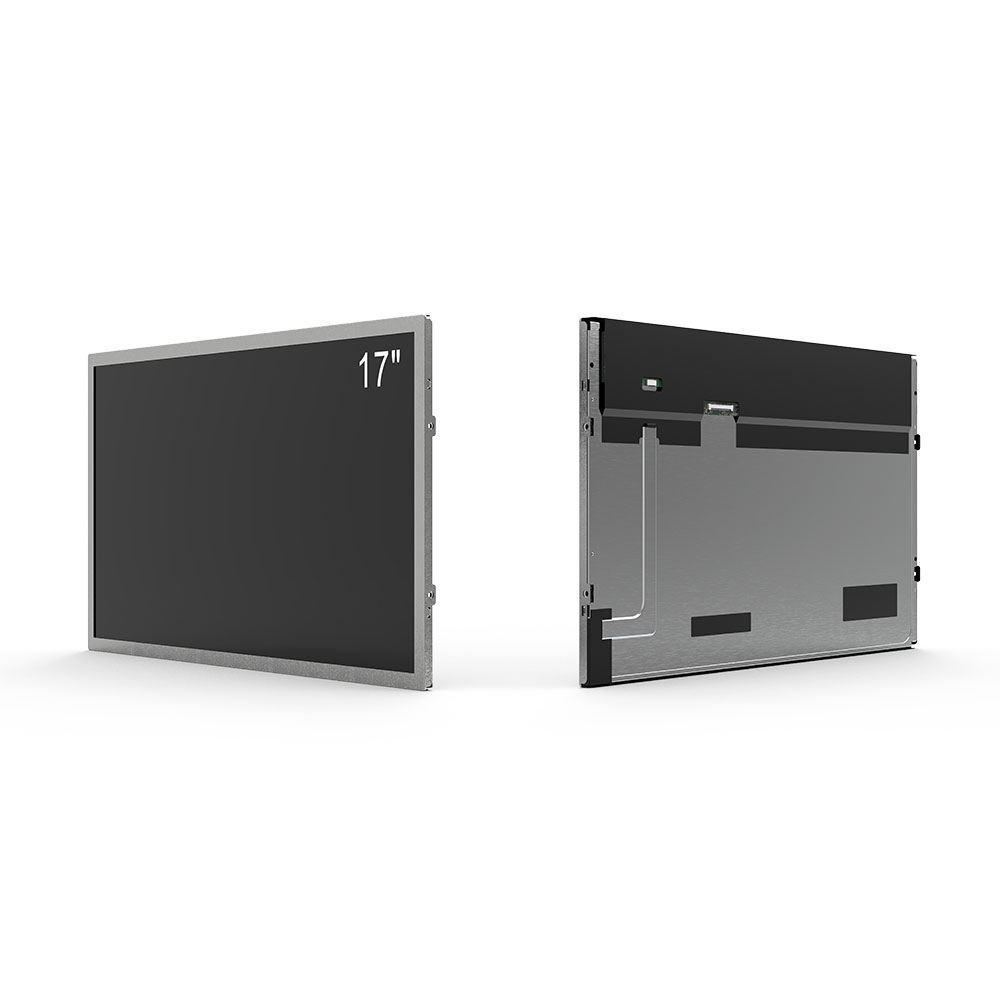
Another essential aspect is thermal management. High-brightness operation generates more heat, which can degrade image quality or shorten component lifespan. Engineers address this through passive cooling techniques like aluminum heat sinks and active solutions such as thermoelectric coolers integrated into the display module. In extreme environments—such as deserts or Arctic zones—thermal design becomes a critical factor alongside mechanical durability.
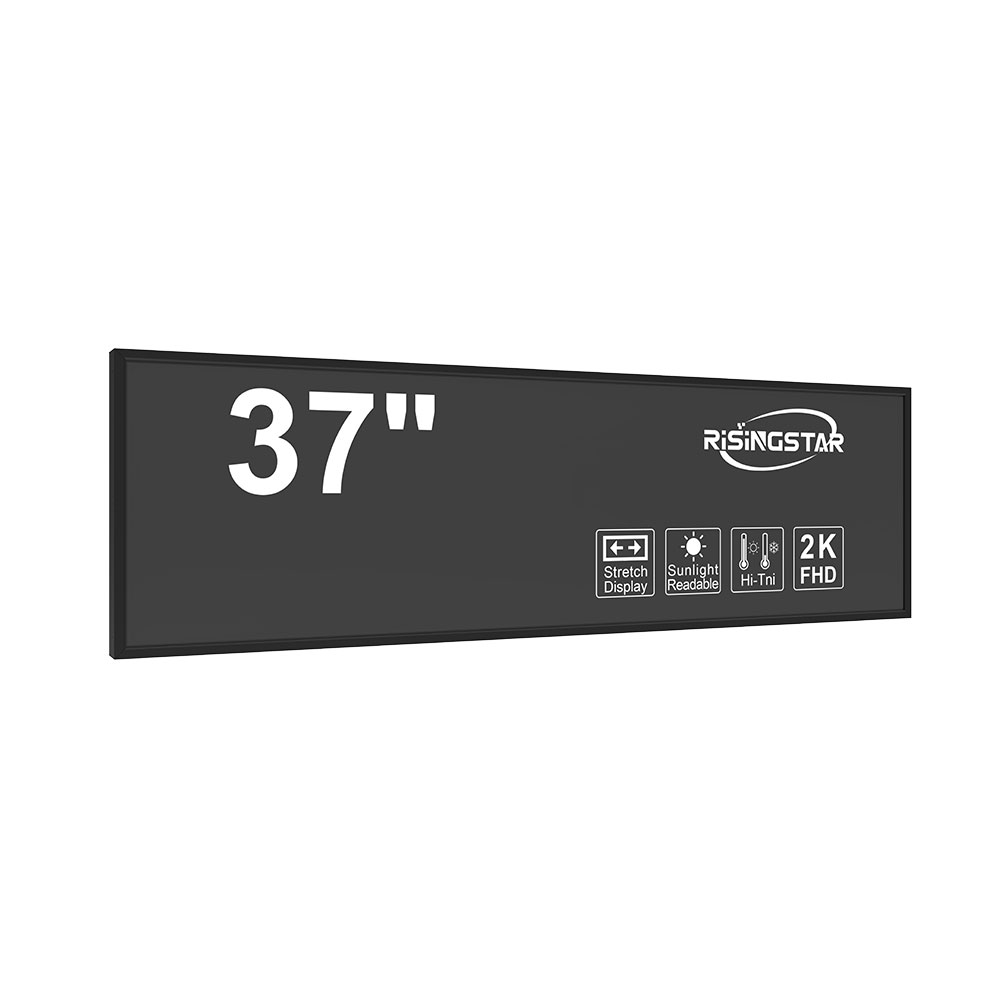
Manufacturers also employ advanced pixel-level calibration algorithms to ensure color accuracy and uniformity under varying temperatures and lighting. These algorithms compensate for shifts in red, green, and blue sub-pixel response caused by environmental stress, a challenge especially relevant in medical-grade outdoor diagnostic equipment where precise visual interpretation matters.
Case studies validate real-world performance. For instance, the U.S. Department of Defense adopted high-brightness sunlight-readable LCDs in its tactical communication units during Operation Desert Storm. These displays enabled soldiers to read mission-critical data under intense desert sun, reducing operational errors and enhancing situational awareness. Similarly, in the automotive sector, companies like Tesla and BMW now integrate such displays in electric vehicle dashboards, ensuring driver safety even at noon in full sunlight.
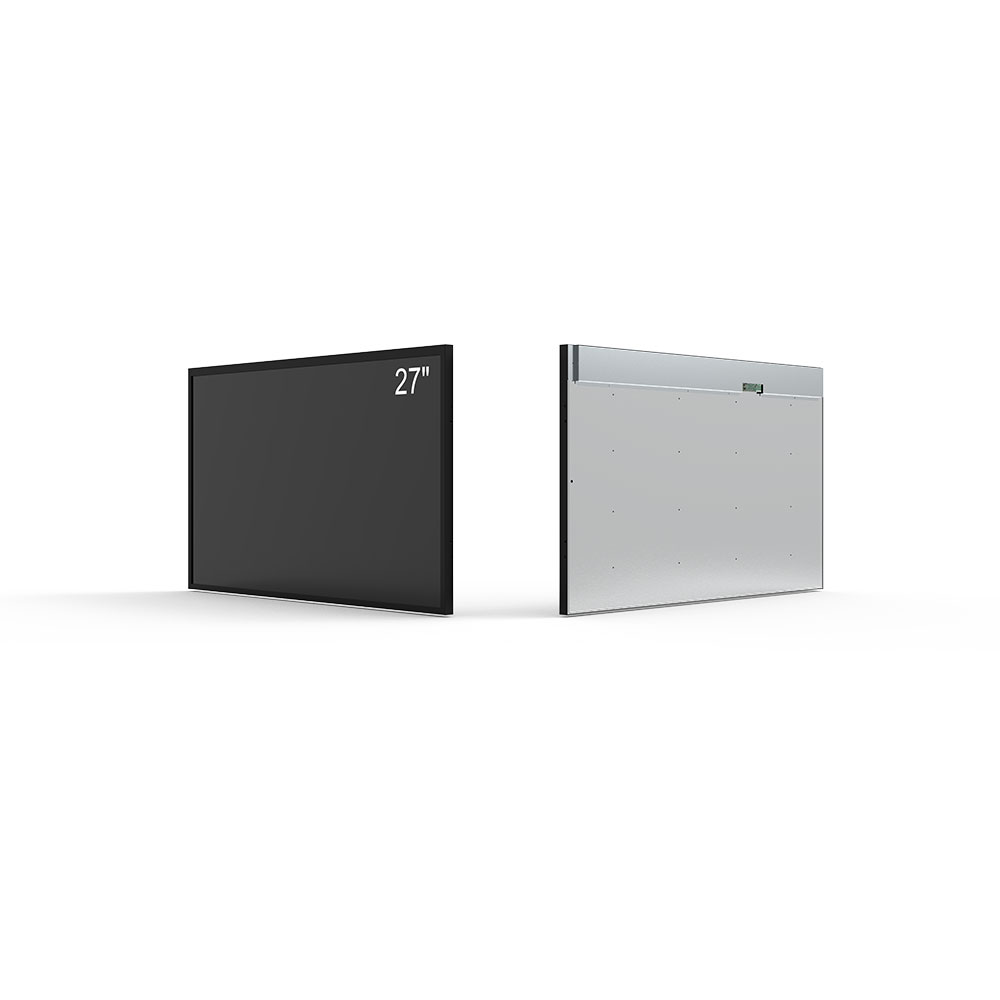
Industry standards such as MIL-STD-810 for environmental testing and IEC 60068 for climatic endurance guide design and certification processes. Compliance with these standards ensures reliability across temperature extremes (-40°C to +70°C), humidity (95% RH), vibration, and shock resistance—all vital for outdoor deployment.
In conclusion, high-brightness sunlight-readable LCDs represent a convergence of optical engineering, materials science, and intelligent electronics. As demand grows from smart cities, autonomous vehicles, and remote monitoring systems, manufacturers must continue innovating in brightness, efficiency, and resilience to meet evolving global needs.