RisingStar
- Hjem
- Om os
- Produkter
- Nyheder
- Videoer
- Kontakt
- Send forespørgsel
Søg
- Hjem
- Om os
- Produkter
- Nyheder
- Videoer
- Kontakt
- Send forespørgsel
RisingStar
In today’s increasingly connected world, industrial, medical, military, and outdoor applications demand electronic displays that perform reliably under extreme conditions—including exposure to water, dust, vibration, and temperature extremes. Among the most critical standards for environmental protection is IP66—a rating defined by the International Electrotechnical Commission (IEC) that ensures both complete dust tightness and resistance to powerful water jets. For manufacturers of high-brightness sunlight-readable LCD screens, achieving an IP66 rating isn’t just a feature—it’s a requirement for survival in demanding environments.
The IP66 classification consists of two parts: the first digit (6) indicates full protection against dust ingress—meaning no dust can enter the enclosure—and the second digit (6) means it can withstand powerful water jets from any direction without harmful effects. This makes IP66-rated LCDs ideal for applications such as outdoor kiosks, agricultural machinery control panels, marine navigation systems, oil and gas field equipment, and military-grade mobile command units.
To meet IP66 requirements, manufacturers employ several design strategies. First, robust sealing techniques like silicone gaskets, O-rings, and ultrasonic welding are used at panel seams, connector ports, and bezel joints to prevent ingress. Second, display substrates must be sealed with moisture-resistant coatings, and backlight modules are often potted or encapsulated to prevent condensation inside the unit. Third, the glass cover is typically made of chemically strengthened or tempered glass (such as Gorilla Glass or similar), which offers both durability and optical clarity while resisting scratching and impact.
Testing protocols for IP66 compliance are stringent and standardized. According to IEC 60529, devices must undergo two main tests: (1) a dust chamber test where fine powder is circulated for 8 hours to ensure zero internal contamination, and (2) a water jet test involving a 6.3 mm nozzle spraying water at 12.5 liters per minute for 3 minutes from a distance of 3 meters, at angles up to 180°. Only after passing these tests can a product legally claim an IP66 rating.
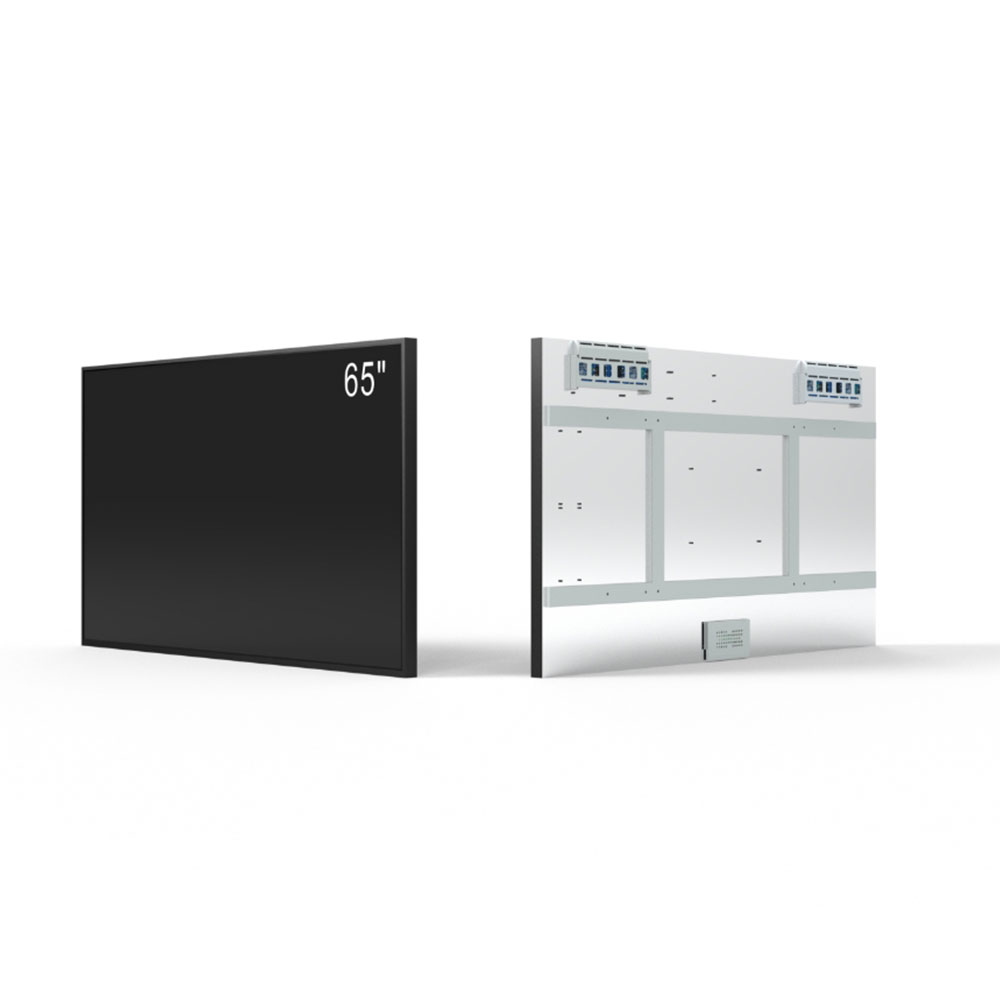
Real-world case studies highlight the importance of this standard. For example, in 2021, a leading agricultural equipment manufacturer replaced its standard LCDs with IP66-rated high-brightness displays in their tractor control systems. The new displays not only survived heavy rain and dust storms in Southeast Asia but also maintained readability under direct sunlight exceeding 10,000 lux. Similarly, in a naval defense project in Europe, IP66-rated LCDs were deployed on radar interfaces aboard patrol vessels. Despite saltwater exposure and constant motion, these screens continued operating flawlessly over a 5-year deployment period.
Manufacturers must also consider thermal management when designing IP66 solutions. High-brightness LEDs generate significant heat, especially in enclosed housings. Therefore, passive cooling via heatsinks or active cooling using micro-fans (with IP67-rated enclosures) may be necessary to maintain optimal operating temperatures. Additionally, power supply integration must be isolated to avoid short circuits from moisture ingress.
From a cost perspective, achieving IP66 adds approximately 15–25% to the base LCD module cost due to specialized materials, labor-intensive assembly, and rigorous testing. However, the long-term savings from reduced maintenance, fewer field failures, and higher uptime make it a highly cost-effective investment in mission-critical applications.
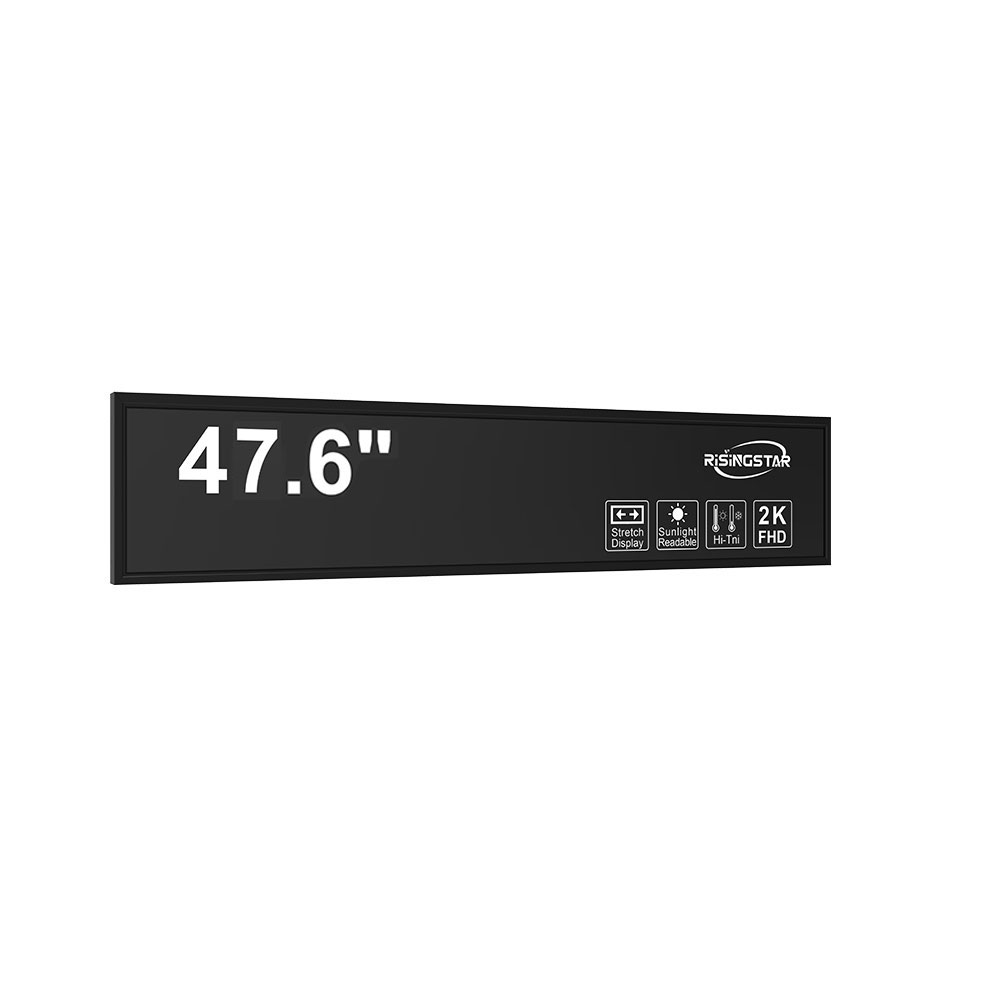
In conclusion, IP66 waterproofing is not a luxury—it is a necessity for modern high-brightness LCDs deployed in real-world environments. With advancements in sealing technologies, material science, and environmental testing standards, engineers can now confidently build displays that operate reliably in the harshest conditions, ensuring safety, productivity, and user satisfaction across industries worldwide.