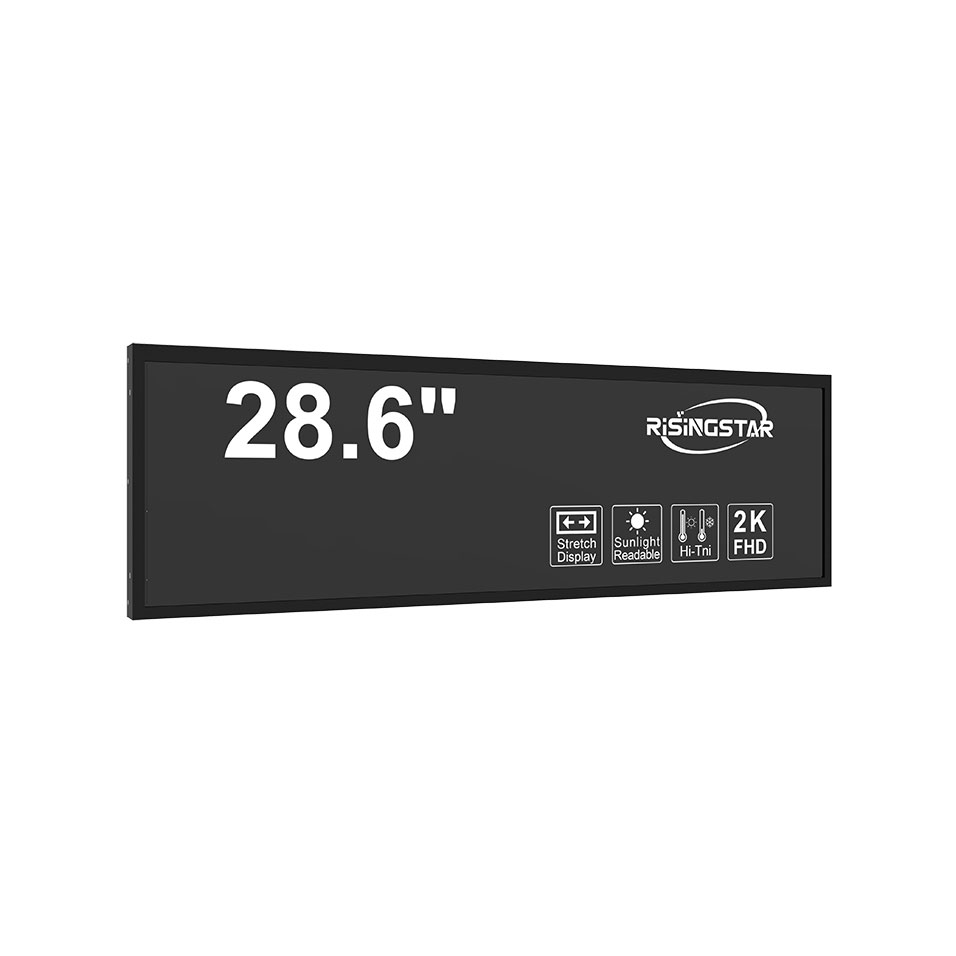
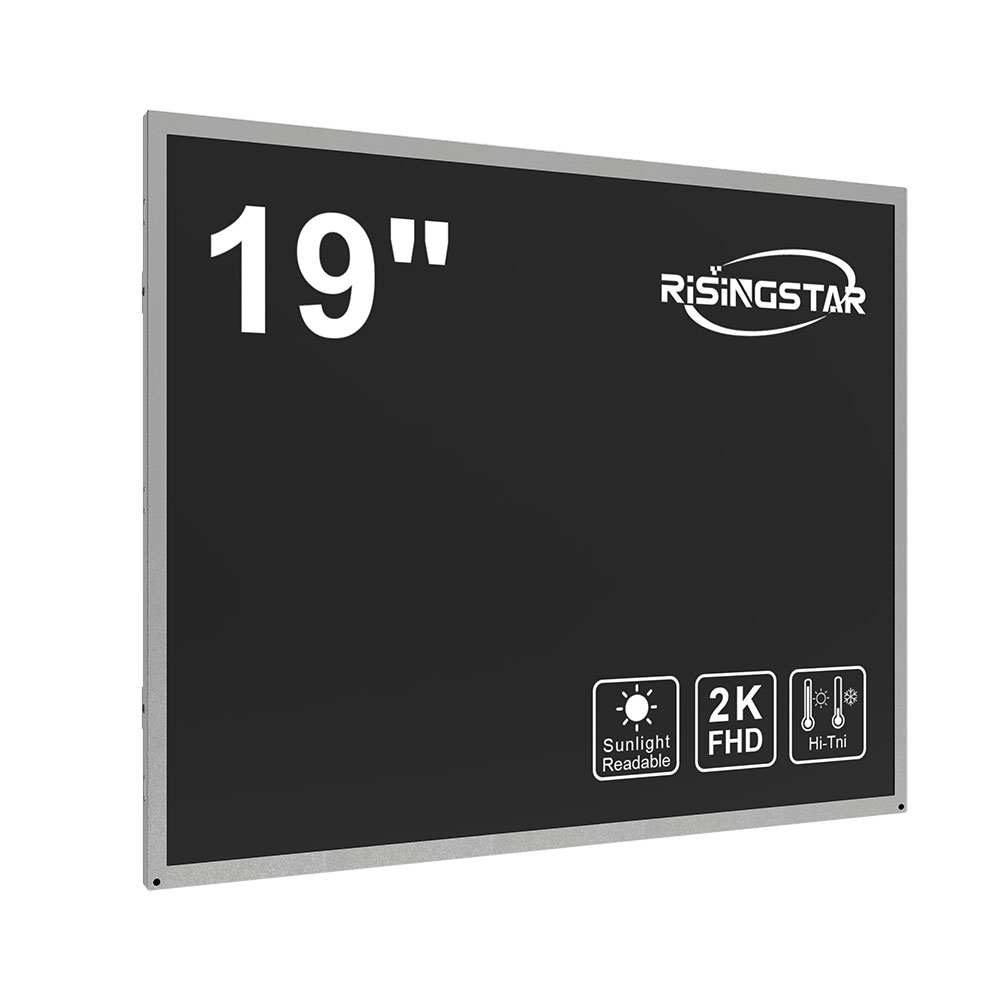
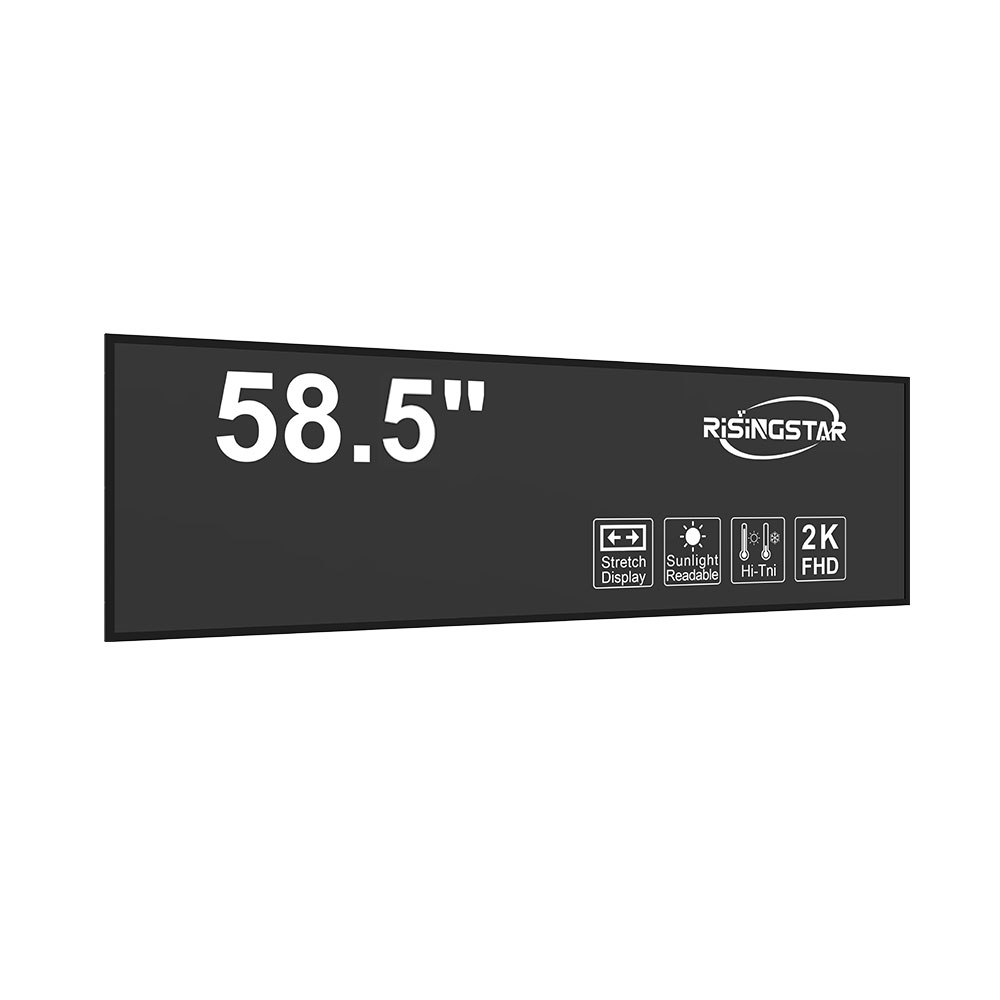
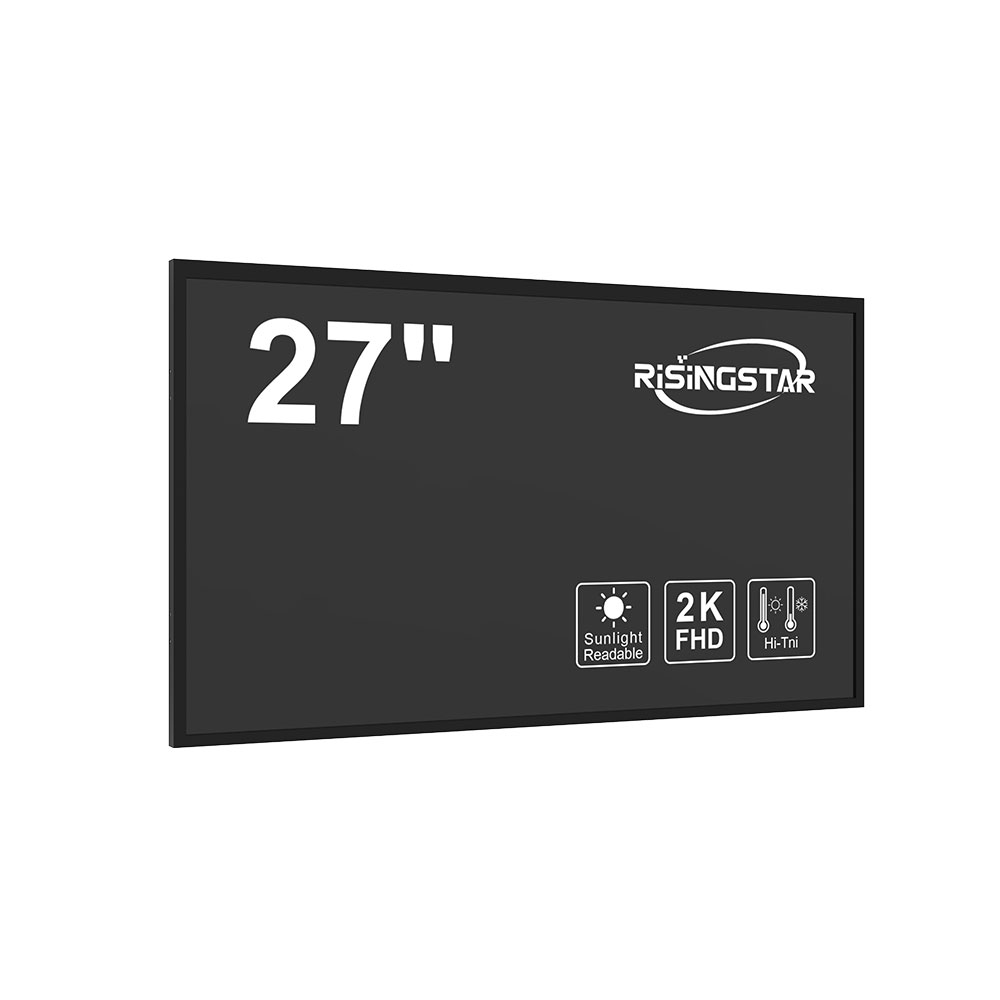
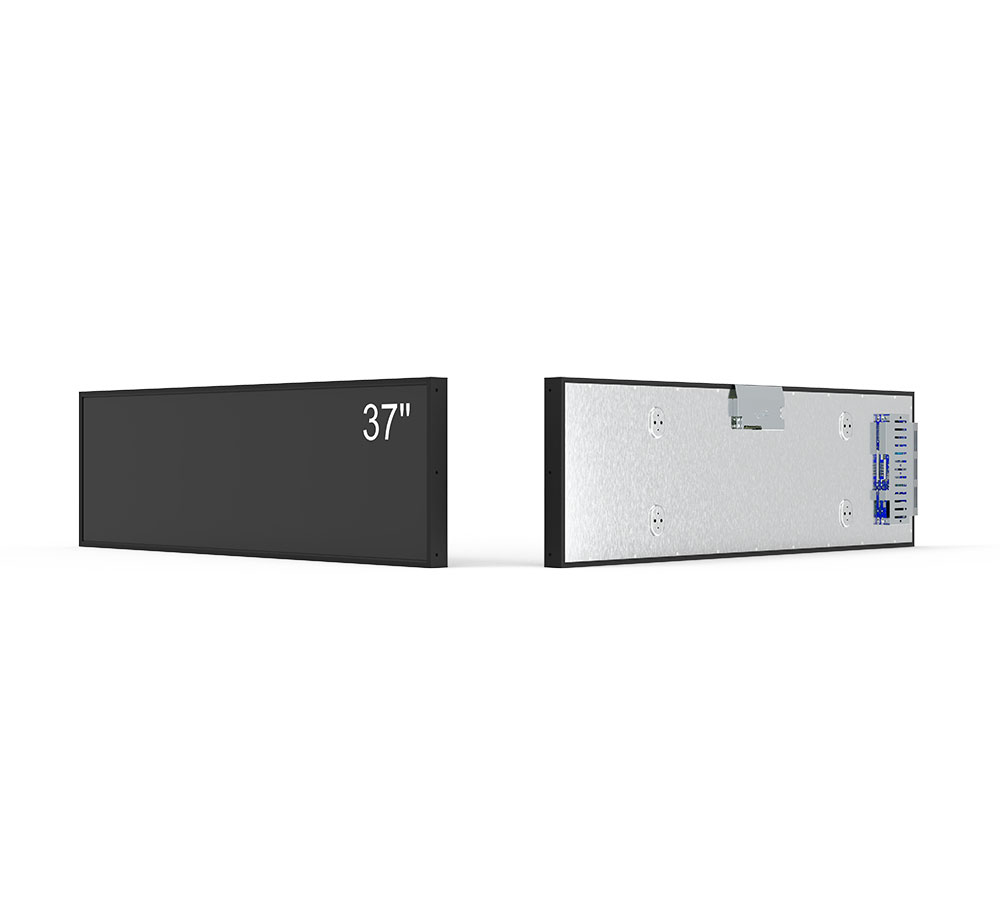
High-brightness sunlight-readable LCD displays have become essential in modern industrial, military, transportation, and consumer applications where visibility under extreme lighting conditions is critical. These displays are engineered to maintain clarity and readability even under direct sunlight—typically at brightness levels exceeding 5,000 cd/m² (nits), far surpassing the 200–300 nits typical of standard indoor LCDs. Their ability to function reliably in high-temperature environments, exposure to vibration, dust, and moisture makes them indispensable across sectors such as aviation, defense, construction, public transport, and outdoor kiosks.
The core challenge in designing a sunlight-readable display lies in overcoming ambient light interference. Standard LCDs often fail outdoors because sunlight can overwhelm the screen’s emitted light, rendering text and graphics invisible or distorted. To combat this, manufacturers use a combination of optical engineering, material science, and advanced backlight technologies. One of the most effective solutions is the use of high-luminance LED backlights paired with anti-glare coatings and polarized filters that reduce surface reflections. For instance, some commercial models achieve up to 10,000 nits peak brightness, enabling clear visibility even in direct midday sun—a feature vital for flight deck instrumentation or field medical devices.
Industry standards such as MIL-STD-810G (for environmental testing) and IEC 60945 (for marine electronics) guide design parameters for ruggedness and performance. These standards ensure that displays meet stringent requirements for shock resistance, temperature extremes (-40°C to +70°C), humidity tolerance, and electromagnetic compatibility (EMC). In military applications, such as vehicle-mounted command systems or handheld tactical displays, compliance with these standards is non-negotiable. Case studies from companies like BAE Systems and L-3 Technologies show that failure to adhere to these specifications results in reduced operational readiness and higher maintenance costs.
Another key innovation in sunlight-readable displays is the integration of active matrix technology, particularly TFT-LCD (Thin-Film Transistor Liquid Crystal Display). Unlike passive matrix displays, which suffer from slower response times and lower contrast ratios, TFT-LCDs provide pixel-level control, ensuring sharp image quality and fast refresh rates—critical for dynamic content such as GPS navigation or real-time video feeds. The use of amorphous silicon (a-Si) or low-temperature polycrystalline silicon (LTPS) thin-film transistors enhances both power efficiency and performance, making these displays suitable for battery-powered mobile devices like drones and portable diagnostic tools.
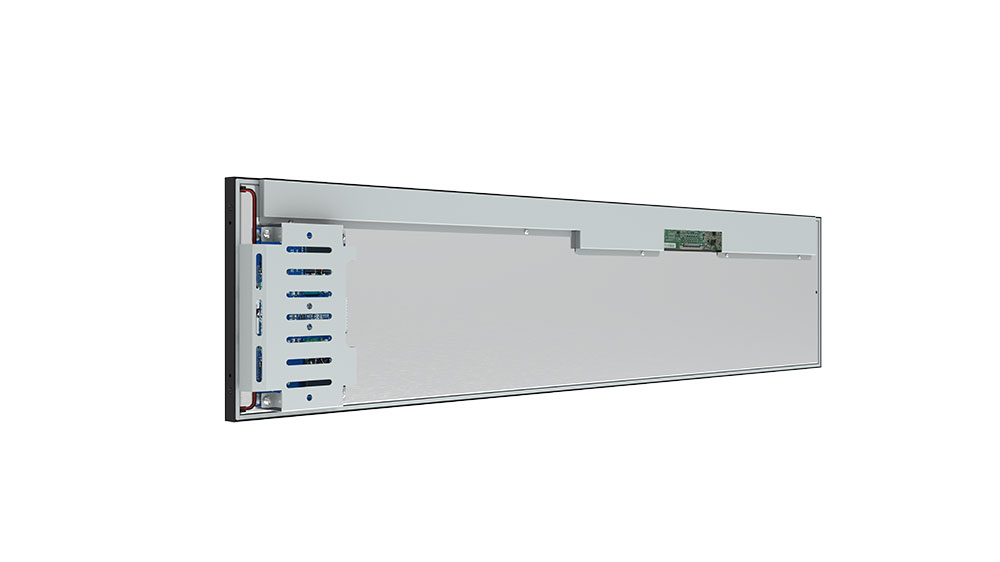
Manufacturers also employ specialized glass substrates and encapsulation methods to protect against environmental stressors. For example, Gorilla Glass or chemically strengthened soda-lime glass resists scratches and impacts, while hermetic sealing prevents moisture ingress. Some designs incorporate an integrated heat sink or thermal management system to dissipate excess heat generated by high-power LEDs—a common issue in enclosed enclosures like control panels or solar-powered units.
In the automotive industry, especially in electric vehicles (EVs), sunlight-readable displays play a crucial role in enhancing driver safety and user experience. Tesla’s Model S dashboard, for instance, uses a 17-inch high-brightness LCD that remains legible in bright daylight without requiring manual brightness adjustments. This not only improves usability but also reduces cognitive load on drivers, contributing to safer operation. According to a 2023 study published in the IEEE Transactions on Human-Machine Systems, drivers using high-visibility displays made fewer errors in route interpretation compared to those using standard screens.
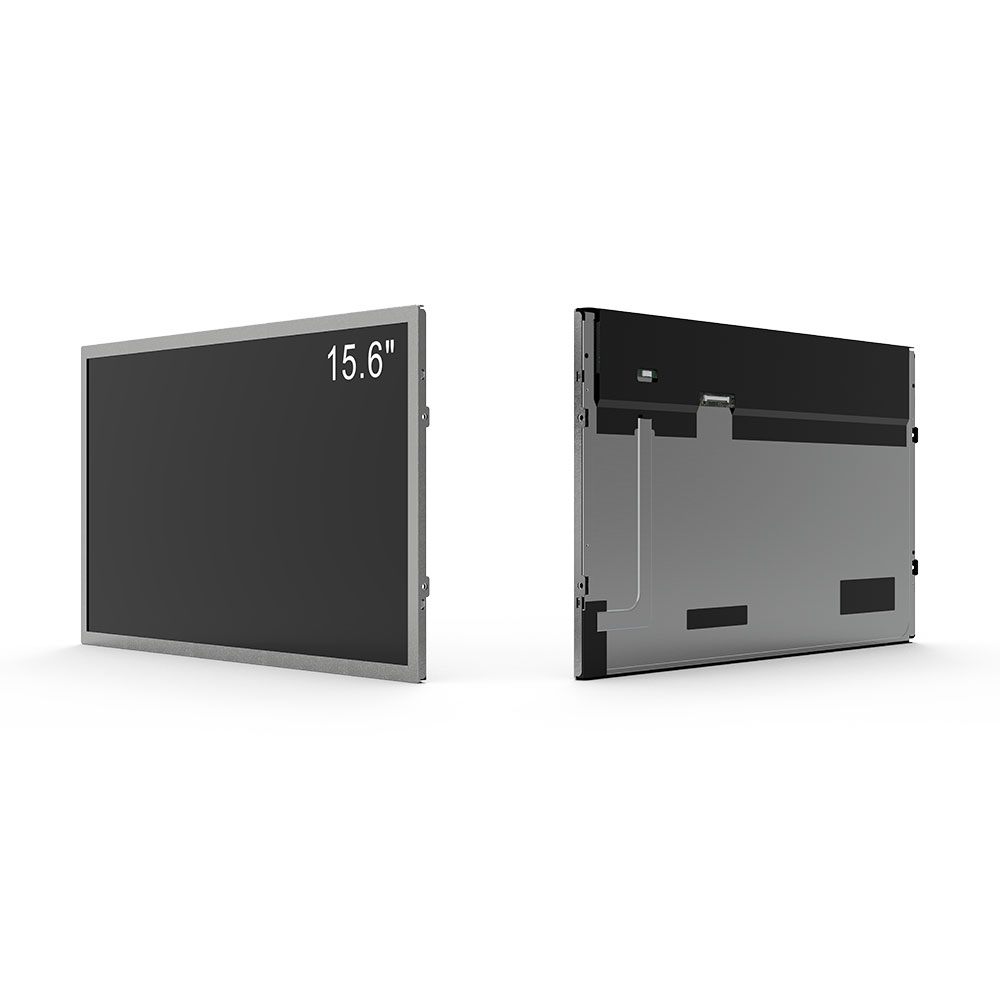
Public infrastructure projects also benefit significantly from this technology. Cities like Singapore and Dubai have implemented digital signage powered by sunlight-readable displays in outdoor bus stops, subway stations, and airport terminals. These signs must operate continuously in harsh weather conditions—from monsoon rains to desert heat—and still deliver clear information to passengers. A case study from LG Electronics demonstrated that their 15.6-inch outdoor LCDs maintained 95% readability under full sunlight over a six-month period in Dubai, outperforming competitor models by up to 40% in durability metrics.
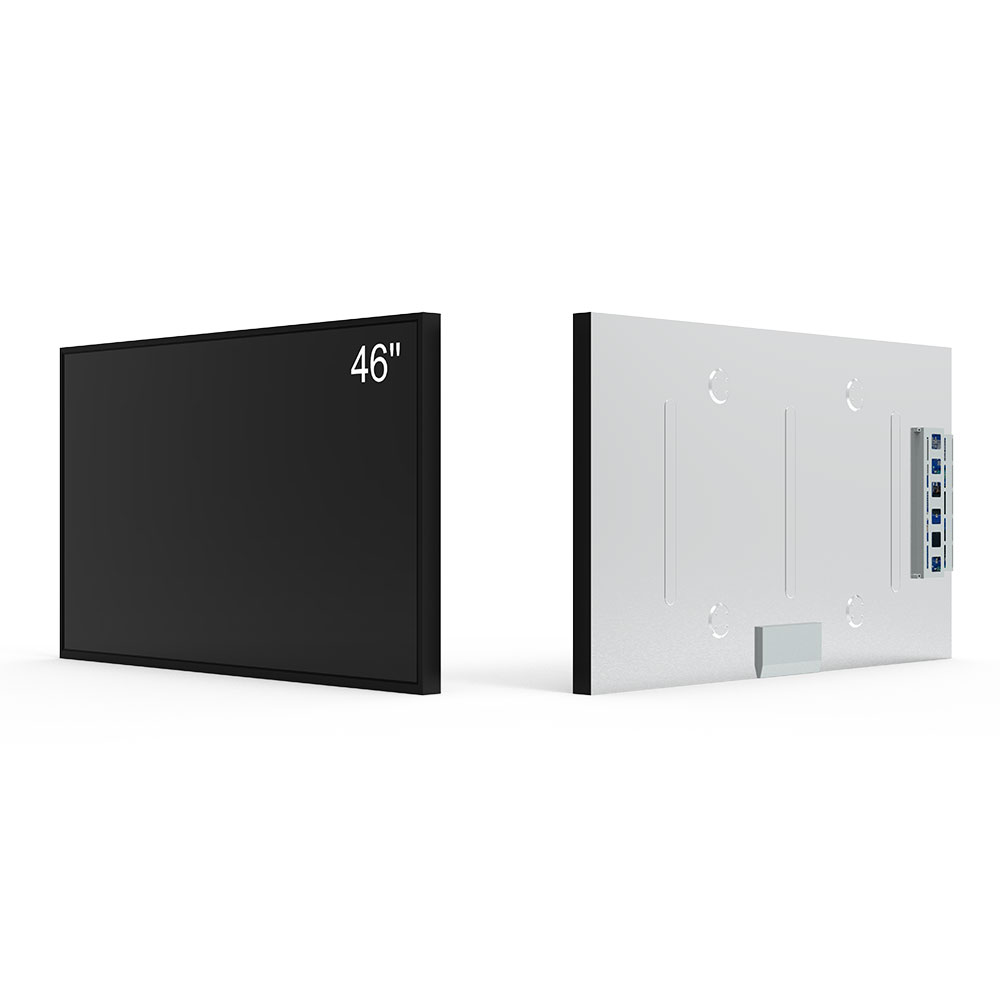
The evolution of these displays has been accelerated by advancements in mini-LED and micro-LED backlighting technologies. Mini-LED arrays offer superior local dimming capabilities, allowing precise control over luminance across different regions of the screen—thus improving contrast ratios and reducing power consumption. Micro-LEDs, though still emerging, promise even higher brightness, faster response times, and better energy efficiency due to their self-emissive nature. Research conducted by Samsung Display in collaboration with the University of Cambridge showed that micro-LED-based sunlight-readable displays could achieve 15,000 nits brightness while consuming 30% less power than traditional LED-backlit counterparts.
Cost remains a primary consideration when selecting sunlight-readable displays. While premium models with advanced features can cost two to three times more than standard indoor LCDs, their long-term value lies in reduced downtime, improved user accuracy, and extended lifespan in challenging environments. For example, a 2022 report by MarketsandMarkets estimated that the global market for ruggedized displays would reach $8.7 billion by 2027, driven largely by demand from defense, transportation, and industrial automation sectors. Companies investing in high-quality displays report up to 50% reduction in field failures over five years, translating into substantial savings in maintenance and replacement costs.
Moreover, regulatory compliance plays a significant role in adoption. In Europe, CE marking ensures that products meet health, safety, and environmental protection standards. In the U.S., FCC certification guarantees that electronic devices do not emit harmful electromagnetic interference. Manufacturers must integrate robust shielding and filtering components into display modules to pass these certifications—an added layer of complexity but essential for global deployment.
From a user-centered design perspective, ergonomics and accessibility are increasingly important. Displays used in emergency response vehicles or construction equipment must be readable at various angles and distances. Technologies like wide viewing angles (up to 170° horizontal and vertical) and adaptive brightness sensors that automatically adjust luminance based on ambient light levels enhance usability. Apple’s iPad Pro, for example, includes an ambient light sensor that dynamically adjusts screen brightness, improving battery life and user comfort—a principle now being adapted for professional-grade outdoor displays.
Looking ahead, the future of sunlight-readable LCDs lies in hybrid technologies combining OLED, LCD, and AI-driven optimization. Researchers at MIT Media Lab are exploring adaptive algorithms that analyze real-time lighting conditions and optimize display settings accordingly—such as boosting contrast in shaded areas or reducing brightness in sunny spots to conserve energy. Such innovations will further blur the line between indoor and outdoor display capabilities, paving the way for seamless multi-environment operation.
In conclusion, high-brightness sunlight-readable LCD displays represent a convergence of engineering excellence, materials science, and user-centric design. They are no longer niche products but mission-critical components in industries where reliability, clarity, and longevity matter most. Whether deployed in a fighter jet cockpit, a remote oil rig, or a city bus stop, these displays continue to redefine what is possible in human-machine interaction under extreme conditions. As global temperatures rise and urbanization increases, the demand for durable, high-performance outdoor displays will only intensify—making this sector one of the most promising and impactful areas of modern display technology.
 RisingStar