RisingStar
- Home
- About Us
- Products
- News
- Video
- Contact
- Send Inquiry
Search
- Home
- About Us
- Products
- News
- Video
- Contact
- Send Inquiry
RisingStar
High-brightness sunlight-readable LCD screens are essential components in modern outdoor display systems, especially in environments where ambient light intensity exceeds 10,000 lux—such as on construction sites, military vehicles, industrial control panels, and public transportation systems. Unlike standard LCDs that suffer from poor visibility under direct sunlight, these specialized displays are engineered to maintain clarity, contrast, and readability even under extreme lighting conditions. The core technology revolves around maximizing luminance while minimizing glare and optimizing contrast ratios through a combination of advanced backlighting, anti-glare coatings, and adaptive brightness control algorithms.
One of the most critical specifications for sunlight-readable displays is luminance, typically measured in nits (cd/m²). While consumer-grade LCDs range from 200–400 nits, high-brightness models for outdoor use commonly exceed 5,000 nits and can go up to 10,000 nits or more. For example, the MIL-STD-188-131 standard used by the U.S. Department of Defense mandates that military-grade displays must be readable at 10,000 lux, which corresponds to a minimum brightness level of 5,000 nits. This ensures that operators in open-field operations—such as battlefield command centers or drone ground stations—can read vital data without squinting or adjusting position.
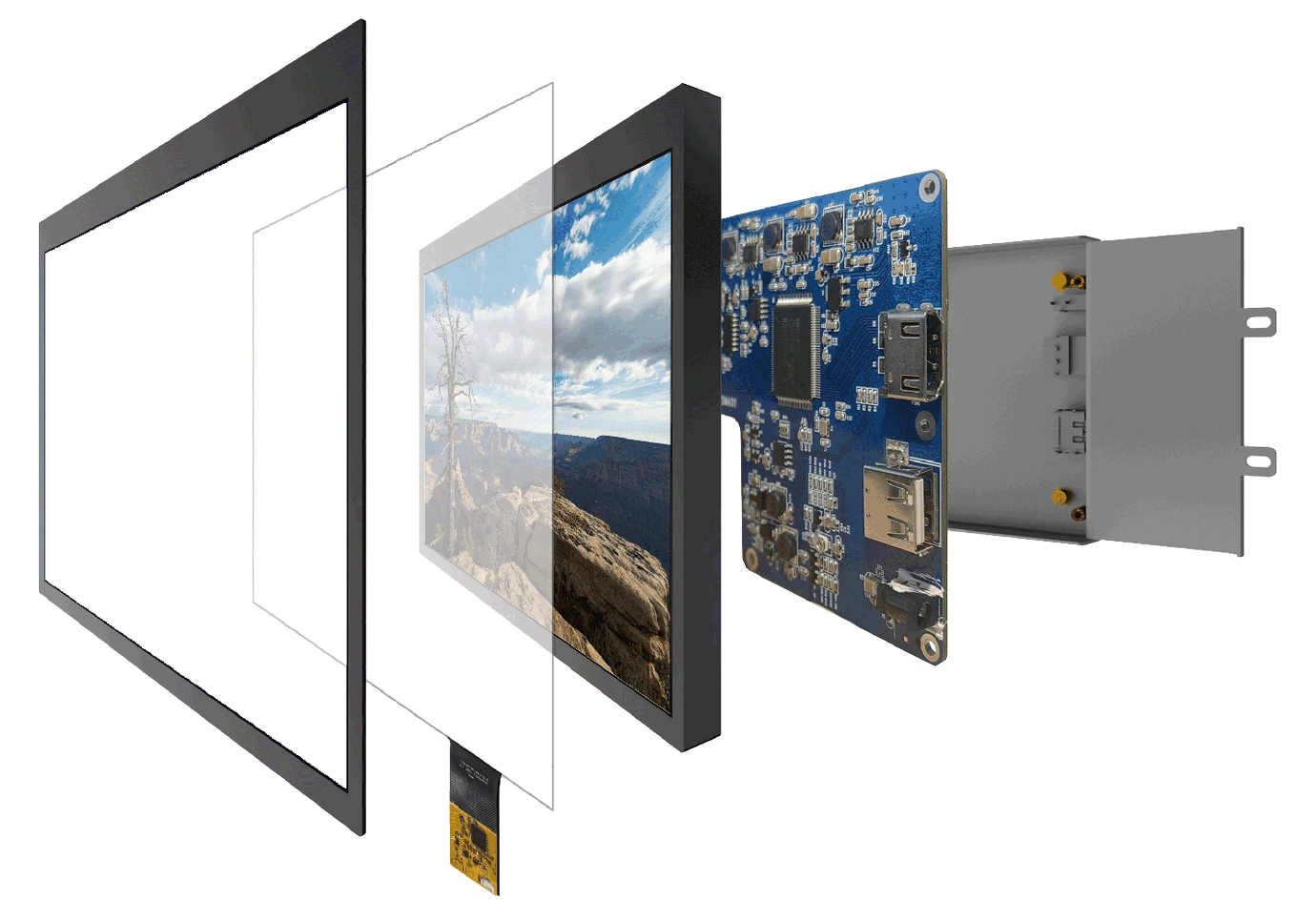
In addition to high luminance, these displays often integrate optical bonding, a process that seals the glass substrate and touch layer with an optically clear adhesive (OCA). This technique eliminates air gaps between layers, reducing internal reflections and improving contrast by up to 30%. Case studies from manufacturers like Crystalfontz and ELO Touch Systems demonstrate that optical bonding enhances performance in both direct sunlight and low-light environments, making it ideal for 24/7 operational settings such as traffic signal controllers and digital signage in urban areas.
Another innovation is the use of wide-viewing-angle panels based on IPS (In-Plane Switching) or ASV (Advanced Super View) technologies. These panels provide consistent color accuracy and uniform brightness across angles up to 178°, ensuring visibility for multiple users simultaneously—a key requirement in collaborative workspaces like oil rigs or airport control towers. Furthermore, temperature-compensated driving circuits help stabilize pixel response times and prevent image smearing in extreme heat or cold, extending the operational range from -30°C to +70°C.
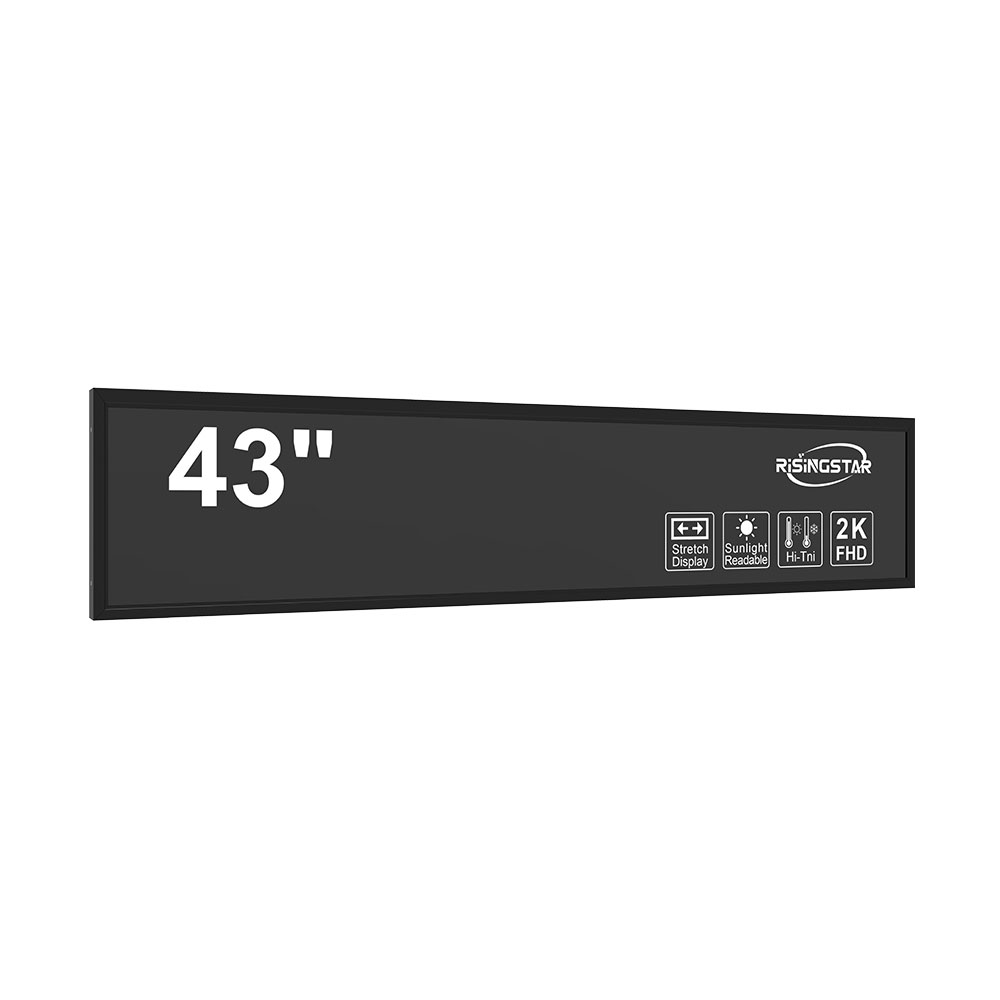
Energy efficiency remains a challenge in high-brightness applications due to increased power consumption. To address this, manufacturers incorporate dynamic backlight dimming systems that adjust brightness based on ambient light sensors. This not only improves battery life in portable devices but also reduces thermal load—critical for embedded systems in aerospace and automotive industries. According to a 2023 report by Market Research Future, the global demand for high-brightness sunlight-readable displays is projected to grow at a CAGR of 6.9% through 2030, driven by advancements in EV dashboards, smart city infrastructure, and ruggedized IoT devices.
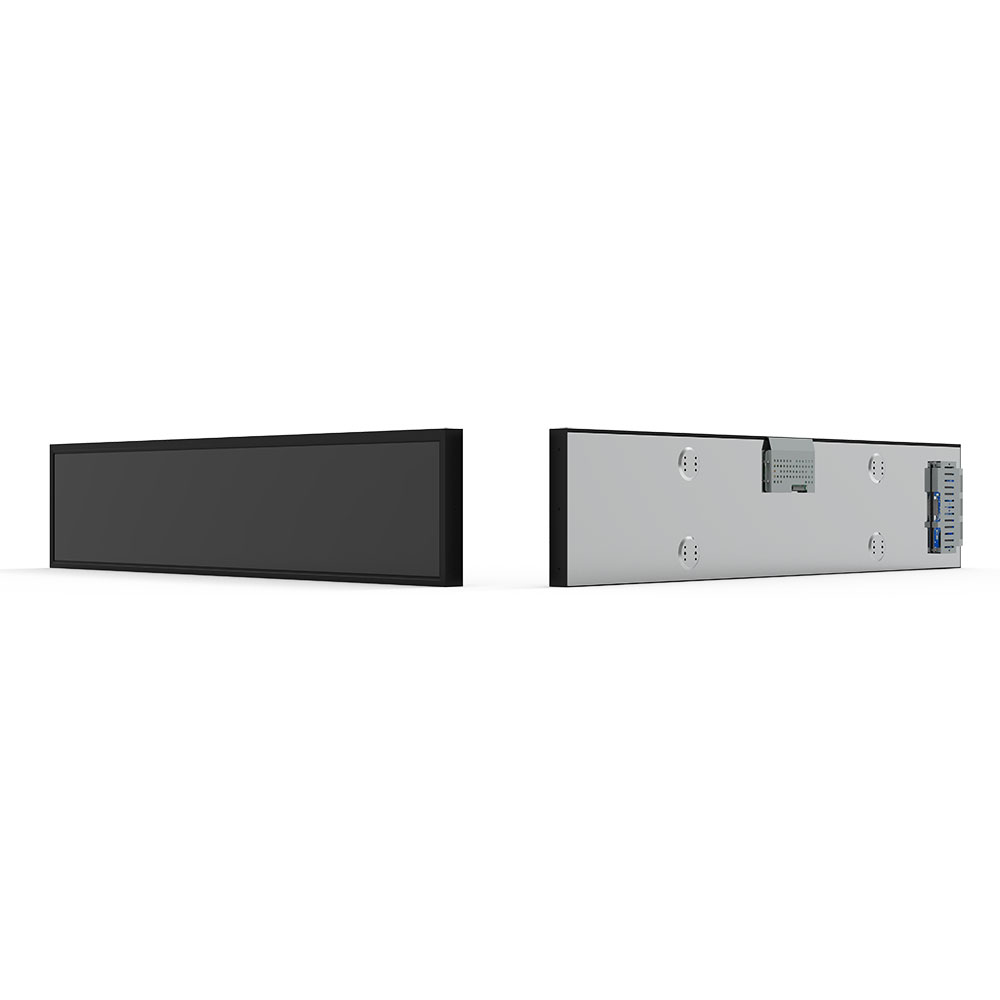
From a design perspective, compliance with international standards such as ISO 16750 (environmental testing for road vehicles), IP65/IP67 (dust and water resistance), and CE/FCC certification ensures reliability in harsh conditions. Real-world deployments—like the deployment of 10,000-nit displays in the New York City subway system’s real-time passenger information terminals—prove that these screens can withstand continuous exposure to sunlight, humidity, vibration, and physical abuse.
In conclusion, high-brightness sunlight-readable LCD technology is no longer just a niche solution; it has become a foundational element in modern outdoor human-machine interfaces. With continued R&D in materials science, power management, and intelligent control systems, these displays will remain indispensable in sectors demanding precision, durability, and clarity in challenging environments.