RisingStar
- Home
- About Us
- Products
- News
- Video
- Contact
- Send Inquiry
Search
- Home
- About Us
- Products
- News
- Video
- Contact
- Send Inquiry
RisingStar
High-brightness sunlight-readable LCD screens are essential in modern outdoor display systems where visibility under direct sunlight is critical. These displays are widely used in military, transportation, industrial, and retail sectors—environments where ambient light levels can exceed 100,000 lux. Unlike standard LCDs that suffer from poor contrast and illegible content in bright conditions, high-brightness sunlight-readable displays are engineered with specialized technologies to ensure clarity, durability, and performance under extreme lighting conditions.
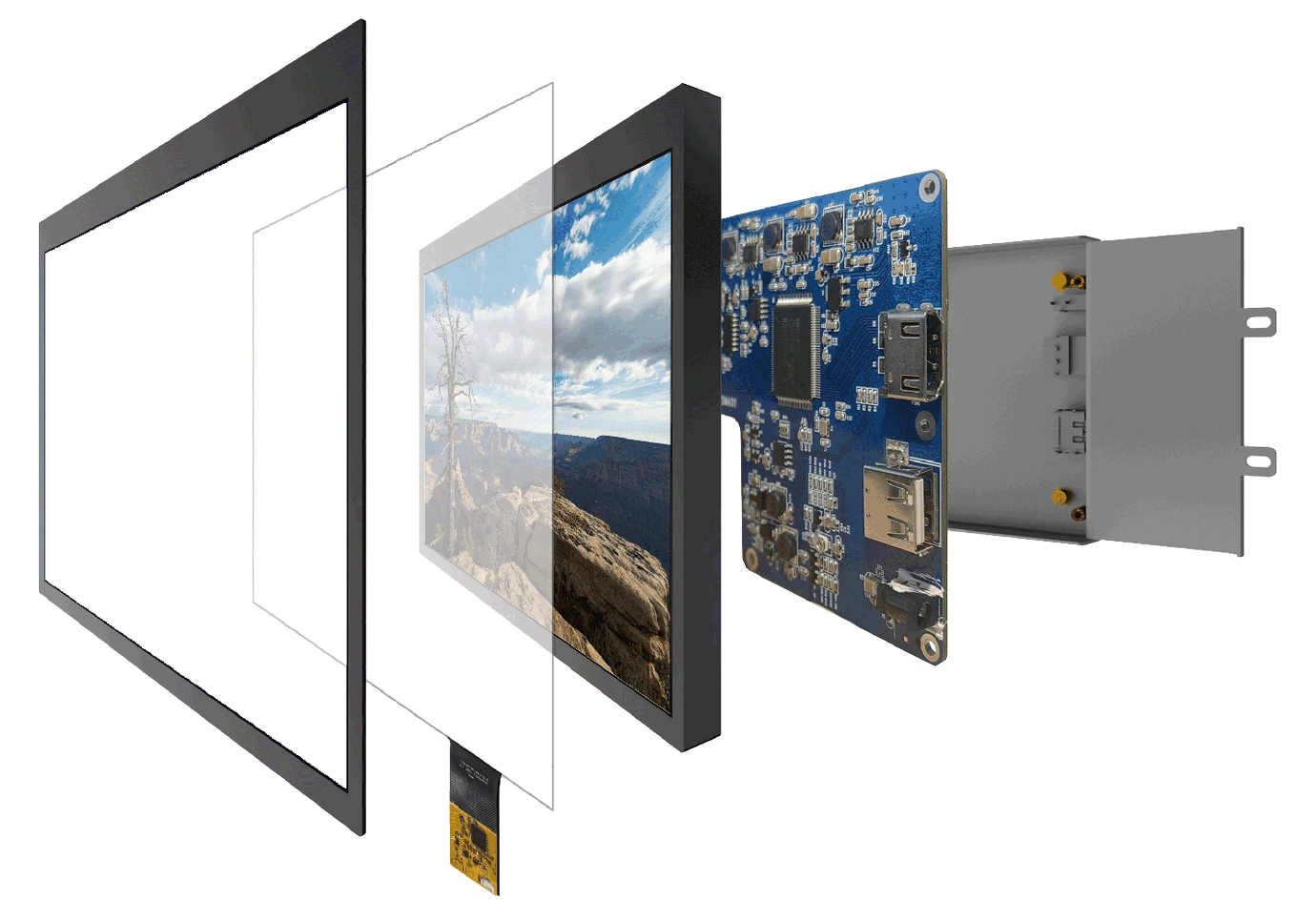
The core innovation behind these screens lies in their ability to achieve luminance levels between 3,000 and 10,000 nits—far exceeding the typical 250–500 nits of indoor displays. This is achieved through a combination of advanced backlighting (often LED-based), optimized optical stack design, and anti-glare or reflective coatings. For instance, some models use dual-layer polarizers and high-transmission liquid crystal cells to maximize brightness while minimizing power consumption. Additionally, manufacturers often incorporate ambient light sensors and auto-brightness control algorithms to dynamically adjust output based on real-time environmental conditions—an energy-efficient feature increasingly adopted in portable and solar-powered devices.
A notable example is the U.S. Department of Defense’s requirement for ruggedized displays in field operations. According to MIL-STD-810H standards, such displays must operate reliably in temperatures ranging from -40°C to +71°C and withstand shock, vibration, and humidity. Companies like Crystalfontz, LG Display, and Innolux have developed commercial-grade panels meeting these stringent criteria, often featuring sealed enclosures, IP65 ingress protection, and Gorilla Glass or similar scratch-resistant surfaces.
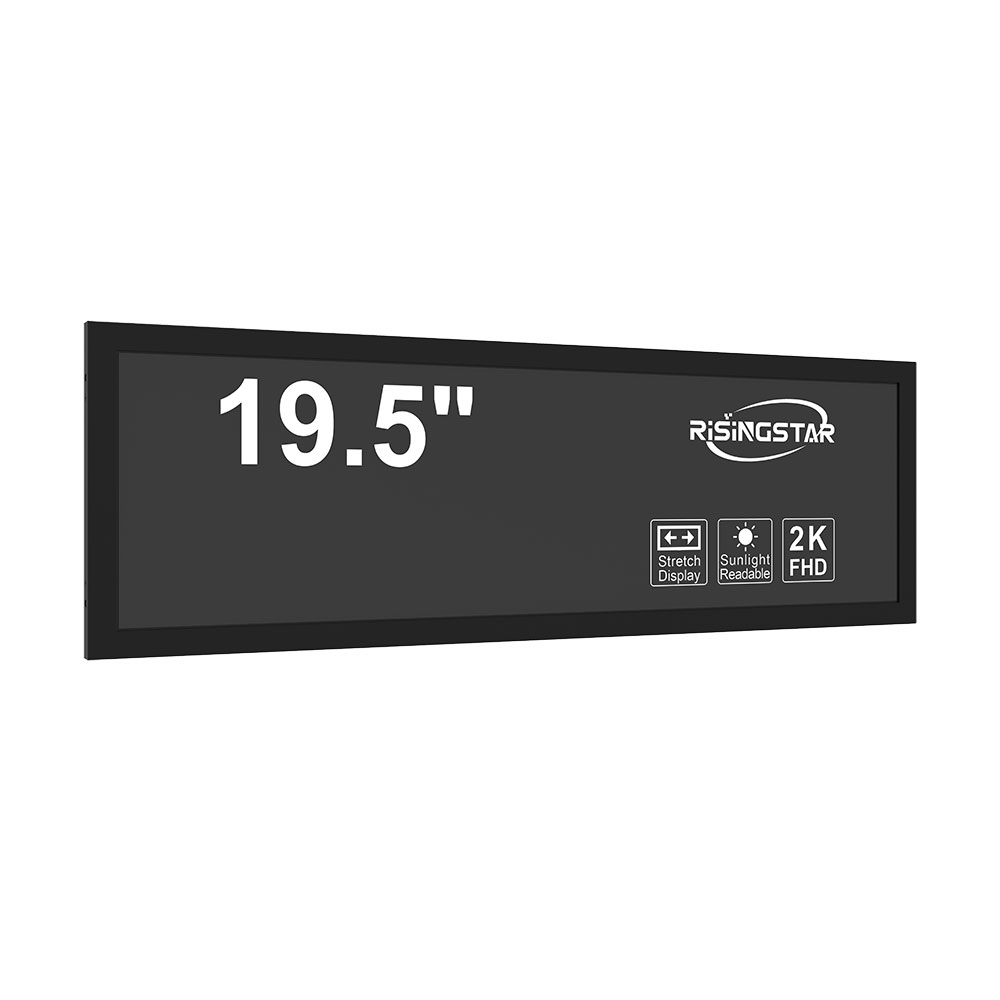
Case studies demonstrate their effectiveness in real-world deployments. For example, a 2022 deployment by Siemens in an outdoor energy monitoring system in Dubai showed that sunlight-readable LCDs maintained full functionality during peak sun hours without manual adjustments. Similarly, public transit companies like Transport for London now use these screens for digital signage at bus stops, ensuring passengers can read schedules even in midday sunlight.
From a technical standpoint, the key differentiator between standard and sunlight-readable LCDs is not just brightness—it's also contrast ratio, viewing angle stability, and response time. Modern high-brightness panels use wide-view IPS (In-Plane Switching) or MVA (Multi-domain Vertical Alignment) technologies to maintain image quality across wide angles. Furthermore, recent advancements in OLED-based sunlight-readable displays offer deeper blacks and higher contrast ratios, though they remain more expensive and less common than LED-backlit LCDs.
In conclusion, high-brightness sunlight-readable LCD screens represent a convergence of materials science, human factors engineering, and real-time adaptability. As global demand grows for reliable outdoor information systems—from smart city infrastructure to autonomous vehicle interfaces—the importance of robust, readable displays cannot be overstated. With ongoing improvements in power efficiency, durability, and cost-effectiveness, these screens will continue to be foundational in mission-critical applications worldwide.