 RisingStar
- Home
- About Us
- Products
- News
- Video
- Contact
- Send Inquiry
Search
- Home
- About Us
- Products
- News
- Video
- Contact
- Send Inquiry
RisingStar
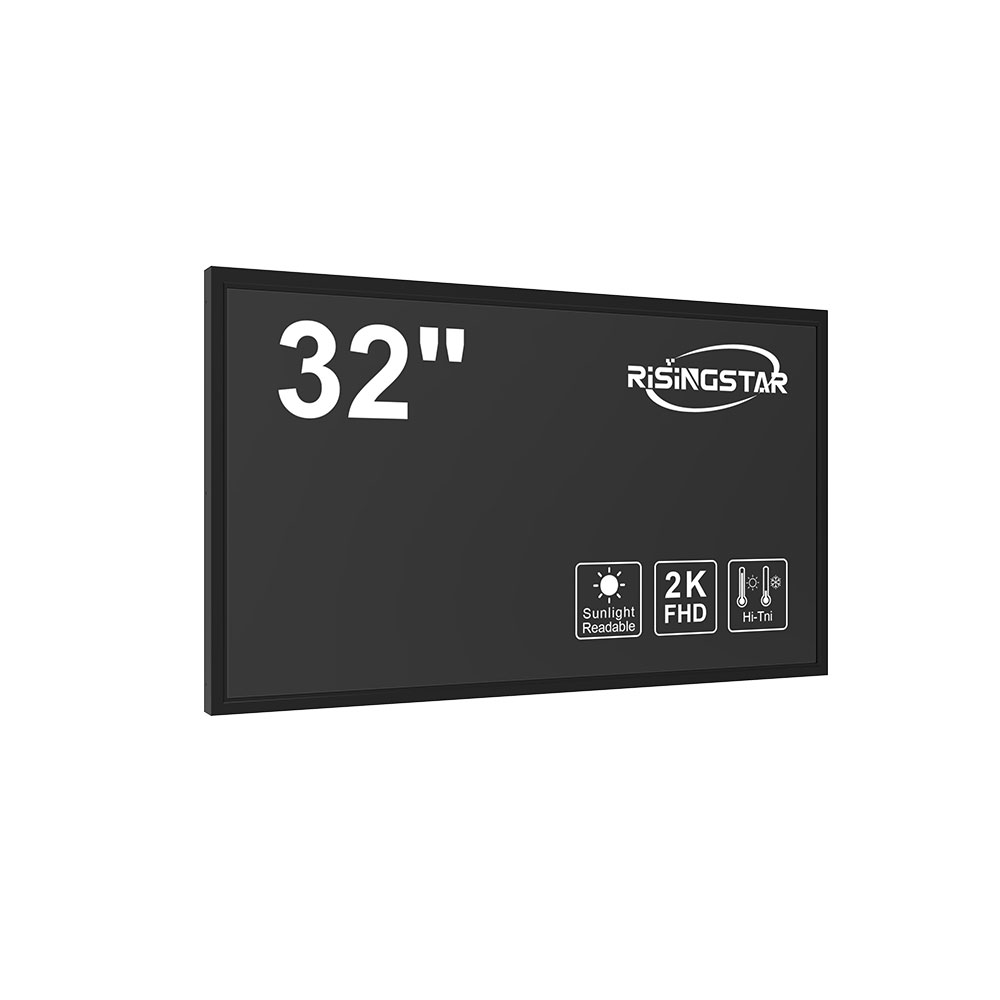
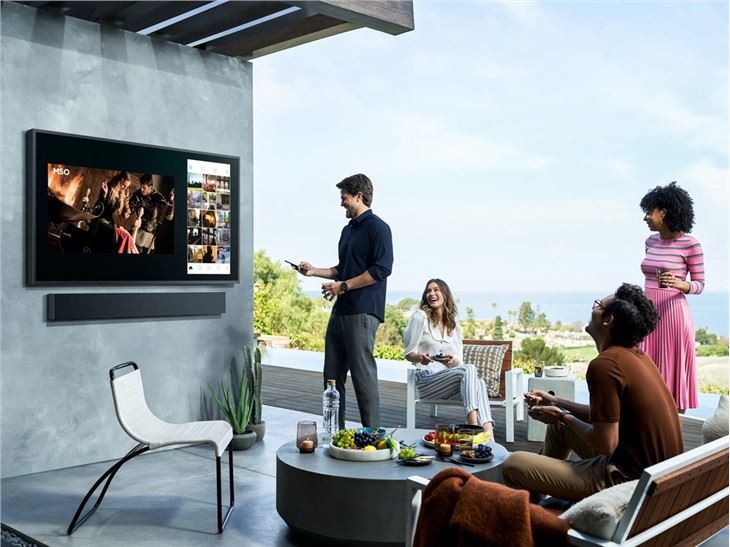
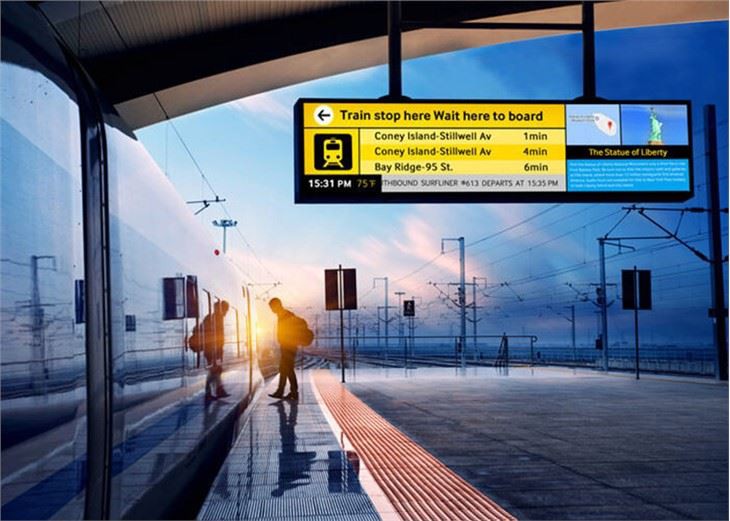
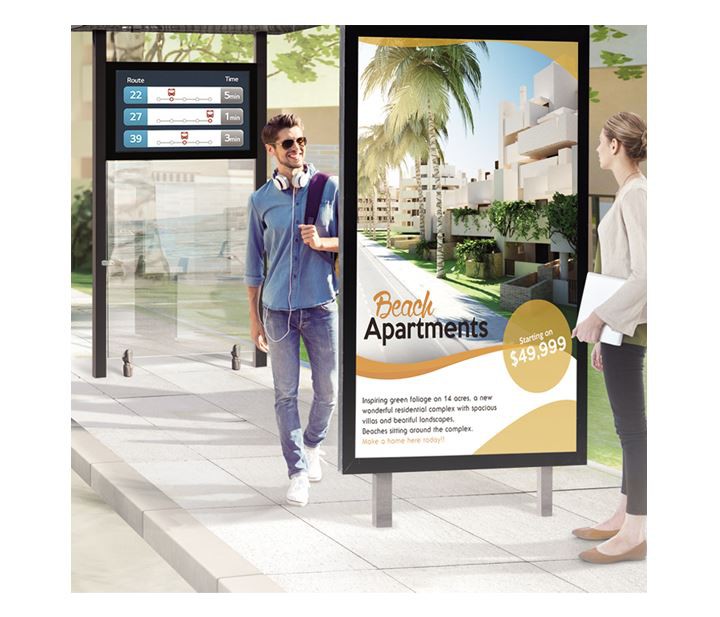
High-brightness sunlight-readable LCD screens are critical components in modern outdoor display systems, especially in industrial, military, transportation, and consumer applications where visibility under direct sunlight is essential. These displays are engineered to maintain clarity, contrast, and color accuracy even under extreme lighting conditions—typically exceeding 10,000 nits of ambient light. According to the International Electrotechnical Commission (IEC) standard IEC 62375, sunlight-readable displays must perform reliably in environments with luminance levels ranging from 1,000 to 10,000 lux or higher.
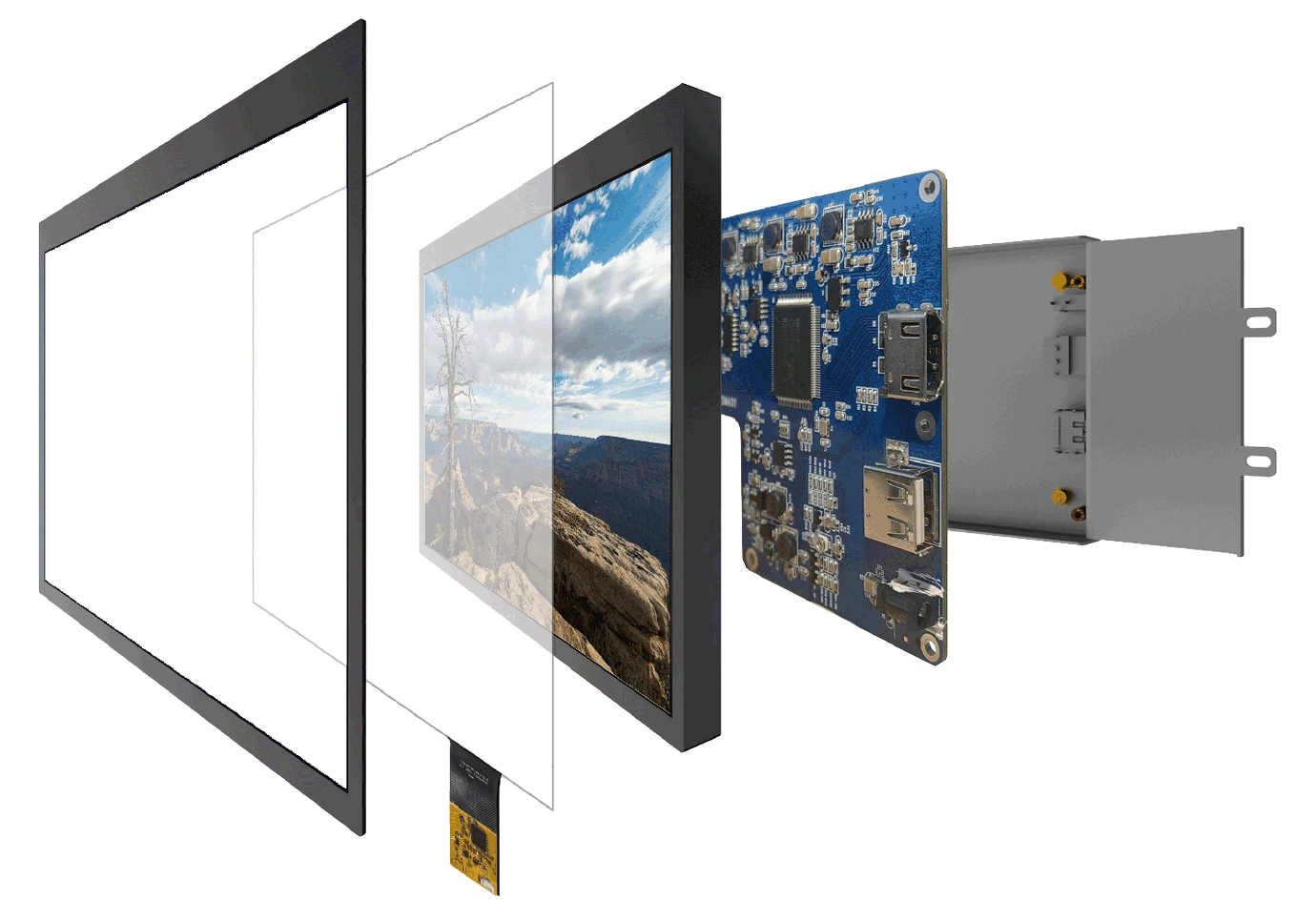
The core technology behind high-brightness LCDs involves multiple layers of innovation. First, a high-luminance backlight—often LED-based with brightness levels up to 5,000–10,000 cd/m²—is used to overpower ambient light. Second, anti-reflective coatings (ARC), such as nanostructured surfaces or multi-layer dielectric films, reduce surface reflections by over 90%. Third, advanced polarizers and optical enhancement films (OEFs) increase light utilization efficiency while minimizing glare. For example, Sharp’s proprietary “Sunlight Readable” technology uses a combination of high-brightness LEDs, reflective polarizers, and adaptive gamma correction algorithms to ensure readable content even at noon sun exposure.
Case studies from the defense sector highlight real-world performance: The U.S. Army’s M1 Abrams tank employs a 10-inch sunlight-readable LCD screen that remains functional under full sunlight at 50°C ambient temperature, thanks to an integrated thermal management system and a ruggedized design meeting MIL-STD-810G standards. Similarly, in the automotive industry, Tesla’s Model S dashboard utilizes a 17-inch high-brightness LCD with adaptive brightness control that dynamically adjusts based on environmental light sensors—a feature proven to reduce driver distraction and improve situational awareness.
From a manufacturing perspective, manufacturers like LG Display, AU Optronics, and BOE Technology have invested heavily in developing low-power, high-efficiency sunlight-readable panels using mini-LED backlights and quantum dot enhancements. These innovations not only boost brightness but also improve energy efficiency by up to 40% compared to traditional CCFL-backlit displays. Moreover, the use of IPS (In-Plane Switching) and VA (Vertical Alignment) panel technologies ensures wide viewing angles and consistent image quality across different lighting scenarios.
For professionals in fields such as avionics, medical devices, or smart city infrastructure, selecting the right high-brightness LCD requires evaluating parameters like peak brightness (nits), contrast ratio, response time, and durability. The Society for Information Display (SID) recommends a minimum contrast ratio of 1,000:1 and a response time below 20ms for motion-critical applications. Additionally, IP65-rated enclosures and conformal coatings are often added for dust and moisture resistance in harsh environments.
Ultimately, high-brightness sunlight-readable LCDs represent a convergence of optics, materials science, and embedded software engineering. As global demand grows—from autonomous vehicles to solar-powered IoT devices—the industry continues to evolve toward smarter, more efficient, and environmentally sustainable solutions.