RisingStar
- Home
- About Us
- Products
- News
- Video
- Contact
- Send Inquiry
Search
- Home
- About Us
- Products
- News
- Video
- Contact
- Send Inquiry
RisingStar
In the rapidly evolving landscape of outdoor electronic displays, high-brightness sunlight-readable LCD screens have become essential for applications ranging from industrial control panels and automotive dashboards to public transportation systems and military equipment. One critical requirement that defines their durability and functionality in harsh environments is IP66 waterproofing. This level of protection ensures that the display remains operational even under intense water exposure—such as heavy rain, splashing, or temporary submersion—making it indispensable for real-world deployments.
The IP66 rating, defined by the International Electrotechnical Commission (IEC) standard IEC 60529, indicates two key protective features:
- IP6X: Dust-tight – no ingress of dust; complete protection against contact and completely dust-tight.
- IP66: Water jet resistance – protected against powerful water jets from any direction (tested with a 6.3 mm nozzle at 100 liters per minute for 3 minutes).
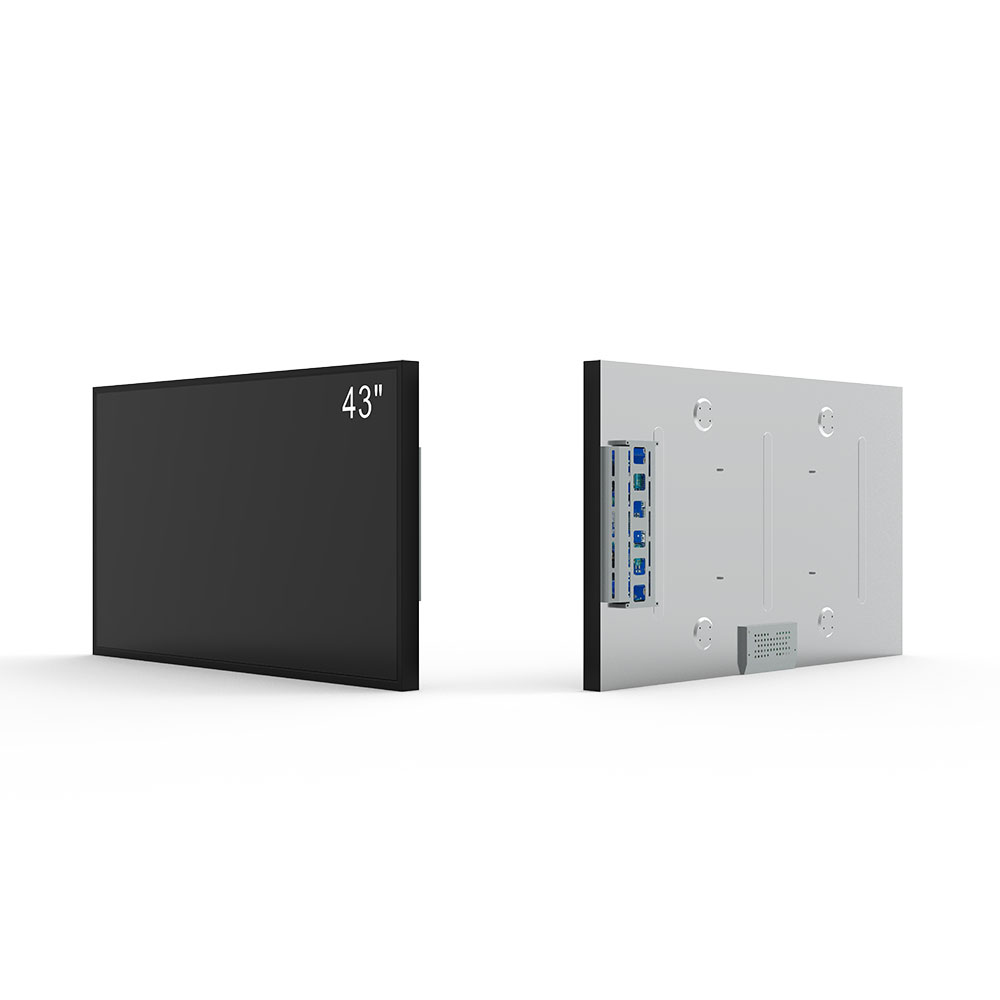
To achieve this certification for high-brightness LCDs, manufacturers must integrate multiple design and engineering strategies:
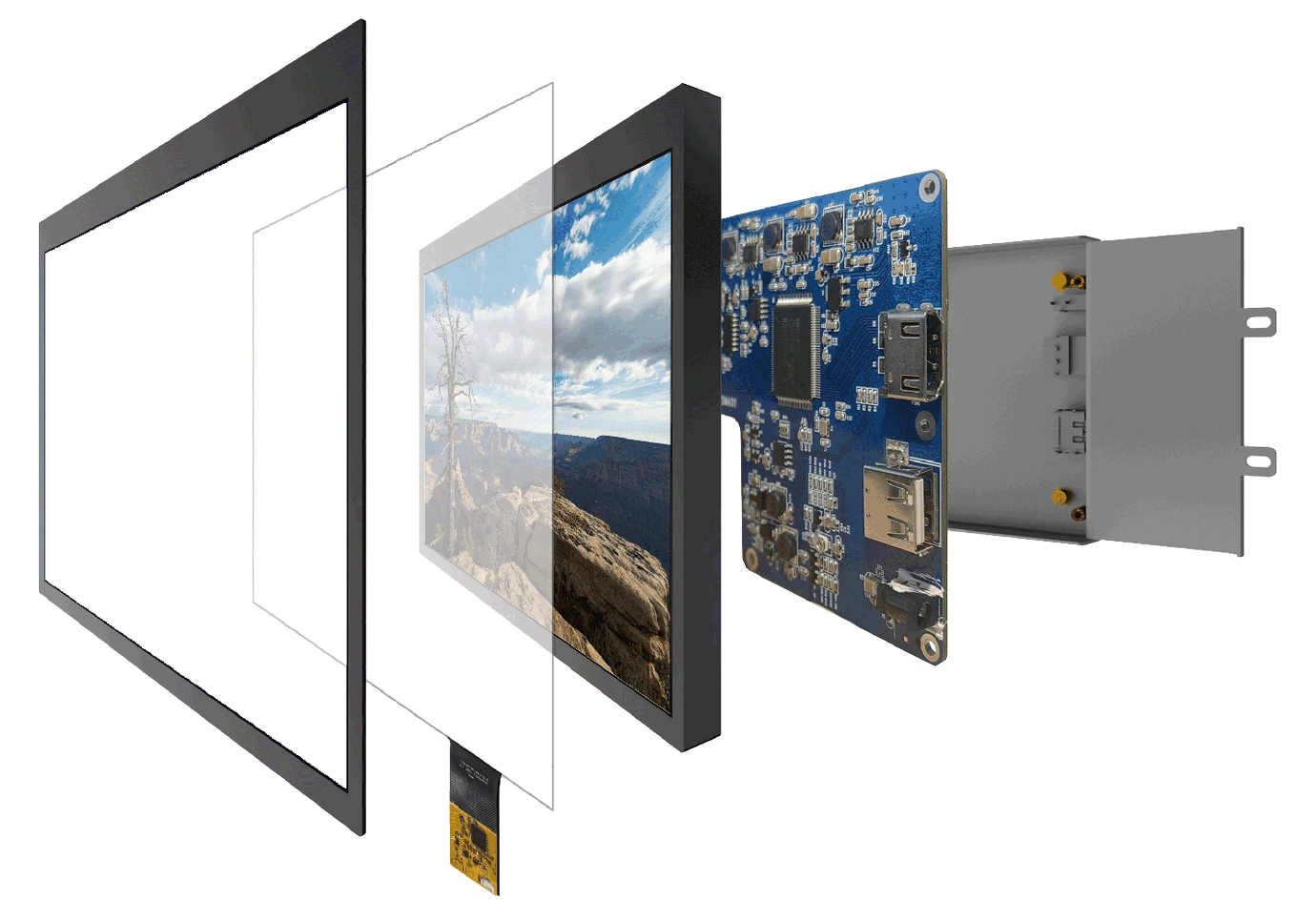
1. Sealed Enclosures: The display housing must be constructed using materials like aluminum alloy or polycarbonate with gasketed joints. Silicone or EPDM rubber seals around edges prevent water ingress while maintaining mechanical strength.
2. Waterproof Backlights: In high-brightness applications (typically 5,000–10,000 nits), LED backlights are often encapsulated in sealed modules with UV-resistant optical films. These modules are integrated into the LCD assembly with minimal gaps, reducing the risk of condensation or liquid penetration.
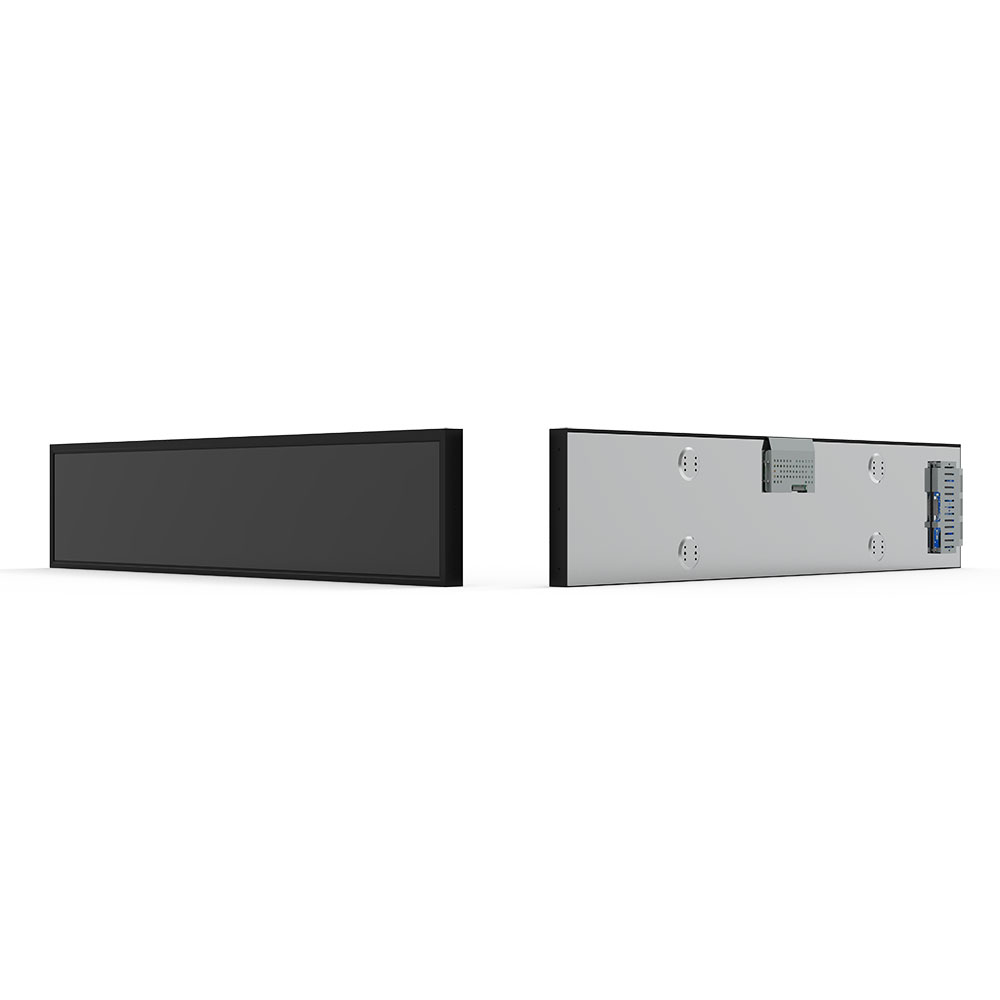
3. Hermetic Sealing Techniques: Advanced methods such as laser welding or ultrasonic bonding are used for glass-to-metal or glass-to-plastic interfaces. Unlike traditional adhesive sealing, these techniques eliminate micro-pores that could allow moisture entry over time.
4. Environmental Testing Compliance: Before shipment, each unit undergoes rigorous testing per IEC 60529 standards—including simulated rain exposure (using spray nozzles at 100 kPa pressure), immersion tests, and temperature cycling to simulate thermal stress. Case studies from companies like CMO (China Mobile Office) and LG Display show that devices passing these tests maintain performance over 5+ years in tropical or desert climates.
5. Component-Level Protection: Even internal PCBs and connectors are treated with conformal coatings (e.g., acrylic, silicone, or parylene). This step ensures that moisture doesn’t corrode circuits during accidental flooding or high-humidity conditions—a common issue in maritime or agricultural settings.
For example, a recent project by Siemens deployed IP66-rated sunlight-readable LCDs in offshore oil rigs. These displays operated continuously in saltwater-rich environments without failure, thanks to double-sealed enclosures and corrosion-resistant fasteners. Similarly, in the U.S. Department of Defense’s field-tested ruggedized tablets, IP66 compliance allowed soldiers to use touchscreens in monsoon conditions without performance degradation.
It's also important to note that achieving IP66 does not compromise screen readability. High-brightness LCDs can still exceed 7,000 nits in peak brightness while remaining waterproof—an advancement driven by improvements in polarization film efficiency and anti-reflective coatings. Technologies like dual-layer anti-glare glass and adaptive brightness algorithms ensure visibility even under direct sunlight.
In summary, IP66 waterproofing in high-brightness LCDs is not merely a feature—it's a system-level engineering achievement involving material science, precision manufacturing, and stringent validation. As demand grows for resilient outdoor displays across industries—from smart cities to aerospace—the integration of IP66 standards will remain foundational to product reliability and user trust.