RisingStar
- Home
- About Us
- Products
- News
- Video
- Contact
- Send Inquiry
Search
- Home
- About Us
- Products
- News
- Video
- Contact
- Send Inquiry
RisingStar
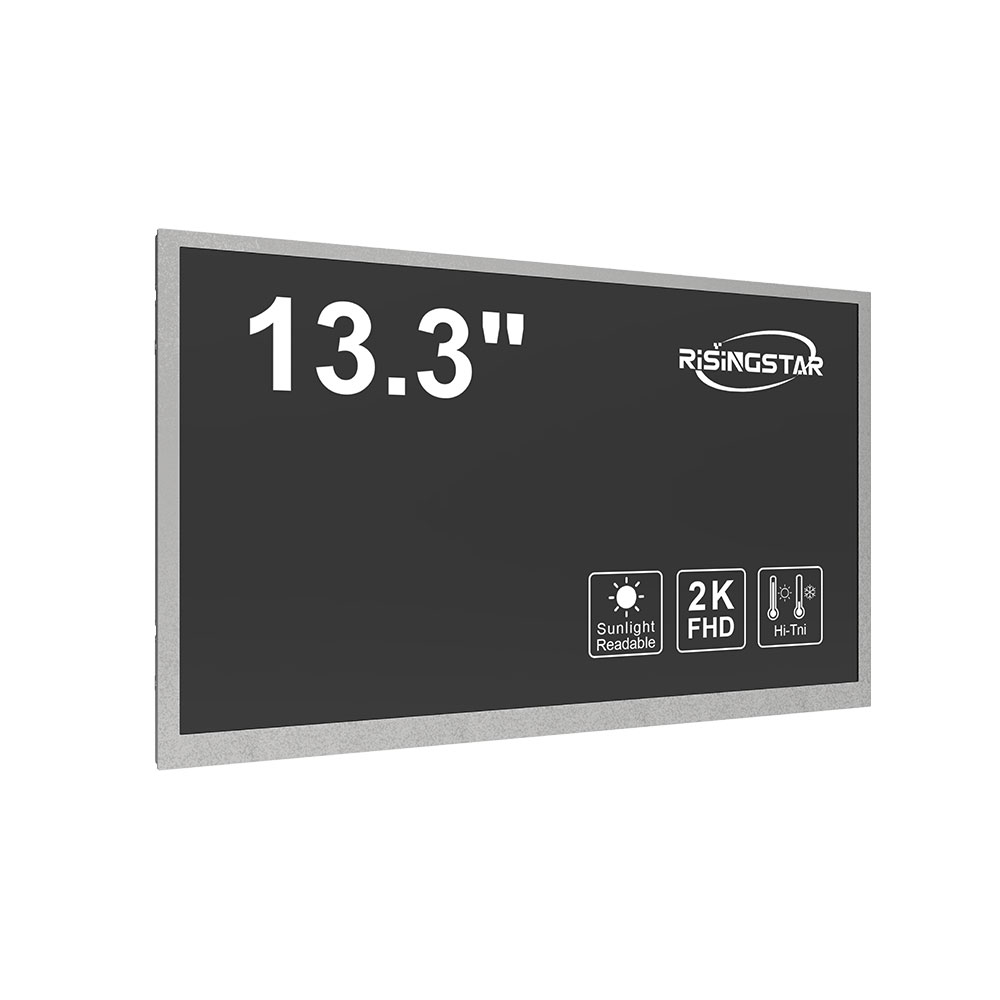
High-brightness sunlight-readable LCD screens have become indispensable in modern industrial, military, and outdoor applications where visibility under direct sunlight is critical. These displays are engineered to maintain readability even under extreme lighting conditions—such as full daylight at 100,000 lux or higher—by combining advanced backlighting, anti-reflective coatings, and high-contrast ratios. Unlike standard LCDs that suffer from glare and washed-out images in bright environments, sunlight-readable displays ensure operational continuity in fields like aviation, automotive dashboards, defense systems, and construction equipment.
The core technologies behind these screens include high-luminance LED backlights (often exceeding 5,000 nits), optimized polarizer layers, and reflective or transflective liquid crystal modes. For example, the MIL-STD-188-134A military specification requires displays to operate reliably in temperatures ranging from -40°C to +71°C while maintaining visibility under direct sunlight. Manufacturers such as LG Display, Sharp, and Innolux have developed specialized panels with proprietary pixel structures and dynamic brightness control algorithms to meet these rigorous standards.
Case studies further validate their effectiveness. In a 2022 deployment by the U.S. Army’s Ground Combat Vehicle program, sunlight-readable LCDs enabled clear display readings during field operations in desert regions (e.g., Nevada and Iraq), reducing pilot fatigue and improving situational awareness. Similarly, aerospace companies like Airbus and Boeing use high-brightness displays in cockpit instruments to ensure pilots can read critical flight data without squinting or adjusting their position—a crucial safety feature during takeoff and landing.
In industrial settings, such as mining or offshore drilling platforms, these screens resist dust, moisture, and shock, making them ideal for harsh environments. The integration of touch functionality—often capacitive or resistive with glove compatibility—adds usability in cold climates or when operators wear protective gear. Moreover, power efficiency remains a priority; newer models utilize adaptive brightness sensors that reduce luminance in low-light conditions, extending battery life in portable devices.
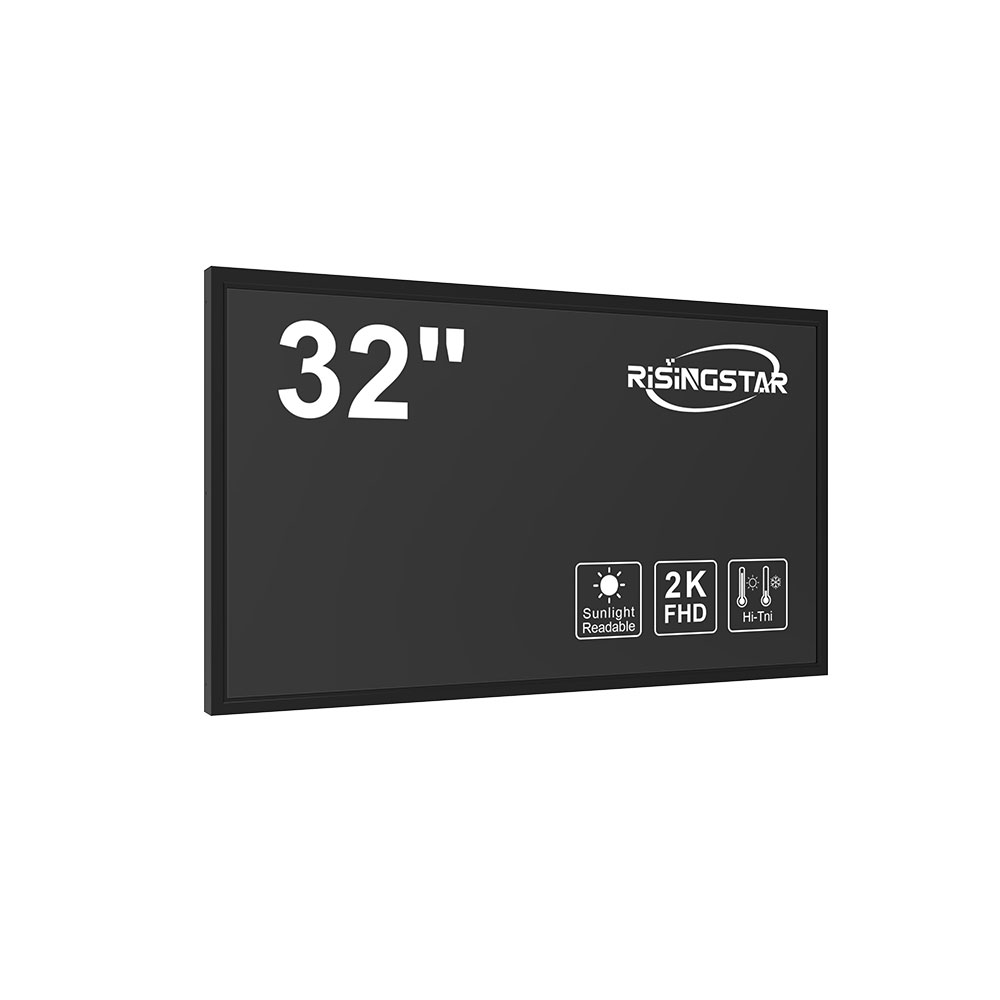
From an engineering standpoint, achieving sunlight readability involves balancing contrast, brightness, and ambient light compensation. According to IEEE Transactions on Consumer Electronics (2021), a contrast ratio above 1000:1 and a peak brightness of at least 3000 nits are essential for reliable performance under direct sun exposure. Additionally, manufacturers now incorporate smart drivers and firmware-level optimizations to enhance color accuracy and response time, ensuring real-time data processing in mission-critical scenarios.
As global demand grows—from autonomous vehicles to smart city infrastructure—the need for robust, high-brightness displays will only increase. With ongoing innovations in micro-LED, quantum dot technology, and AI-driven ambient light sensing, the future of sunlight-readable LCDs promises not only improved performance but also broader application across consumer and professional sectors.