RisingStar
- Home
- About Us
- Products
- News
- Video
- Contact
- Send Inquiry
Search
- Home
- About Us
- Products
- News
- Video
- Contact
- Send Inquiry
RisingStar
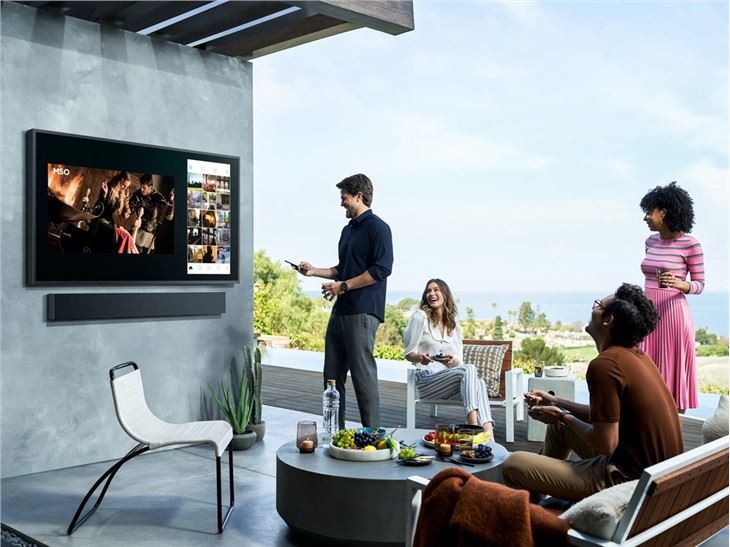
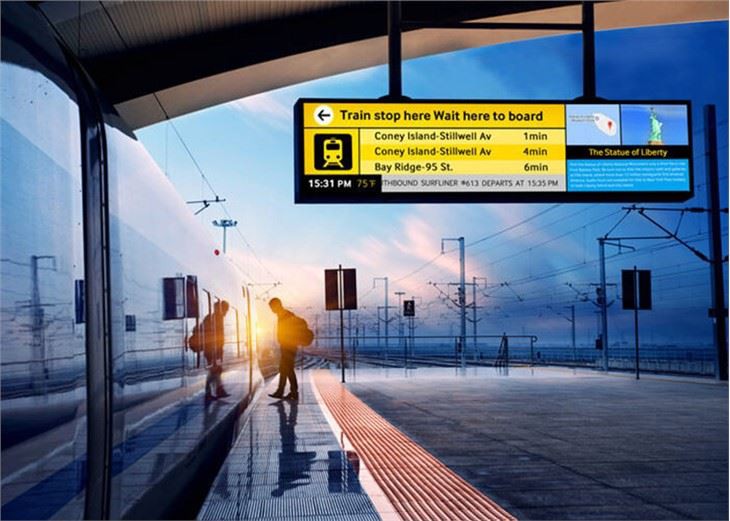
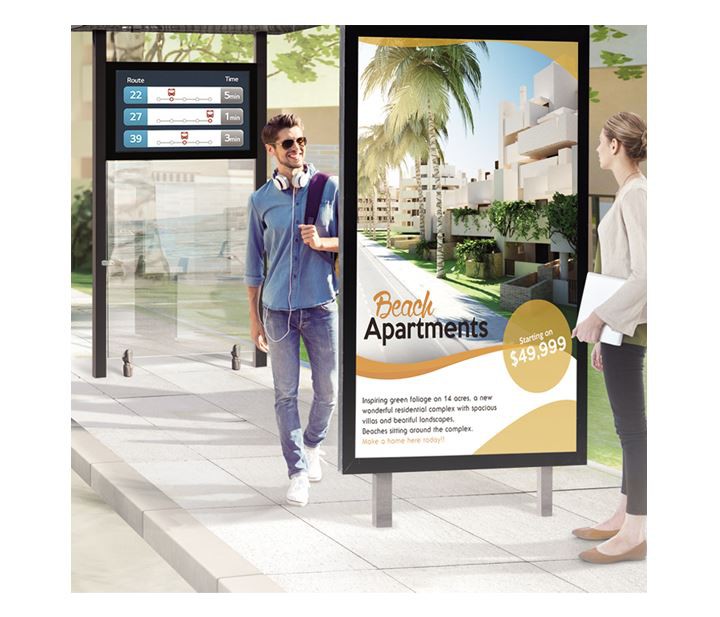
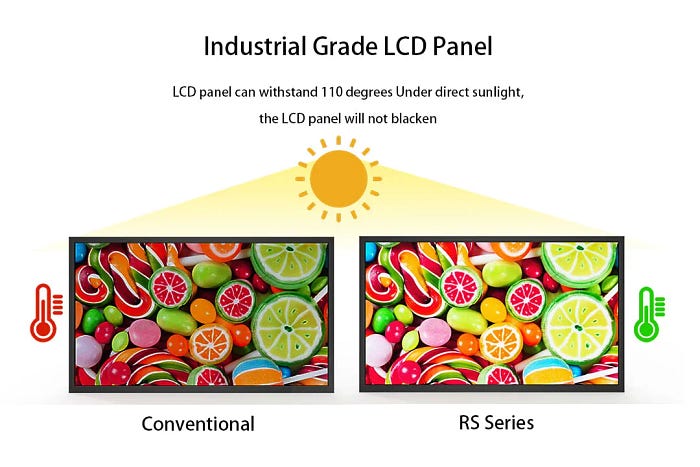
High-brightness sunlight-readable LCD screens are critical components in modern outdoor and industrial applications where visibility under direct sunlight is non-negotiable. These displays are engineered to maintain clarity, contrast, and responsiveness even in extreme lighting conditions such as full daylight (up to 100,000 lux), high ambient temperatures, and mechanical stress. The demand for such technology has surged in sectors including military operations, transportation (e.g., aircraft, buses, trains), outdoor kiosks, construction equipment, and emergency response systems—where reliable visual communication can mean the difference between safety and failure.
The core principle behind sunlight-readable LCDs lies in increasing luminance while maintaining image quality. Standard LCDs typically produce 250–400 nits of brightness, which becomes insufficient under direct sunlight (which can exceed 100,000 lux). High-brightness displays used in these contexts often achieve 3,000 to 5,000 nits or more—sometimes up to 10,000 nits in specialized military-grade models. This is accomplished through a combination of advanced backlighting technologies (such as LED arrays with optimized optics), anti-reflective coatings, and intelligent dimming algorithms that dynamically adjust brightness based on ambient light sensors.
Another key feature is the use of transflective liquid crystal layers—a hybrid design that combines reflective and transmissive modes. In bright environments, the display uses ambient light via a reflective layer, reducing power consumption; in low-light settings, it switches to full transmissive mode powered by LEDs. This dual-mode functionality significantly improves energy efficiency without sacrificing performance. For example, MIL-STD-188-137B-compliant displays in battlefield communications devices leverage this technology to operate efficiently in both daytime and nighttime scenarios.
Additionally, thermal management plays a crucial role in reliability. High-brightness backlights generate significant heat, especially in enclosed environments like vehicle dashboards or control rooms. Engineers now integrate active cooling mechanisms—such as micro-fans, heatsinks, and thermally conductive materials—to prevent overheating and ensure longevity. According to a 2023 study by Display Supply Chain Consultants (DSCC), over 60% of new ruggedized displays in the defense sector now include built-in thermal regulation systems.
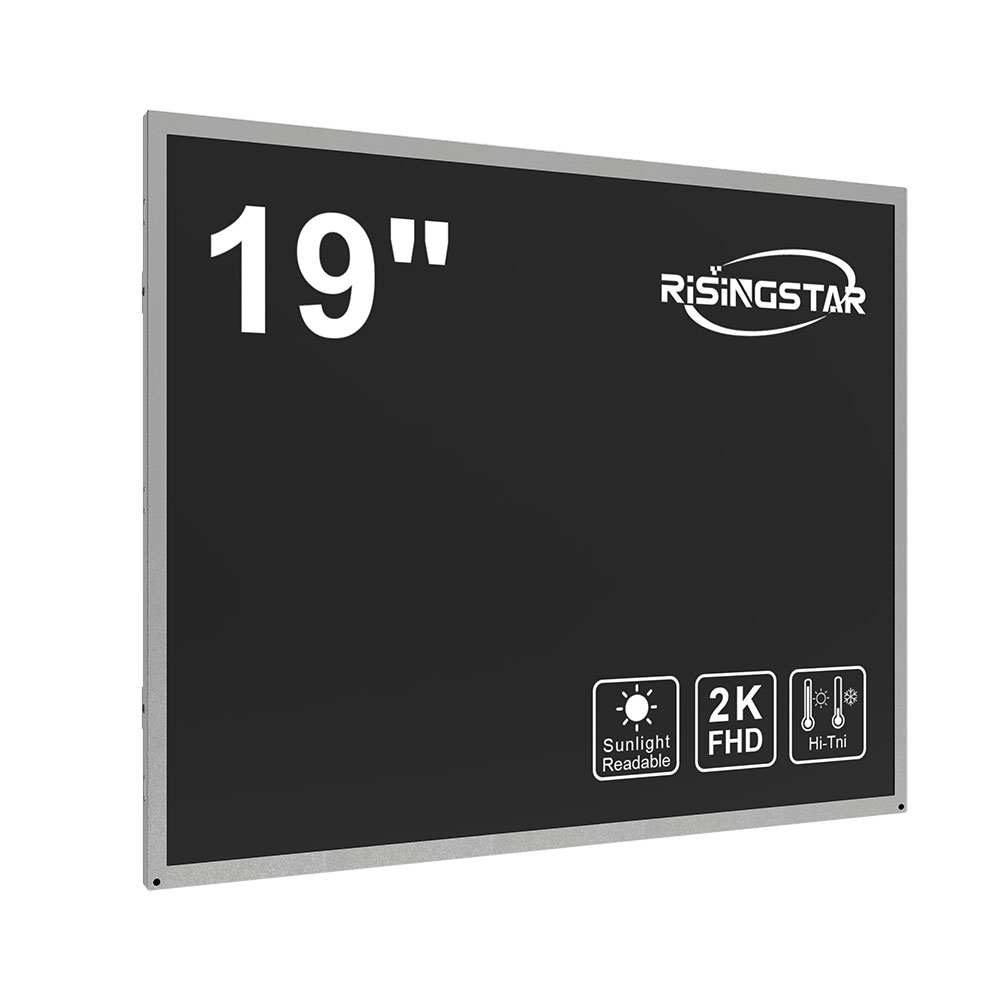
Case studies illustrate real-world impact. For instance, the U.S. Department of Defense adopted high-brightness sunlight-readable LCDs in its Ground Combat Vehicle (GCV) program to improve situational awareness for soldiers. Similarly, companies like Bosch Rexroth have integrated these displays into heavy machinery controls for construction sites in desert climates, where traditional screens fail due to glare and temperature extremes.
Standards compliance also matters—IEC 60947 and ISO 16750 define environmental resilience requirements for automotive and industrial electronics, ensuring compatibility across global markets. Manufacturers must adhere to these norms when designing for durability against shock, vibration, humidity, and electromagnetic interference (EMI).
In conclusion, high-brightness sunlight-readable LCD screens represent a convergence of optical engineering, material science, and smart system integration. As industries move toward automation, remote monitoring, and connected ecosystems, their importance will only grow. From battlefield command centers to solar-powered IoT stations in remote regions, these displays remain indispensable tools for human-machine interaction in demanding environments.