RisingStar
- Home
- About Us
- Products
- News
- Video
- Contact
- Send Inquiry
Search
- Home
- About Us
- Products
- News
- Video
- Contact
- Send Inquiry
RisingStar
High-brightness sunlight-readable LCD screens are essential for outdoor applications where visibility under direct sunlight is critical—such as in transportation systems, military equipment, industrial control panels, and public information displays. Unlike standard LCDs that suffer from poor visibility in bright environments, these specialized displays maintain clarity even under intense solar irradiance (typically 5000–100,000 lux), ensuring reliable user interaction in challenging lighting conditions.
The core technical differentiator of a sunlight-readable LCD lies in its luminance output, contrast ratio, and anti-reflection design. Industry standards such as ISO 9241-307 and MIL-STD-810G define performance benchmarks for durability and readability in extreme environments. For example, a display must achieve at least 5,000 cd/m² brightness to be considered truly sunlight-readable—an industry benchmark validated by manufacturers like LG Display, Sharp, and Innolux. In contrast, consumer-grade LCDs typically max out at 300–500 cd/m², making them unsuitable for outdoor use.
To select the right screen, engineers must evaluate several factors: ambient light levels, viewing angle requirements, power consumption, and environmental resilience (e.g., temperature range, humidity, and shock resistance). Case studies from real-world deployments—such as the use of 10,000 cd/m² displays in U.S. Army tactical vehicles or 7,000 cd/m² screens in Japanese railway ticketing kiosks—demonstrate that high-brightness solutions not only improve usability but also reduce operational errors and maintenance costs.
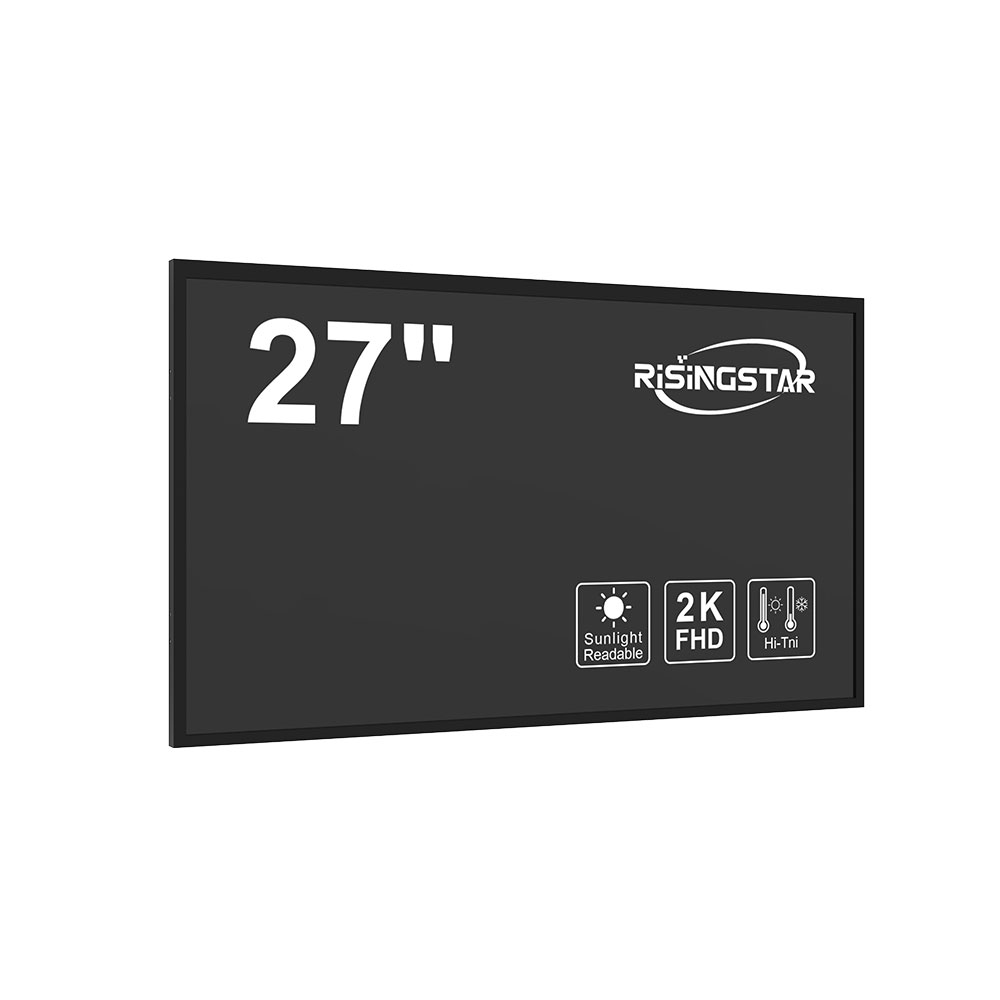
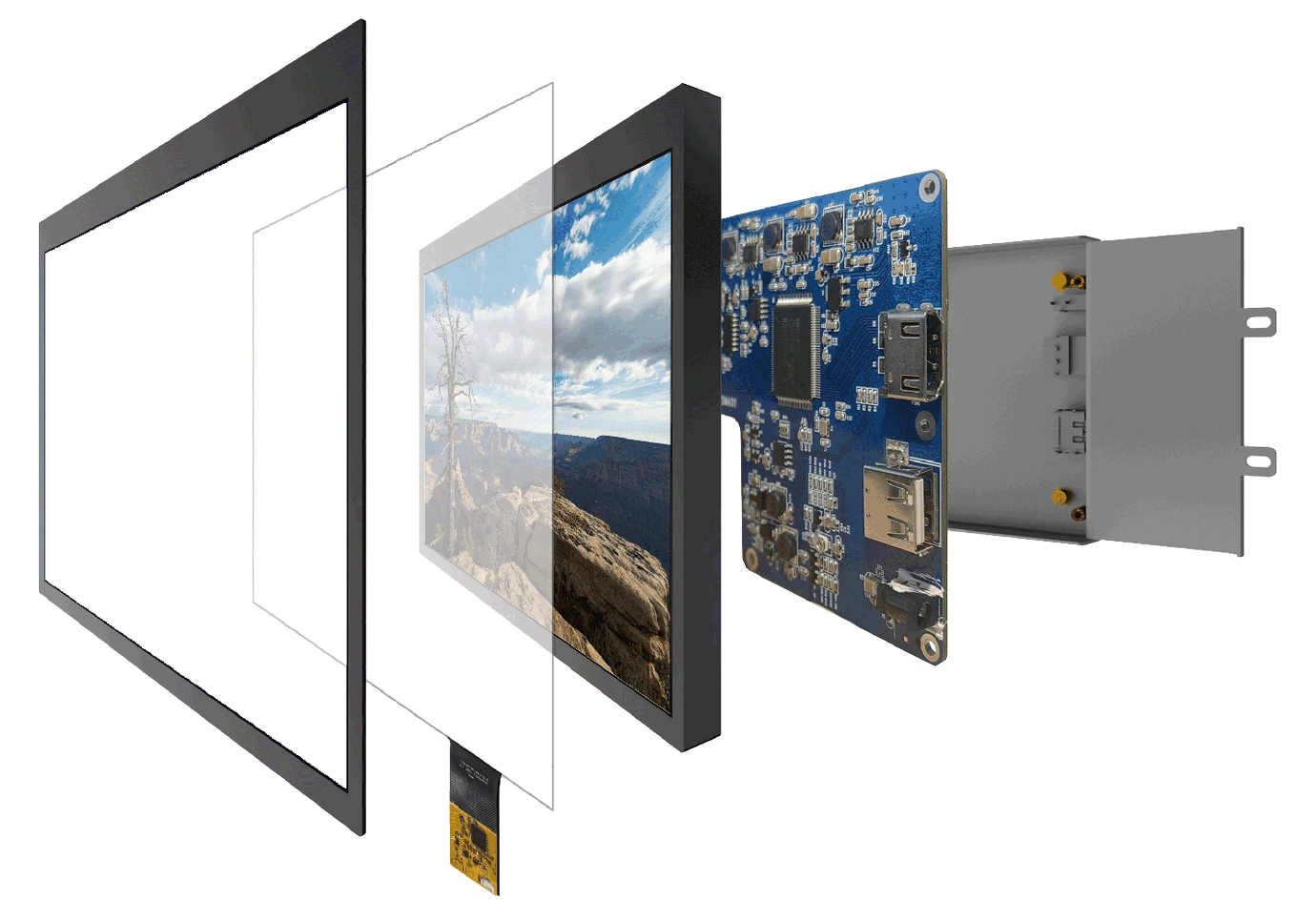
Implementation best practices include integrating diffused backlighting (LED-based) with advanced optical bonding techniques to eliminate air gaps that cause glare. Some designs use transmissive liquid crystal cells combined with reflective polarizers, allowing dual-mode operation—low-power passive reflection during daylight and active backlighting at night. This hybrid approach extends battery life while maintaining peak visibility across all lighting scenarios.
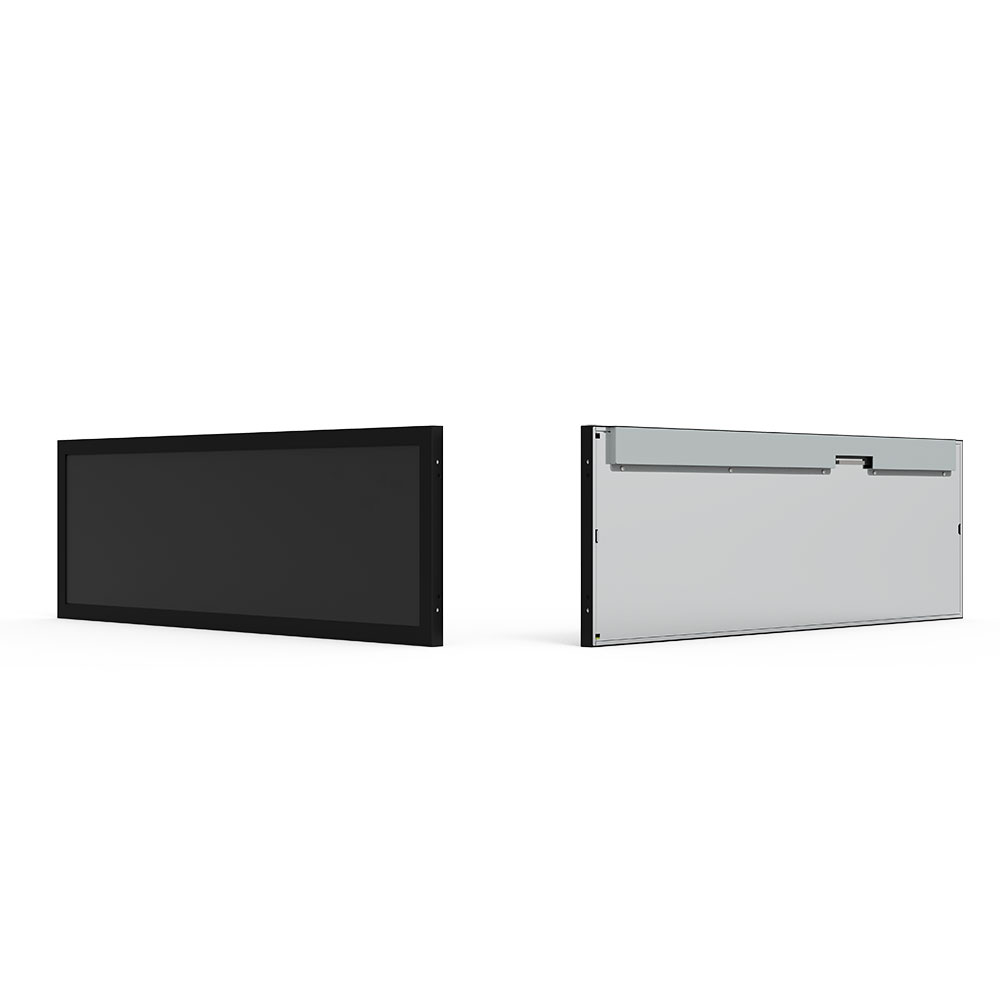
Furthermore, modern high-brightness LCDs often support wide color gamuts (like DCI-P3 or sRGB) and touch integration (capacitive or resistive), which are crucial for user experience in interactive outdoor kiosks. Compliance with RoHS and REACH regulations ensures environmental safety, while certifications like IP65 (dust and water resistance) and IK08 (impact resistance) validate ruggedness for industrial settings.
In conclusion, choosing a high-brightness sunlight-readable LCD requires understanding both technical specifications and application context. Whether deploying in automotive dashboards, construction sites, or smart city infrastructure, selecting a screen backed by rigorous testing and industry standards guarantees long-term performance, safety, and cost efficiency in demanding outdoor environments.