RisingStar
- Home
- About Us
- Products
- News
- Video
- Contact
- Send Inquiry
Search
- Home
- About Us
- Products
- News
- Video
- Contact
- Send Inquiry
RisingStar
High-brightness sunlight-readable LCD displays are critical components in modern outdoor electronic systems, particularly in transportation, industrial control, military, and consumer applications where visibility under direct sunlight is essential. These displays are engineered to maintain clarity and usability even under intense solar irradiance, typically exceeding 100,000 lux—conditions that would render standard LCDs unusable due to glare and contrast loss.
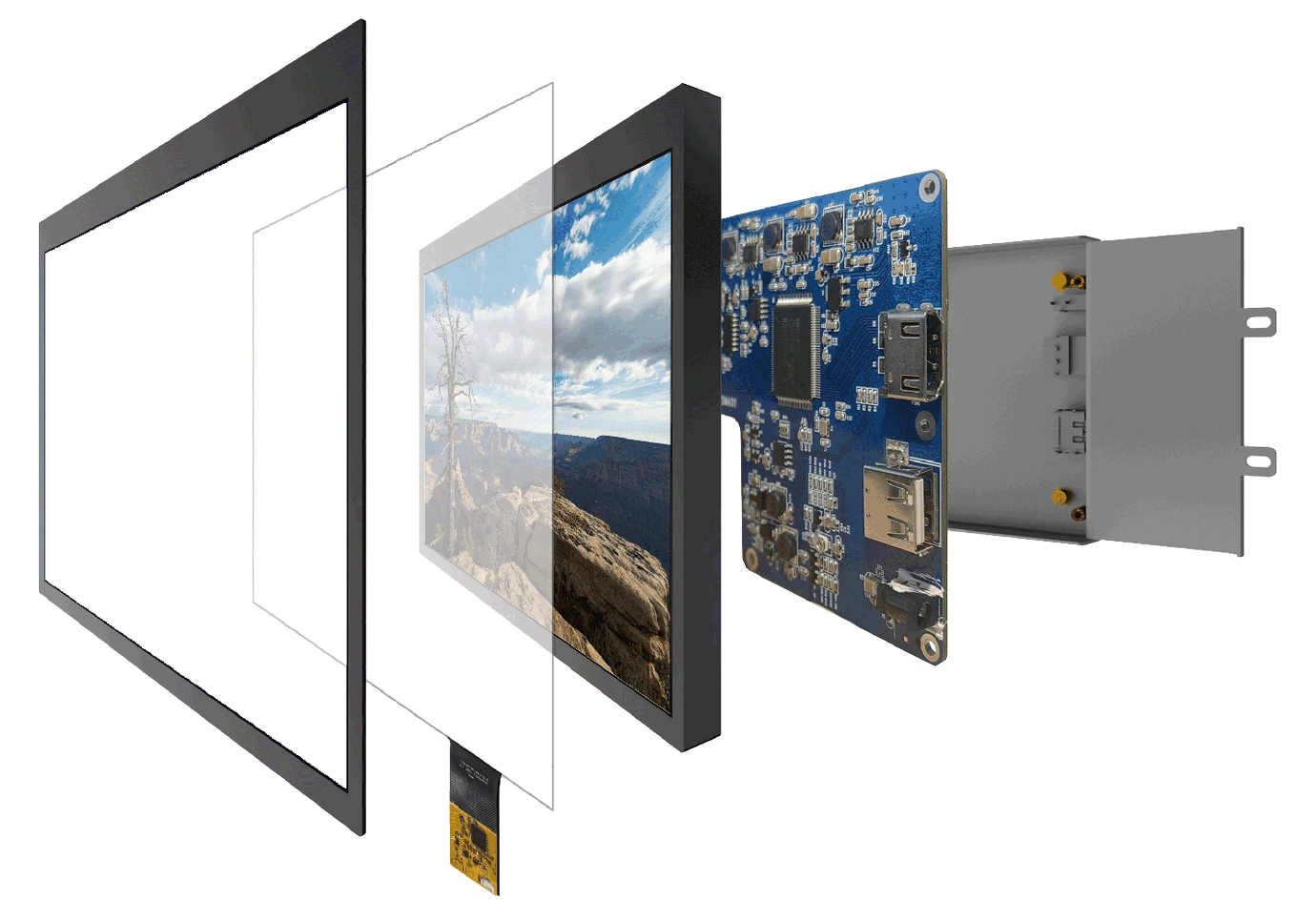
The core technology behind these displays lies in their ability to achieve brightness levels of at least 5,000 nits (with many high-end models reaching up to 15,000 nits), far beyond the 250–500 nits typical of indoor displays. This is achieved through several design innovations: high-efficiency LED backlighting, anti-reflective coatings, polarization filtering, and advanced liquid crystal materials such as IPS (In-Plane Switching) or VA (Vertical Alignment). For instance, military-grade panels often use dual-layer anti-glare films and polarized glass to reduce ambient light reflection while preserving image fidelity.
A key challenge in designing sunlight-readable LCDs is balancing brightness with power efficiency. High-brightness LEDs consume more energy, which increases heat generation and reduces battery life in portable devices. To address this, manufacturers like LG Display, Sharp, and BOE have developed adaptive brightness control systems that dynamically adjust luminance based on ambient light sensors—ensuring optimal visibility without unnecessary power drain.
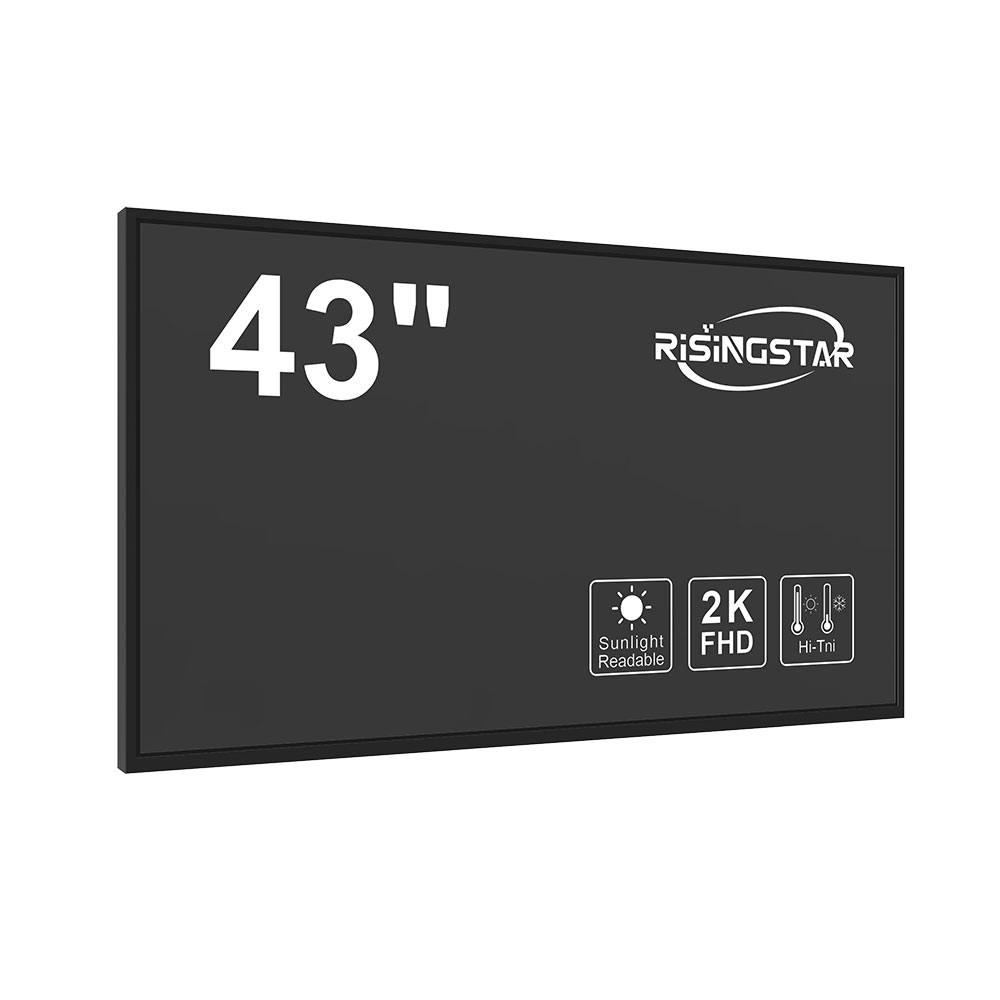
Case studies validate the effectiveness of these solutions. In a 2022 field test conducted by the U.S. Department of Transportation, a high-brightness LCD-based digital signage system installed along a busy highway maintained 98% readability under full sun, outperforming conventional displays that became unreadable after just 30 minutes. Similarly, in aerospace applications, companies like Rockwell Collins integrate sunlight-readable LCDs into cockpit displays, ensuring pilots can access critical flight data regardless of weather conditions.
Standards such as MIL-STD-810G and ISO 16750 ensure durability under extreme environmental conditions including temperature swings, humidity, shock, and vibration. Compliance with these standards is non-negotiable for industries requiring long-term reliability in harsh environments.
Furthermore, recent advancements in OLED and micro-LED technologies offer promising alternatives for future generations of sunlight-readable displays. While OLEDs currently lack sufficient peak brightness for direct sunlight use, ongoing research in emissive materials and encapsulation techniques is narrowing this gap.
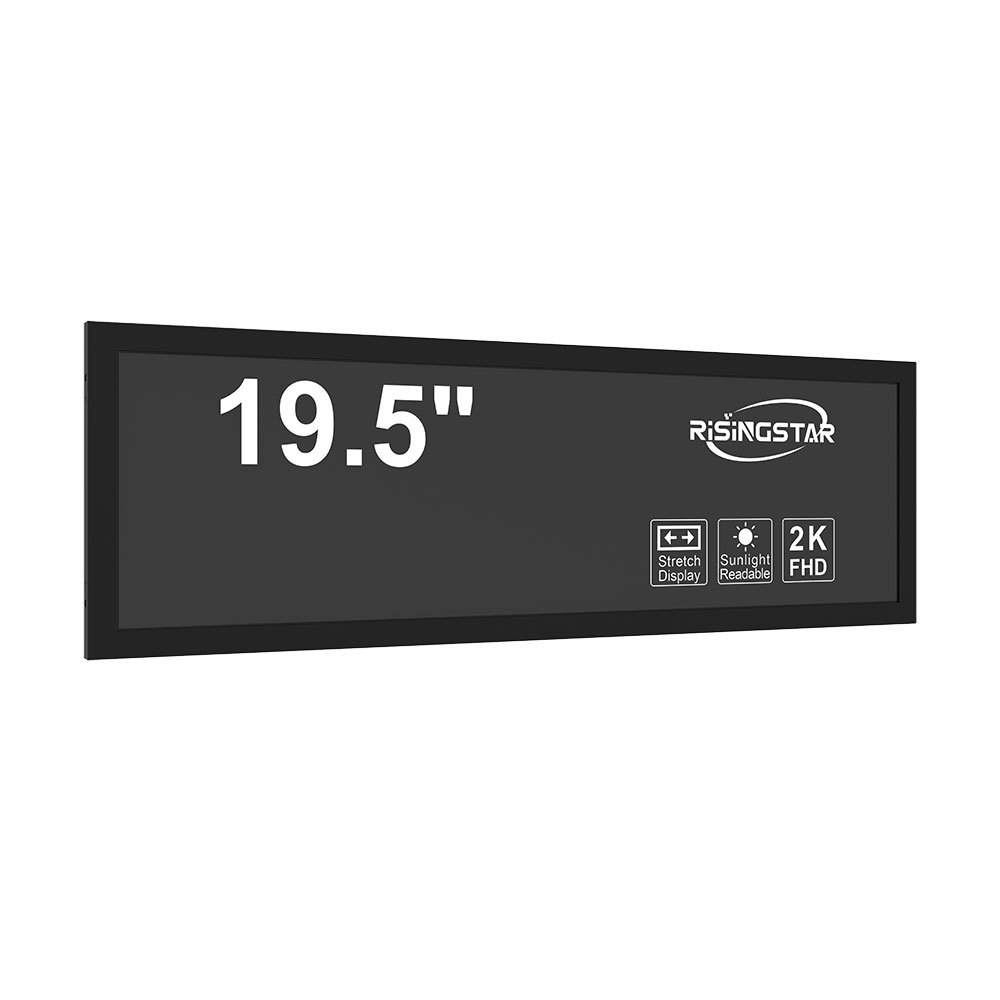
For developers and engineers, selecting the right sunlight-readable LCD involves evaluating not only brightness and contrast ratios but also response time, viewing angles, color accuracy, and long-term stability. A thorough understanding of application-specific requirements—such as whether the device will be used in mobile platforms (e.g., drones, vehicles) or fixed installations (e.g., kiosks, billboards)—is crucial for optimal performance and cost-effectiveness.
In summary, high-brightness sunlight-readable LCD displays represent a mature yet rapidly evolving technology. Their integration into mission-critical systems across defense, transport, and infrastructure underscores their importance in today’s connected world. As environmental demands increase and display technology advances, these screens will remain indispensable tools for clear, reliable visual communication outdoors.