 RisingStar
- Home
- About Us
- Products
- News
- Video
- Contact
- Send Inquiry
Search
- Home
- About Us
- Products
- News
- Video
- Contact
- Send Inquiry
RisingStar
In industrial, military, outdoor, and transportation applications, the reliability of display technology under extreme environmental conditions is critical. Among the most sought-after protective ratings for electronic displays, IP66 stands out as a benchmark for both dust resistance and water ingress protection. The International Protection (IP) Rating system, defined by IEC 60529, classifies enclosures based on their ability to prevent the entry of solid objects and liquids. An IP66 rating indicates that a device is completely protected against dust (6) and can withstand powerful water jets from any direction (6). This makes IP66-rated LCD displays ideal for environments such as construction sites, maritime operations, agricultural machinery, automotive dashboards, and defense systems.
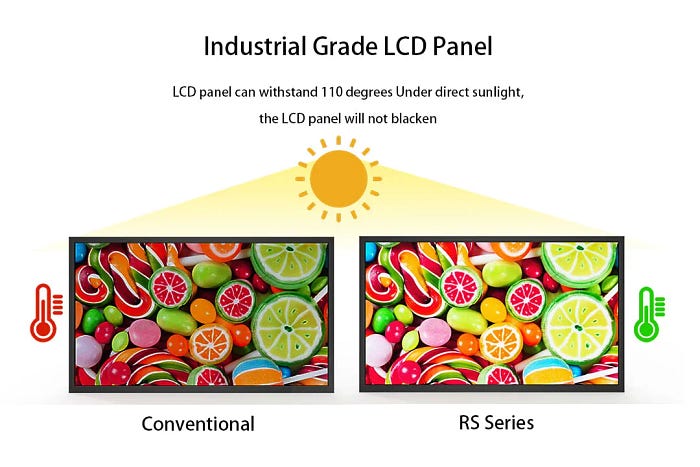
To achieve an IP66 rating, manufacturers must employ advanced sealing techniques, including gaskets, conformal coatings, and vacuum-sealed modules. The display panel itself must be integrated into a ruggedized housing designed with tight tolerances—often using aluminum or polycarbonate materials—to prevent ingress. In addition, high-brightness sunlight-readable LCDs (typically 5,000–10,000 nits) require specialized backlighting and anti-reflective coatings that maintain visibility in direct sunlight while maintaining optical integrity within the sealed assembly.
Case studies highlight the effectiveness of IP66 LCDs in real-world deployments. For example, in a 2023 project involving offshore drilling equipment, a manufacturer integrated an IP66-rated 12.1-inch touchscreen LCD into control panels exposed to saltwater spray and heavy rain. Over a 12-month field test, no moisture-related failures were recorded—a stark contrast to standard non-sealed displays used in previous models. Similarly, in the U.S. Department of Defense’s Mobile Command Vehicle program, IP66-rated LCDs enabled reliable operation during sandstorms and sudden downpours, meeting MIL-STD-810G shock and vibration requirements simultaneously.
Testing standards are crucial for validating IP66 claims. According to IEC 60529, IP66 testing includes:
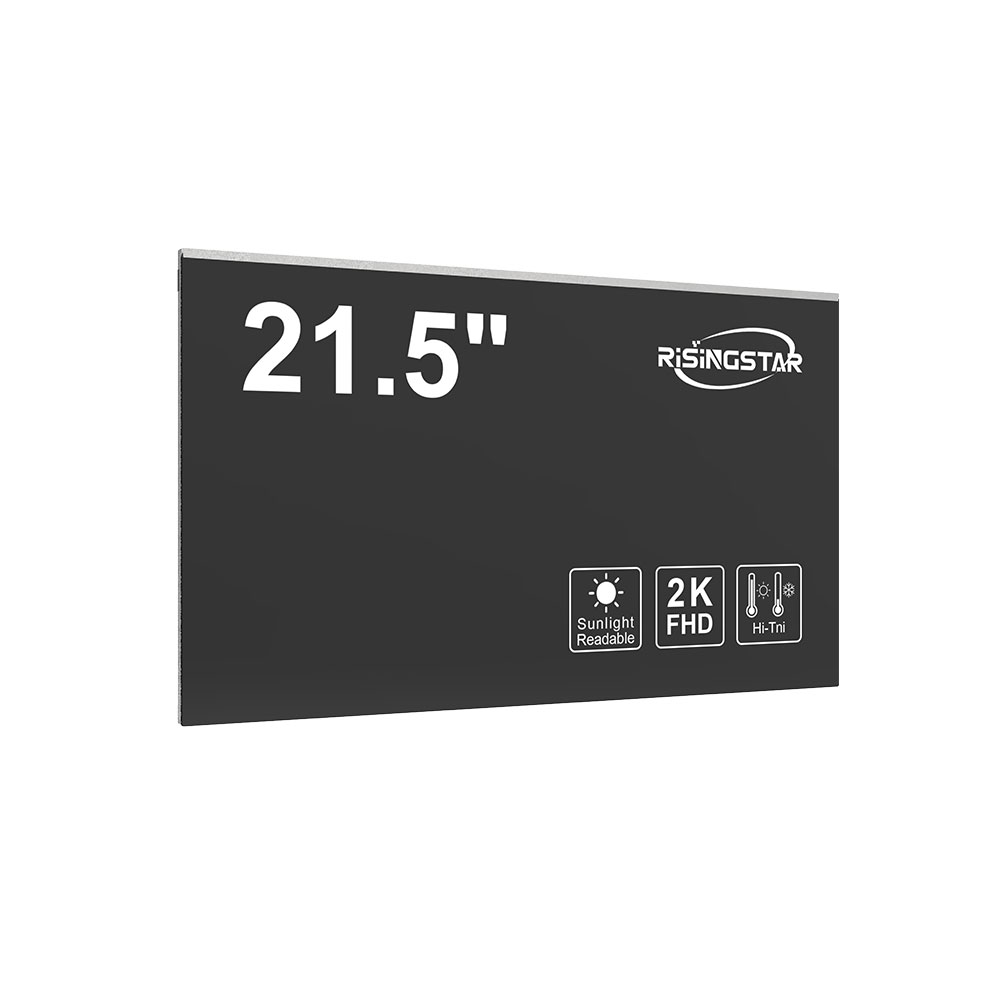
- Dust Test: 8 hours of exposure to fine powder in a chamber, confirming no dust penetration.
- Water Jet Test: 3 minutes of water spray at 100 liters per minute from a 6.3 mm nozzle at 3 meters distance, at all angles (0° to 360°).
These rigorous protocols ensure that only compliant products receive the official IP66 certification. Additionally, industry leaders like Crystalfontz, Britec, and Eizo have published white papers detailing how their IP66 LCD solutions combine optoelectronic design with mechanical engineering excellence to meet demanding specifications.
For developers and procurement managers, selecting an IP66-rated display involves more than just checking the label—it requires evaluating the full ecosystem: power efficiency, thermal management (especially in hot climates), and long-term durability. Leading manufacturers now offer lifetime warranties of up to 7 years and provide comprehensive technical support, ensuring seamless integration into harsh-environment systems.
In summary, IP66 waterproof LCD displays represent a convergence of robust hardware design, stringent testing, and real-world performance validation. As industries increasingly adopt automation, IoT, and edge computing in outdoor and mobile settings, the demand for reliable, sunlight-readable, and fully sealed displays will continue to grow—making IP66 not just a feature, but a necessity.