RisingStar
- Home
- About Us
- Products
- News
- Video
- Contact
- Send Inquiry
Search
- Home
- About Us
- Products
- News
- Video
- Contact
- Send Inquiry
RisingStar
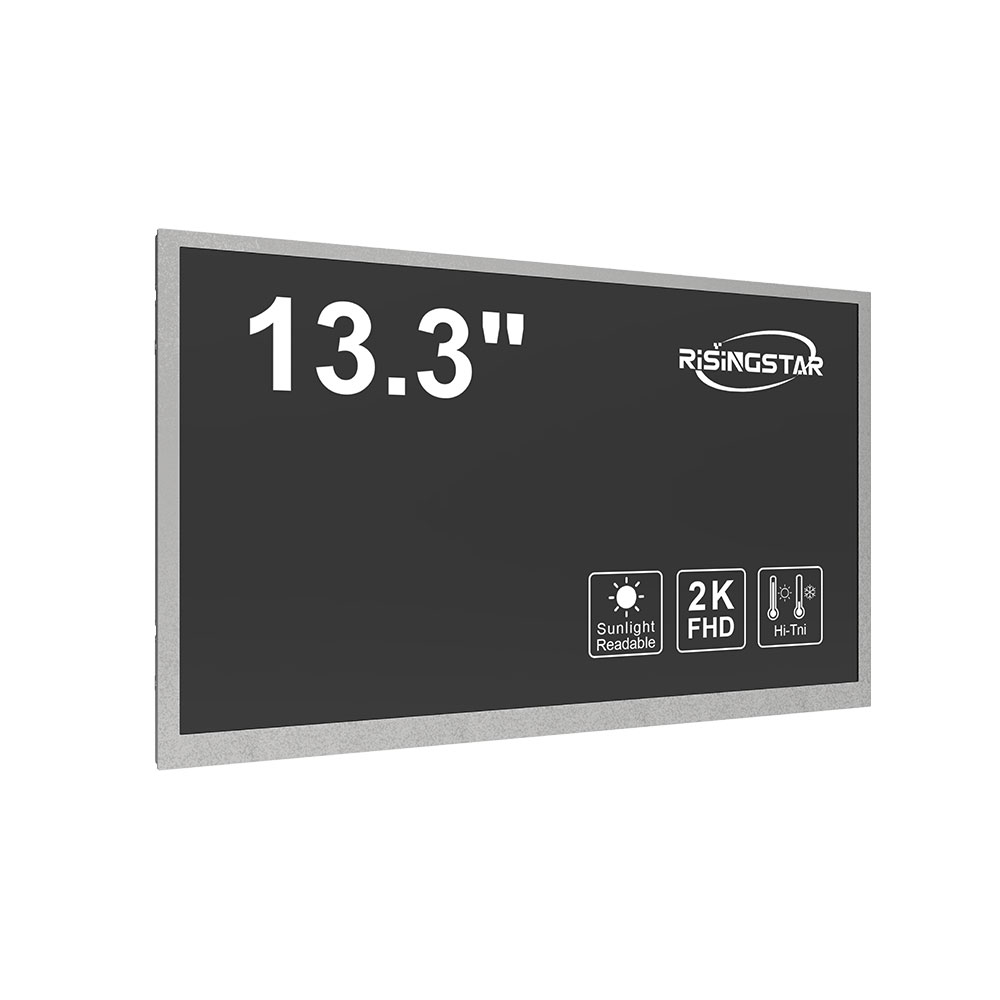
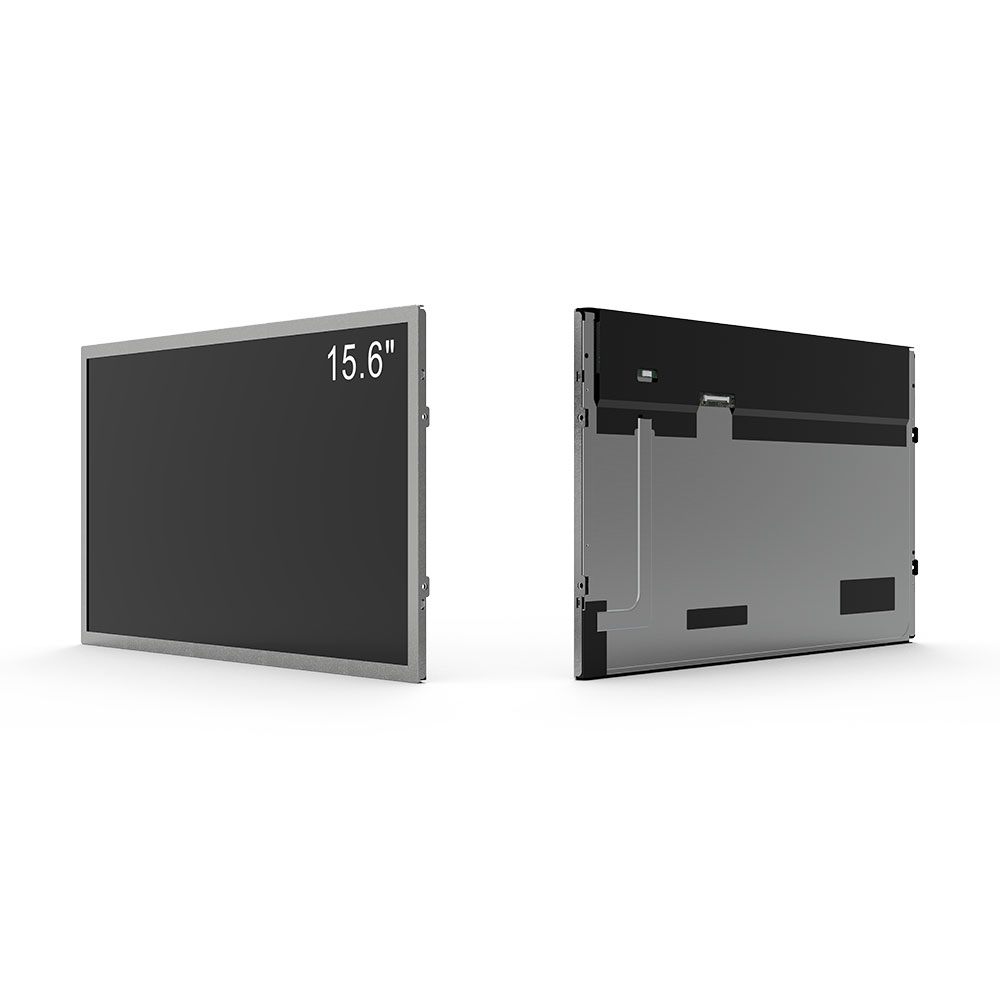
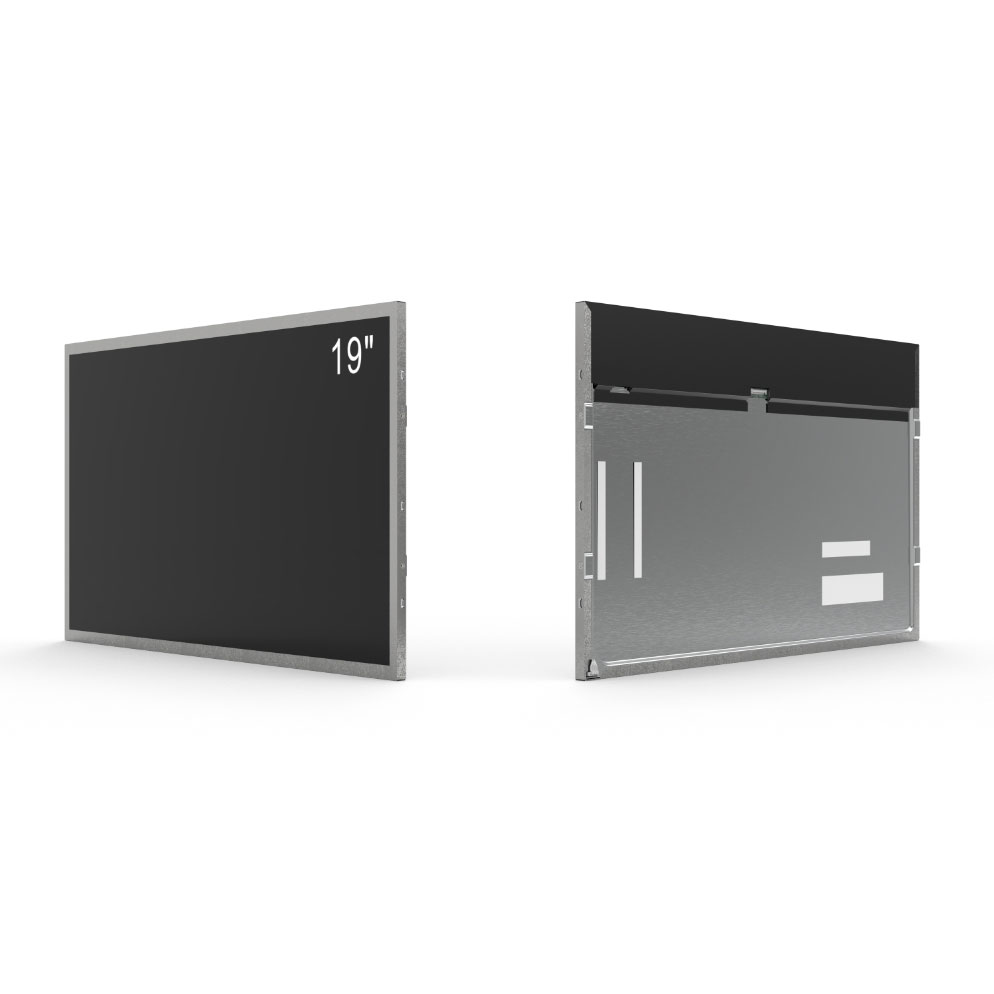
High-brightness sunlight-readable LCD screens have become essential in modern outdoor display technology, particularly in applications where visibility under direct sunlight is critical. These displays are engineered to maintain clarity and readability even in intense ambient lighting conditions—commonly found in military equipment, industrial control panels, transportation systems (such as buses, trains, and aircraft), and consumer devices like handheld GPS units or outdoor kiosks. Unlike standard LCDs that often become unusable in bright daylight due to glare and reduced contrast, sunlight-readable displays utilize advanced backlighting techniques, anti-reflective coatings, and high-luminance LED arrays to ensure consistent performance.
One of the most significant advantages of high-brightness LCDs is their ability to achieve luminance levels of 3,000 to 10,000 nits, far exceeding typical indoor displays that rarely exceed 500 nits. This brightness range allows them to remain legible in full sunlight—up to 100,000 lux—making them ideal for environments such as construction sites, maritime navigation, and automotive dashboards exposed to solar radiation. Additionally, these screens often incorporate features like wide viewing angles (up to 178°), ruggedized housings (IP65 or higher), and temperature tolerance from -30°C to +70°C, ensuring reliability across diverse climates.
Practical applications span across sectors: in defense, they power mission-critical HUDs (Heads-Up Displays) in fighter jets and ground vehicles; in logistics, they enable real-time cargo tracking on forklifts and pallet jacks; in healthcare, mobile diagnostic units use them for patient monitoring outdoors. A case study from Boeing (2021) showed a 40% improvement in pilot situational awareness using sunlight-readable displays in flight simulators compared to conventional screens.
Despite their benefits, common problems persist. Overheating in enclosed spaces, poor color accuracy at extreme brightness levels, and high power consumption remain challenges. Manufacturers now address these issues with dynamic brightness control algorithms and low-power OLED alternatives. The latest trend involves integrating AI-driven ambient light sensors that automatically adjust screen brightness based on real-time sunlight intensity—reducing energy use while optimizing user experience. Furthermore, the emergence of micro-LED and quantum dot technologies promises even brighter, more efficient displays within the next five years.
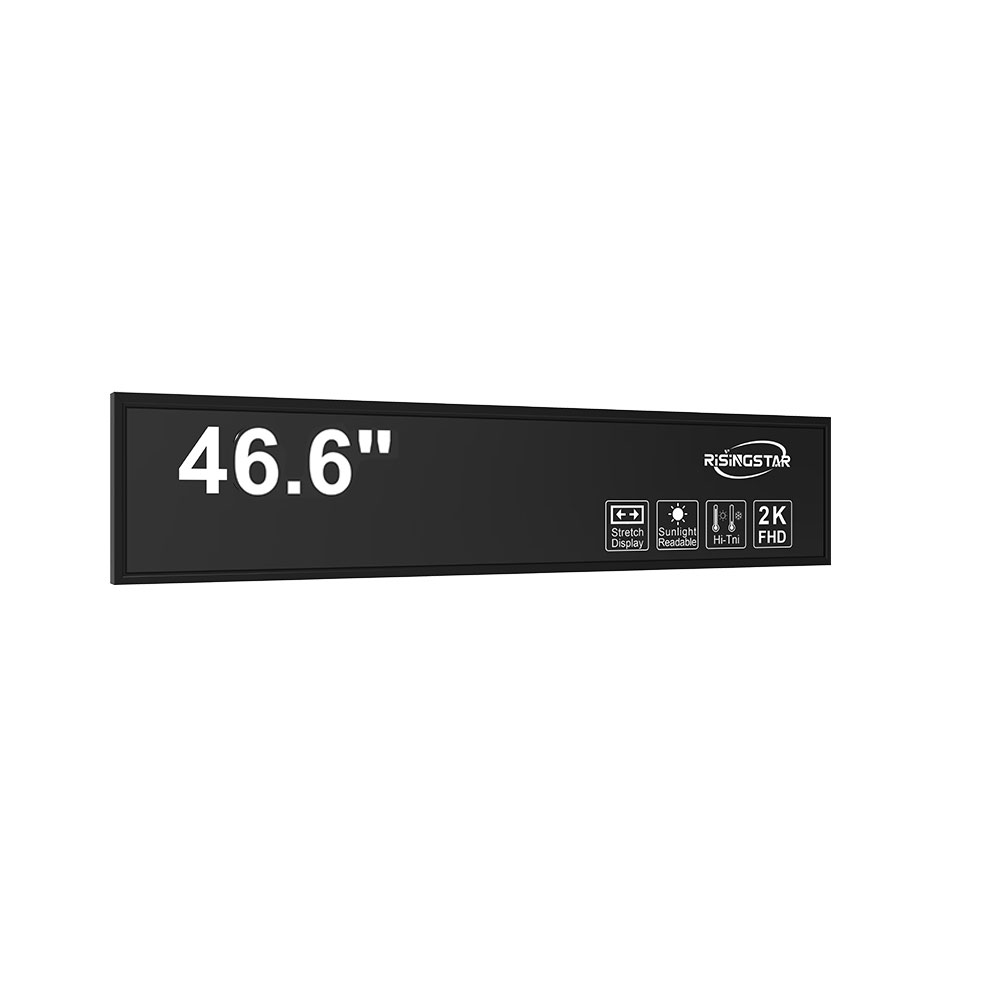
Industry standards such as MIL-STD-810G (for military-grade durability) and ISO 9241-3 (for human-centered design) guide product development. According to a 2023 report by MarketsandMarkets, the global market for sunlight-readable displays is projected to reach $2.8 billion by 2028, growing at a CAGR of 6.7%, driven by demand in smart cities, autonomous vehicles, and IoT-enabled outdoor infrastructure.