RisingStar
- Home
- About Us
- Products
- News
- Video
- Contact
- Send Inquiry
Search
- Home
- About Us
- Products
- News
- Video
- Contact
- Send Inquiry
RisingStar
High-brightness sunlight-readable LCD screens are a critical innovation in display technology, specifically engineered to maintain visibility under intense ambient lighting conditions such as direct sunlight. These displays are indispensable in military, industrial, transportation, and outdoor consumer electronics applications where traditional LCDs fail due to glare, poor contrast, or insufficient luminance. The core challenge in designing these screens lies in balancing brightness, power consumption, and image quality—especially when operating in environments with solar irradiance exceeding 100,000 lux, which can render standard displays unusable.
The evolution of sunlight-readable LCDs has been driven by advancements in backlighting technologies, reflective coatings, and optical enhancement layers. Modern high-brightness displays typically operate at 5,000 to 10,000 nits of peak brightness—far exceeding the 300–500 nits common in consumer-grade displays. This is achieved using LED-based backlights with optimized diffusers and brightness-enhancing films (BEFs). For instance, MIL-STD-3009 and MIL-STD-461 standards define brightness requirements for military-grade displays, often mandating minimum luminance levels of 5,000 nits even under extreme environmental conditions.
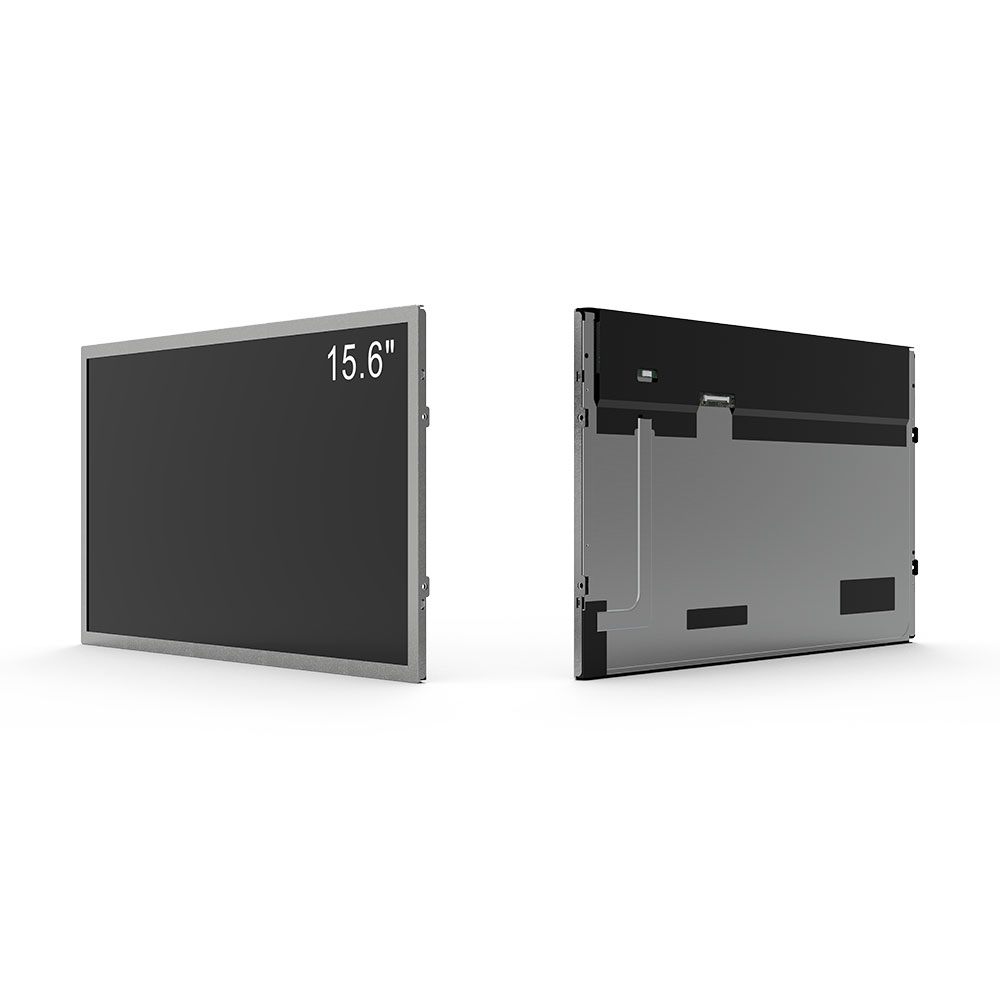
A key design feature is the use of anti-glare and polarized glass that minimizes surface reflections while preserving color accuracy. Some manufacturers incorporate dual-layer polarizers or micro-louvered filters to reduce specular reflection, improving readability without compromising viewability from off-axis angles. Additionally, dynamic brightness control algorithms adjust luminance based on ambient light sensors—enhancing energy efficiency in portable systems like handheld field devices or UAV control panels.
Case studies illustrate real-world effectiveness: In 2021, Honeywell deployed high-brightness LCDs in its T700 rugged tablets used by oil & gas field engineers in the Middle East. The displays maintained clarity in desert sun (up to 100,000 lux), reducing user errors and increasing operational safety. Similarly, Boeing’s flight deck displays for commercial aircraft utilize high-brightness sunlight-readable panels rated above 8,000 nits to ensure pilot visibility during daytime operations, per FAA Advisory Circular AC 105-3B guidelines.
These displays also integrate robust protection against harsh environmental factors such as dust (IP65 rating), shock (MIL-STD-810G compliance), and temperature extremes (-20°C to +70°C). They are increasingly adopting low-power OLED alternatives, though conventional LCD remains dominant due to cost-effectiveness and proven reliability in mission-critical scenarios.
In conclusion, high-brightness sunlight-readable LCDs represent a convergence of optics, materials science, and embedded intelligence. Their adoption continues to grow across sectors demanding reliable visual performance outdoors—from autonomous vehicles to smart city kiosks—driven by both regulatory standards and evolving user expectations in mobile and remote work environments.