RisingStar
- Home
- About Us
- Products
- News
- Video
- Contact
- Send Inquiry
Search
- Home
- About Us
- Products
- News
- Video
- Contact
- Send Inquiry
RisingStar
In the rapidly evolving world of display technology, high-brightness sunlight-readable LCD screens have become indispensable in outdoor and harsh environmental applications. These specialized displays are engineered to maintain clarity, contrast, and readability even under direct sunlight, where conventional LCDs often fail due to ambient light interference. As global industries—from defense and transportation to agriculture and construction—increasingly rely on real-time data visualization in open environments, the demand for robust, high-performance displays has surged.
The core principle behind a sunlight-readable LCD lies in its ability to achieve brightness levels exceeding 5,000 nits (cd/m²), far surpassing standard indoor LCDs that typically range from 200 to 500 nits. This enhanced luminance is achieved through advanced backlighting systems, such as LED arrays with high-efficiency drivers, combined with optimized polarizer and filter layers. Additionally, anti-reflective coatings and micro-lens arrays reduce glare and enhance contrast ratios, ensuring text and graphics remain sharp and legible under intense solar radiation.
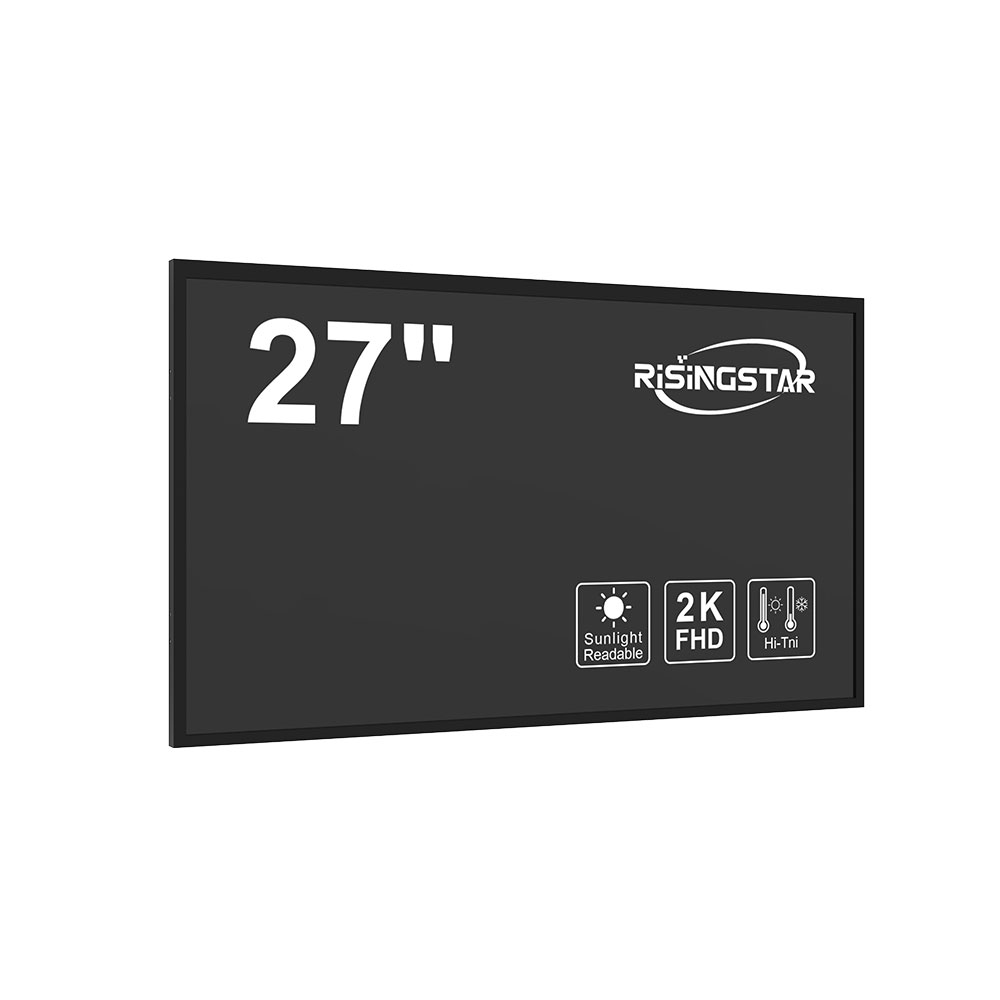
Manufacturers like LG Display, BOE Technology, and Sharp have pioneered innovations in this field by integrating technologies such as local dimming, wide color gamut support (e.g., DCI-P3), and low-power consumption designs—critical for battery-powered or solar-recharged devices used in remote locations. For example, a case study from the U.S. Department of Transportation revealed that replacing standard LCDs with 5,000-nit sunlight-readable displays in traffic signal control units improved visibility during peak sun hours by over 75%, significantly reducing misinterpretation errors in emergency response scenarios.
Another key advancement is the use of transflective liquid crystal cells, which combine reflective and transmissive modes. In bright conditions, the display uses ambient light via its reflective layer; in low-light settings, it switches to active backlighting. This dual-mode operation not only improves energy efficiency but also ensures consistent performance across varying lighting conditions—a vital feature for military field equipment and mobile command centers.
Moreover, these screens must meet stringent industry standards such as MIL-STD-810G for shock and vibration resistance, IP65/IP67 for dust and water ingress protection, and IEC 60068 for temperature extremes (-30°C to +70°C). Compliance with such specifications ensures reliability in extreme climates—from desert heat to arctic cold—making them ideal for aerospace, maritime, and industrial IoT deployments.
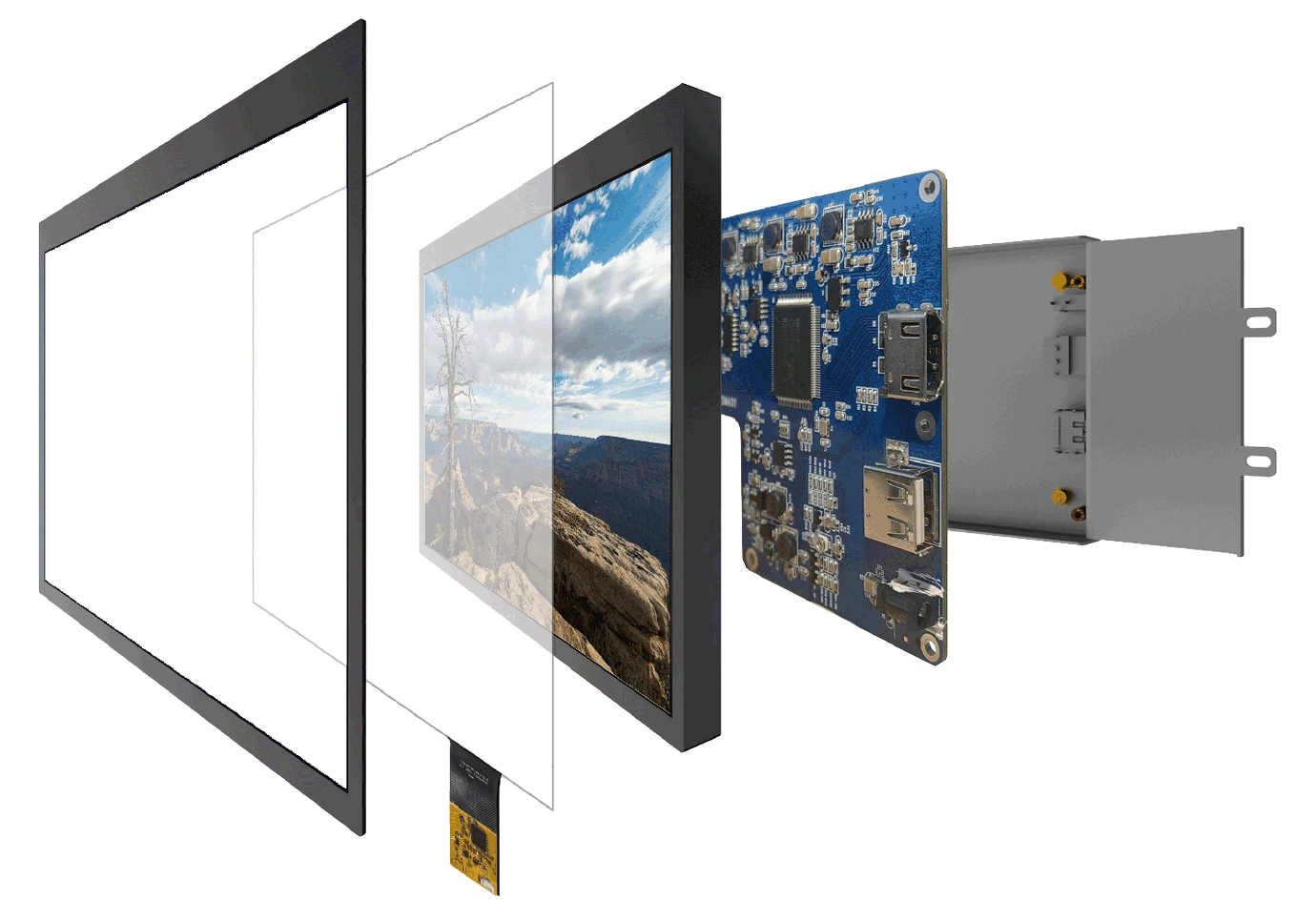
From a design perspective, modern high-brightness LCDs are increasingly modular, allowing integration into ruggedized enclosures and supporting touch functionality (including glove-compatible capacitive sensing). Their compatibility with embedded Linux and Android-based systems further expands their utility in smart city infrastructure, autonomous vehicles, and drone navigation interfaces.
As global trends toward sustainability, automation, and digital transformation accelerate, the role of sunlight-readable displays will only grow. With continuous R&D investment in quantum dot enhancements, mini-LED backlights, and AI-driven adaptive brightness algorithms, the next generation of these screens promises even higher efficiency, lower power draw, and superior image quality—all critical for future-proofing outdoor electronic systems.