 RisingStar
- Home
- About Us
- Products
- News
- Video
- Contact
- Send Inquiry
Search
- Home
- About Us
- Products
- News
- Video
- Contact
- Send Inquiry
RisingStar
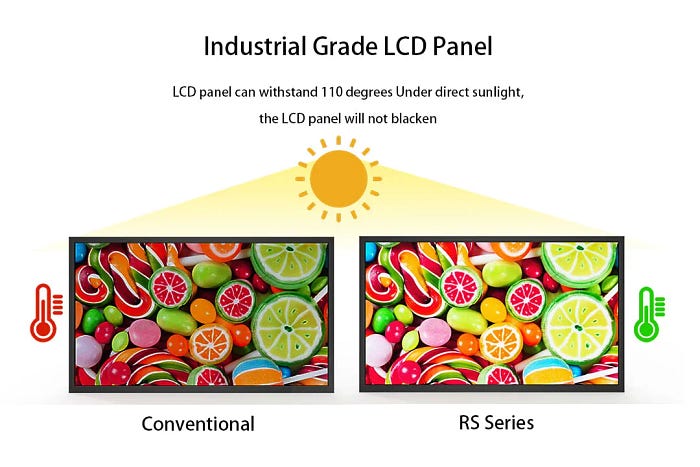
High-brightness sunlight-readable LCD screens have become essential in modern outdoor display technology, particularly in military, industrial, transportation, and consumer electronics sectors. These displays are engineered to maintain visibility under direct sunlight—often exceeding 5,000 nits of brightness—making them indispensable in environments where ambient light levels are unpredictable or extremely high. The key technological components include advanced backlighting systems (such as LED arrays with local dimming), anti-reflective coatings, high-contrast ratios (typically 1000:1 or higher), and optimized pixel density.
One of the most prominent practical applications is in military field equipment such as tactical tablets and command-and-control units. For instance, the U.S. Army’s Integrated Visual Augmentation System (IVAS) relies on high-brightness LCDs that function reliably even in desert conditions where sunlight intensity can exceed 100,000 lux. Similarly, in commercial aviation, cockpit instruments must remain readable during all phases of flight—including takeoff and landing in full sun—ensuring pilot safety and operational continuity.
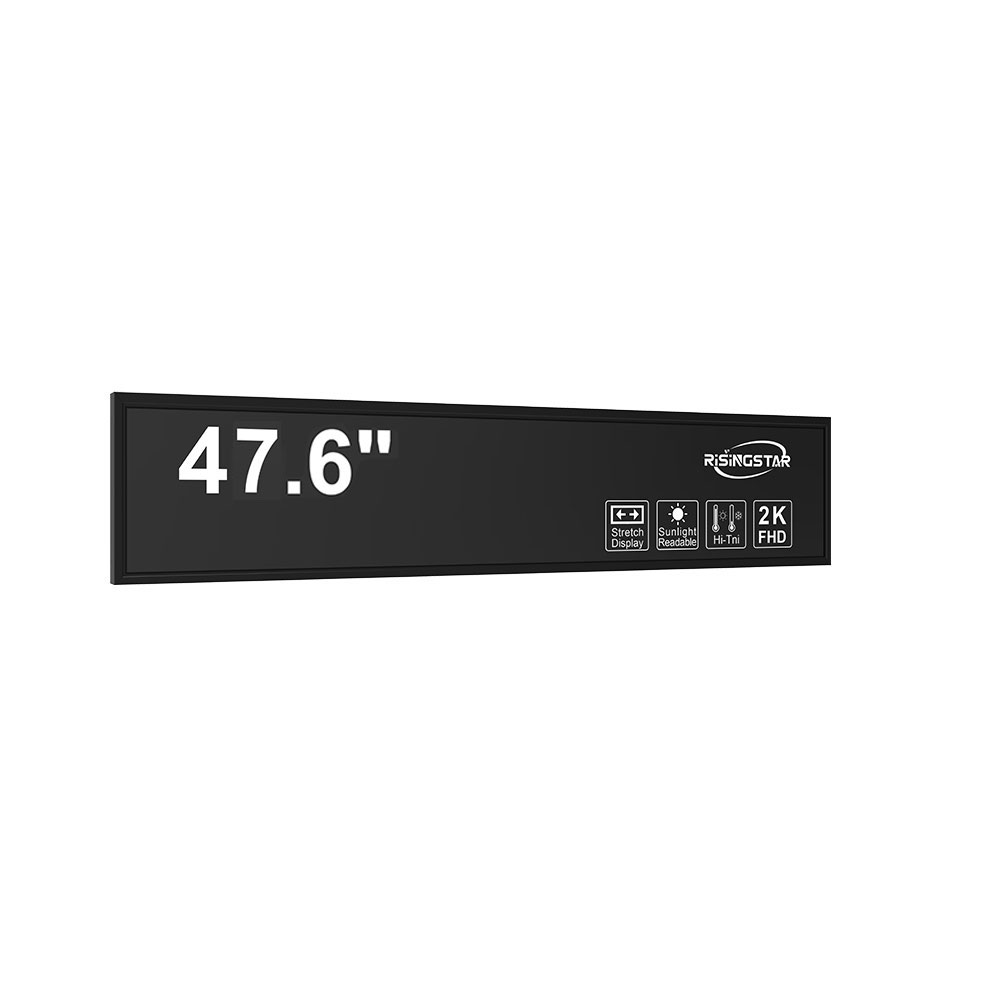
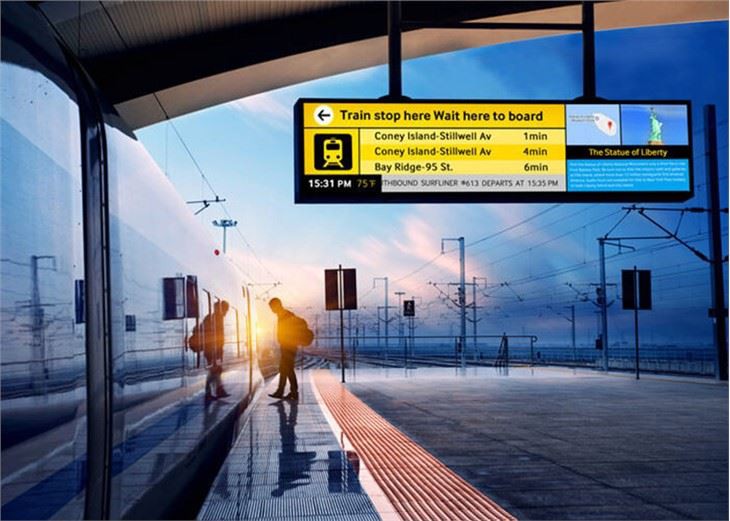
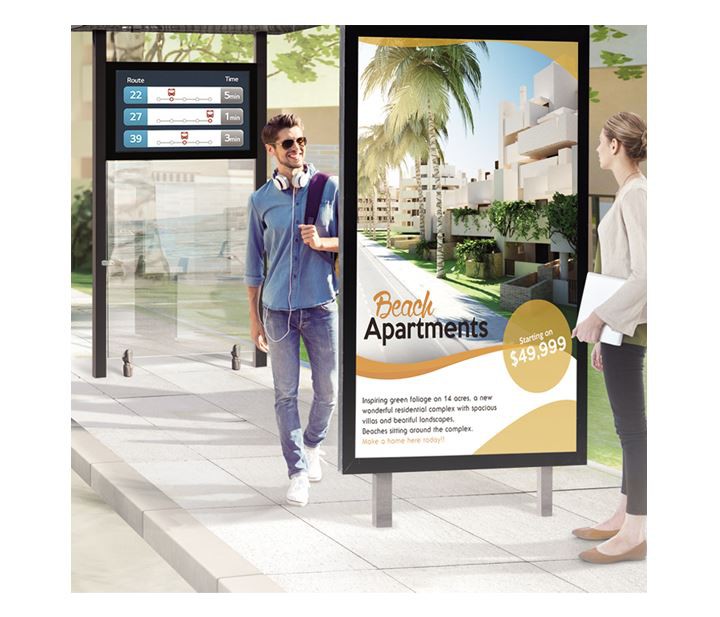
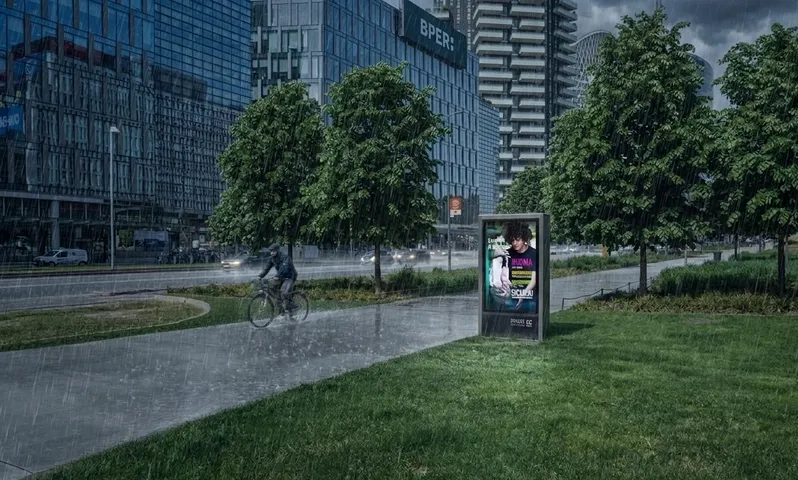
In the industrial sector, these screens power ruggedized handheld devices used in construction, logistics, and oil & gas operations. A case study from Honeywell’s workforce mobility solutions revealed a 35% increase in task efficiency when employees used sunlight-readable displays over standard indoor LCDs in outdoor warehouses under intense solar exposure. In transportation, digital signage at train stations, bus stops, and airports now commonly uses this technology to deliver real-time information without glare distortion—even at midday.
The advantages of high-brightness sunlight-readable LCDs are clear: improved usability in extreme lighting conditions, reduced need for manual adjustments, and increased user safety in critical environments. However, challenges persist, including power consumption (especially with high-lumen LEDs), thermal management in enclosed spaces, and the cost premium compared to standard displays—typically 2–3x more expensive. Common problems also involve screen burn-in in static content scenarios, although newer OLED-based variants are mitigating this issue through dynamic pixel shifting algorithms.
Latest trends show a shift toward hybrid technologies combining traditional LCD backlights with micro-LED or quantum dot enhancements to boost brightness while reducing energy use. According to a 2023 report by IDTechEx, the global market for sunlight-readable displays is projected to grow at a CAGR of 8.4% through 2030, driven by demand in autonomous vehicles, smart cities, and renewable energy monitoring systems. Industry standards such as MIL-STD-810 for environmental durability and ISO 9241-3 for visual ergonomics ensure product reliability and interoperability across applications.