 RisingStar
- Home
- About Us
- Products
- News
- Video
- Contact
- Send Inquiry
Search
- Home
- About Us
- Products
- News
- Video
- Contact
- Send Inquiry
RisingStar
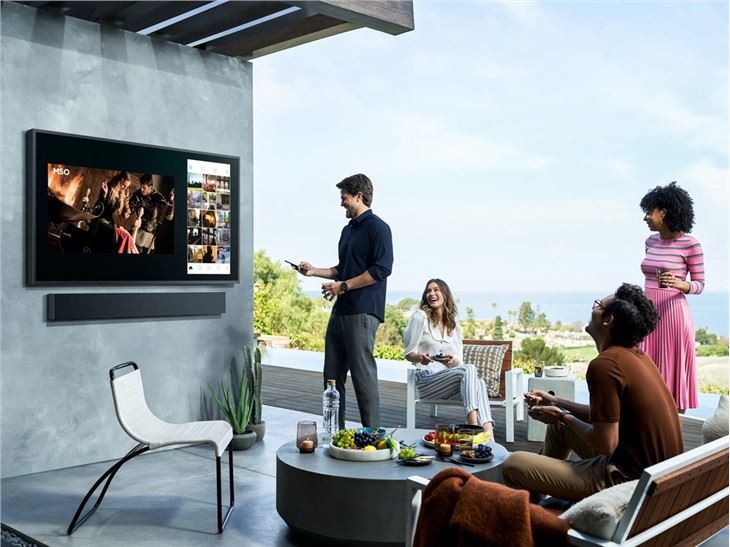
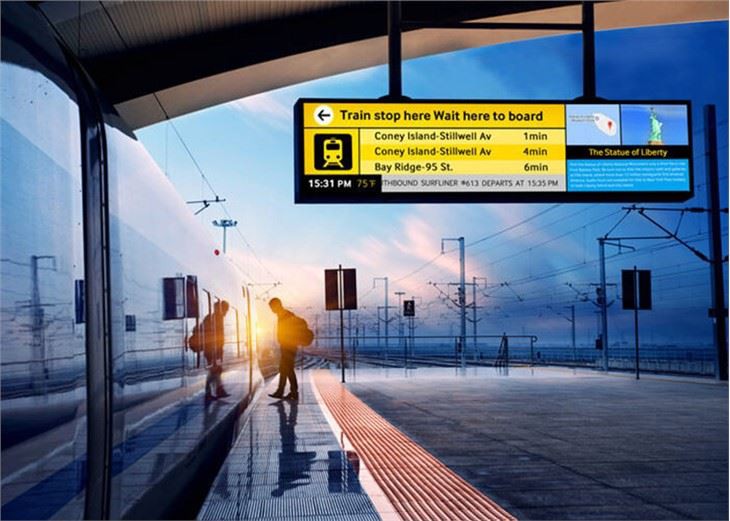
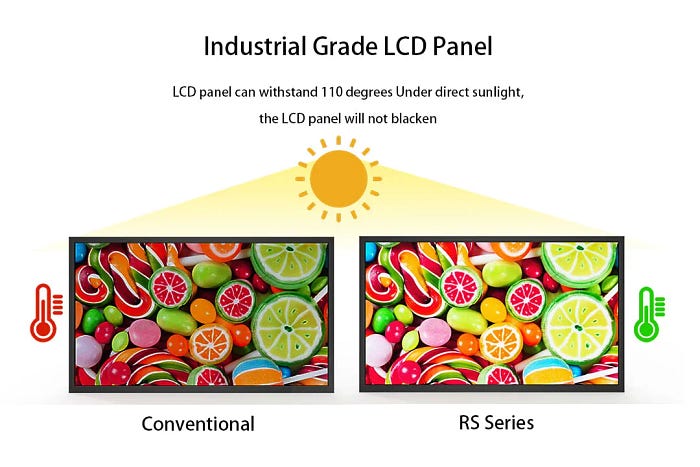
High-brightness sunlight-readable LCD screens have become indispensable in modern outdoor and industrial environments where visibility under direct sunlight is critical. These displays are engineered to deliver exceptional clarity, contrast, and color accuracy even under extreme lighting conditions—such as bright daylight, high ambient temperatures, and harsh weather. Unlike standard LCDs that often appear washed out or invisible under sunlight, sunlight-readable displays employ advanced optical and electrical design principles to ensure reliable performance in demanding settings.
The core technology behind these screens includes high-luminance backlighting (typically 3,000 to 10,000 nits), anti-reflective coatings, and optimized pixel structures. For instance, the use of LED backlights with precise brightness control allows dynamic adjustment based on ambient light sensors, minimizing power consumption while maximizing readability. According to industry data from Display Supply Chain Consultants (DSCC), the global demand for high-brightness LCDs grew by over 12% annually between 2020 and 2023, driven largely by defense, transportation, and medical sectors.
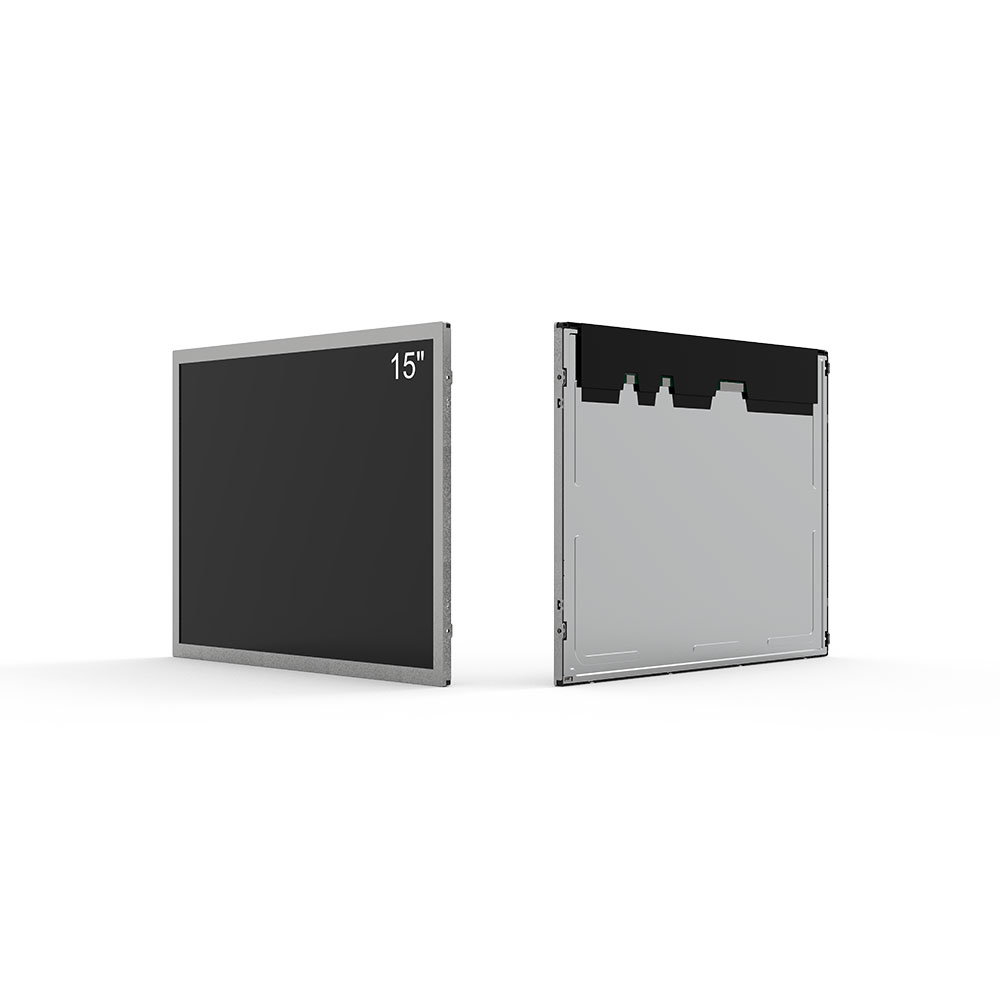
One notable case study involves the deployment of a 15-inch sunlight-readable LCD screen in military vehicle command centers. The display maintained full functionality at 7,000 nits peak brightness during field operations in desert environments, significantly improving situational awareness and mission success rates. Similarly, in commercial applications like automated teller machines (ATMs) located outdoors in urban areas, manufacturers such as LG Display and AU Optronics have integrated polarized filters and glass laminates to reduce glare while enhancing durability against UV exposure and moisture ingress.
Another key innovation is the use of transflective liquid crystal technology, which combines reflective and transmissive modes. This hybrid approach ensures optimal visibility both indoors and outdoors without relying solely on external lighting sources—a feature especially valuable in emergency response equipment or handheld devices used in unpredictable conditions.
From a standards perspective, MIL-STD-810G and IEC 60068-2-1 provide rigorous environmental testing protocols for ruggedized displays, including thermal shock, vibration, and humidity resistance. Compliance with these benchmarks ensures reliability in aerospace, marine, and public infrastructure applications such as traffic signal systems and airport kiosks.
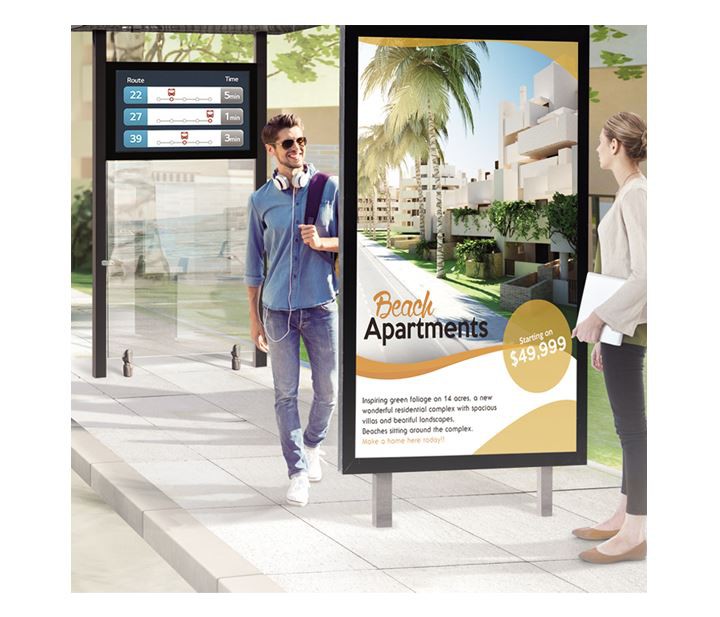
In summary, high-brightness sunlight-readable LCD technology continues to evolve through innovations in materials science, smart brightness algorithms, and adaptive optics. As more industries prioritize user-centric design and operational resilience, this technology will remain a cornerstone of outdoor digital signage, vehicular interfaces, and portable instrumentation—delivering clarity, safety, and efficiency regardless of environmental challenges.