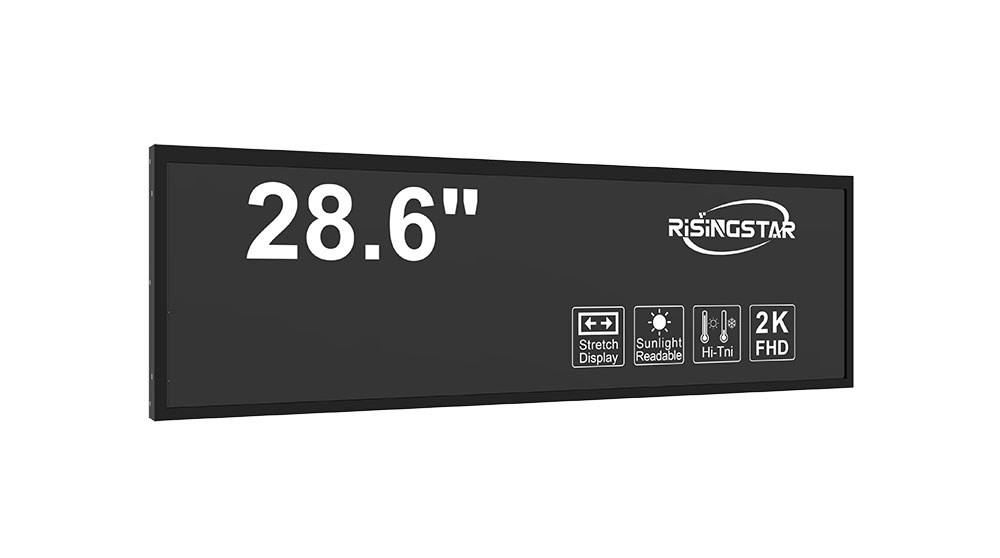
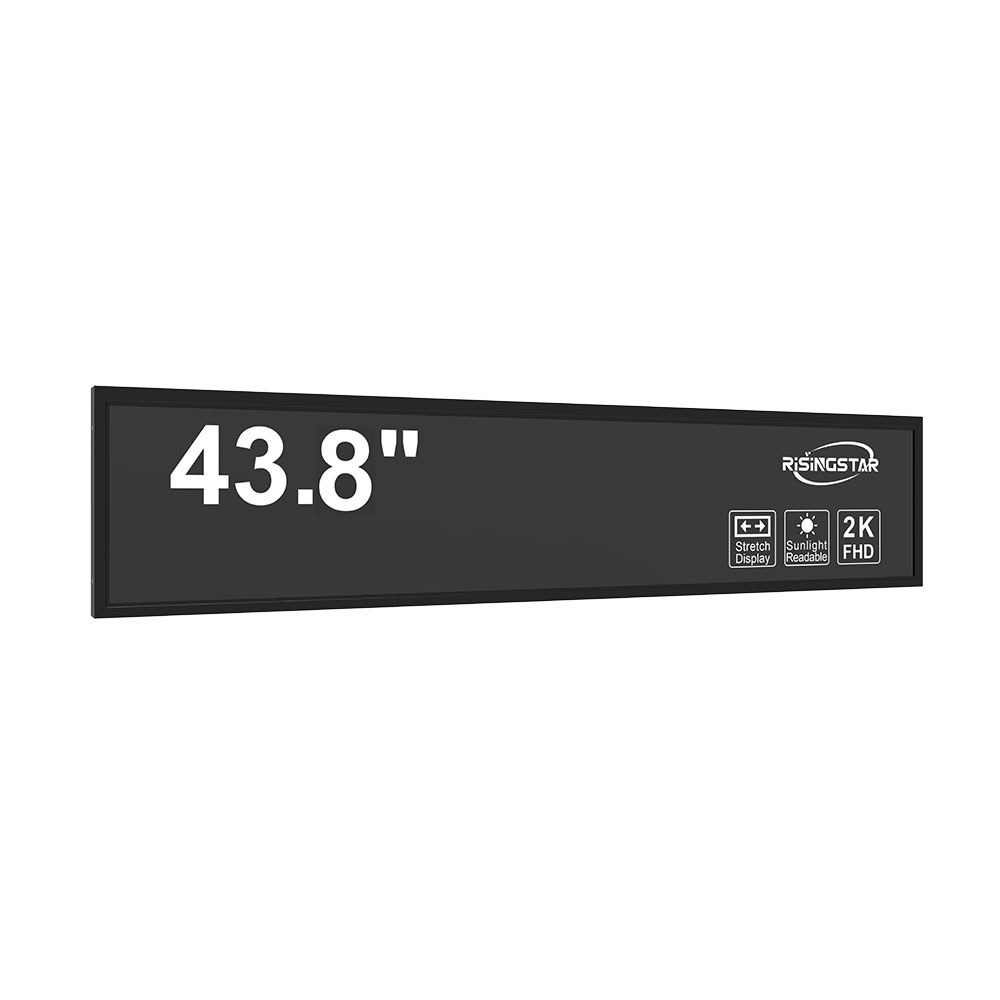
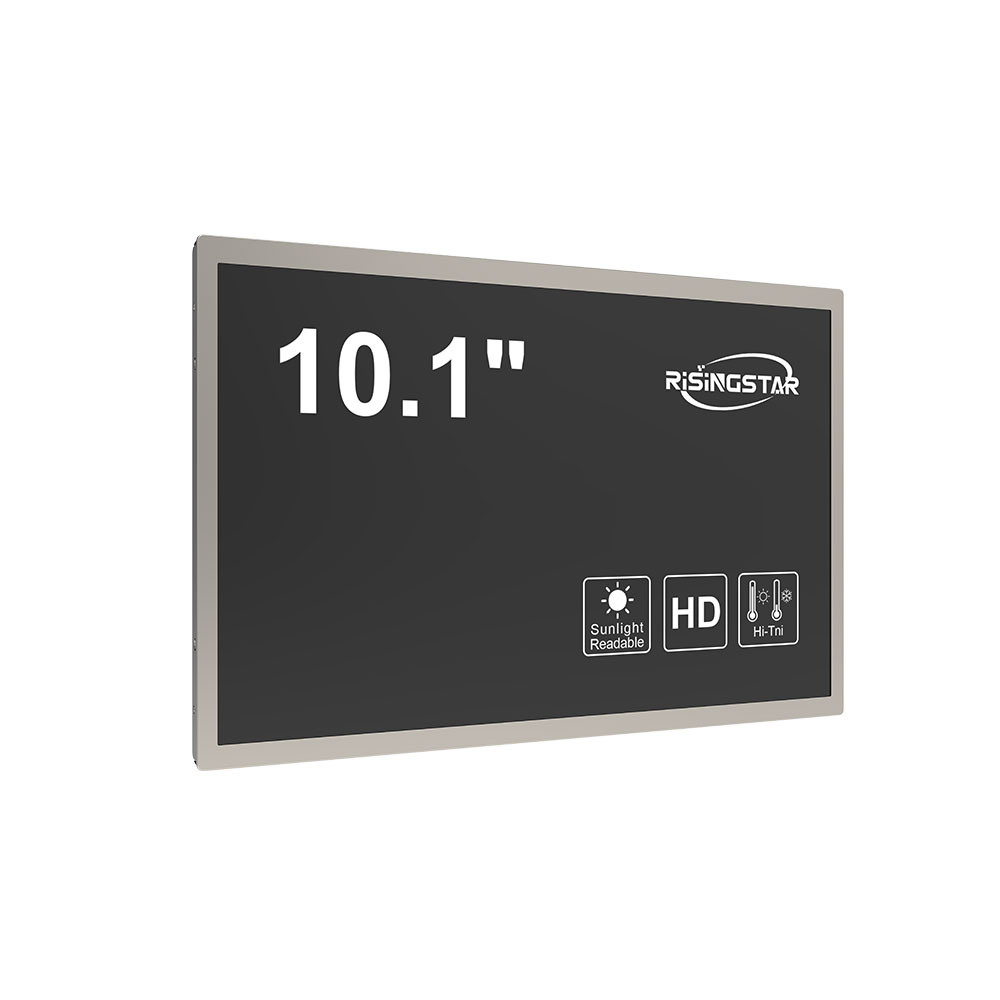
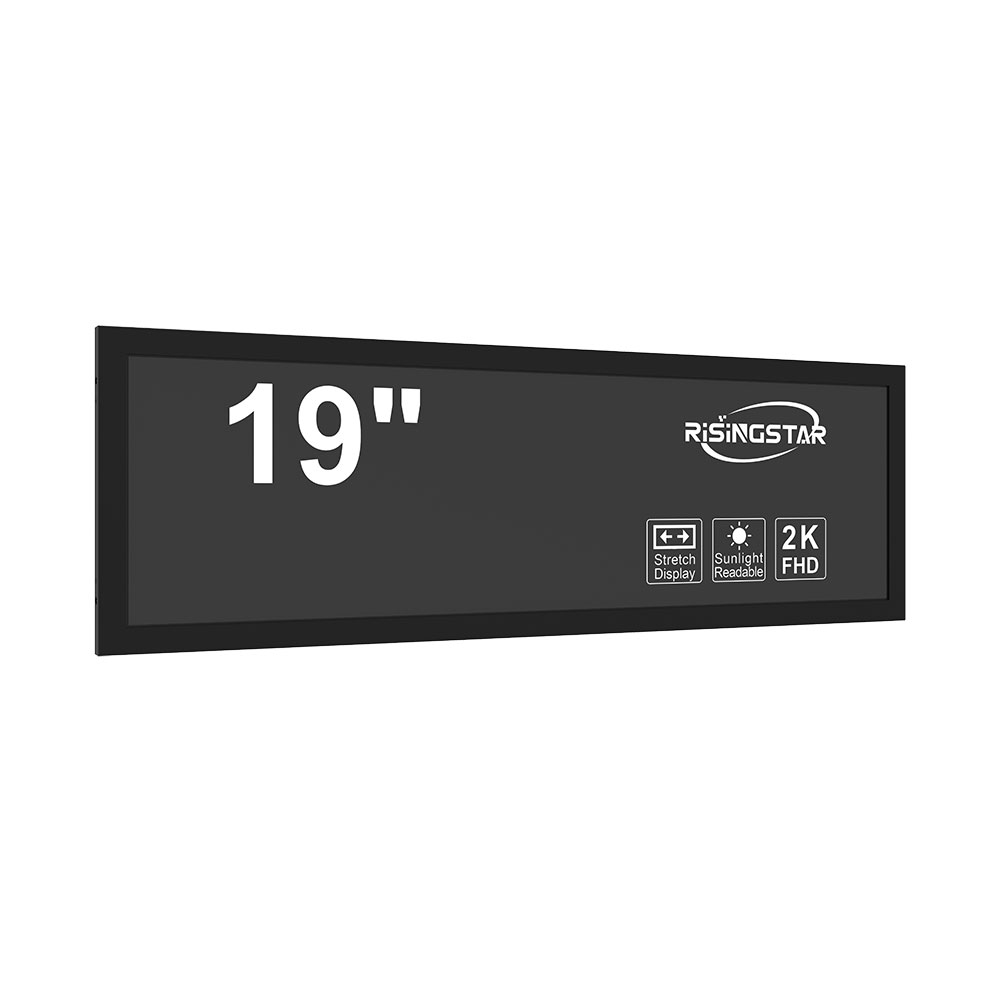
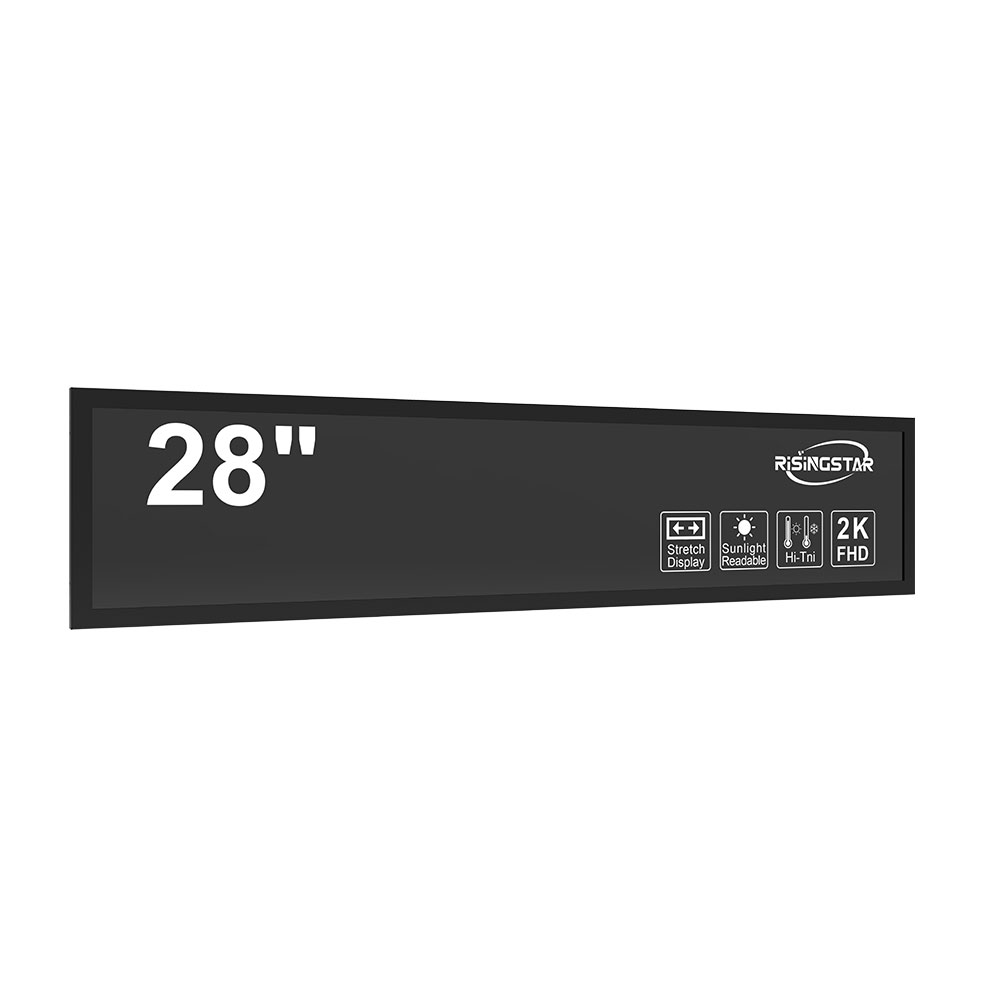
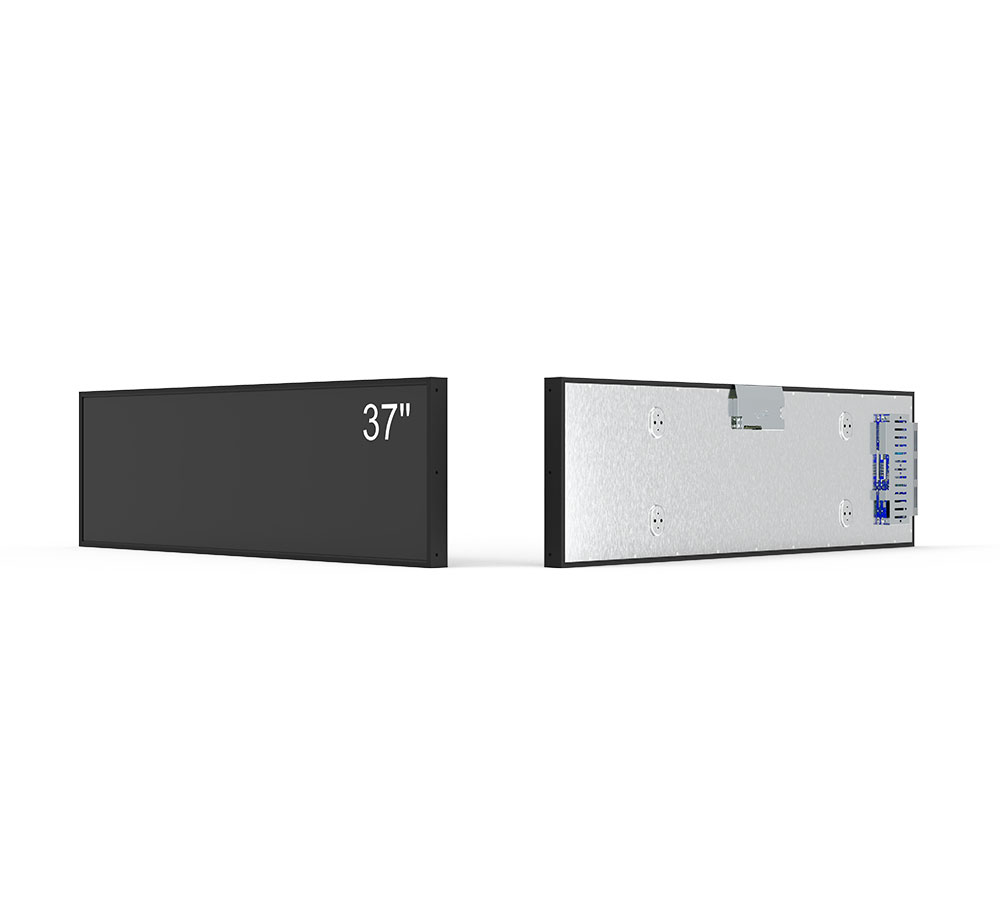
Outdoor smart digital signage has emerged as a transformative technology in modern urban infrastructure, bridging the gap between public communication and real-time data delivery. Unlike traditional static billboards or analog displays, outdoor smart digital signage leverages high-brightness LCD screens, IoT integration, cloud-based content management systems (CMS), and AI-driven analytics to deliver dynamic, interactive, and context-aware messaging in diverse environmental conditions—from scorching sunlit plazas to rain-soaked city streets.
At the heart of these systems lies sunlight-readable LCD technology, which is engineered to maintain clarity and visibility under direct sunlight with brightness levels typically exceeding 5,000 nits—far above the standard indoor display’s 300–500 nits. This capability is achieved through advanced backlighting technologies such as LED arrays with localized dimming, anti-reflective coatings, and polarized glass layers that reduce glare while maximizing contrast. According to industry benchmarks from the Society for Information Display (SID), sunlight-readable displays must achieve a minimum contrast ratio of 100:1 at 5,000 nits to be considered effective in outdoor applications.
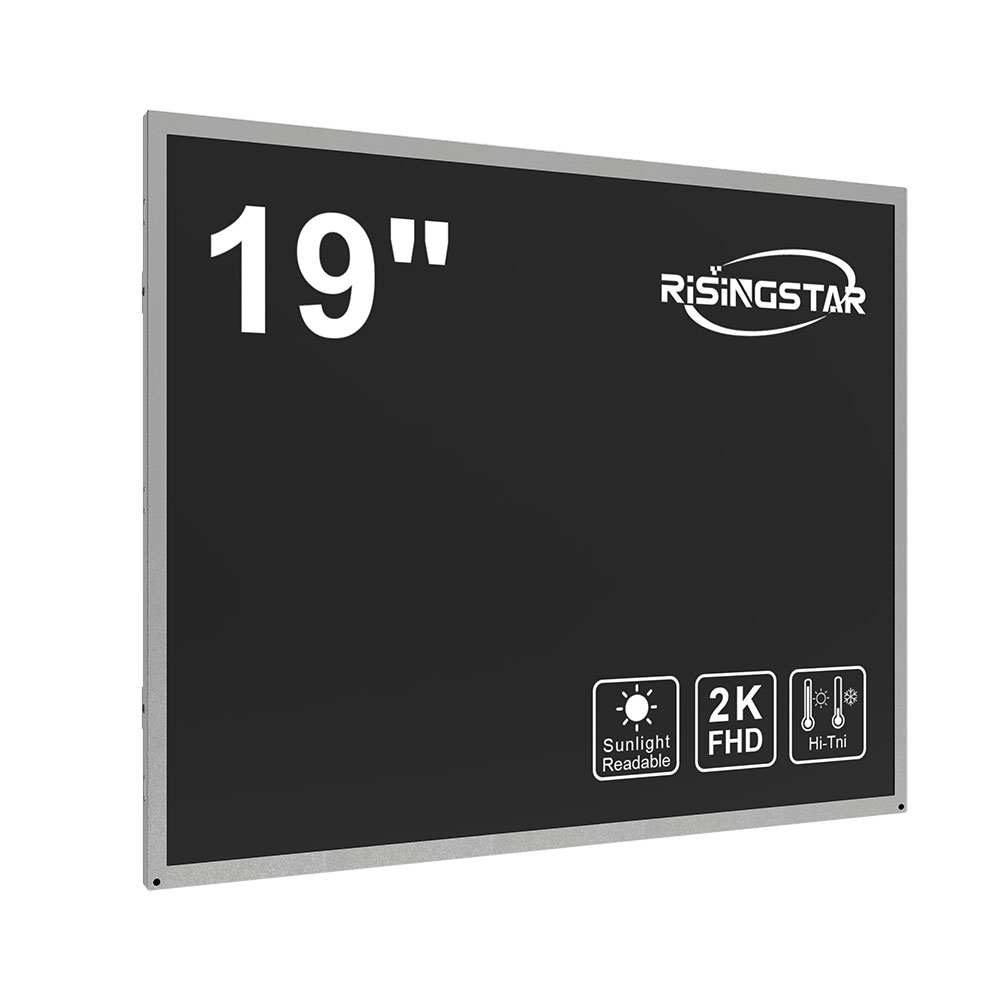
Cities like Singapore, Seoul, and Barcelona have successfully deployed outdoor smart digital signage for transportation updates, emergency alerts, tourism promotion, and advertising. For example, Singapore’s “Smart Nation” initiative integrates digital signs with real-time traffic feeds, weather sensors, and GPS tracking to provide commuters with accurate arrival times and alternative route suggestions via large-format OLED panels mounted on bus stops. These installations not only enhance user experience but also contribute to reduced congestion and carbon emissions by encouraging multimodal transit use.
From a technical standpoint, modern Ulkoilma digitaalinen merkintä platforms are built on modular architectures that support over-the-air (OTA) firmware updates, remote diagnostics, and fail-safe redundancy mechanisms. They often utilize industrial-grade components rated IP65 or higher for dust and water resistance, ensuring reliable operation in harsh environments. Power efficiency is another critical design consideration; many new units incorporate solar panels or energy-harvesting systems to reduce reliance on grid electricity—a key factor in achieving sustainability goals under initiatives like the UN’s Sustainable Development Goals (SDG 7 and SDG 11).
Moreover, the rise of edge computing enables local processing of video analytics directly on the sign itself—allowing for anonymized people counting, heat mapping, and facial expression analysis (with privacy safeguards) without transmitting raw data to centralized servers. This enhances both performance and compliance with GDPR or CCPA regulations. A case study published by Juniper Research in 2023 found that cities deploying edge-enabled outdoor signage saw a 40% increase in engagement metrics due to personalized content delivery based on foot traffic patterns and time-of-day behavior.
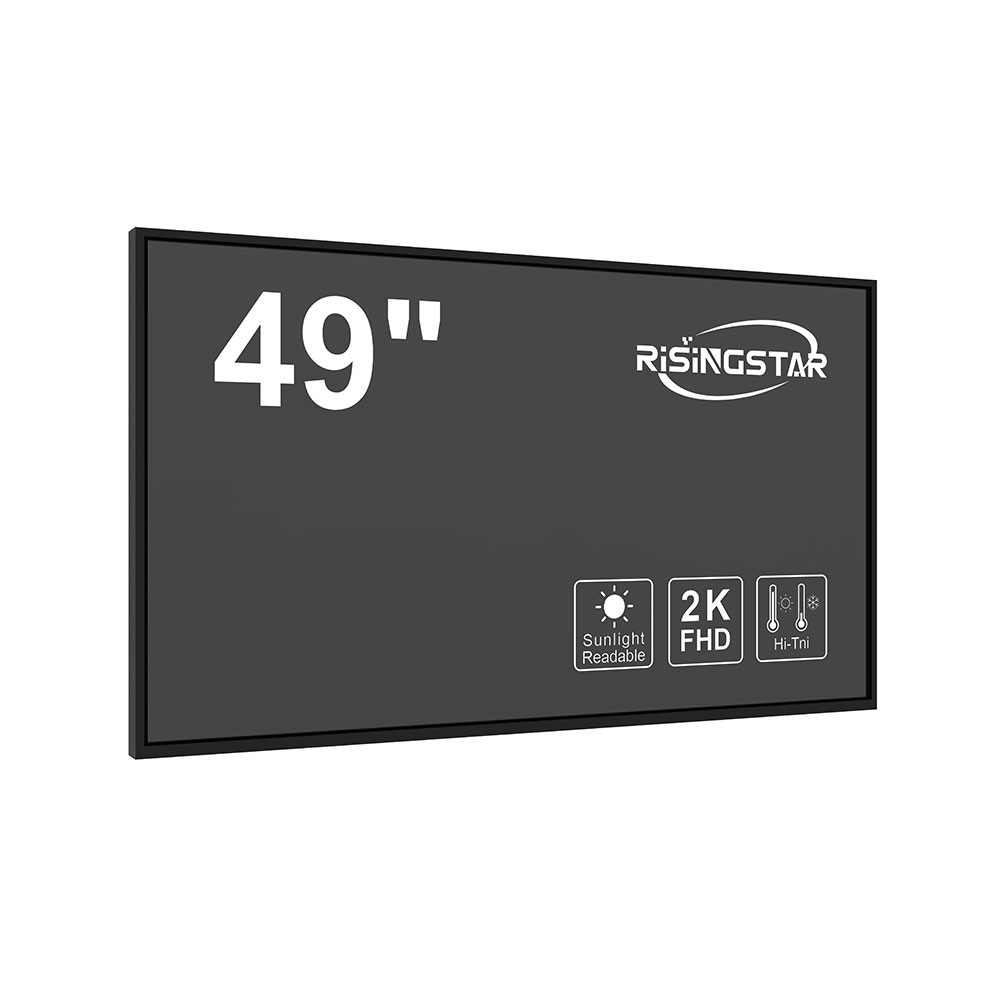
In conclusion, outdoor smart digital signage is no longer a luxury—it's an essential component of smart cities. Its ability to deliver timely, relevant, and adaptive information in demanding outdoor settings makes it indispensable for public safety, economic development, and civic engagement. As global urban populations grow and digital literacy increases, the demand for robust, intelligent, and scalable outdoor display solutions will continue to accelerate, driven by innovations in display tech, connectivity, and sustainable power systems.
 RisingStar -yhtiön