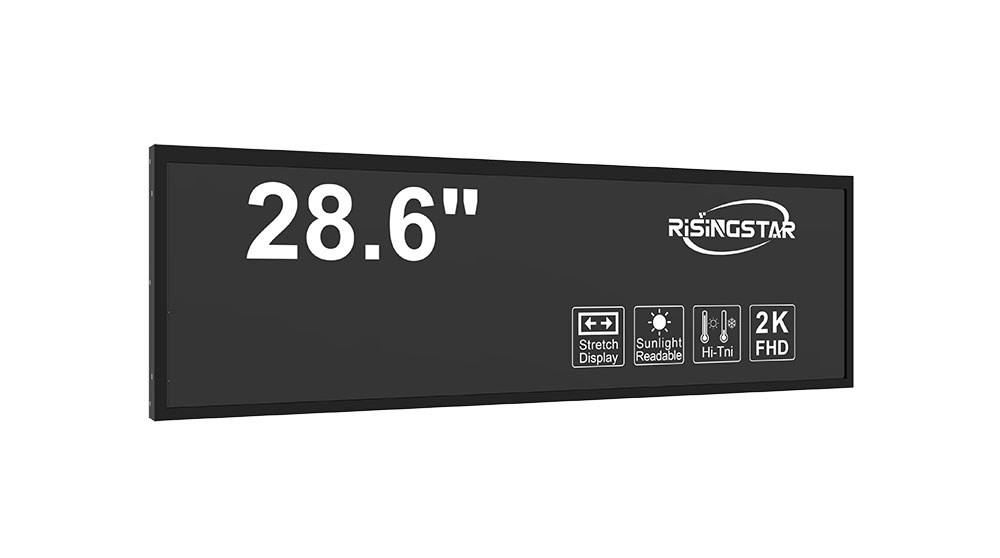
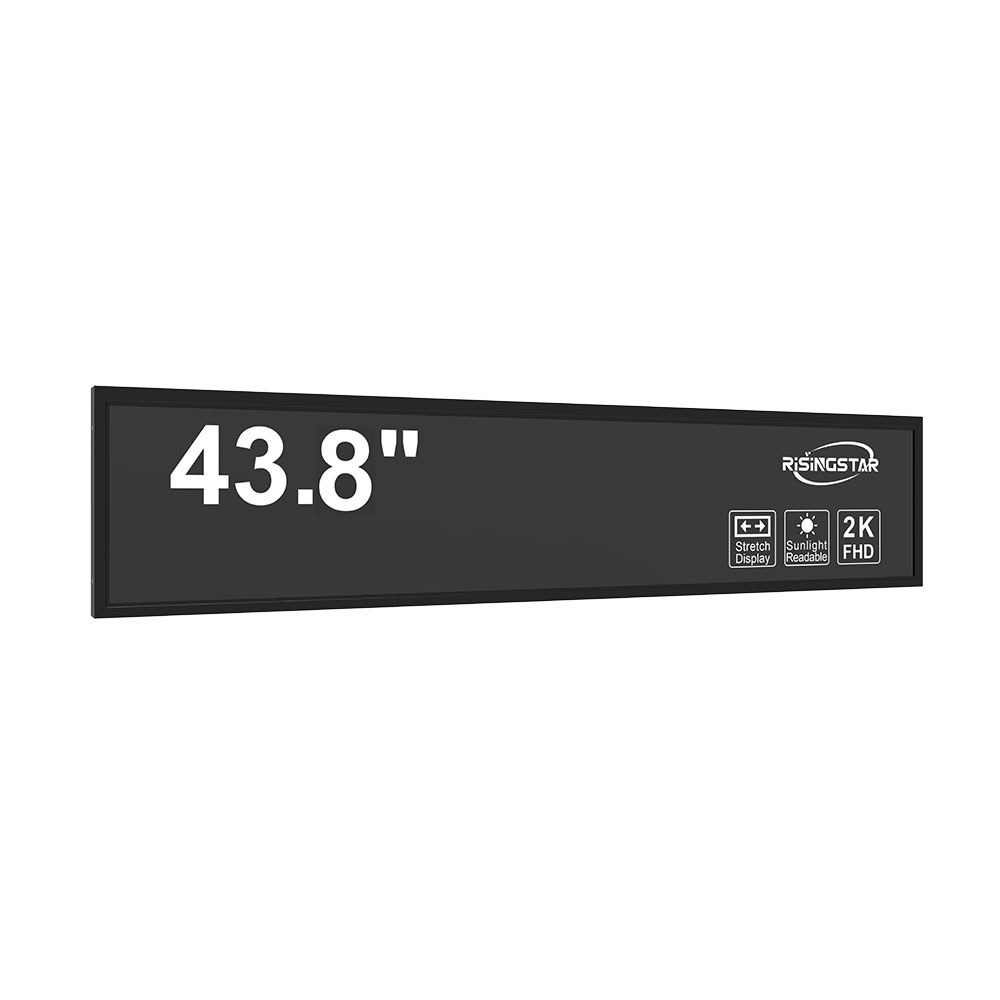
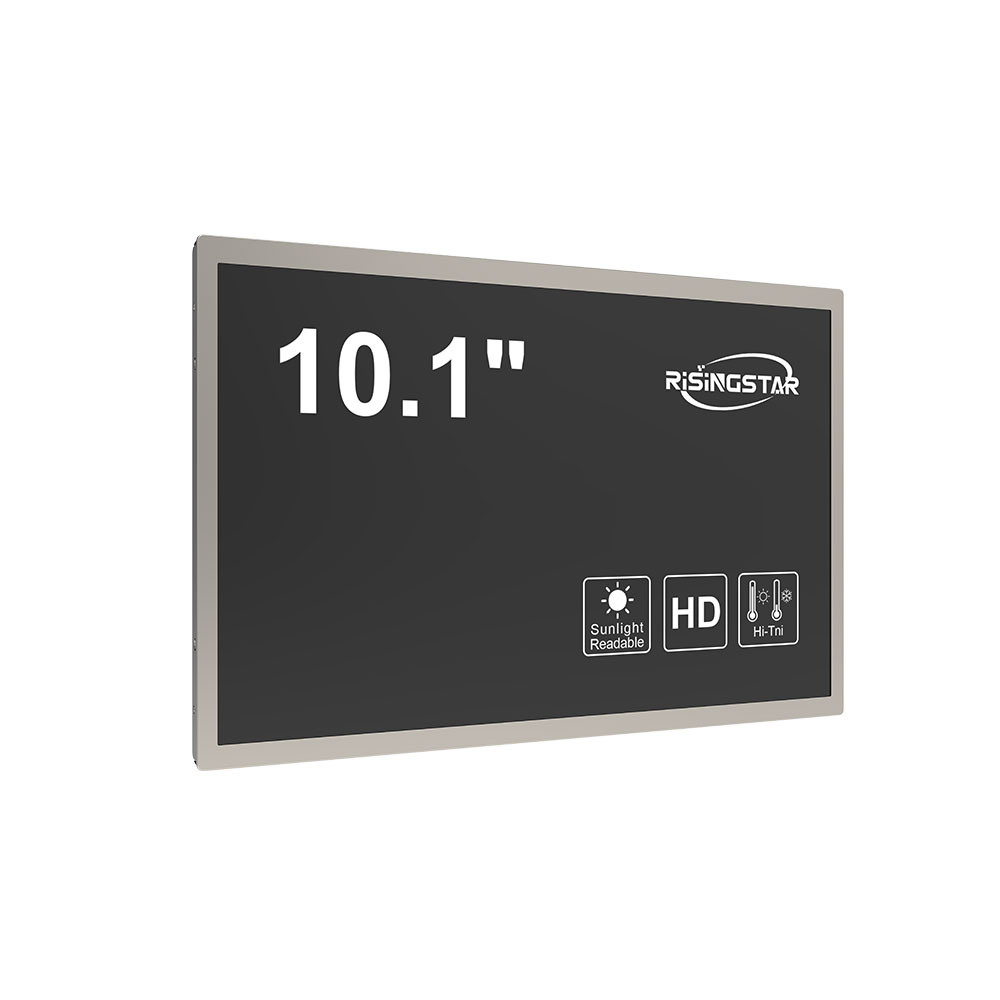
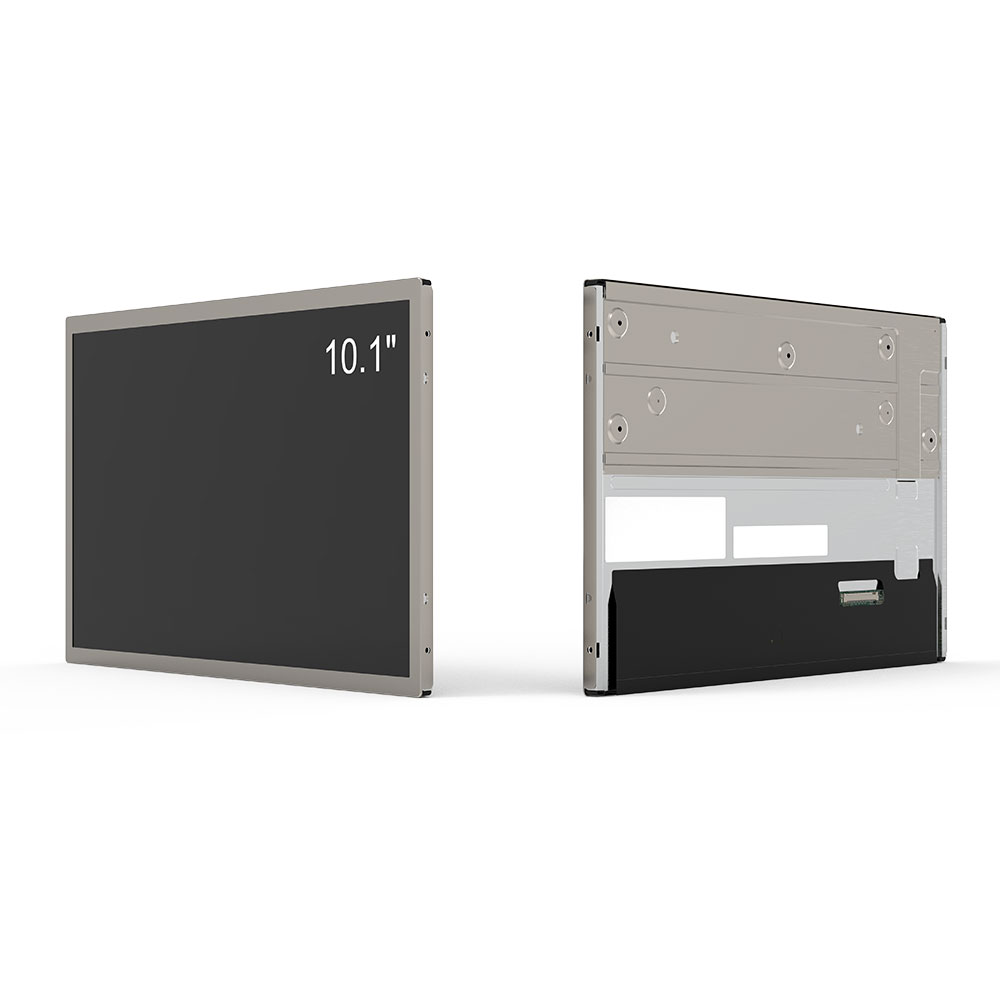
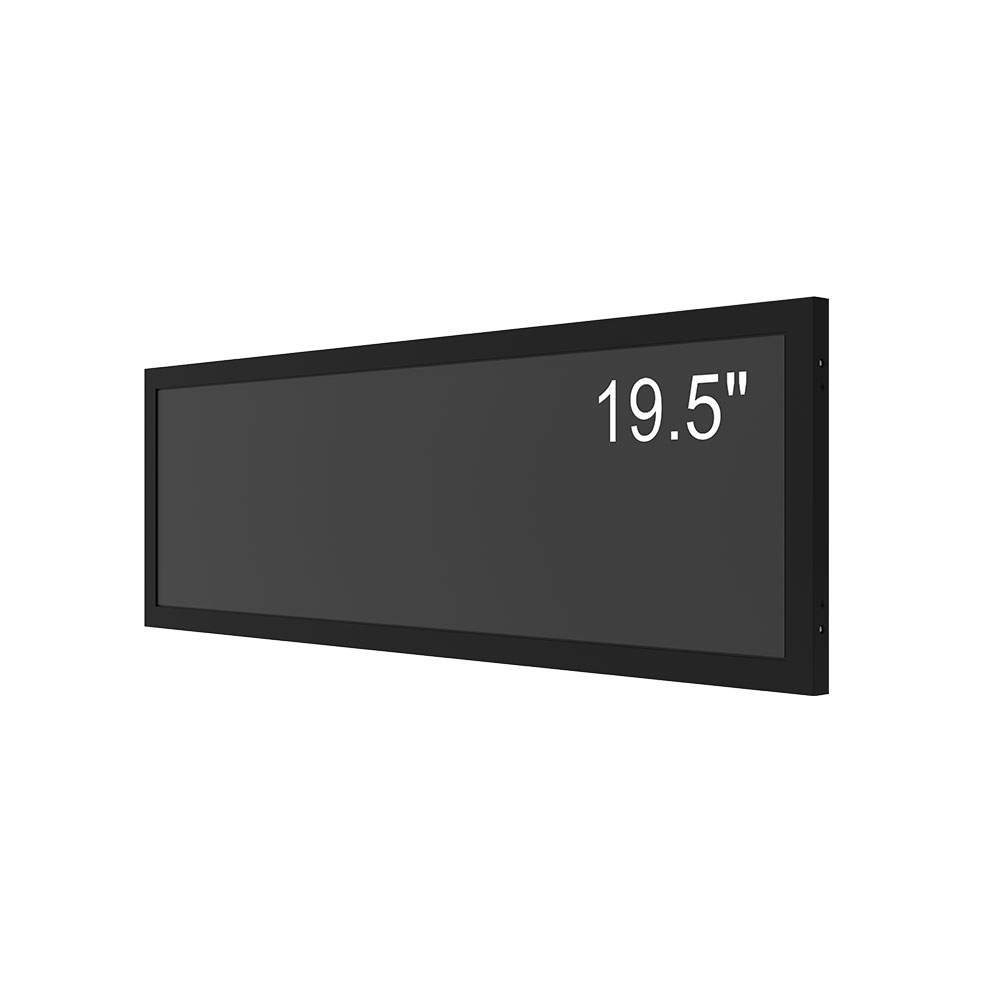
Outdoor monitors are specialized display devices engineered to deliver high visibility in direct sunlight, extreme temperatures, and harsh environmental conditions. Unlike standard indoor LCDs, outdoor monitors incorporate advanced technologies such as high-brightness LED backlighting (typically 3,000 to 5,000 nits), anti-glare coatings, wide temperature operating ranges (-30°C to +70°C), and ruggedized enclosures (IP65 or higher). These features make them indispensable across industries including transportation, retail, utilities, military, and construction.
One of the most critical design elements in outdoor monitors is luminance. According to the International Electrotechnical Commission (IEC) standards, a screen must achieve at least 1,000 nits to remain readable under full sunlight. However, for optimal performance in real-world environments—especially in bright urban settings or sunny rural locations—industry benchmarks now recommend 3,000+ nits. For instance, companies like Samsung, LG, and Panasonic offer commercial-grade outdoor displays with peak brightness exceeding 5,000 nits using local dimming technology and high-efficiency LEDs. This ensures consistent visibility even during midday sun, without excessive power consumption.
Another key innovation is the use of transflective liquid crystal displays (LCDs). Unlike traditional transmissive LCDs that rely solely on backlighting, transflective panels combine reflective surfaces with backlighting, allowing visibility in both bright daylight and low-light conditions. This dual-mode operation reduces energy consumption by up to 40% while maintaining clarity—an important factor for battery-powered or solar-powered installations in remote areas.
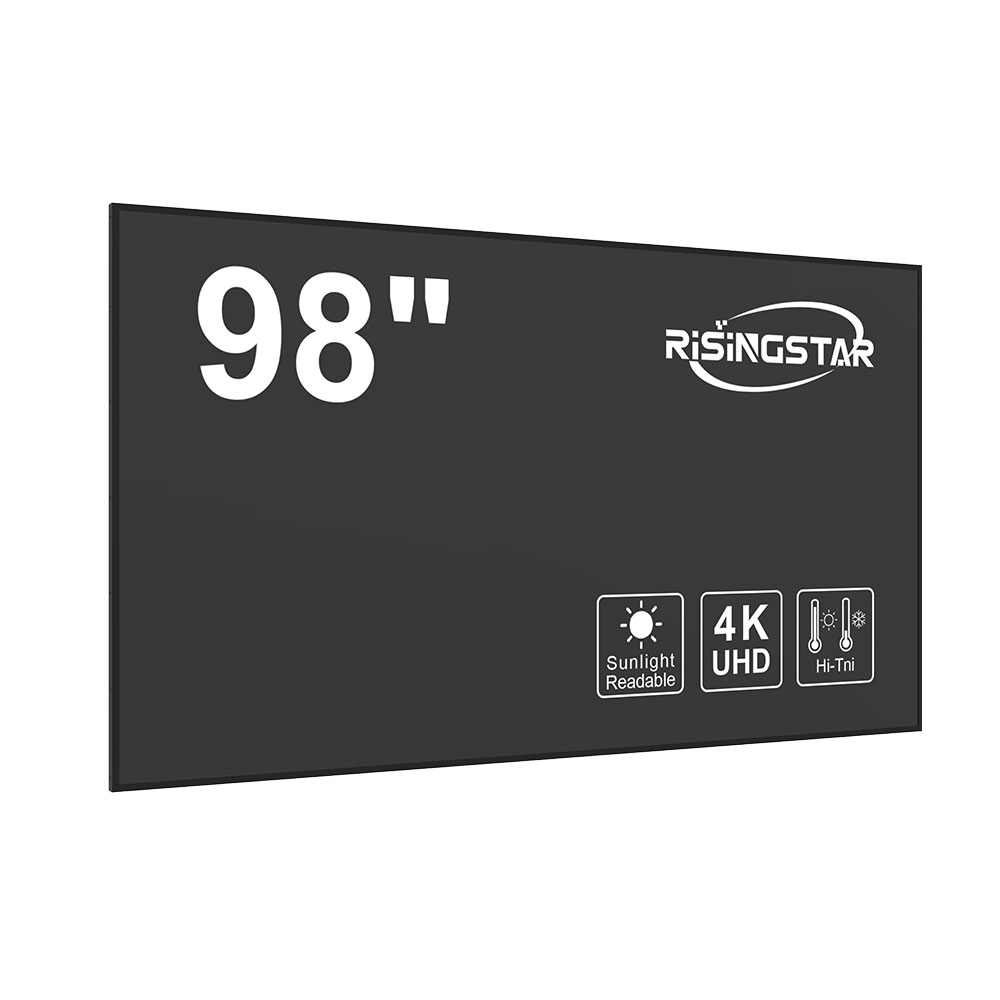
Case studies from real-world deployments reinforce the necessity of proper outdoor monitor selection. A 2023 study by Frost & Sullivan highlighted that a major U.S. transit authority upgraded its bus stop information systems using 4,000-nit outdoor-rated LCDs. The result was a 65% reduction in passenger complaints about unreadable digital signage during daytime hours. Similarly, a mining company in Australia deployed IP67-rated outdoor monitors in underground and surface operations, where dust, vibration, and humidity were constant challenges. These monitors featured shock-resistant mounts, wide viewing angles, and MIL-STD-810G compliance for durability—proving essential for operational safety and efficiency.
For businesses considering outdoor monitors, it's crucial to evaluate not only brightness but also contrast ratio, color accuracy, and touch functionality. Many modern outdoor displays now integrate capacitive or resistive touchscreens with glove compatibility and waterproofing (IP65/IP68). They also support long-term reliability through passive cooling (no fans) and solid-state components, reducing maintenance needs in remote or inaccessible locations.
In summary, outdoor monitors are no longer optional accessories—they are mission-critical tools in today’s connected world. Whether deployed in smart city infrastructure, emergency response vehicles, or automated kiosks, their ability to maintain readability under intense sunlight, withstand environmental stressors, and integrate seamlessly with IoT ecosystems makes them vital assets for global enterprises seeking reliable, durable, and visible digital communication solutions.
 RisingStar -yhtiön