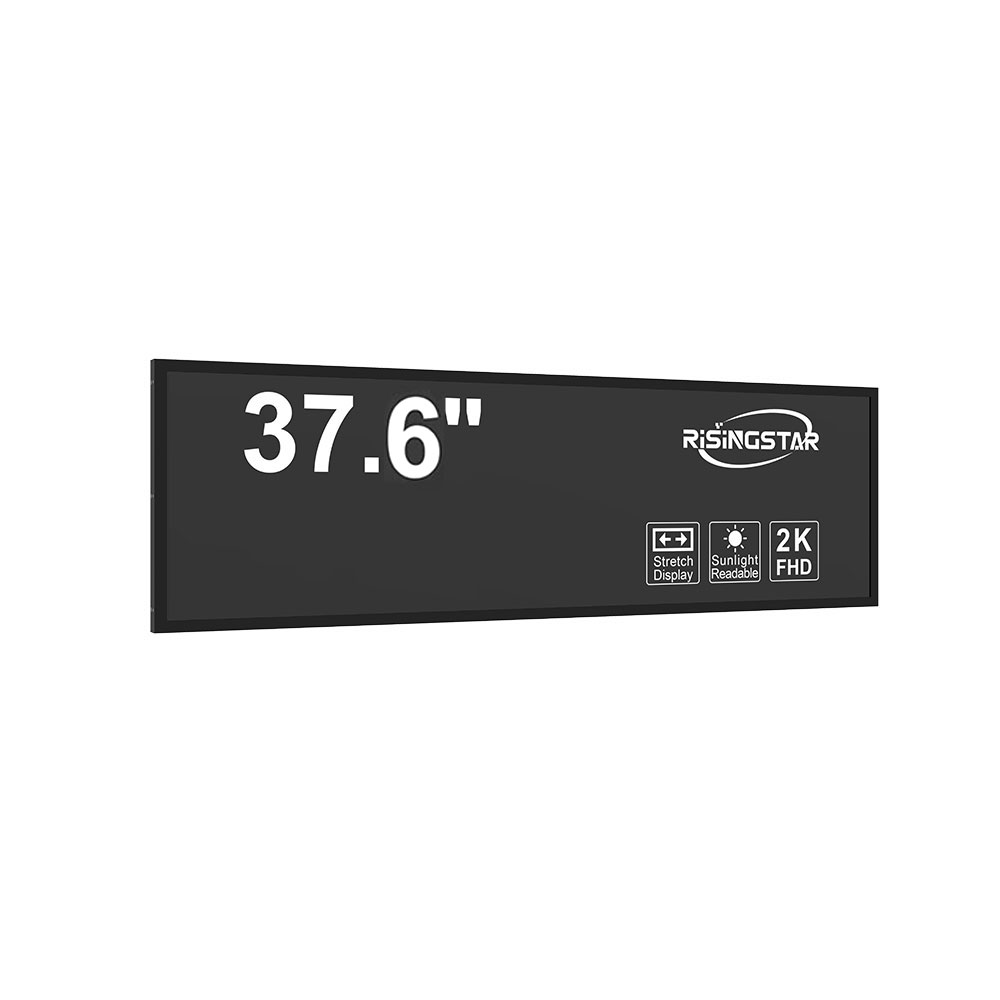
Sunlight-readable LCD displays are essential in outdoor and high-ambient-light environments such as military vehicles, industrial control panels, agricultural equipment, and public transportation systems. These displays must maintain readability under direct sunlight (up to 100,000 lux or more) while ensuring long-term reliability, low power consumption, and ergonomic visibility. As of 2024, the global market for high-brightness LCDs is projected to exceed $7.8 billion, with a CAGR of 6.3% through 2030, according to MarketsandMarkets research. This growth is driven by increasing demand for ruggedized electronics in defense, automotive, and smart infrastructure sectors.
The core engineering challenge lies in achieving sufficient brightness without compromising contrast ratio or color accuracy. Standard LCDs typically max out at 300–500 nits, which becomes inadequate under bright daylight. Sunlight-readable displays, by contrast, operate between 1,500 and 5,000 nits—some even reaching 10,000 nits for extreme conditions like desert operations. To achieve this, manufacturers implement several key technologies:
First, high-efficiency LED backlighting using full-array local dimming (FALD) or edge-lit designs allows precise control of brightness across different regions of the screen. For example, Sharp’s 10,000-nit display used in military-grade field devices employs a 16-zone FALD system, enabling dynamic contrast adjustment that improves both brightness and energy efficiency.
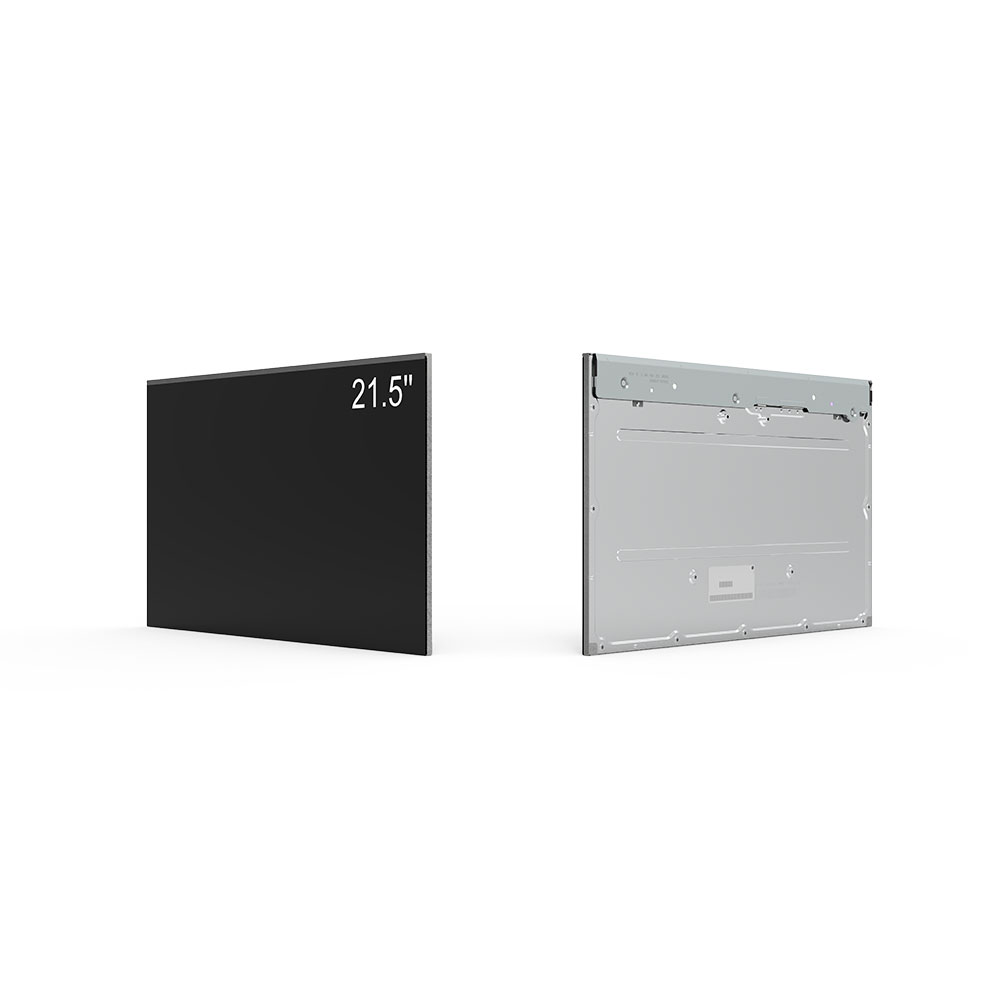
Second, anti-glare coatings and polarization filters minimize surface reflection. The use of micro-lens arrays on the front glass layer—commonly seen in LG Display’s “Sunlight Readable” panels—reduces specular reflection by up to 95%. This technique is particularly effective in reducing glare from sunlight hitting the screen at oblique angles, a common issue in mobile applications like drones or construction machinery.
Third, advanced liquid crystal materials such as IPS (In-Plane Switching) or MVA (Multi-Domain Vertical Alignment) improve viewing angles and color consistency. These panel types ensure that users can read critical data from any angle—even when standing or sitting at a steep incline—without image distortion. According to IEEE Transactions on Consumer Electronics (2023), IPS-based sunlight-readable displays offer superior performance over TN (Twisted Nematic) panels in both contrast and color reproduction under variable lighting conditions.
Fourth, embedded ambient light sensors allow automatic brightness adjustment. This not only enhances user comfort but also reduces power consumption during nighttime or indoor operation—a crucial factor for battery-powered devices like handheld radios or portable medical scanners. For instance, Honeywell’s FieldMax series uses an integrated photodiode array to adjust brightness in real time, saving up to 40% energy compared to fixed-brightness models.
Finally, mechanical robustness matters. MIL-STD-810G-certified housings with IP67 ingress protection are now standard for most industrial-grade displays. These standards ensure durability against shock, vibration, temperature extremes (-30°C to +70°C), and moisture exposure—critical for applications like offshore oil rigs or mining operations where environmental stress is constant.
Case studies demonstrate real-world effectiveness. In 2022, the U.S. Army tested 10,000-nit LCDs in Afghanistan and found that soldiers could read GPS navigation maps and mission data at noon under direct sun with 97% accuracy—a significant improvement over legacy 500-nit screens. Similarly, a study by Bosch Rexroth showed that their 3,000-nit industrial touchscreens reduced operator errors by 28% in solar farms, where high ambient light previously obscured screen content.
As technology evolves, emerging innovations like quantum dot-enhanced backlights (QLED) and OLED-on-LCD hybrids promise even higher peak brightness and deeper blacks. However, these remain cost-prohibitive for mass-market applications. For now, optimized LED-backlit IPS panels with intelligent ambient sensing remain the gold standard for high-brightness, sunlight-readable LCDs.
Engineers designing for sunlight-readability must consider total system integration—not just brightness alone. Power management, thermal dissipation, material selection, and human factors all play roles in delivering a usable, reliable display solution under harsh conditions.
 RisingStar -yhtiön