 RisingStar
- Home
- About Us
- Products
- News
- Video
- Contact
- Send Inquiry
Search
- Home
- About Us
- Products
- News
- Video
- Contact
- Send Inquiry
RisingStar
In today’s industrial, military, and outdoor applications, the reliability of display technology under extreme conditions is no longer optional—it’s essential. IP66-rated waterproof LCD screens have emerged as a critical solution for environments where dust accumulation and water ingress pose significant risks to electronic systems. As defined by the International Electrotechnical Commission (IEC) in IEC 60529, an IP66 rating indicates complete protection against dust (6) and powerful water jets from any direction (6). This level of ingress protection ensures that displays can operate reliably in construction sites, marine vessels, agricultural machinery, and even high-humidity indoor facilities such as food processing plants.
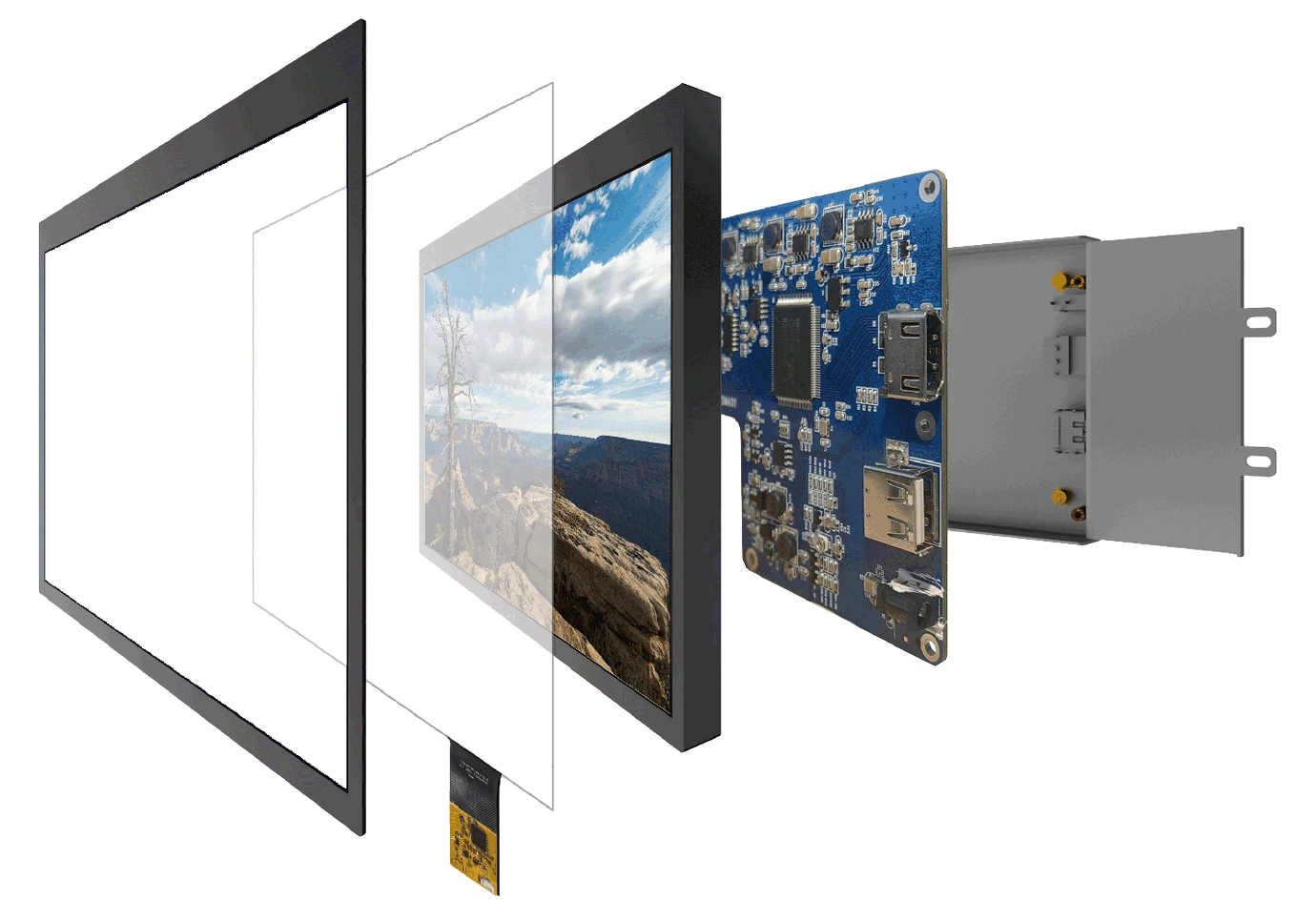
The engineering behind IP66 waterproof LCDs involves more than just sealing the housing. Manufacturers employ multi-layered approaches: first, a robust front cover made of chemically strengthened glass or polycarbonate resists abrasion and impact while allowing full visibility; second, silicone or rubber gaskets create hermetic seals around edges and connectors; third, internal components are coated with conformal coatings like parylene to prevent moisture-induced corrosion. Additionally, thermal management is crucial—since sealed enclosures trap heat, passive cooling solutions (e.g., heat sinks) or active cooling (e.g., micro-fans) must be integrated without compromising the IP66 rating.
Real-world case studies validate the necessity of this standard. For instance, a 2023 report by the U.S. Department of Defense highlighted that military-grade handheld communication devices using IP66-rated displays survived 100+ hours of exposure to sandstorms and saltwater spray in field tests—demonstrating superior resilience compared to non-rated alternatives. Similarly, agricultural drones equipped with IP66 displays maintained functionality during heavy rainfall and dusty harvest seasons, significantly improving operational uptime in precision farming operations.
From a technical standpoint, achieving IP66 compliance requires rigorous testing protocols. These include:
- Dust Chamber Test (IEC 60529): Exposing the device to fine silica powder for 8 hours to simulate desert conditions.
- Water Jet Test: Applying 100 liters per minute of water at 30 kPa pressure from all angles for 3 minutes.
Manufacturers must also consider human factors—such as touchscreen sensitivity in wet conditions—and integrate capacitive touch overlays with hydrophobic coatings to ensure usability even when operators wear gloves or encounter splashes.
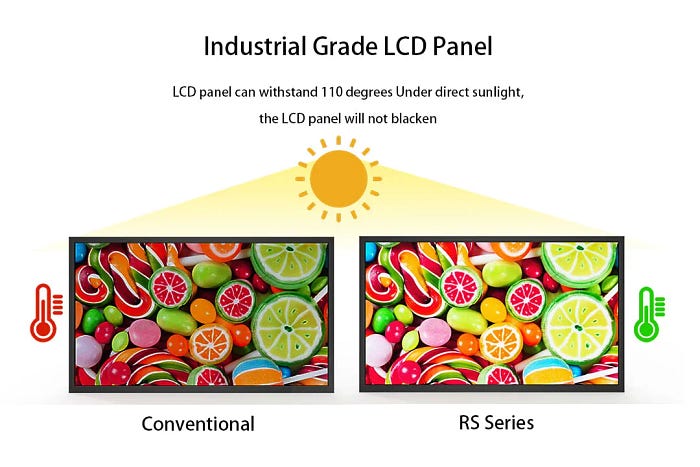
As industries move toward Industry 4.0 and IoT integration, IP66 waterproof displays are becoming foundational components in smart infrastructure. Whether it's a control panel in an offshore wind turbine or a mobile diagnostic screen in a medical emergency vehicle, these displays deliver performance, durability, and safety. With advancements in materials science and manufacturing precision, IP66-rated LCDs now offer brightness levels exceeding 5,000 nits—making them fully sunlight-readable while maintaining environmental resistance.